

The Story Behind Florence and Why Visitors Notice It
This post may contain affiliate links. I may earn a small commission at no extra cost to you.
Why Florence Stands Out on the Oregon Coast

Florence, Oregon, sits at the mouth of the Siuslaw River on the central coast, and unlike many coastal towns that have traded their working waterfronts for tourism, Florence has held onto something rare: a genuine, functional fishing industry. When you walk the Old Town waterfront, you're not looking at a museum recreation—you're watching a real working port where commercial fishing boats still tie up, nets still dry on the docks, and the smell of salt and diesel fuel is part of the daily rhythm.
This distinction matters for visitors because it means Florence tells an honest story about Oregon's coastal economy. The town isn't performing its history; it's living it.
The Siuslaw River Lighthouse and Maritime Navigation

The Siuslaw River Lighthouse, completed in 1894, sits at the river mouth and is one of Oregon's most photographed lighthouses—not because it's the tallest or oldest, but because its Art Deco design (renovated in 1934) makes it instantly recognizable. What many visitors don't realize is that this lighthouse was built to solve a specific, dangerous problem.
In the late 1800s, the Siuslaw River bar—the shallow, turbulent zone where the river meets the Pacific—was a notorious navigation hazard. Sandbars shift constantly in this zone, and ships attempting to enter the river to load timber and agricultural goods faced unpredictable currents and hidden shallow spots. The lighthouse wasn't just a romantic beacon; it was critical infrastructure that allowed captains to read the river entrance safely, especially in fog and rough seas.
Spring weather on the central coast brings changeable conditions and frequent fog, which is why understanding the lighthouse's original purpose adds context to why it's positioned exactly where it is. Modern visitors can see the lighthouse from the Old Town waterfront, and it remains an active aid to navigation—not a historical artifact.
The Fishing Fleet and Working Waterfront Reality
Florence's commercial fishing fleet primarily targets Dungeness crab, Pacific whiting, and groundfish. The boats you see tied up at the docks aren't decorative; they're working vessels that leave before dawn and return with catch that's sold to processors and restaurants. This is why the waterfront has a particular energy in early morning and late afternoon—it's not staged; it's functional.
For visitors, this matters because it means:
Authentic local restaurants source fish directly from the dock. Many of Florence's seafood establishments buy from the boats you can see from the street. This isn't a supply-chain abstraction; it's a direct connection between ocean, boat, and plate.
The waterfront has real character because it serves a real purpose. The buildings, equipment, and activity patterns reflect what fishing communities actually need, not what tourists expect.
Spring brings seasonal variation. Crab season peaks in winter, but spring brings increased activity around groundfish and whiting seasons, which means the docks are busy, processing plants are running, and the town has a working-day rhythm that's different from summer tourism.
Florence's Role in Oregon's Timber and Agricultural Export History
In the late 1800s and early 1900s, Florence was a significant export port for timber and agricultural products from the Willamette Valley. Logs were floated downriver, and grain and other goods were shipped out through the Siuslaw River mouth. The river was dredged and maintained specifically to allow larger cargo vessels to navigate inland.
This history explains why Florence developed where it did and why the Old Town sits right at the river mouth. The town wasn't built around tourism or scenery; it was built around commerce. The fact that it's now scenic is almost incidental to its original purpose.
Today, you can still see evidence of this history in the older buildings, the river-focused layout, and the continued importance of the waterfront. The Siuslaw River Drawbridge, built in 1936, is a working bridge that still opens for boat traffic—another reminder that this isn't a static historical display.
Spring Whale Migration and Coastal Observation
Florence's position at the river mouth, combined with its elevation and waterfront access, makes it a strategic point for observing gray whale migration during spring. Gray whales migrate north from breeding grounds in Baja California to feeding grounds in the Arctic, and the peak spring migration (March through May) brings whales close to the Oregon coast.
From Florence's waterfront and nearby viewpoints, visitors can sometimes spot whale spouts and breaches, especially in early morning or late afternoon when the water is calmer and visibility is better. The town's working-port character means fewer crowds at waterfront observation points compared to more tourist-focused areas.
Spring weather planning matters here. The central coast experiences frequent showers and fog in spring, which means mornings may be gray, but afternoon clearing is common. Layering is essential—waterproof jacket, fleece, and wind-resistant layers. The reward for tolerating changeable weather is that you're watching wildlife during an active migration period, not during peak summer tourist season.
Why Visitors Notice Florence's Authenticity
Many visitors come to the Oregon Coast expecting postcard scenery and gift-shop towns. Florence surprises them because it doesn't fit that template. The waterfront is working, the history is embedded in actual infrastructure, and the local food comes from boats you can see. There's no attempt to make the town quaint or themed; it simply is what it is.
This authenticity is increasingly rare on the Oregon Coast, which is why Florence has developed a loyal following among travelers who want to understand how coastal communities actually function, not how they're imagined.
Planning Your Florence Visit in Spring
Spring is an excellent time to visit Florence because you avoid peak summer crowds while still enjoying longer daylight and warming temperatures (though still cool—expect 50–60°F). The shoulder season means lodging is more available and less expensive than summer, and restaurants are open but not overwhelmed.
Where to stay: Old Town Florence has several small hotels and bed-and-breakfasts within walking distance of the waterfront. Staying in Old Town lets you experience the working port at different times of day—early morning when fishing boats depart, midday when tourists arrive, and evening when the waterfront quiets down.
What to bring: Waterproof jacket, binoculars (for whale watching and bird observation), tide tables (the Siuslaw River mouth has significant tidal movement), and a camera with a good zoom. The light is often soft and diffused in spring, which is excellent for photography.
<!– ocj-affiliate-inline:ocj_lodging_finder –>
If you are building a weekend around this part of the coast, compare nearby lodging before finalizing the route. This can be especially useful around the Central Coast when weather, daylight, and driving time affect the plan.
Where to stay near this Oregon Coast stop
If you are building a weekend around this part of the coast, compare nearby lodging before finalizing the route.
This article may contain affiliate links. Oregon Coast Journey may earn a commission if you book or buy through these links, at no extra cost to you.
Compare nearby stays through approved partners such as Booking.com, Travelpayouts lodging partners.
Timing tip: Visit the waterfront at dawn or dusk. You'll see the fishing fleet activity, fewer tourists, and better light for wildlife observation. Bring coffee from a local café and spend 30 minutes just watching the water and boats. This is how locals experience the waterfront.
FAQ: Florence Oregon Coast History
Q: Is the Siuslaw River Lighthouse still active? A: Yes. The lighthouse is maintained by the U.S. Coast Guard and remains an active aid to navigation. The structure is also open for limited tours during summer months through local partnerships.
Q: Can you see whales from the Florence waterfront? A: During spring migration (March–May), gray whale spouts and occasional breaches are visible from the waterfront, especially in early morning or late afternoon. Binoculars significantly improve your chances. Respectful distance and patience are key.
Q: Why is the Siuslaw River Drawbridge significant? A: Built in 1936, it's one of Oregon's few remaining operational drawbridges. It still opens for boat traffic, making it a working piece of infrastructure, not just a historical landmark. The Art Deco design is also architecturally notable.
Q: What kind of fish do Florence boats catch? A: Primarily Dungeness crab (winter), Pacific whiting, and groundfish species. Spring brings increased groundfish and whiting activity. Local restaurants source directly from these boats.
Q: Is Florence a good base for exploring the central coast? A: Yes. Florence is centrally located and offers access to nearby tide pools, coastal hikes, and other towns. The working waterfront and authentic local character make it worth spending at least one full day exploring on foot.
Related Oregon Coast planning links
- Port Orford With Kids, Dogs, or Mixed-Ability Travelers
- Cape Perpetua Storm Watching: Safe Spots & Timing
- Where to Eat and What to Explore Around Yaquina Head
Free printable: a 2027 cruise calendar with a real port of call for every month. Get yours here →
Official resources to verify before you go
- Travel Oregon coastal trip planning
- Oregon State Parks visitor updates
- NOAA tide and current information
Optional partner planning link: compare Oregon Coast lodging options. Always compare current prices, terms, and cancellation details before booking.
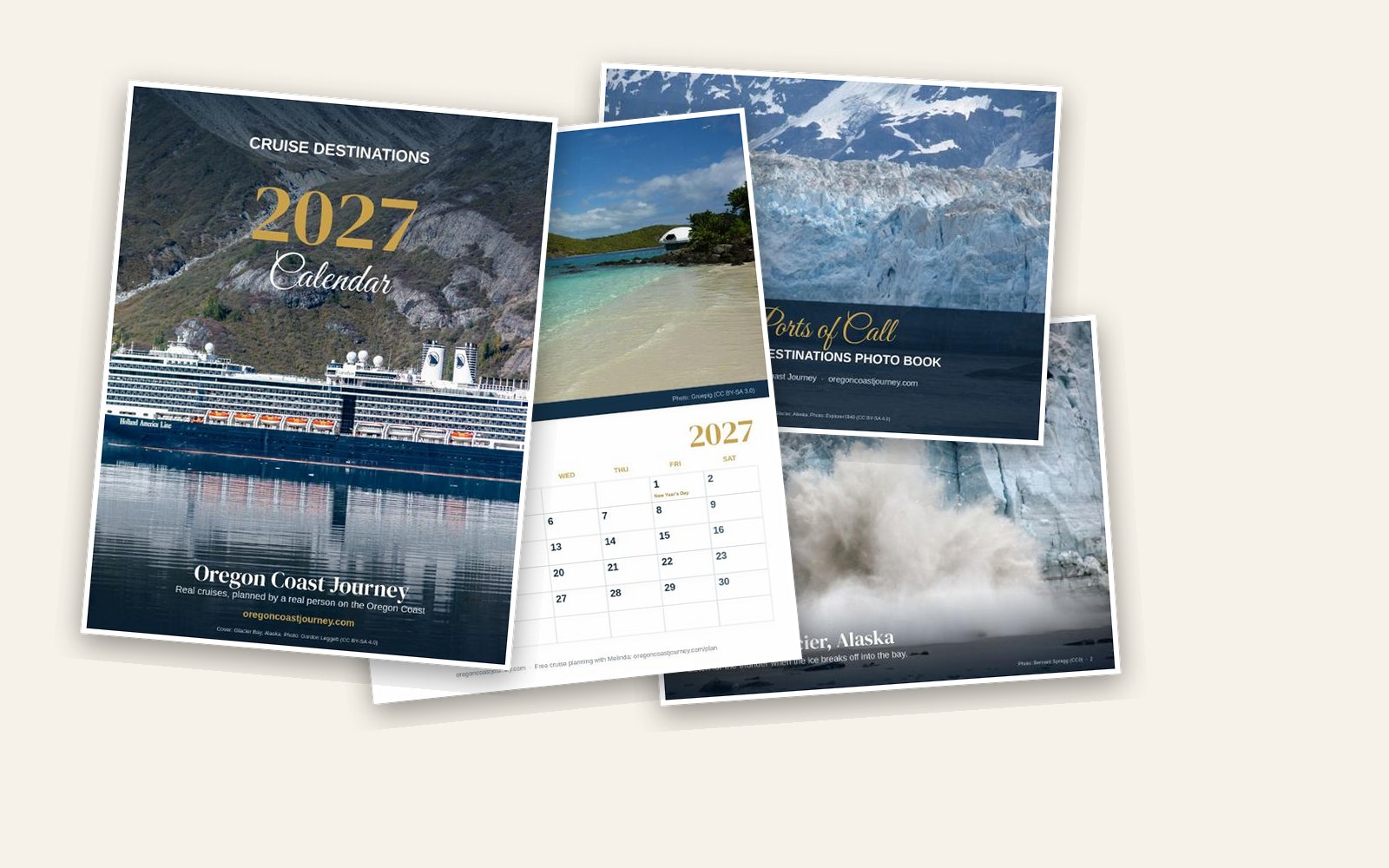
Free printable
A free 2027 cruise calendar for your wall
A real cruise destination for every month, plus a Ports of Call photo book. Print them at home.
Send me the free calendar
Things To Do on the Oregon Coast
Planning your shore days?
Book highly-rated shore excursions and port tours before the best ones sell out.
Find shore excursions on Viator →As a Viator affiliate, I earn a small commission from qualifying bookings — at no extra cost to you.
Cruise Packing Essentials
The little things that make cruising smoother — the gear I recommend to every traveler before they sail.
As an Amazon Associate, I earn from qualifying purchases — at no extra cost to you.


