
Cape Perpetua Storm Watching: Safe Spots & Timing
This post may contain affiliate links. I may earn a small commission at no extra cost to you.

Why Cape Perpetua Is a Storm-Watching Destination
Cape Perpetua, a 800-foot headland on Oregon's Central Coast, has earned a reputation among storm watchers for one simple reason: elevation and exposure. When Pacific storms approach, the cape's height and open ocean-facing cliffs create a natural amphitheater for witnessing wave action, wind patterns, and dramatic sky conditions that rarely occur inland. Unlike low-lying beaches where sneaker waves and rip currents pose genuine hazards, elevated viewpoints at Cape Perpetua let visitors experience storm energy from positions where water cannot reach them.
But “storm watching” carries a cultural mythology on the Oregon Coast. Social media and travel blogs often romanticize standing on beaches during winter swells, treating the ocean's power as a spectacle rather than a hazard. This article flips that frame: the best storm watching happens from safe, legal, elevated spots where you can stay dry, warm, and legally on public land—and still feel the coast's raw power.
The Science Behind Cape Perpetua's Storm Exposure
Cape Perpetua juts into the Pacific at a latitude where winter storms track directly across open ocean before hitting the coast. The cape's geology—resistant basalt and sandstone—has resisted erosion far better than surrounding beaches, creating a natural promontory. When winter storms or spring gales approach, the cape's elevation (up to 800 feet at the overlook) places viewers well above storm surge, wave spray, and wind shear that dominate the beach zone.
NOAA's National Weather Service issues marine forecasts for the Oregon Coast that specify wave heights, wind speeds, and storm timing. During winter and early spring, significant wave heights (the average of the largest third of waves) routinely exceed 10–15 feet, with occasional swells reaching 20+ feet during major Pacific storms. These forecasts are free and updated every 6 hours; checking them before a storm-watching trip is not optional—it's foundational planning.
The cape's position also creates a phenomenon called wind acceleration. As storm winds cross the open ocean and encounter the headland, they compress and accelerate, creating gusts that can exceed forecast speeds by 10–20 mph. Visitors should expect more intense wind than inland forecasts suggest.
Safe, Legal Viewpoints at Cape Perpetua
Thor's Well and Cape Perpetua Overlook
The most accessible storm-watching spot is the Cape Perpetua Scenic Area, managed by the U.S. Forest Service. The main overlook parking area sits at approximately 500 feet elevation, with a paved path leading to viewing platforms. From here, you can see the entire cape, the rocky shoreline, and incoming swells without stepping onto unstable terrain or private land.
Thor's Well, a sinkhole-like coastal depression that fills and drains with tidal water, is located within the scenic area. During storms, the visual contrast between calm well-water and turbulent ocean swells becomes more dramatic—but viewing it safely means staying on marked trails and designated overlooks, not scrambling down rocky slopes.
Sea Lion Caves Overlook
About 11 miles north of Cape Perpetua, Sea Lion Caves offers an elevated vantage of the rocky coast and open ocean. The overlook parking area provides storm views without requiring entry to the cave itself. The height and angle give excellent sight lines to approaching storm systems and wave sets.
Heceta Head Trail
For visitors willing to hike, the Heceta Head Trail (1.5 miles round trip, moderate difficulty) climbs to a 800-foot headland with 360-degree views. During storms, this position offers dramatic perspective on wind patterns, wave direction, and cloud formations. The trail is maintained by the Forest Service and clearly marked; it's open year-round, though spring storms can create slippery conditions.
Timing: When to Watch Storms at Cape Perpetua
Storm watching isn't random. Successful visits depend on understanding Pacific storm timing and coastal weather patterns.
Winter Storms (November–March)
Winter brings the most frequent and intense storms. The jet stream dips south, steering low-pressure systems directly across the Pacific toward Oregon. Storm frequency peaks in December and January, with January typically the most active month. However, winter also brings cold, wet conditions and shorter daylight hours, making visits less comfortable.
Spring Shoulder-Season Storms (April–May)
Spring storms are less frequent than winter systems but often more dramatic. As the jet stream moves north, storms become rarer but more intense when they do occur. Spring also brings longer daylight, milder temperatures (though still cool), and the bonus of migrating gray whales visible from Cape Perpetua viewpoints during April and May. A spring storm visit can combine storm watching with whale-watching—a practical two-for-one itinerary.
Checking Forecasts
NOAA's National Weather Service provides marine forecasts for the Oregon Coast (https://www.weather.gov). The “Coastal Waters Forecast” specifies wave heights, wind direction, wind speed, and timing. A useful rule: if the marine forecast calls for sustained winds above 25 knots (29 mph) and significant wave heights above 12 feet, conditions at Cape Perpetua will be visually dramatic and worth a visit.
Local weather stations and tourism boards also issue storm forecasts. Travel Oregon (https://www.traveloregon.com) updates seasonal travel conditions, and the Siuslaw River Valley Chamber of Commerce provides real-time coastal conditions.
Essential Gear and Preparation
Storm watching at Cape Perpetua requires specific preparation. The cape is exposed; weather can change rapidly; and the environment is unforgiving to unprepared visitors.
Weatherproof Jacket and Layering
Wind and spray are the primary hazards at elevated viewpoints. A waterproof, windproof jacket rated for sustained winds is non-negotiable. Beneath it, wear moisture-wicking base layers and an insulating mid-layer (fleece or wool). Cotton absorbs water and loses insulating value; synthetic and wool materials retain warmth when damp. Bring a warm hat and gloves; wind chill at 800 feet elevation can drop perceived temperature 10–20 degrees below the forecast.
Binoculars and Camera Gear
Binoculars (8×42 or 10×42 magnification) let you spot details—wave structure, wind patterns in the spray, migrating whales—that are invisible to the naked eye. If you're photographing storms, bring a lens cap tether; wind can snatch unsecured caps. A tripod helps stabilize long-exposure shots, but secure it firmly against gusts.
Footwear and Traction
Worn hiking boots with good tread are essential. Wet rock and packed earth become slippery during storms; smooth-soled shoes or sandals are a fall risk. Gaiters keep spray and mud out of boot tops.
Lodging with Ocean Views
If you're planning an overnight storm-watching trip, staying in nearby Yachats or Waldport puts you within 15 minutes of Cape Perpetua. Lodging with ocean-facing windows lets you monitor storm development from your room and time viewpoint visits strategically. Many coastal inns and vacation rentals offer this setup at shoulder-season rates (April–May) lower than peak summer pricing.
Safety Rules and Legal Boundaries
Stay on Marked Trails and Overlooks
The Cape Perpetua Scenic Area has clearly marked trails and designated overlooks. Straying onto unmarked slopes or private land creates liability and trespassing risk. The forest service maintains trails specifically for safe viewing; use them.
Respect Closure Notices
During extreme storms, the Forest Service may close viewpoints or trails. These closures are not suggestions; they reflect hazards like falling trees, unstable soil, or dangerous wind gusts. Check the Cape Perpetua Scenic Area website or call the visitor center (541-547-3289) before visiting during forecast storms.
Avoid the Beach During Storms
This is the cardinal rule. Sneaker waves—unexpected large swells that surge far up the beach—kill several Oregon Coast visitors annually. During storms, wave energy is chaotic; sneaker-wave risk is highest. The beach is not a storm-watching venue. Period.
Understand Tide Timing
Storm surge and wave action vary with tidal stage. High tide amplifies wave reach and spray; low tide exposes more beach but doesn't eliminate surge risk. Check tide tables (https://www.tides.noaa.gov) before visiting. Avoid low-tide beach access during storms; the exposed beach can trap visitors if waves surge unexpectedly.
Spring Bonus: Whale Watching from Cape Perpetua
April and May bring migrating gray whales to Oregon coastal waters. From elevated viewpoints at Cape Perpetua, you can spot whale spouts and backs during calm periods between storms. The combination of spring storms and whale migration creates a unique itinerary: morning storm watching from the overlook, afternoon whale-spotting from Heceta Head or the scenic area, and evening lodging in a coastal town with ocean views. This approach maximizes coastal experience while respecting safety boundaries.
Practical Spring Itinerary: Storm Watching + Whale Watching
Day 1 Morning: Arrive at Cape Perpetua Scenic Area by 9 a.m. Check NOAA marine forecast. If storm conditions are forecast (winds 25+ knots, waves 12+ feet), position yourself at the main overlook or Thor's Well viewing platform with binoculars and a warm jacket. Spend 2–3 hours observing wave patterns, wind, and cloud movement.
Day 1 Afternoon: Hike the Heceta Head Trail (1.5 miles round trip). Bring binoculars; gray whales migrate past this headland during April–May. The elevation and angle offer excellent whale-spotting vantage.
Day 1 Evening: Stay in Yachats or Waldport. Choose lodging with ocean views so you can monitor weather and plan Day 2 timing.
Day 2 Morning: If storms persist, return to Cape Perpetua overlook. If conditions calm, explore the tide pools at Cape Perpetua (consult tide tables; low tide is best). Bring a waterproof jacket; spray reaches the tide-pool area.
<!– ocj-affiliate-inline:ocj_trip_insurance_weather_backup –>
If weather or travel delays would be costly, compare coverage before finalizing nonrefundable bookings. This can be especially useful around the Central Coast when weather, daylight, and driving time affect the plan.
Consider weather and cancellation backup
If weather or travel delays would be costly, compare coverage before finalizing nonrefundable bookings.
This article may contain affiliate links. Oregon Coast Journey may earn a commission if you book or buy through these links, at no extra cost to you.
Compare trip coverage options through approved partners such as Approved travel insurance partner via Travelpayouts or other approved network.
Day 2 Afternoon: Drive north to Heceta Head or south to Sea Lion Caves for additional whale-spotting and coastal views. Both locations offer storm-watching vantage if conditions shift.
FAQ: Storm Watching at Cape Perpetua
Q: Is it safe to watch storms at Cape Perpetua? Yes, if you stay on marked trails and designated overlooks at elevation. The danger comes from ignoring closures, straying onto unstable terrain, or attempting beach access during storms. Elevated viewpoints are designed for safe observation.
Q: What's the best time of year to watch storms at Cape Perpetua? Winter (December–January) has the most frequent storms; spring (April–May) has fewer but more intense storms, plus the bonus of whale migration. Spring is ideal for comfort and itinerary diversity.
Q: How do I know if conditions are safe for a storm-watching visit? Check NOAA's marine forecast (https://www.weather.gov). If sustained winds exceed 25 knots and significant wave heights exceed 12 feet, conditions will be visually dramatic. Call the Cape Perpetua Visitor Center (541-547-3289) to confirm trail and overlook status.
Q: Can I bring my kids storm watching at Cape Perpetua? Yes, if they're comfortable with wind, cold, and staying on trails. Younger children may find the experience overwhelming; teenagers and older kids typically enjoy it. Ensure they wear proper gear and stay close to you on windy overlooks.
Q: What's the difference between a sneaker wave and normal storm surge? A sneaker wave is an unexpectedly large swell that surges far up the beach, often catching people by surprise. Storm surge is sustained elevated water level during storms. Both are dangerous on beaches; neither is a hazard at elevated viewpoints.
Wrapping Up: Storm Watching Done Right
Storm watching at Cape Perpetua is not about risk-taking. It's about positioning yourself to witness coastal power from a safe, legal, elevated vantage where the ocean's energy is visible but not threatening. By checking forecasts, wearing proper gear, staying on marked trails, and respecting closures, you can experience one of the Oregon Coast's most dramatic natural phenomena without endangering yourself or violating park regulations.
Spring is the ideal season: storms are dramatic, whales migrate past, daylight is long, and lodging rates are lower than summer. Plan a multi-day trip, combine storm watching with whale-spotting and tide-pool exploration, and discover why the Oregon Coast has captivated visitors for generations.
Related Oregon Coast planning links
- Port Orford With Kids, Dogs, or Mixed-Ability Travelers
- Where to Eat and What to Explore Around Yaquina Head
- How to Add Seaside to an Oregon Coast Road Trip
Free printable: a 2027 cruise calendar with a real port of call for every month. Get yours here →
Official resources to verify before you go
- Travel Oregon coastal trip planning
- Oregon State Parks visitor updates
- NOAA tide and current information
Optional partner planning link: compare Oregon Coast lodging options. Always compare current prices, terms, and cancellation details before booking.
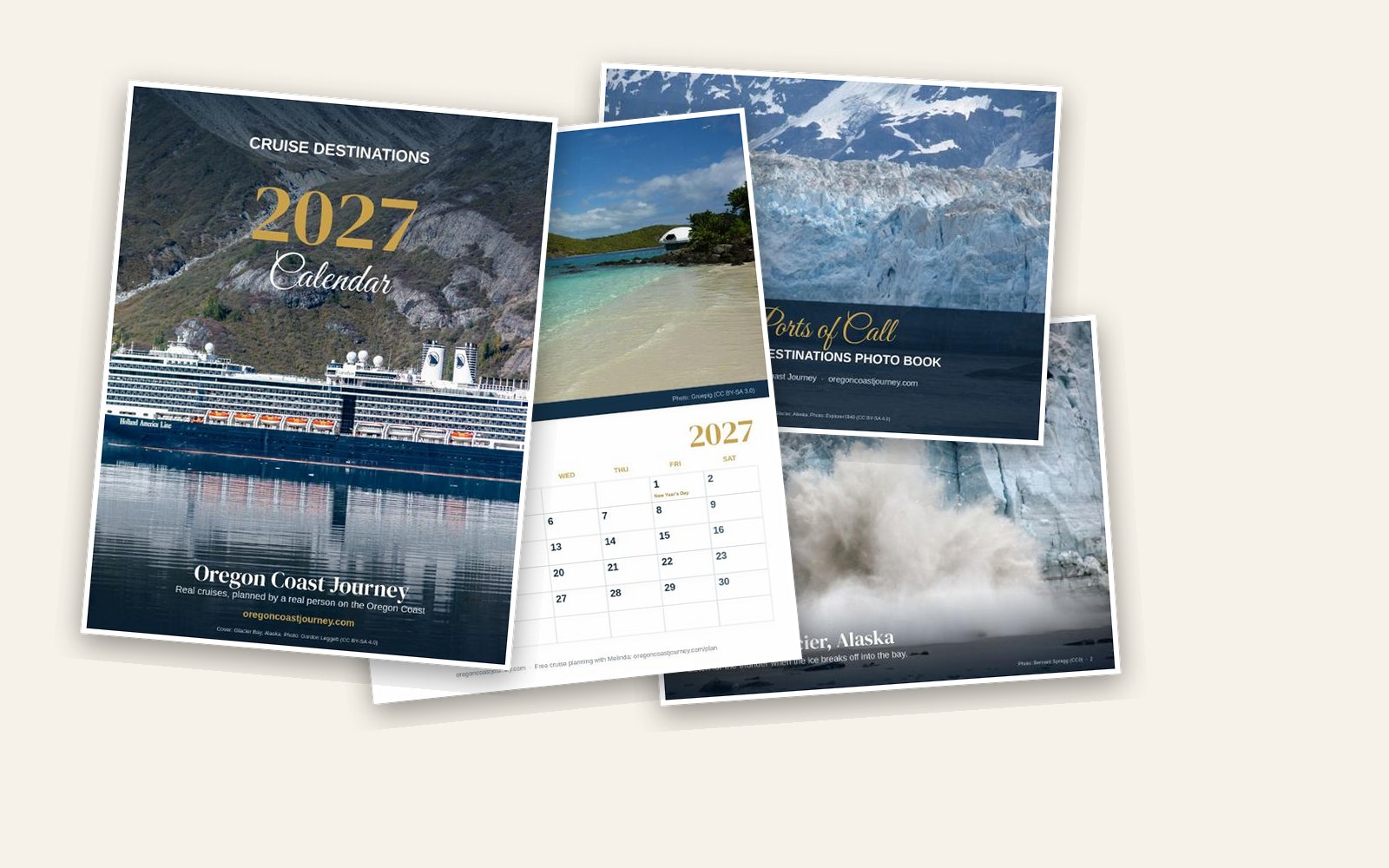
Free printable
A free 2027 cruise calendar for your wall
A real cruise destination for every month, plus a Ports of Call photo book. Print them at home.
Send me the free calendar
Planning your shore days?
Book highly-rated shore excursions and port tours before the best ones sell out.
Find shore excursions on Viator →As a Viator affiliate, I earn a small commission from qualifying bookings — at no extra cost to you.
Cruise Packing Essentials
The little things that make cruising smoother — the gear I recommend to every traveler before they sail.
As an Amazon Associate, I earn from qualifying purchases — at no extra cost to you.


