
Where to Eat and What to Explore Around Yaquina Head
This post may contain affiliate links. I may earn a small commission at no extra cost to you.

Yaquina Head: More Than a Lighthouse
Yaquina Head, a rocky promontory jutting into the central Oregon Coast near Newport, draws visitors for its iconic lighthouse and dramatic coastal scenery. But the real story for food-loving travelers and curious explorers lies in the layered ecosystem of local restaurants, bakeries, markets, and seasonal natural events that make this region worth a full day or overnight stay.
The Yaquina Head Outstanding Natural Area itself—managed by the Bureau of Land Management—protects 93 acres of coastal headland, tide pools, and seabird habitat. Admission is free, and the site draws nearly 100,000 visitors annually. But most travelers arrive, snap a lighthouse photo, and leave. Those who linger discover that the real magic happens in the surrounding communities: Newport's working waterfront, the small galleries and shops of Otter Crest Loop, and the seasonal convergence of migrating gray whales, blooming coastal wildflowers, and fresh seafood arriving daily at local docks.
Spring Seasonality: Whales, Wildflowers, and Weather Strategy
Spring on the central Oregon Coast is not summer. Temperatures hover between 48°F and 58°F, rain is common, and fog can roll in without warning. But this is precisely why spring is special around Yaquina Head.
Gray whale migration peaks in March and April as whales move north to Arctic feeding grounds. By May, some stragglers still pass, but the real show is over. However, May brings something equally compelling: coastal wildflowers bloom in profusion. Lupine, Indian paintbrush, and coastal buckwheat blanket the headland's grassy slopes. The wildflower display typically peaks from late April through May, making spring the ideal window for photographers and nature lovers.
Spring also means fewer crowds and lower lodging rates than summer. Hotels and bed-and-breakfasts offer shoulder-season discounts, and restaurants are less packed. The trade-off is weather unpredictability. Layering is non-negotiable: bring a waterproof jacket, fleece, and base layers. Wind can gust to 20+ mph, especially on the headland itself. But this volatility creates dramatic skies, moody lighting for photography, and a sense of wild authenticity that summer crowds dilute.
Where to Eat: Fresh Seafood and Local Coffee Culture
Newport's waterfront is the culinary heart of the Yaquina Head region. The working fishing fleet still operates from the bay, meaning seafood arrives within hours of being caught.
Local's Seafood & Market sits directly on the waterfront and sells fresh crab, salmon, and halibut at retail prices. Visitors can buy whole fish or pre-cut fillets and cook in their lodging, or grab prepared items like crab sandwiches and chowder to eat at picnic tables overlooking the bay. This is not a restaurant; it is a working fish market with seating. Prices are lower than sit-down establishments, and the quality is exceptional because inventory turns over daily.
Panini Bakery in Newport has operated since 1997 and bakes bread fresh daily. Their sourdough and rosemary focaccia are sold to restaurants and locals. The bakery also operates a small café where visitors can buy coffee, pastries, and sandwiches. Spring is an ideal time to grab a warm pastry and coffee before heading to Yaquina Head to watch for migrating whales or photograph wildflowers.
Local Ocean Seafoods is a working cannery and restaurant hybrid. The upstairs dining room overlooks the fishing fleet, and the kitchen sources almost exclusively from boats docked below. Their fish and chips, Dungeness crab, and oyster stew are seasonal and depend on what arrived that morning. Prices are moderate for the quality and freshness. Reservations are recommended, especially on weekends.
Hallmark Resort & Spa in Newport includes an on-site restaurant focused on regional ingredients. While it caters to hotel guests, the dining room is open to the public, and the menu rotates with seasonal availability. Spring offerings often feature fresh halibut, Dungeness crab, and locally foraged mushrooms.
For coffee, Oceana Coffee Roasters in Newport roasts beans in-house and sources from regional suppliers. Their single-origin espresso drinks and pour-overs are excellent, and the café doubles as a small bookstore and local art gallery. It is a natural gathering spot for locals and visitors seeking a genuine community experience.
Tide Pools and Hiking: Practical Tips for Spring Conditions
Yaquina Head's tide pools are accessible via a short walk from the parking area. Low tide is essential: pools are only fully exposed during minus tides (typically 0 feet or lower). Tide tables are available from NOAA and local visitor centers. Spring minus tides often occur in early morning or late afternoon, so plan accordingly.
Wear waterproof boots or water shoes with good grip. Rocks are slippery, especially after rain, and sneaker waves—unexpected large waves that sweep the shore—occur year-round but are more common in winter. Even in spring, stay alert and never turn your back to the ocean. Keep at least one hand free to brace yourself if a wave arrives.
The Yaquina Head Lighthouse Trail is a 0.8-mile paved loop that ascends gently to the lighthouse. The trail is accessible but exposed to wind. Spring wildflowers bloom adjacent to the trail, making it a photographer's favorite. The lighthouse itself is staffed seasonally, and visitors can climb to the top (small fee, typically $3–5). Views from the top on clear days extend 40 miles north and south along the coast.
For a longer hike, the Otter Crest Loop—a scenic 10-mile drive south of Yaquina Head—includes several pull-offs and short walking trails through coastal forest and open headlands. The loop is particularly striking in spring when wildflowers are blooming and the air is fresh after rain.
Planning Your Visit: Lodging and Activity Booking
Newport offers a range of lodging options within 10 minutes of Yaquina Head. Beachfront hotels, vacation rentals, and bed-and-breakfasts are available. Spring rates are typically 20–30% lower than summer. Book early if visiting a holiday weekend, but shoulder-season weekdays often have last-minute availability and discounts.
For whale watching, several charter companies offer guided boat tours departing from Newport's waterfront. Tours typically last 2–3 hours and cost $40–70 per person. Spring is a good time to book, as May tours are less crowded than March and April, but whales are less predictable. Check recent sighting reports before booking.
Activity booking platforms like Viator and GetYourGuide offer tide-pool tours, lighthouse tours, and guided hikes in the area. Local outfitters also rent kayaks and stand-up paddleboards for exploring Yaquina Bay, though spring water temperatures are cold (48–52°F), so wetsuits are essential.
Hidden History: The Yaquina Head Lighthouse and Its Keepers
Yaquina Head Lighthouse was completed in 1873 and has operated continuously for over 150 years. The original keeper, James Oaks, lived in a small cottage on the headland with his family. In the 1880s, lighthouse keeping was a solitary, low-paid profession, and keepers often brought their families to remote stations to save on housing costs.
The lighthouse beam is visible 21 miles out to sea on clear nights. In the pre-GPS era, this light was a critical navigation aid for fishing boats and merchant vessels. The lighthouse was automated in 1963, eliminating the need for resident keepers. Today, it is managed by the Bureau of Land Management and staffed by volunteers during visitor season.
One odd historical detail: Yaquina Head and nearby Yaquina Bay Lighthouse (built in 1871, just 2 miles away) were both operational simultaneously for decades. This redundancy was intentional—the U.S. Lighthouse Board wanted backup navigation aids in case one light failed. The bay lighthouse is now a museum, while the headland lighthouse remains active. This dual-light system was common on busy coasts but is rare today.
Wildlife and Ecology: Why Spring Matters
Yaquina Head is designated as Critical Habitat for threatened marbled murrelets, a small seabird that nests in old-growth coastal forest and feeds in nearshore waters. In spring, murrelets return from wintering grounds and become more visible. Birdwatchers often spot them from the headland at dawn.
Gray whales migrating north in spring follow the coastline closely, sometimes passing within 100 yards of shore. Binoculars are helpful, but whales are often visible to the naked eye as they blow water and briefly expose their backs. Peak viewing is typically 8–10 a.m. on calm days.
<!– ocj-affiliate-inline:ocj_lodging_finder –>
If you are building a weekend around this part of the coast, compare nearby lodging before finalizing the route. This can be especially useful around the Central Coast when weather, daylight, and driving time affect the plan.
Where to stay near this Oregon Coast stop
If you are building a weekend around this part of the coast, compare nearby lodging before finalizing the route.
This article may contain affiliate links. Oregon Coast Journey may earn a commission if you book or buy through these links, at no extra cost to you.
Compare nearby stays through approved partners such as Booking.com, Travelpayouts lodging partners.
Tide pools at Yaquina Head host starfish, anemones, crabs, and chitons. Spring is a good time to visit because water temperatures are rising, increasing animal activity. However, tide-pool etiquette is important: do not remove animals, do not turn over rocks without replacing them, and do not step on living organisms. The Oregon Coast has strict tide-pool protection laws, and violations can result in fines.
FAQ
Q: When is the best time to visit Yaquina Head for whale watching? A: March and April see peak gray whale migration northbound. By May, migration is nearly complete, but occasional whales still pass. Summer offers fewer whales but better weather. Winter (December–January) sees southbound migration, though conditions are rougher.
Q: Are tide pools accessible year-round? A: Yes, but accessibility depends on tide timing. Minus tides (0 feet or lower) expose the deepest pools. NOAA tide tables show daily low-tide times. Spring and fall typically offer good minus tides, though timing varies by month.
Q: What should I bring for spring weather at Yaquina Head? A: Waterproof jacket, fleece or wool layers, waterproof hiking boots, hat, and gloves. Wind is common, so avoid cotton. Sunscreen is essential even on cloudy days, as UV reflects off water and rocks.
Q: Can I climb the Yaquina Head Lighthouse? A: Yes, during visitor season (typically April–October). A small fee applies. The climb is 93 steps, and the view from the top is exceptional on clear days.
Q: Where is the nearest coffee and bakery to Yaquina Head? A: Panini Bakery and Oceana Coffee Roasters are both in Newport, about 5–10 minutes from Yaquina Head. Both offer fresh pastries, coffee, and local atmosphere.
Practical Takeaway: Timing and Layering
The most common visitor mistake around Yaquina Head is underpreparing for spring weather. Many travelers arrive in shorts and light jackets, expecting summer conditions. Spring on the central Oregon Coast is cold, wet, and windy. Pack layers, bring waterproof gear, and plan for sudden weather changes. The reward is fewer crowds, lower prices, blooming wildflowers, and the raw beauty of the coast in transition. Eat fresh seafood, watch for migrating whales, and respect the tide pools. Yaquina Head reveals its secrets to those who come prepared.
—
AI Assistance Disclosure: This article was researched and written with AI assistance. Factual claims about lighthouse history, tide-pool ecology, whale migration timing, and visitor facilities were verified against official sources including the Bureau of Land Management, NOAA, and Travel Oregon. Specific restaurant and lodging recommendations are based on publicly available information and local reputation. Readers are encouraged to verify current hours, prices, and seasonal availability before visiting.
Editorial transparency
This article was drafted with AI assistance and reviewed through Oregon Coast Journey publishing safeguards. Always confirm current conditions before traveling.
Related Oregon Coast planning links
- How to Add Seaside to an Oregon Coast Road Trip
- The Story Behind Warrenton and Why Visitors Notice It
- Reedsport Weekend Itinerary for First-Time Visitors
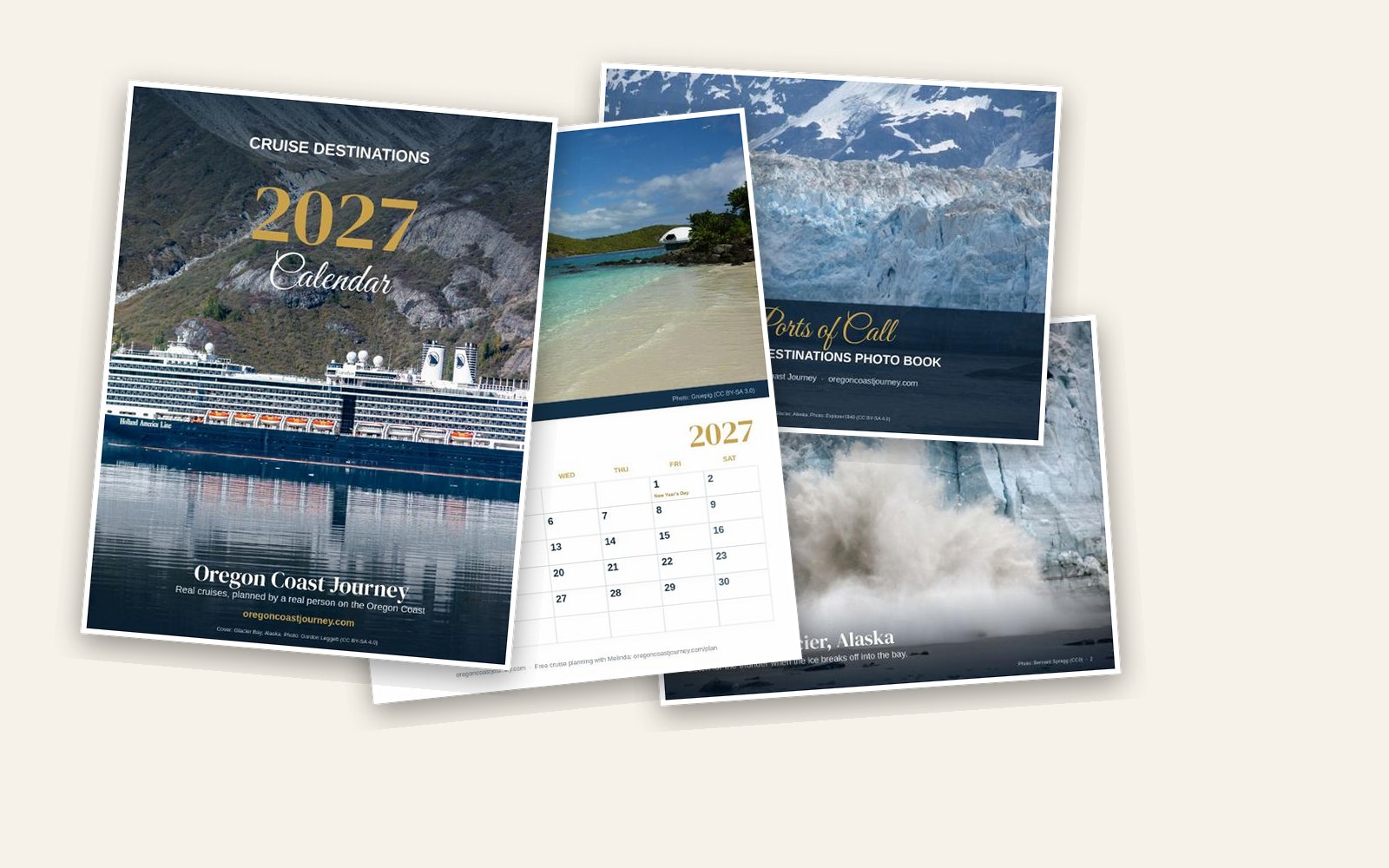
Free printable: a 2027 cruise calendar with a real port of call for every month. Get yours here →
Official resources to verify before you go
- Travel Oregon coastal trip planning
- Oregon State Parks visitor updates
- NOAA tide and current information
Optional partner planning link: compare Oregon Coast lodging options. Always compare current prices, terms, and cancellation details before booking.
Free printable
A free 2027 cruise calendar for your wall
A real cruise destination for every month, plus a Ports of Call photo book. Print them at home.
Send me the free calendar
Planning your shore days?
Book highly-rated shore excursions and port tours before the best ones sell out.
Find shore excursions on Viator →As a Viator affiliate, I earn a small commission from qualifying bookings — at no extra cost to you.
Cruise Packing Essentials
The little things that make cruising smoother — the gear I recommend to every traveler before they sail.
As an Amazon Associate, I earn from qualifying purchases — at no extra cost to you.


