

Best Things to Do Near Manzanita on the Oregon Coast
This post may contain affiliate links. I may earn a small commission at no extra cost to you.
Why Manzanita Deserves Your Attention

Manzanita is the North Coast's best-kept secret—a seven-mile beach town that somehow avoids the summer gridlock of Cannon Beach while offering equally stunning natural features. Unlike many Oregon Coast destinations, Manzanita's appeal lies in practical accessibility: a long, stable beach ideal for walking and wildlife spotting, a quiet downtown with local restaurants and lodging, and proximity to tide pools, viewpoints, and migrating gray whales. Spring is the ideal season to visit: gray whales are moving north through offshore waters (typically mid-April through early June), wildflowers bloom on coastal bluffs, and shoulder-season lodging rates remain reasonable.
Manzanita Beach: The Main Event

Manzanita Beach itself is the anchor stop. The seven-mile stretch is exceptionally wide at low tide, revealing sand flats that are ideal for walking, photography, and spotting shorebirds. The beach faces northwest, so morning light is soft and afternoon light dramatic—a practical note for photographers planning shot timing.
Parking and access: The main beach access is at Manzanita City Park, located at the north end of town off Laneda Avenue. Parking is free but fills quickly on weekends; arrive by 9 a.m. in spring and summer. The lot has restrooms, picnic tables, and a paved path to the sand. Secondary access points include the south end of town near Nehalem River mouth (less crowded, good for wildlife) and several smaller pullouts along the beach road.
Planning an overnight Oregon Coast trip? Use the search box below to compare stays and flights for your route before you go.
Practical walking tip: The sand is firmest and most walkable two hours before and after low tide. Tide tables are essential—grab them from the Manzanita Chamber of Commerce website or NOAA Tides & Currents. A low tide walk can extend six miles round-trip; bring water and a light layer because ocean wind cools quickly.
Wildlife context: Manzanita Beach is a reliable spot for spotting gray whales during spring migration. Whales often travel within a mile of shore as they move north to Arctic feeding grounds. The best viewing window is typically 10 a.m. to 2 p.m., when light is clearest and whales are most active. Bring binoculars and patience—a spout or tail fluke is worth the wait. Seals and sea lions are common year-round; stay at least 150 feet away and never approach pups, which may appear abandoned but are actually being monitored by mothers.
Nehalem Bay State Park: Overlooks and Tide Pools
Just south of Manzanita, Nehalem Bay State Park offers two distinct stops worth sequencing into your itinerary.
Nehalem Bay Overlook: A short, paved viewpoint on Highway 101 provides a high perspective of the bay, river mouth, and offshore rocks where sea lions haul out. This stop takes 10 minutes and is ideal for whale spotting—the elevation gives you a vantage point to scan miles of ocean. Spring is peak season for gray whale sightings here.
Nehalem Spit Tide Pools: Drive past the overlook and follow signs to the spit parking area. A short walk (less than half a mile) leads to tide pools rich with anemones, starfish, crabs, and small fish. Tide pool etiquette is critical: step only on bare rock, never touch or remove creatures, and never block anemones from water. The pools are accessible only at low tide; plan your visit using tide tables. Spring runoff can make pools murky, so late April through May offers the clearest water.
Practical note: Tide pool access is seasonal and weather-dependent. Call Nehalem Bay State Park (503-368-5154) before visiting to confirm access and conditions.
Oswald West State Park: Hiking and Solitude
A few miles south of Manzanita, Oswald West State Park is one of the Oregon Coast's most underrated destinations. The main trail is a moderate 2.5-mile hike through old-growth Sitka spruce forest to a pristine beach backed by dramatic cliffs.
Why it matters: The hike is short enough for families but rewarding enough for serious hikers. The beach at the end is rarely crowded because it requires actual effort to reach—a rarity on the North Coast. Spring wildflowers bloom along the trail edges, and the forest canopy is lush and dripping with moss.
Practical details: The trailhead is on Highway 101, about three miles south of Manzanita. Parking is limited (about 30 spaces); arrive early or visit on weekday mornings. The trail is muddy in spring, so waterproof hiking boots are essential. No bikes or dogs are allowed. The beach at the end has no facilities, so bring water and snacks.
Wildlife note: Roosevelt elk occasionally use this trail corridor in early morning. If you encounter one, back away slowly and give it space. Sightings are rare but possible in spring.
Local Food and Lodging
Manzanita's downtown is small but authentic. Laneda Avenue has a handful of locally owned restaurants, coffee shops, and galleries—a refreshing contrast to chain-heavy coastal towns.
Dining highlights:
• Newman's French Restaurant: Fine dining in a historic building; reservations essential
• Irish Table: Farm-to-table comfort food with local ingredients
• Manzanita News & Espresso: Excellent coffee and pastries; great for trip planning over breakfast
Lodging: Spring is shoulder season, so lodging rates are lower than summer but rooms are still available. Options range from small inns to vacation rentals. Book early if visiting a holiday weekend.
Seasonal Planning: Spring Specifics
Weather: Spring on the Oregon Coast is changeable. Mornings can be cool (50–55°F) and cloudy; afternoons may warm to 60–65°F with clearing skies. Rain is common but usually brief. Pack layers: a moisture-wicking base, a fleece or wool mid-layer, and a windproof outer shell. Waterproof pants are practical for tide pool exploration.
Gray whale migration: Peak northbound migration is mid-April through early June. Whales are most visible on clear mornings from elevated viewpoints like Nehalem Bay Overlook or Manzanita Beach during calm sea conditions.
Wildflowers: Coastal bluff wildflowers peak in late April and May. Look for purple lupine, orange Indian paintbrush, and white yarrow along trail edges and on headlands.
Crowds: Spring is ideal for avoiding summer crowds. Weekdays are quieter than weekends; plan your visit accordingly if solitude is a priority.
Practical Itinerary Sequence
If you have a full day in Manzanita, this sequence maximizes stops and minimizes backtracking:
1. Early morning (7–9 a.m.): Arrive at Manzanita City Park, walk the beach at low tide, scan for whales with binoculars. 2. Mid-morning (9–11 a.m.): Drive to Nehalem Bay Overlook, spend 15 minutes whale-watching from the high vantage. 3. Late morning (11 a.m.–1 p.m.): Hike Oswald West State Park (allow 2–2.5 hours round-trip including beach time). 4. Lunch (1–2 p.m.): Return to Manzanita downtown; eat at Newman's or Irish Table. 5. Afternoon (2–4 p.m.): Explore tide pools at Nehalem Spit (if tide is right) or revisit Manzanita Beach for a second walk and evening light photography.
<!– ocj-affiliate-inline:ocj_lodging_finder –>
If you are building a weekend around this part of the coast, compare nearby lodging before finalizing the route. This can be especially useful around the North Coast when weather, daylight, and driving time affect the plan.
Where to stay near this Oregon Coast stop
If you are building a weekend around this part of the coast, compare nearby lodging before finalizing the route.
This article may contain affiliate links. Oregon Coast Journey may earn a commission if you book or buy through these links, at no extra cost to you.
Compare nearby stays through approved partners such as Booking.com, Travelpayouts lodging partners.
Planning recommendation: Before booking lodging or planning your exact timing, confirm tide tables and gray whale migration reports. NOAA Tides & Currents (tides.noaa.gov) provides accurate tide predictions. The Whale Interpretive Center in Depoe Bay (30 minutes south) offers real-time whale-sighting reports if you want to optimize your viewing window.
FAQ
Q: When is the best time to see gray whales near Manzanita? A: Mid-April through early June is peak northbound migration. Whales are most visible on clear mornings from elevated viewpoints like Nehalem Bay Overlook. NOAA reports suggest that whales often travel within a mile of shore during this window.
Q: Are tide pools safe to explore with kids? A: Yes, but with care. Tide pools are accessible only at low tide; use tide tables to plan your visit. Teach children to step only on bare rock, never touch creatures, and never block anemones from water. Bring water shoes to protect feet from sharp rocks.
Q: What's the best time of day to visit Manzanita Beach? A: Early morning (7–9 a.m.) offers the best light for photography, the fewest crowds, and often the calmest sea conditions. Low tide is ideal for walking and wildlife spotting; check tide tables before you go.
Q: Do I need a reservation for Oswald West State Park? A: No, but parking is limited. Arrive early (before 9 a.m.) or visit on weekdays to secure a spot.
Q: What should I wear for spring hiking on the Oregon Coast? A: Waterproof hiking boots, moisture-wicking base layer, fleece or wool mid-layer, and a windproof outer shell. The forest is damp, and ocean wind cools quickly. Avoid cotton; it retains moisture.
Related Oregon Coast planning links
- Port Orford With Kids, Dogs, or Mixed-Ability Travelers
- Cape Perpetua Storm Watching: Safe Spots & Timing
- Where to Eat and What to Explore Around Yaquina Head
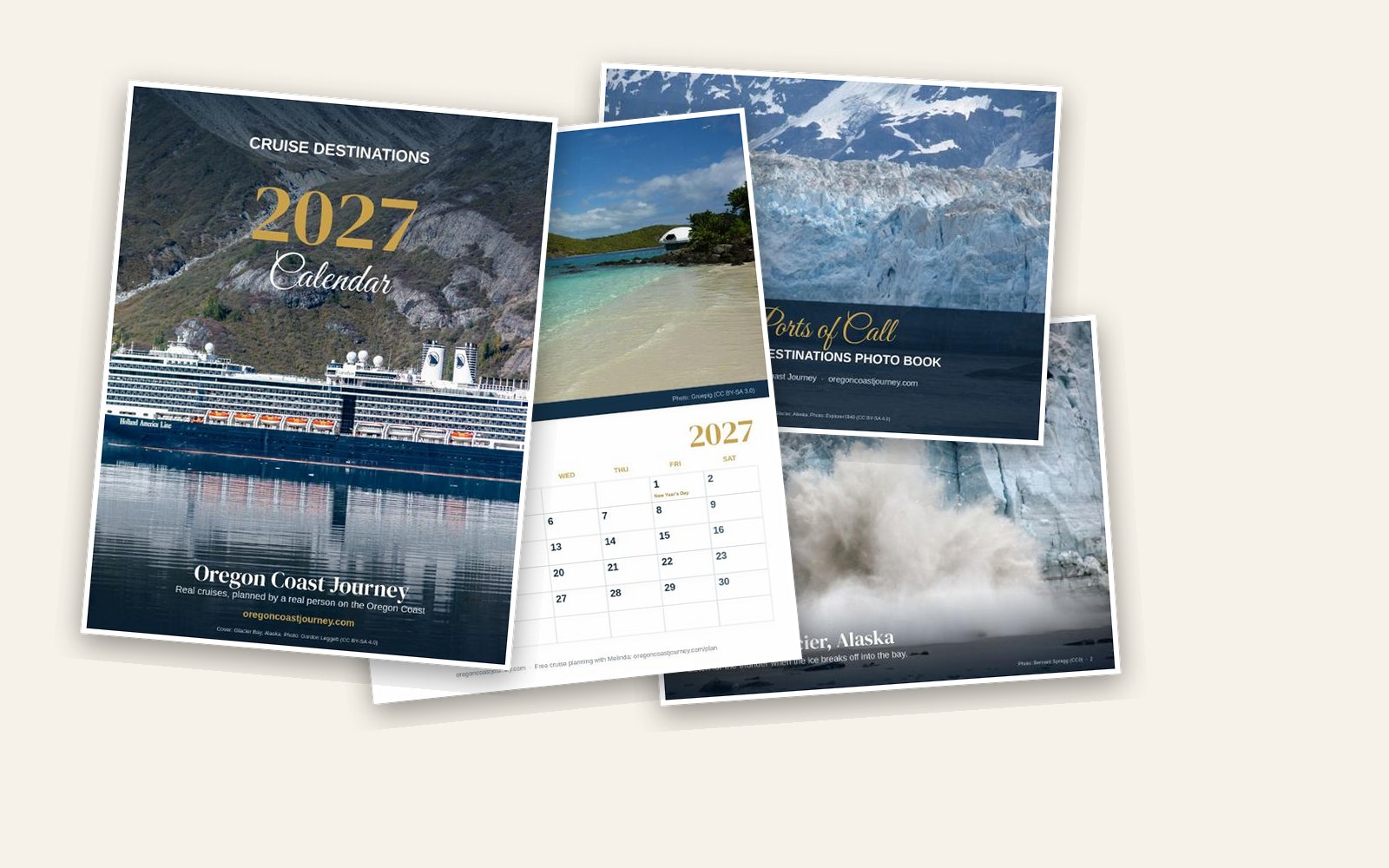
Free printable: a 2027 cruise calendar with a real port of call for every month. Get yours here →
Official resources to verify before you go
- Travel Oregon coastal trip planning
- Oregon State Parks visitor updates
- NOAA tide and current information
Optional partner planning link: compare Oregon Coast lodging options. Always compare current prices, terms, and cancellation details before booking.
Free printable
A free 2027 cruise calendar for your wall
A real cruise destination for every month, plus a Ports of Call photo book. Print them at home.
Send me the free calendar
Things To Do on the Oregon Coast
Planning your shore days?
Book highly-rated shore excursions and port tours before the best ones sell out.
Find shore excursions on Viator →As a Viator affiliate, I earn a small commission from qualifying bookings — at no extra cost to you.
Cruise Packing Essentials
The little things that make cruising smoother — the gear I recommend to every traveler before they sail.
As an Amazon Associate, I earn from qualifying purchases — at no extra cost to you.


