

Where to Eat and What to Explore Around Seal Rock
This post may contain affiliate links. I may earn a small commission at no extra cost to you.
Why Seal Rock Is More Than a Photo Stop

Seal Rock sits on Oregon's Central Coast about 10 miles south of Newport, and it has earned its name honestly: harbor seals, sea lions, and occasionally gray whales use the rocky outcrops as rest and feeding grounds. But most visitors arrive expecting only scenery. What they discover—if they know where to look and when to arrive—is a working coastal community with serious food culture, tide-pool ecology worth understanding, and a specific set of unwritten rules that separate a great visit from a crowded, frustrating one.
The village of Seal Rock itself is tiny: roughly 1,500 year-round residents, a handful of restaurants, a small market, and a state wayside that fills to capacity on sunny summer weekends by 11 a.m. Understanding the rhythm of the place—when to eat, where to park, how to explore tide pools safely, and what wildlife behavior actually means—transforms a casual stop into a genuinely memorable coastal experience.
Local Seafood and Coffee Culture

Seal Rock Restaurant, the community's most established dining landmark, sits directly overlooking the rocky outcrops that give the village its name. Open since the 1970s, it serves fresh local Dungeness crab, fish and chips made from daily catch, and clam chowder that reflects decades of refinement. Summer hours run 11 a.m. to 9 p.m., but arrive before noon or after 5 p.m. if you want a table without a 45-minute wait. The restaurant doesn't take reservations, so timing is critical during peak season.
Planning an overnight Oregon Coast trip? Use the search box below to compare stays and flights for your route before you go.
What makes Seal Rock Restaurant worth the wait is sourcing transparency: the menu lists which local boats supplied that day's fish, a practice that connects your meal directly to the working fishing fleet you might see unloading catch at nearby Newport docks. A cup of their clam chowder costs around $6–8, and a fish and chips plate runs $16–22 depending on portion and catch availability.
For coffee and pastries, Seal Rock Community Store (a small market and cafe hybrid) opens at 7 a.m. and serves espresso drinks, fresh-baked goods from local bakeries, and grab-and-go sandwiches. Arriving here before 8:30 a.m. means shorter lines and better pastry selection—a practical advantage if you're planning an early tide-pool or wildlife-viewing session. Many visitors miss this entirely and drive 15 minutes to Newport for chain coffee, losing both time and the chance to support local.
Tide-Pool Timing and Safety
Seal Rock's tide pools cluster around the rocky base of the wayside, accessible via a short paved path and wooden stairs. The pools are richest—meaning they hold the most sea stars, anemones, crabs, and small fish—during the 2–3 hours surrounding the lowest tide of the day. Arriving at the lowest tide gives you maximum pool depth and time before water returns.
NOAA tide predictions for the Seal Rock area (near Newport) are free online and update daily. Summer low tides often occur in early morning (5–8 a.m.) or late afternoon (4–7 p.m.). Planning your visit around these windows means you see actual marine life instead of shallow, crowded pools. A family arriving at 2 p.m. on a random summer day will find pools picked over by earlier visitors and refilling with seawater, making the experience forgettable. The same family arriving at 7 a.m. or 5 p.m. sees anemones, nudibranchs, and hermit crabs that justify the trip.
Tide-pool etiquette—an unspoken but critical code—protects both you and the animals. Never turn over rocks (you expose creatures to predation and UV damage). Never touch anemones or sea stars with dry hands (it damages their protective mucus layer). Never remove anything from the pool. Children should wear water shoes with grip, not flip-flops, because wet rocks are slippery and the pool edges are unforgiving. These rules exist because tide pools are living ecosystems, not aquariums.
Parking Strategy and Summer Crowds
Seal Rock State Wayside has about 40 parking spaces. On a sunny Saturday in July or August, those spaces fill by 10:30 a.m., and overflow parking along the shoulder of Highway 101 becomes the norm. Once the lot is full, rangers sometimes close the entrance.
The practical solution: arrive before 9 a.m. or after 4 p.m. A 7 a.m. arrival gives you two hours of quiet tide-pool time, fewer people in photos, and a better chance of seeing seals and sea lions before they retreat from daytime crowds. An evening visit (5–7 p.m.) offers the same advantages and often produces the best wildlife moments because animals return to rest areas as human activity decreases.
If you're staying at a nearby RV park or campground—and several exist within 10 miles—you have a logistical advantage: you can visit Seal Rock multiple times across your stay, spreading your exploration and avoiding the single-visit crush.
Wildlife Viewing: Seals, Sea Lions, and Gray Whales
Harbor seals haul out on the rocks year-round, but summer brings the highest numbers because pups are nursing and adults need frequent rest. Binoculars are essential; the rocks are roughly 100–150 feet offshore, and approaching closer disturbs the animals and violates marine mammal protection laws.
A critical practical tip: if you see seals entering the water when humans are present, you've approached too close. Seals should feel safe enough to rest without fleeing. Respectful distance—staying on the viewing platform and using binoculars or a telephoto lens—means seals stay, and you get to observe natural behavior instead of watching panicked animals abandon the rocks.
Gray whales migrate through Oregon waters in spring (March–June) and again in fall (October–December). Summer sightings are rare but possible, especially in early June when some whales linger before heading north. If you spot a spout or a whale's back, stay quiet and still; whales are sensitive to noise and sudden movement. The best whale-watching moments happen when visitors are patient and silent, not when crowds gather and point.
Exploring Beyond the Wayside
The Seal Rock area connects to several short hikes and viewpoints. Ona Beach, just north, offers tide pools of its own and a different rock formation. Yaquina Head Lighthouse, about 12 miles north near Newport, provides a taller vantage point for whale watching and storm-watching. South Beach State Park, 15 miles south, combines camping, tide pools, and a different coastal mood.
A summer day itinerary might look like this: arrive at Seal Rock by 7:30 a.m., explore tide pools for 90 minutes, eat breakfast at the Community Store, drive to Yaquina Head for mid-morning whale watching, return for lunch at Seal Rock Restaurant, explore Ona Beach in the afternoon, and return to your RV or lodging by evening. This spreads your experience across multiple stops and avoids the 11 a.m.–3 p.m. peak-crowd window.
Lodging and RV Planning
Seal Rock itself has no hotels, but nearby options include private RV parks within 5–10 miles and vacation rentals in the surrounding area. Summer booking pressure is real; reservations made 2–3 months ahead are standard for peak July and August weekends. Outdoorsy and similar RV-booking platforms let you filter by amenities (full hookups, dog-friendly, proximity to the coast) and read recent reviews from other visitors who've tested parking, WiFi, and cleanliness during peak season.
If you're car camping, South Beach State Park (15 miles south) and Alsea Bay Wayside (10 miles north) offer alternatives when Seal Rock's immediate area is booked. Planning flexibility—being willing to stay slightly inland or a few miles away—often means better availability and lower cost during summer.
Weather and Layering
Summer on the Oregon Coast means sun, wind, and rapid temperature swings. Morning temperatures at 7 a.m. might be 52°F; by 2 p.m., it could reach 68°F. Morning fog is common and burns off by mid-morning. Bring a lightweight fleece or windbreaker, even on sunny days. Sunscreen is essential because UV reflection off water and rocks is intense, and many visitors get burned while thinking they're protected by clouds.
<!– ocj-affiliate-inline:ocj_outdoorsy_booking_finder –>
For coast routes with several stops, an RV or campervan can turn the drive into a flexible basecamp. Compare available Outdoorsy rentals near your starting point, then confirm campground rules, parking limits, and pet policies before booking. This can be especially useful around the Central Coast when weather, daylight, and driving time affect the plan.
Make this route easier with an RV basecamp
For coast routes with several stops, an RV or campervan can turn the drive into a flexible basecamp. Compare available Outdoorsy rentals near your starting point, then confirm campground rules, parking limits, and pet policies before booking.
This article may contain affiliate links. Oregon Coast Journey may earn a commission if you book or buy through these links, at no extra cost to you.
Check NOAA's marine forecast before your visit. Wind direction and speed affect both comfort and wildlife behavior. Strong onshore winds can make tide pools choppier and discourage seals from hauling out. Calm mornings offer the best conditions for both exploration and animal observation.
FAQ
Q: What's the best time of day to visit Seal Rock? A: Early morning (7–9 a.m.) or late afternoon (4–6 p.m.). These windows avoid crowds, offer the best tide-pool conditions if timed with low tide, and provide peak wildlife activity as animals rest away from daytime human presence.
Q: Can I touch the seals or sea lions? A: No. Federal law (Marine Mammal Protection Act) requires staying at least 150 feet from seals and 100 feet from sea lions. Approaching closer is illegal and stresses the animals. Use binoculars or a telephoto lens.
Q: Are tide pools safe for young children? A: Yes, with supervision and proper footwear. Rocks are slippery when wet; water shoes with grip are essential. Teach children not to turn over rocks or remove animals. Holding a child's hand near pool edges is wise because waves can surge unexpectedly.
Q: What should I pack for a Seal Rock visit? A: Binoculars, sunscreen, a light windbreaker, water shoes, a tide table (NOAA online), and a camera or phone with a telephoto lens if you want wildlife photos. Bring water and snacks; the Community Store has limited grab-and-go options.
Q: Why is Seal Rock less crowded than nearby beaches? A: It's smaller, less developed, and less famous than Newport's beaches. This is an advantage: you get authentic coastal experience without massive crowds, but it also means services are limited. Plan accordingly.
Planning Your Visit
When planning a Seal Rock stop, book RV or lodging 2–3 months ahead if visiting July–August. Check tide tables and NOAA weather forecasts 3–5 days before arrival. Arrive early (before 9 a.m.) to secure parking and experience tide pools at their richest. Eat at local spots (Seal Rock Restaurant, Community Store) to support the working fishing community that makes this place authentic. Respect marine life distance rules—they exist because seals and whales are protected, and your safety depends on predictable animal behavior.
Seal Rock rewards visitors who understand its rhythm and respect its ecology. You'll leave with better food, genuine wildlife memories, and the knowledge that you explored a real coastal place, not just a scenic postcard.
Related Oregon Coast planning links
- Port Orford With Kids, Dogs, or Mixed-Ability Travelers
- Cape Perpetua Storm Watching: Safe Spots & Timing
- Where to Eat and What to Explore Around Yaquina Head
Free printable: a 2027 cruise calendar with a real port of call for every month. Get yours here →
Official resources to verify before you go
- Travel Oregon coastal trip planning
- Oregon State Parks visitor updates
- NOAA tide and current information
Optional partner planning link: compare Oregon Coast lodging options. Always compare current prices, terms, and cancellation details before booking.
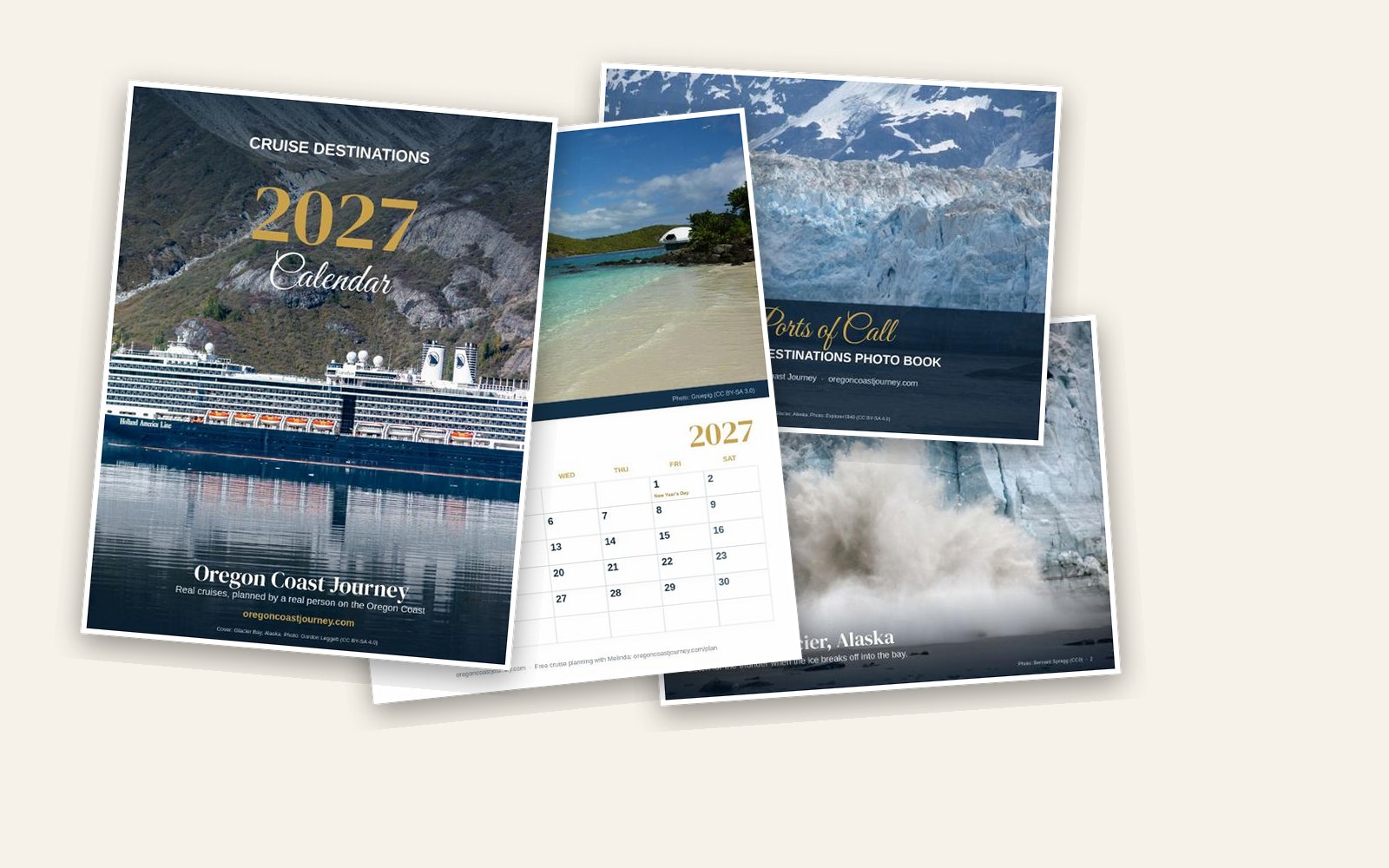
Free printable
A free 2027 cruise calendar for your wall
A real cruise destination for every month, plus a Ports of Call photo book. Print them at home.
Send me the free calendar
Planning your shore days?
Book highly-rated shore excursions and port tours before the best ones sell out.
Find shore excursions on Viator →As a Viator affiliate, I earn a small commission from qualifying bookings — at no extra cost to you.
Cruise Packing Essentials
The little things that make cruising smoother — the gear I recommend to every traveler before they sail.
As an Amazon Associate, I earn from qualifying purchases — at no extra cost to you.


