
Alaska Cruise From Seattle: Routes, Ships, And Travel Tips
This post may contain affiliate links. I may earn a small commission at no extra cost to you.
An Alaska cruise from Seattle gives travelers an easy way to explore the Inside Passage while enjoying the convenience of a round-trip departure. Most itineraries include scenic sailing, port visits, and time at sea, making this cruise vacation suitable for travelers seeking both nature and onboard experiences.
A typical Alaska cruise from Seattle lasts about seven days and visits ports such as Juneau, Skagway, and Ketchikan, with some routes also stopping in Victoria. The cruise line, ship, sailing season, and itinerary shape the experience, from shore excursions and wildlife viewing to dining, entertainment, and relaxing sea days.
Travelers can compare routes, cruise lines, and ships while learning what to pack for changing coastal weather. Time in Seattle and Victoria can also add cultural attractions, local food, and more flexibility before or after the voyage.
Itineraries, Lengths, And Scenic Routes
An Alaska cruise from Seattle typically follows the Inside Passage, combining port visits with scenic cruising. Route length affects the number of stops, glacier-viewing opportunities, and time available for destinations such as Juneau, Skagway, and Ketchikan.
The Classic Seven-Night Round Trip
The standard seven-night itinerary departs from Seattle and returns to the same port. It commonly includes Ketchikan, Juneau, and Skagway, with one or more days devoted to scenic cruising through the Inside Passage.
Ketchikan often provides access to totem parks, fishing culture, and rainforest trails. Juneau offers whale-watching tours, Mendenhall Glacier, and Mount Roberts. Skagway connects with Klondike Gold Rush history and the White Pass & Yukon Route Railway.
Ships usually spend several hours in each port, so passengers should reserve excursions before departure. Large vessels such as Voyager of the Seas may also schedule a full day near a glacier, depending on the sailing date and route.
Longer Nine- To Twelve-Night Voyages
Nine- to twelve-night cruises allow more time for Alaska’s ports and scenic areas. Some itineraries add Icy Strait Point, Sitka, or Victoria, while others include longer visits in Juneau or Skagway.
Longer routes may reach farther north or combine Alaska with British Columbia. They can also provide additional sea days for viewing coastal mountains, waterfalls, wildlife, and narrow channels along the Inside Passage.
Passengers should compare the port schedule rather than choosing only by cruise length. A nine-night sailing with an extra glacier day may offer a different experience from a twelve-night itinerary focused on additional towns. Fares, airfare, and shore-excursion costs also increase with added nights.
Glacier Viewing: Hubbard Glacier, Tracy Arm, And Glacier Bay
Hubbard Glacier is a major scenic highlight on many Alaska itineraries. Its broad face meets Disenchantment Bay, and the ship may approach as conditions, ice, and navigation allow. A viewing day does not guarantee calving activity or clear weather.
Tracy Arm offers a narrow fjord bordered by steep mountains, waterfalls, and floating ice. Some cruise ships use smaller excursion boats to travel deeper into the fjord when the main vessel cannot proceed safely.

Glacier Bay National Park requires special permits and often includes a park ranger who provides commentary from the ship. Because routes vary by sailing, passengers should check whether their Alaska cruise from Seattle visits Glacier Bay, Hubbard Glacier, or Tracy Arm before booking.
Ports And Shore Experiences
An Alaska cruise from Seattle typically combines glacier viewing with port calls in Southeast Alaska and British Columbia. Each stop offers different priorities, from Juneau’s outdoor excursions and Skagway’s Gold Rush history to rainforest wildlife, Indigenous culture, and coastal scenery.
Juneau, Skagway, And The Chilkoot Trail
Juneau provides access to Mendenhall Glacier, whale-watching tours, kayaking, and hiking. Travelers should allow extra time for transportation to Mendenhall Glacier, which lies outside the downtown area. Helicopter tours can land on nearby ice fields, while guided walks offer a less expensive way to experience the landscape.
Skagway preserves its Gold Rush character through restored buildings, museums, and the White Pass & Yukon Route Railway. The train climbs steep terrain toward the Canadian border, with views of waterfalls, mountains, and historic routes. Travelers seeking a more active outing can hike sections of the Chilkoot Trail, but they should choose guided or shorter excursions unless prepared for steep, uneven terrain and changing weather.
Ketchikan And Tongass National Forest
Ketchikan is known for totem poles, salmon, Native Alaskan art, and access to Tongass National Forest, the largest national forest in the United States. Shore excursions may include rainforest walks, wildlife viewing, kayaking, or visits to cultural sites such as the Totem Heritage Center.
The town’s waterfront is compact and easy to explore on foot, with Creek Street offering historic buildings, shops, and salmon-viewing areas during the run season. Travelers should check excursion timing carefully because some forest activities require boat or coach transfers beyond the central port area. Rain is common, so waterproof clothing and shoes provide practical advantages.
Sitka And Icy Strait Point
Sitka combines Russian, Tlingit, and maritime history with forested coastal scenery. Visitors can explore the Sitka National Historical Park, where carved totem poles line wooded trails, and see St. Michael’s Cathedral or the Sheldon Jackson Museum near downtown. Wildlife tours may encounter sea otters, bald eagles, whales, and seals.
Icy Strait Point, near Hoonah, emphasizes Tlingit culture and outdoor activities. Travelers can attend cultural demonstrations, walk through coastal forest, or book whale-watching excursions in nearby waters. The destination also features a zipline and gondola transportation, although availability and operating schedules can vary. Comfortable walking shoes and layered clothing suit both port areas.
Victoria, British Columbia
Victoria often serves as an evening port call, giving travelers limited time to explore. The Inner Harbour, Parliament Buildings, and Royal British Columbia Museum sit within reach of downtown, while Beacon Hill Park offers gardens and waterfront paths.
A short visit can include afternoon tea, harbor sightseeing, or a walk through the historic streets near Government Street. Travelers should confirm the ship’s departure time before booking distant attractions, including Butchart Gardens, because traffic and transfer schedules can reduce available time. During the voyage, passengers may also view Hubbard Glacier from the ship, where ice movement, mountain scenery, and shifting weather shape the experience without requiring a shore landing.
Choosing The Right Cruise Line And Ship
Cruise lines differ in family programming, onboard atmosphere, dining style, cabin design, and port schedules. Travelers should match the ship’s facilities and pace with their group’s ages, budget, and priorities before booking an Alaska cruise from Seattle.

Family-Focused And Activity-Rich Sailings
Large ships suit families who want varied entertainment between Alaska ports. Royal Caribbean’s Voyager of the Seas, for example, offers multiple dining venues, pools, youth programming, sports activities, and evening shows. Families should confirm the ship’s current itinerary and onboard facilities because programs and amenities can change by sailing.
Activity-rich ships work well for multigenerational groups with different interests. Children can use supervised clubs while adults attend shows, relax by the pool, or explore specialty restaurants. Families should compare cabin size, connecting-room availability, childcare policies, and gratuities, since these costs can affect the total fare.
Alaska weather may limit outdoor activities, so indoor entertainment matters. Travelers should also check port times and excursion requirements, particularly if they plan to visit Juneau, Skagway, or Ketchikan with young children.
Premium, Luxury, And Small-Ship Options
Premium and luxury lines emphasize refined dining, attentive service, spacious accommodations, and quieter public areas. They often include more fare components, such as specialty dining, beverages, Wi-Fi, or shore-excursion credits, but travelers should review the inclusions carefully because policies differ.
Small ships can reach less crowded destinations and provide a more intimate setting for scenic cruising. Their lower passenger counts may support flexible excursion groups and easier access to knowledgeable guides. However, they usually offer fewer pools, theaters, children’s facilities, and casual dining choices than large ships.
Travelers should compare the ship’s expedition equipment, naturalist programming, balcony availability, and cancellation terms. A smaller vessel may suit travelers who value scenery and personal service more than extensive onboard entertainment, while premium ships can balance comfort with a broader range of amenities.
Adults-Only Sailings And The Virgin Voyages Experience
An adult cruise vacation may appeal to travelers seeking a child-free environment, late-night entertainment, and dining designed for adults. Virgin Voyages provides an adults-only format for guests aged 18 and older, with a modern design, multiple included restaurants, fitness classes, and entertainment that differs from traditional cruise production shows.
The Virgin Voyages experience uses a more casual, restaurant-focused approach rather than a conventional main dining room and formal-night schedule. Travelers should review the Alaska itinerary carefully, since ship availability, seasonal routes, and port calls may differ from those of larger family-oriented lines.
Adults should also compare cabin layouts, included dining, Wi-Fi policies, drink costs, and onboard activities. Virgin’s atmosphere may suit couples, friends, and solo travelers who prefer flexible dining and contemporary entertainment, but it may not suit guests who want casinos, traditional buffets, extensive children’s programs, or formal evenings.
Life On Board During Sea Days
Sea days give guests time to use the ship’s dining rooms, cafés, lounges, pools, and quieter indoor spaces without rushing toward a port schedule. Meal hours, dress expectations, reservation requirements, and venue locations vary by cruise line and ship, so guests should check the daily program.
Included Dining And Casual Options
The main dining room typically serves breakfast, lunch on selected sea days, and dinner at assigned or flexible seating times. Dinner menus often include several courses, with vegetarian choices and accommodations for common dietary needs when guests notify the cruise line in advance.
The Windjammer offers buffet-style meals and usually provides the broadest selection for casual dining. Guests can find breakfast staples, salads, grilled items, desserts, and international dishes, though seating fills quickly during peak hours.

Café Promenade commonly provides coffee, pastries, sandwiches, pizza, and light snacks throughout much of the day. Room service adds convenience, but delivery fees, menu limits, or late-night charges may apply depending on the cruise line and order.
Specialty Restaurants And Dining Packages
Specialty venues offer more structured meals and generally require reservations or an additional charge. Giovanni’s Table focuses on Italian dishes, while Chops Grille typically serves steaks, seafood, and substantial side dishes in a formal setting.
The Chef’s Table provides a hosted, multi-course meal with wine pairings and explanations of the menu. Because seating is limited, guests should reserve early, particularly on sea days when demand increases.
Specialty dining packages can reduce the cost of visiting several venues, but terms differ. Packages may exclude premium menu items, require reservations, or restrict repeat visits to the same restaurant. Guests should compare the package price with the restaurants they expect to use.
Bars, Lounges, And Relaxation Spaces
The Schooner Bar usually offers nautical décor, cocktails, live piano music, and trivia. An English pub provides beer, casual drinks, and scheduled entertainment, while the R Bar often serves cocktails in a central social area.
Guests seeking quieter settings can use the Viking Crown Lounge or Crown Lounge, although access to the latter may depend on loyalty status or suite eligibility. A suite lounge can provide breakfast, snacks, and drinks for qualified guests.
The Solarium Bar serves adults using the covered pool area, and the pool bar keeps drinks available outdoors. Sea days can make these venues busy, so guests should check opening times and reserve loungers according to ship policies.
Best Time To Sail And What To Pack
An Alaska cruise from Seattle typically offers the best balance of price, weather, and wildlife from May through September. Travelers should compare early- and late-season fares, prepare for changing conditions, and bring documents and clothing suited to cool, wet ports.
May And September for Value and Fewer Crowds
May and September often bring lower fares than peak summer, making them useful periods for travelers seeking cruise deals or limited-time cruise deals. Ships may also feel less crowded, and popular attractions in Juneau, Skagway, and Ketchikan can have shorter lines.
May usually provides increasing daylight and fresh spring scenery, while September brings autumn colors and a greater chance of rain. Temperatures can vary by port, so travelers should check the forecast for Seattle and each scheduled stop before departure.
Early- and late-season sailings may have fewer shore excursions operating than midsummer departures. Travelers should confirm excursion schedules, glacier-viewing plans, and port hours before booking, especially if a specific activity matters to the trip.
Summer Weather, Daylight, And Wildlife
June through August generally offers the warmest conditions and the longest daylight hours. Coastal temperatures often remain cool, with daytime highs commonly ranging from the mid-50s to mid-60s Fahrenheit, while rain and wind can occur at any time.

Long summer days give travelers more time for scenic cruising and shore activities. Whale sightings, bald eagles, bears, and salmon runs depend on location and timing, so wildlife encounters remain possible but never guaranteed.
Travelers should dress in layers: a moisture-wicking base layer, fleece or light insulated jacket, waterproof shell, durable pants, and comfortable walking shoes. A warm hat, gloves, sunglasses, sunscreen, and compact umbrella or rain shell also help during deck viewing and port visits.
Documents, Arrival Timing, And Layering Essentials
U.S. citizens should carry the identification documents listed by the cruise line, such as a passport or an accepted government-issued ID with proof of citizenship. A passport provides greater flexibility if an itinerary changes or an emergency requires international air travel.
Travelers should arrive in Seattle at least one day before sailing when possible. This buffer reduces the risk of missing embarkation because of flight delays, and it gives them time to reach the terminal without rushing.
A practical packing list includes prescription medicines, chargers, a refillable water bottle, binoculars, waterproof luggage tags, and a small day bag. The day bag should hold identification, medications, a camera, a light layer, and rain protection during shore excursions.
Planning Time In Seattle And Victoria
A well-planned stay adds major sights without creating stressful transfers. Seattle suits a pre-cruise visit, while Victoria works well as a post-cruise extension with historic sites, gardens, and waterfront activities.
Seattle Pre-Cruise Sights And Neighborhoods
Most cruise passengers should allow at least one full day in Seattle before sailing. The Space Needle and nearby Chihuly Garden and Glass provide central attractions, while Olympic Sculpture Park offers waterfront paths within walking distance of Pike Place Market. Staying downtown keeps these sights, restaurants, and the cruise terminals relatively accessible.
For more outdoor space, Discovery Park has wooded trails, beaches, and views across Puget Sound, though reaching it requires a longer taxi or transit ride. Gas Works Park overlooks Lake Union and the Seattle skyline. The Hiram M. Chittenden Locks and Carl S. English Jr. Botanical Gardens show how the city manages ship traffic between Lake Washington and Puget Sound; visitors should check lock schedules and allow extra travel time.
Post-Cruise Extensions And Victoria Highlights
A post-cruise stay in Victoria gives travelers time to explore beyond the city’s compact Inner Harbour. Craigdarroch Castle displays Victorian architecture and period interiors, while the Royal BC Museum covers British Columbia’s natural and cultural history. Advance tickets can help during peak summer periods.
Cyclists can follow sections of the Galloping Goose Regional Trail, which connects Victoria with suburban communities and rural landscapes. Travelers seeking gardens may add Butchart Gardens, located outside central Victoria and best reached by tour, shuttle, or rental car. The Inner Harbour, Parliament Buildings, and nearby waterfront paths remain convenient for travelers with limited time before a flight or onward ferry.
Frequently Asked Questions
Seattle departures commonly follow 7-day Inside Passage routes with stops such as Juneau, Skagway, and Ketchikan. Prices, weather, cabin value, and cruise availability vary by travel month, cruise line, ship, and itinerary.

What is the best cruise line for an Alaska itinerary departing from Seattle?
The best cruise line depends on the traveler’s priorities. Holland America Line and Princess Cruises emphasize Alaska-focused programming, naturalist presentations, and traditional service. Royal Caribbean and Norwegian Cruise Line often provide larger ships, more entertainment, and flexible dining.
Carnival Cruise Line can offer competitive fares and a casual atmosphere. Travelers should compare the exact itinerary, ship age, port times, included amenities, and Seattle terminal before booking.
How much does a 7-day Alaska cruise typically cost?
A 7-day Alaska cruise from Seattle commonly costs about $700 to $2,500 per person for an interior or ocean-view cabin, based on double occupancy. Balcony cabins often cost $1,200 to $4,000 or more per person, depending on demand and sailing date.
Taxes, port fees, gratuities, airfare, excursions, drinks, Wi-Fi, and specialty dining can increase the final price. July and early August typically command higher fares than May, September, and some early June departures.
What is the best month to take an Alaska cruise from Seattle?
July usually offers the warmest conditions and long daylight hours, but it also brings higher prices and heavier demand. June provides long days, generally favorable weather, and strong opportunities for scenic viewing.
September can offer lower fares and fewer crowds, although rainfall increases and some seasonal attractions operate on reduced schedules. Travelers seeking the best balance of weather and price often consider late May, June, or early September.
Is a balcony cabin worth the extra cost for an Alaska cruise?
A balcony can provide convenient private viewing of glaciers, mountains, and wildlife without requiring a trip to a public deck. It also gives travelers a quieter place to spend time during scenic cruising.
The added cost may not suit every budget, particularly when the ship offers spacious observation areas. Travelers who prioritize privacy, plan to spend substantial time in the cabin, or want easier access to outdoor views may find the upgrade worthwhile.
Which ports are typically included on a 7-day Alaska cruise from Seattle?
Many 7-day itineraries visit Juneau, Skagway, and Ketchikan, with scenic cruising through the Inside Passage. Some routes also include Victoria, British Columbia, usually during an evening call.
Itineraries may replace one port with Sitka or add a glacier-viewing stop such as Endicott Arm, Dawes Glacier, or Tracy Arm Fjord. The exact route depends on the cruise line, ship, sailing date, and port conditions.
How long is the cruise season for Alaska departures from Seattle?
The main Seattle-to-Alaska cruise season generally runs from late April or early May through September. A smaller number of sailings operate in late April and October, depending on the cruise line and ship schedule.
The busiest period usually falls between June and August. Early- and late-season cruises can offer lower fares, but travelers should expect cooler temperatures, shorter daylight hours, and a greater chance of rain.
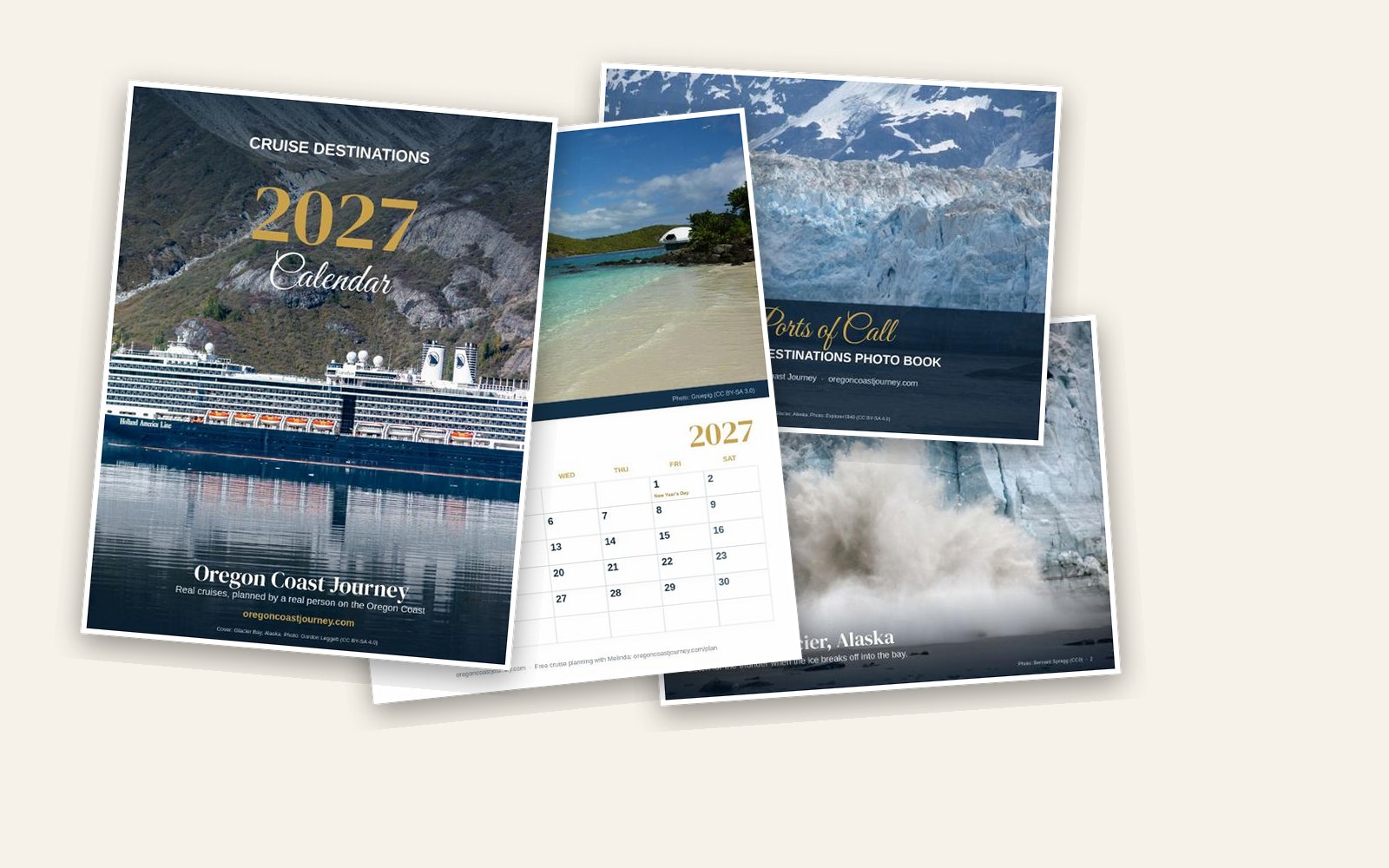
Free printable
A free 2027 cruise calendar for your wall
A real cruise destination for every month, plus a Ports of Call photo book. Print them at home.
Send me the free calendar
Alaska Shore Excursions & Tours
Planning your shore days?
Book highly-rated shore excursions and port tours before the best ones sell out.
Find shore excursions on Viator →As a Viator affiliate, I earn a small commission from qualifying bookings — at no extra cost to you.
Cruise Packing Essentials
The little things that make cruising smoother — the gear I recommend to every traveler before they sail.
As an Amazon Associate, I earn from qualifying purchases — at no extra cost to you.


