How to Make a Social Story for a Cruise (a Picture Story Your Child Will Actually Use)
This post may contain affiliate links. I may earn a small commission at no extra cost to you.
The quick answer
Yes, your family can cruise. A social story for a cruise is a short picture book (about 10 to 15 pages) that shows your child what happens in order: packing, boarding, the safety drill, the cabin, the dining room, the ship horn and the quiet place to go when it feels like too much. Start from a free cruise line booklet or make your own with real photos, and read it in short, calm sessions for a few weeks before you sail.
Will my child be able to handle a ship full of noise, crowds and surprises? I get it. That question keeps a lot of parents from even looking at a cruise.
I'm a mom of three boys with their own special needs and sensory needs. So I know the worry is real, and I also know that a good plan changes how a trip feels. One of the best small plans is a picture story.
This guide covers what a cruise picture story is, which cruise lines hand you a free one, the exact pages to include, wording that stays calm, and how to read it so it helps instead of adding worry. The goal is a trip that feels calm, and maybe even fun.
What is a social story for a cruise?
It's a short guide, written and pictured, that walks your child through an event before it happens. It says what will happen, what it might look like and sound like, and what choices your child has. Royal Caribbean describes social stories as short, descriptive narratives that explain situations in a simple, reassuring way.
You may also hear “visual story,” “picture story” or “social narrative.” For cruising, they all mean about the same thing: a preview your child can look at as many times as they want.
The original Social Stories method was created by Carol Gray, and it has formal criteria. The University of Bath's guidance notes that Social Stories follow a specific set of criteria outlined by Carol Gray. You don't need to follow every formal rule to make a helpful family picture story. A few of her ideas are worth borrowing, and I'll share them below.
Who it helps most
Kids who get overwhelmed by noise and crowds. Kids who feel better when they know the order of the day. Kids who worry about changes, and kids who just like to know what's next. Honestly, it helps almost every first-time cruise kid. It helps parents too, because writing it forces you to picture the whole trip.
Which cruise lines offer a free social story?
Several do, and it's a great place to start. Use theirs as it is, or borrow the page order and swap in your own photos. These details are current as of November 2026, but file names and links change, so check the line's own page.
| Cruise line | What they offer | Good to know |
|---|---|---|
| Royal Caribbean | “All Aboard My Cruise” social stories | Download from their page. Separate versions are listed for Oasis class and Icon class ships. |
| Celebrity Cruises | A downloadable Social Story Booklet about cruising | Find it on Celebrity's accessibility page |
| Disney Cruise Line | “My Disney Cruise Adventure,” a free 30-page printable booklet | Covers the arrival and boarding process, the mandatory guest assembly and highlights of the onboard experience |
| Carnival | Sensory inclusive certification through KultureCity, with trained guest-facing crew | Details on Carnival's accessibility page, which also explains what social stories are for |
Royal Caribbean splits its stories by ship class, which is handy. If your ship is in one of those classes, the pictures your child studies at home will look like the ship they board.
Melinda's tip
Download the cruise line's story first, even if you plan to make your own. Read it and notice which pages your child leans in toward and which they skip. Then build your custom version around those. To compare lines and their services, my guide to the best cruise lines for special needs and sensory needs breaks it down.
The 12 pages to include in your cruise picture story
Keep one idea per page. Put a picture first, then one or two short sentences. Here's the order I'd use. Trim it if your child needs fewer pages.
| Page | Picture | Calm sample sentence |
|---|---|---|
| 1. We are going on a cruise | Your family or a ship photo | “Our family is going on a big boat vacation.” |
| 2. Getting there | Car, plane or your drive | “We will ride in the car to the ship.” |
| 3. The cruise terminal | A terminal photo | “There will be a line. We will wait together.” |
| 4. Boarding the ship | The ship entrance | “We will walk onto the ship. Mom or Dad will be with me.” |
| 5. Our cabin | A cabin photo | “This is our room. It has beds and a bathroom.” |
| 6. The safety drill | People in life jackets | “We will go to a spot on the ship to learn about safety.” |
| 7. The ship horn | A ship photo | “The ship horn is loud. I can use my headphones.” |
| 8. Eating on the ship | Dining room and buffet | “We can choose food I like.” |
| 9. Things to do | Pool, kids club, deck | “I can pick one fun thing each day.” |
| 10. The quiet place | Cabin or a quiet deck | “If it feels like too much, we can go to our quiet place.” |
| 11. Ports and days at sea | Your actual ports | “Some days we visit a town. Some days we stay on the ship.” |
| 12. Going home | The ship at the dock and home | “When the trip is over, we go home.” |
The ship horn page matters more than people think, because it's the one that catches families by surprise. I wrote a full plan in Cruise Ship Horn Kids: A Calm Plan for the Loudest Moment on Board, and the picture story is a good place to show it.
The boarding and safety drill pages should match what really happens. My guide to boarding day and the muster drill walks through it step by step, so your pictures and words are accurate.
Want me to help you pick the right ship?
The right line and the right cabin make a picture story so much easier to write, because you'll know exactly what your child will see. My help is always free to you. The cruise lines pay me, so you never do. I can also look for perks, which vary by sailing and aren't guaranteed. No cost. No pressure.
Plan my cruise for free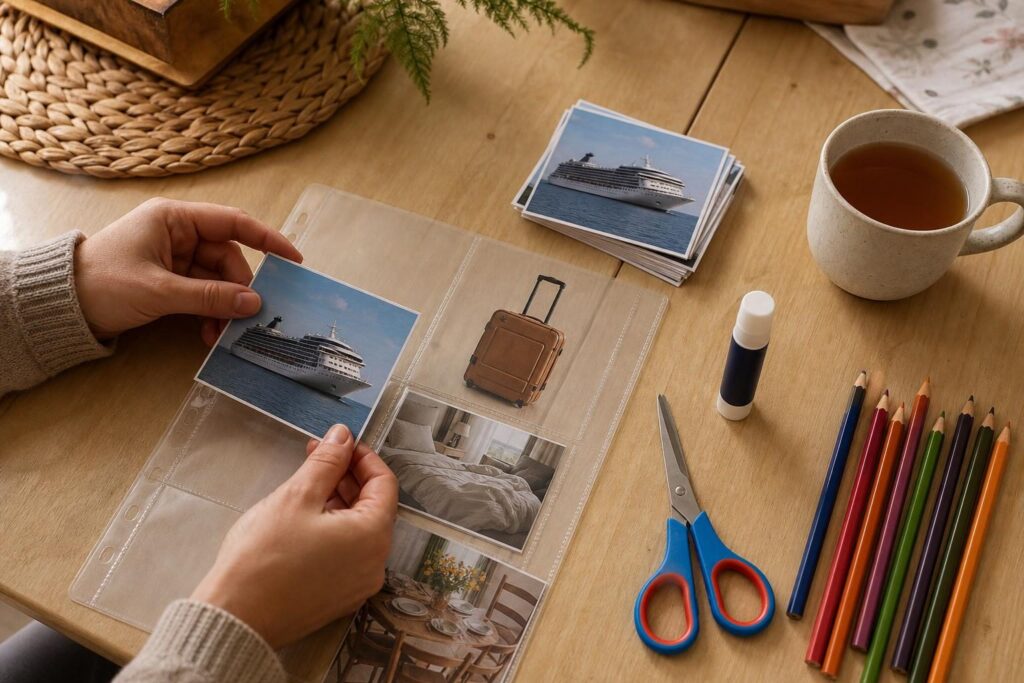
How to write the words so they stay calm
The words matter as much as the pictures. A story that sounds like a list of orders can add stress. A story that describes and reassures can lower it.
Describe more than you direct
Carol Gray's approach leans toward telling a child what is happening and how others feel, far more than telling them what to do. If every page is an instruction, it starts to feel like a rulebook.
So instead of “Do not run away at the pool,” try “The pool is busy and has lots of kids. Grown ups walk near the water. I stay close to my family.” That's one gentle direction wrapped in kind, true description.
Keep it short and a little below their level
Short sentences, familiar words. A cruise ship already has plenty of big words (muster, tender, embarkation). Use “safety drill,” “small boat to shore,” and “getting on the ship.”
Be honest about the loud parts
Don't hide the horn, the crowd at boarding or the big dining room. Name them, then show the plan. If you skip them, your child may feel tricked when it happens. A calm line like “The ship horn is loud and fast. My headphones help” does a lot of work.
Add choices
Choices give kids some control. “I can pick pizza or pasta.” “I can watch the show or rest in our room.” Offer two options, not a long menu.
Melinda's tip
Never promise something the ship can't deliver. If the story says “the pool will be empty” and it isn't, trust takes a hit. Use words like “sometimes,” “usually” and “might.” You can also write “if it is too loud, we can leave,” because that's a promise you control.
Where to get the pictures and what to make it with
Real photos of the actual ship and cabin type tend to work best, because what your child sees at home matches what they'll see on board. Here are the places I'd pull from.
- The cruise line's own website, which shows the ship, dining rooms, pools and cabin types.
- Your own photos of your home, car and suitcase, which anchor the first pages in something familiar.
- Pictures of your ports, from each port's official tourism site or the cruise line's itinerary page.
- Simple drawings or symbol cards, if photos feel like too much for your child.
For Alaska families, my guide to Alaska ports for kids who need calm shows what each stop is like, which makes the ports page easier to write.
What to make it with
Keep it simple. Slides in a free presentation app work. A photo book works. So does a small binder with laminated cards. Many families like a spiral-bound book because little hands can flip it without tearing pages. If you like printing at home, a small laminator with pouches makes pages sturdy enough to survive the car, the plane and the cabin.
Look for one that heats up fast and handles standard letter pages. Skip anything with a long warm-up, since you'll be doing this in one evening.
If your family likes matching shirts for the trip, my shop has cruise shirts with free name personalization. A “we all wear our cruise shirts” page can be a fun one to add.

When and how to read it with your child
How you read it matters as much as the book. A great story read at a bad time can backfire.
Start a few weeks before
Many families start reading a few weeks out, a few times a week, then more often in the last week. You know your child's pace. If they need more time with each page, go slower and start earlier.
Choose a calm moment
Read it when your child is relaxed and fed, not rushed or already overwhelmed. A quiet spot on the sofa after dinner beats the car ride to school.
Keep each session short
Five minutes is plenty. Let your child lead. If they want to stay on the ship page for ten minutes, great. If they flip fast, that's fine too. Stop before they're tired of it.
Let your child add to it
Let them draw a picture or pick a sticker. Letting them choose which page goes last works too. Ownership turns the story from “something Mom made” into “my cruise book.” Some families also let kids cross off pages as they happen on the trip.
Take it with you
Pack it. The story doesn't stop working at the cruise terminal. On boarding day, the page about lines and waiting is handy to open. At the first loud announcement, the horn page is right there.
Watch out
Don't read the story for the first time on the way to the ship. That's too late for it to feel familiar. And if one page seems to raise worry, set that page aside and come back to it later, or ask your child's teacher or therapist how to reword it.
Pair the story with a real plan
A picture story gets your child ready. A real plan gets your family ready. They work best together, and your story should match what you actually set up.
Here are the things worth arranging, and each one can become a page in your book.
- A quieter cabin. Location matters. My guide to the quietest cabin on a cruise ship explains what to look for.
- A quiet spot. Scout the calm corners of the ship ahead of time. Quiet places on a cruise ship lists the kinds of spots to look for.
- Telling the cruise line early. Deadlines vary by line. Disney asks that you contact its Special Services team at least 60 days before sailing with questions about the guest assembly drill and other needs. Carnival tells families to meet with Guest Services once on board to discuss accommodations, including a private safety briefing, and it may not be able to meet every request, so ask early and ask clearly.
- A first-night plan. Keep day one slow. Eat somewhere quiet, spend time in your cabin, and save big activities for day two.
If you're sailing from the Pacific Northwest, my sensory-friendly Alaska cruise from Seattle guide shows how leaving from Seattle skips the airport, which is one less page for the story.
For the full planning walk-through, start with your first cruise with a child with sensory needs, and see my sensory-friendly cruises page for the free Sensory Cruise Prep Pack.
Your questions, answered
What is a social story for a cruise?
It's a short picture-and-words guide that walks your child through the trip in order, from packing to boarding to the first night on the ship. It describes what will happen and what it might sound and feel like, in calm, simple language. Think of it as a preview so nothing is a surprise.
Do cruise lines give you a free social story?
Some do. As of November 2026, Royal Caribbean offers downloadable “All Aboard My Cruise” social stories for its Oasis and Icon class ships, Celebrity offers a downloadable Social Story Booklet, and Disney offers a free 30-page “My Disney Cruise Adventure” booklet. Check each line's accessibility page for the current version, since files and names change.
How long should a cruise picture story be?
Most families do well with 10 to 15 pages, with one idea and one picture per page. Shorter is fine, and a younger child may do better with 6 to 8 pages. You can always add pages later, and you can make a short “first night” version for days when your child is tired.
When should I start reading the story to my child?
A few weeks before you sail is a good starting point, in short calm sessions of a few minutes. Many families read it a couple of times a week, then daily in the last week. You know your child's pace best, so go slower if they need more time with each page.
Should I use real photos or drawings?
Real photos of the actual ship, cabin and ports usually help most because the pictures match what your child will see. Cruise line websites and your own cabin or port research are good sources for pictures. If photos feel like too much, simple drawings or symbol cards can work well, so follow what your child responds to.
What if the story makes my child more worried?
Pause and take out the page that caused the worry, or slow down and look at it together at a calmer time. Keep the tone matter-of-fact, never scary. If worry stays high, it's worth talking with your child's teacher or therapist about how to adjust the story.
A last note from one mom to another
You don't need a perfect book. A messy one with five photos and a few kind sentences still does the job, because what your child needs most is to feel that someone thought of them first.
If you want help choosing a ship, a cabin and a sailing that fits your family, I'm happy to look. A trip can feel calm when the plan is built around your child.
Ready to build a cruise your family can enjoy?
Tell me about your family and I'll price out options with quieter cabin choices and sensory-friendly services in mind. My help is always free to you. The cruise lines pay me, so you never do. No cost. No pressure.
Plan my cruise for freeSources I checked
- Royal Caribbean: Autism Friendly Ships (All Aboard My Cruise social stories)
- Celebrity Cruises: Autism Friendly Ships (Cruising Social Story booklet)
- Carnival Cruise Line: Guests With Disabilities (sensory inclusive services)
- Carnival Cruise Line: Special Needs FAQs
- Disney Cruise Line: Information for Guests (My Disney Cruise Adventure booklet)
- University of Bath: Guidance for writing and delivering Social Stories
- Vanderbilt Kennedy Center: How to Write a Social Story tip sheet
Planning a cruise with a kid who gets overwhelmed?
I made a free Sensory Cruise Prep Pack for families with special needs and sensory needs. It has a picture story about the ship and a visual schedule you can print at home, so day one feels a little more familiar.
Free printable
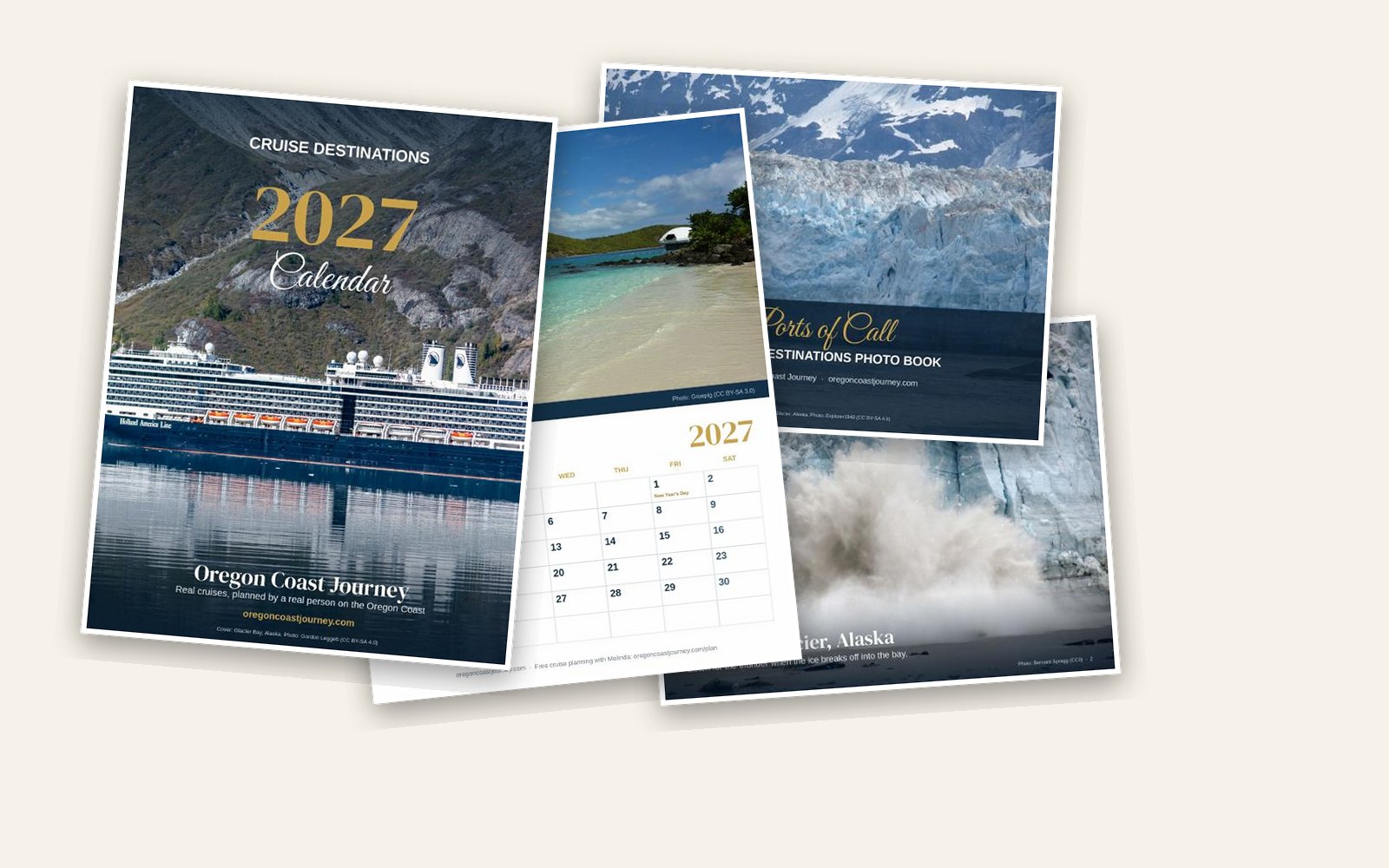
A free 2027 cruise calendar for your wall
A real cruise destination for every month, plus a Ports of Call photo book. Print them at home.
Send me the free calendarPlanning your shore days?
Book highly-rated shore excursions and port tours before the best ones sell out.
Find shore excursions on Viator →As a Viator affiliate, I earn a small commission from qualifying bookings, at no extra cost to you.
Cruise Packing Essentials
The little things that make cruising smoother: the gear I recommend to every traveler before they sail.
As an Amazon Associate, I earn from qualifying purchases, at no extra cost to you.