Cruise Weddings: A Guide to Planning Your Dream Ceremony
This post may contain affiliate links. I may earn a small commission at no extra cost to you.
Cruise weddings combine a ceremony, reception, destination wedding, and honeymoon in one planned voyage. Couples can exchange vows on a cruise ship, in port, or at a shore venue while enjoying ocean views and traveling with their guests.
A cruise wedding can simplify travel and event planning, but couples must compare legal requirements, package costs, ceremony settings, and guest logistics before booking. Cruise lines offer different options for symbolic or legally recognized ceremonies, along with add-ons such as photography, flowers, dining, and onboard events.
The right sailing celebration depends on the couple’s priorities, budget, guest list, and timeline. The following guide explains how to compare cruise wedding packages and decide whether wedding cruises fit the couple’s plans.
Choose Your Ceremony Setting
The ceremony location affects the guest list, schedule, legal requirements, and available scenery. Couples can marry before departure, during the voyage, or at a port destination such as Ocean Cay MSC Marine Reserve.
Onboard Before Embarkation
An onboard ceremony before embarkation suits couples who want a ship wedding without holding the event at sea. The cruise line may schedule the wedding venue while the ship remains in port, allowing additional guests to attend without booking the full cruise.
This option usually provides access to ship restaurants, lounges, dining rooms, or designated ceremony spaces. The couple should confirm the boarding time, guest identification rules, photography access, decorations, meal arrangements, and weather backup plan. A port-day ceremony can also simplify scheduling because the ship remains stationary.
Couples should ask whether the ceremony can occur before all cruise passengers board and how long guests may stay onboard. This setting works well for an intimate wedding or a larger event with local wedding guests.
Wedding at Sea
A wedding at sea takes place while the ship sails between destinations. The cruise line may offer a dedicated wedding venue, an outdoor deck, or an indoor room with ocean views. The ship’s captain or an authorized officiant may conduct the wedding ceremony, depending on the cruise line and applicable maritime law.
Couples should review the legal status of the ceremony, required documents, processing deadlines, and nationality restrictions before booking. They should also choose a backup location because wind, rain, or rough seas can affect outdoor plans.
A ship wedding at sea generally limits attendance to booked passengers. That arrangement creates a private setting but requires wedding guests to pay for the cruise, travel, and related expenses. The couple should reserve ceremony and reception times early, especially for popular sailing dates.
Port Wedding or Private-Island Celebration
A port wedding gives the couple access to a destination wedding setting without arranging a separate land-based trip. The ceremony may take place at a beach, historic site, resort, garden, or local wedding venue, followed by a return to the ship before departure.
Private islands can offer controlled event spaces and simpler logistics. At Ocean Cay MSC Marine Reserve, for example, couples may use a wedding pavilion or another designated location, subject to the cruise line’s availability, package rules, and weather policies.
The couple should verify transportation times, accessibility, local marriage laws, vendor restrictions, and the ship’s all-aboard deadline. Port celebrations can suit an intimate wedding, but wedding guests need clear instructions about meeting points, walking distances, required identification, and the time reserved for returning to the ship.
Understand Legal and Symbolic Ceremony Options
A cruise wedding may create a legal marriage, or it may provide a symbolic ceremony after the couple completes the legal process elsewhere. Ship registry, ceremony location, cruise-line policy, and local marriage-license rules determine which option applies.
Marriage License Rules by Ship Registry and Port
Marriage requirements depend on where the ceremony occurs, not simply where the ship departs. A wedding at sea may follow the law of the ship’s registry, while a port wedding generally follows the laws of the country or territory hosting the ceremony.

Cruise lines set different policies. Princess Cruises may offer ceremonies at sea through an authorized captain on eligible ships and itineraries. Royal Caribbean, MSC Cruises, and Carnival Cruise typically provide specific requirements for onboard or port ceremonies, including deadlines, identity documents, fees, and restrictions based on itinerary.
Couples should confirm whether the cruise line obtains the marriage license or requires them to secure it independently. They may need passports, birth certificates, divorce decrees, certified translations, or apostilles. Processing times also vary, so the couple should verify requirements with the cruise line and the relevant civil authority before booking.
When a Symbolic Wedding Makes Sense
A symbolic wedding suits couples who want a ceremony onboard without relying on the cruise itinerary for legal validity. They can complete the marriage-license process in their home jurisdiction before sailing, then exchange vows during a cruise ship wedding or port celebration.
This option often reduces paperwork and avoids problems caused by changing ports, limited government-office hours, or unfamiliar local requirements. It also allows the couple to choose a preferred date, location, officiant, and ceremony style without needing the event to satisfy civil-law rules.
The ceremony can include personal vows, rings, readings, cultural traditions, and a first dance. The officiant should clearly explain that the event has symbolic status if the couple already holds a valid marriage license. Couples should also confirm whether their cruise line permits outside officiants, photography vendors, or private ceremony items.
Captain, Officiant, and Local Authority Roles
A ship’s captain may perform a legally recognized ceremony only when the ship’s registry and applicable law authorize that role. The captain’s authority does not automatically apply in every country, on every ship, or during every sailing.
A cruise-line officiant may conduct a symbolic ceremony or, where permitted, support a legal marriage arranged through the cruise line. The couple should ask who signs the marriage documents, who submits them to the civil authority, and when they will receive the marriage certificate.
For a port wedding, a local civil official or authorized celebrant may handle the legal ceremony under local law. The cruise line may coordinate transportation and scheduling, but the couple remains responsible for meeting document requirements unless the package states otherwise.
Compare Cruise Lines and Wedding Packages
Cruise wedding packages differ in ceremony location, guest capacity, reception services, photography, officiant arrangements, and port requirements. Couples should compare package inclusions carefully, especially when choosing between an onboard ceremony, a destination celebration, or a vow renewal.
Royal Caribbean Package Options
Royal Caribbean offers several cruise wedding packages through its wedding program. The Forever Yours Package generally focuses on the ceremony, with services such as an officiant, floral arrangements, music, a cake, and a sparkling wine toast. Exact inclusions and pricing vary by ship, sailing, and destination.
The The Knot at Sea Package typically adds planning support and reception-related services for couples who want a more organized onboard event. The The Love Sets Sail Package may suit larger celebrations that require additional ceremony, dining, or entertainment options. Couples should confirm whether the package includes a legal marriage, symbolic ceremony, or only coordination services.
Royal Caribbean may require documents before sailing, and legal requirements depend on the location where the ship registers or the ceremony occurs. Couples should also check guest limits, photographer access, private venues, and whether the reception uses a set menu or a customized arrangement.
Princess Cruises Ceremony and Reception Inclusions
Princess Cruises offers wedding packages designed for ceremonies at sea, in port, and at selected destinations. Typical inclusions can include a wedding coordinator, officiant, floral bouquet and boutonniere, ceremony music, a cake, sparkling wine, photography, and a keepsake certificate.
Reception options may include a private luncheon, cocktail gathering, or dinner arrangement, depending on the ship and package selected. Couples should review the number of included guests, seating arrangements, menu choices, and costs for additional attendees before booking.

Princess Cruises can provide an onboard ceremony while the ship sails, but the legal status depends on the ship’s registry and applicable rules. A symbolic ceremony may offer simpler planning when legal paperwork would create extra requirements. Couples should confirm document deadlines, venue availability, photography hours, and whether a port ceremony requires transportation or local permits.
MSC Cruises Symbolic Celebrations
MSC Cruises provides wedding and vow renewal options for couples who want a ceremony during a cruise. Symbolic celebrations can include an officiant or ceremony host, floral arrangements, music, a cake, sparkling wine, photography, and a commemorative certificate. The exact combination depends on the ship, itinerary, and selected package.
Ocean Cay MSC Marine Reserve offers a distinctive setting for eligible MSC Cruises celebrations. Couples may choose a beach ceremony or another private area, subject to weather, port schedules, local rules, and availability. They should ask whether transportation, chairs, decorations, photography, and reception food appear in the quoted price or cost extra.
Because symbolic ceremonies do not create a legal marriage, the couple must complete legal formalities separately if they want legal recognition. MSC Cruises may also offer vow renewals, which generally require less documentation than a legal wedding. Couples should verify guest limits, accessibility, timing, and cancellation policies.
Carnival Cruise Celebrations and Vow Renewals
Carnival Cruise weddings can include ceremonies at sea, in port, or at selected destinations, with packages arranged through Carnival’s wedding services. Common inclusions may include a ceremony coordinator, officiant or ceremony host, flowers, music, cake, sparkling wine, photography, and a certificate for symbolic events.
Reception choices can range from a small cake-and-toast gathering to a larger meal or private event. Couples should compare venue fees, food and beverage minimums, guest charges, photography packages, and costs for customized decorations. Carnival may limit ceremony times because of embarkation, port calls, and ship operations.
Carnival also offers vow renewal celebrations for married couples. These events usually avoid the legal paperwork required for a wedding and can include personalized vows, floral arrangements, music, cake, and photographs. Couples should confirm whether the selected package applies to a specific ship, port, or sailing and whether non-sailing guests may attend.
Evaluate Package Inclusions, Add-Ons, and Total Costs
Cruise wedding packages can combine ceremony services, reception items, dining, and coordination, but important details often carry separate fees. Couples should compare the written inclusions, guest expenses, cancellation terms, and service charges before selecting a package.
Core Ceremony and Reception Inclusions
A basic package may include the ceremony venue, an onboard wedding coordinator, officiant services, a bridal bouquet, boutonnières, recorded music, and a standard photography session. Couples should confirm the number of floral arrangements, photographs, ceremony duration, seating setup, and whether the package covers legal paperwork or only a symbolic ceremony.
The coordinator should explain venue availability, embarkation requirements, guest check-in, and the schedule for the wedding party. Some cruise lines hold ceremonies in lounges, theaters, or outdoor areas, while others offer port-side ceremonies. Couples should ask whether weather changes, late-arriving guests, or a missed port create additional charges.
Reception inclusions can vary from a short cake-and-toast gathering to a full dining event. The contract should identify the room, event length, menu, linens, centerpieces, staff, music, and any minimum spending requirement.
Dining, Toasts, and Wedding Cake
A wedding cake may include a fixed number of servings, standard flavors, simple decoration, and a cutting service. Custom designs, specialty fillings, additional tiers, fondant, dietary accommodations, and extra servings often cost more. Couples should confirm whether the cake serves the entire wedding party or only the number listed in the package.
A champagne toast or sparkling wine toast may cover one glass per guest, while additional pours require payment by the bottle or person. The package should specify the beverage brand, nonalcoholic alternative, service time, and applicable gratuity.
A reception may use a standard buffet or set menu rather than a specialty restaurant. Couples who want a private dining experience should check the specialty dining reservation policy, venue fee, minimum guest count, and cancellation rules. They should also ask whether guests pay separately for upgraded meals, beverages, or a romantic dinner after the event.
Romance and Wellness Extras
Cruise lines often sell optional enhancements for the couple, including welcome cocktails, breakfast in bed, stateroom gifts, rose arrangements, private photos, and a romantic dinner. These items can improve the experience but may have delivery windows, limited menus, and cabin restrictions. The couple should verify whether each charge applies once or per person.

Wellness add-ons may include a couples massage, hair styling, makeup, manicure services, or other salon services. Salon appointments can fill quickly on sea days, so the couple should reserve them after confirming the ceremony schedule. They should also ask whether trials, extensions, specialty products, or touch-ups cost extra.
A package may include basic flowers but exclude upgrades such as a larger bridal bouquet, specific blooms, extra boutonnieres, or ceremony décor. The couple should request itemized prices for every enhancement and identify which services the onboard wedding coordinator can arrange directly.
Cruise Fare, Guest Costs, and Service Charges
The wedding package represents only part of the budget. The couple should calculate cruise fare, taxes, port fees, gratuities, transportation, hotel nights, travel insurance, and attire shipment for themselves and the wedding party. Guests may also pay for airfare, shore excursions, drink packages, specialty dining, internet, and salon services.
Service charges can apply to photography, food and beverage, room service, spa treatments, and private events. The contract should state whether gratuities are included or added automatically. Couples should also review payment deadlines, deposit rules, refund policies, and charges for canceled services or itinerary changes.
A written cost worksheet helps separate couple-paid expenses from guest-paid expenses:
- Ceremony and reception package
- Cruise fare and port fees
- Dining and beverage upgrades
- Photography, flowers, and salon services
- Gratuities, taxes, and transportation
Plan Guests, Timeline, and Onboard Events
A successful cruise wedding depends on accurate guest planning, coordinated scheduling, and events that fit the ship’s itinerary. Couples should confirm costs, reservations, transportation needs, and attendance expectations before guests make firm travel arrangements.
Set a Realistic Guest List and Group Booking Plan
The couple should build the guest list around the ship, sailing date, cabin availability, and total cruise fare. They should separate essential guests from optional invitees and provide a clear deadline for deposits, final payments, passports, and travel documents.
A group booking can help organize cabin assignments and may provide access to group rates or onboard credits, depending on the cruise line. The couple should ask how the cruise line handles canceled cabins, fare changes, taxes, port fees, and guests who book independently.
The wedding party may need cabins near the couple, especially if members will help with attire, documents, or ceremony logistics. A shared guest spreadsheet should track cabin numbers, dining preferences, mobility requirements, arrival plans, and emergency contacts without storing unnecessary personal information.
Work With a Wedding Planner and Coordinator
A cruise wedding planner can help the couple compare cruise wedding packages, ceremony locations, vendor options, photography services, flowers, music, and reception menus. The couple should request a written list of included services, upgrade prices, deadlines, and cancellation terms before signing.
The onboard wedding coordinator manages ship-based details such as venue access, the ceremony setup, food service, entertainment, and timing with the ship’s operations team. The coordinator may not handle every shore-side task, so the couple should confirm who manages licenses, local officiants, transportation, and port requirements.
The couple should schedule planning calls before departure and provide a concise event brief. It should include the final guest count, wedding party roles, accessibility needs, music choices, vows, pronunciation notes, and contact details for the designated decision-maker.
Schedule the Celebration Around the Itinerary
The ceremony and reception should not compete with embarkation, safety drills, port departures, or high-demand shore excursions. The couple should choose a time that gives guests enough time to board, collect attire, attend the ceremony, and reach the next scheduled activity without rushing.
A detailed timeline should include setup, photography, guest arrival, the ceremony, refreshments, meal service, speeches, dancing, and cleanup. It should also allow time for delays caused by weather, port clearance, elevators, or ship movement.

The couple should reserve specialty dining well in advance if they plan a private meal or rehearsal dinner. Welcome cocktails can take place after boarding, while a larger reception may follow the ceremony in a reserved lounge or dining space. The onboard wedding coordinator should confirm venue capacity, noise limits, and backup locations.
Create a Wedding-Week Experience
A planned wedding-week schedule helps guests participate without making every activity mandatory. The couple can offer welcome cocktails, a casual meetup, a group shore excursion, a rehearsal gathering, the ceremony, and a farewell breakfast.
Each invitation or digital itinerary should show the event time, venue, dress code, reservation requirements, and expected costs. Guests should know which activities the cruise fare covers and which require separate payment, such as specialty dining, excursions, spa services, or upgraded entertainment.
The couple should leave unstructured time for guests to enjoy the ship independently. They can also appoint a trusted wedding-party member to share updates, answer routine questions, and direct guests to venues when the couple and coordinator are occupied.
Decide Whether a Sailing Celebration Is the Right Fit
A cruise wedding combines the ceremony, reception, travel, and honeymoon in one scheduled experience. The decision depends on guest mobility, sailing dates, port requirements, privacy preferences, and whether the couple wants a legal, symbolic, or informal celebration.
Benefits of Combining the Wedding and Honeymoon
A cruise wedding can simplify planning by placing lodging, meals, transportation between ports, and entertainment within one reservation. Couples can hold the ceremony on board, at a port destination, or through a combination of both, then continue directly into their honeymoon.
Wedding cruises also give guests a shared travel experience without requiring separate destination wedding arrangements. Ocean views, scheduled activities, restaurants, pools, and shore excursions provide options beyond the ceremony and reception.
Cruise lines often offer packages that include event coordination, flowers, photography, music, and cake. Couples should compare package limits, service fees, private venue availability, and dining arrangements before booking.
Potential Constraints for Guests and Logistics
A cruise requires guests to commit to specific sailing dates, deposits, travel documents, and often several nights away from home. Older relatives, young children, guests with disabilities, and anyone prone to seasickness may face additional challenges.
Port schedules can also limit the ceremony window. A delayed ship, weather disruption, or missed connection may affect a wedding at sea or a port-based event. Couples should confirm backup spaces, cancellation terms, accessibility, medical facilities, and transportation between the airport, hotel, and ship.
Legal requirements vary by ship registry and destination. A symbolic wedding may offer simpler planning, while a legally recognized ceremony may require advance paperwork, local officials, certified documents, and a separate civil ceremony at home.
Best Fits for Elopements, Intimate Events, and Renewals
Cruise weddings often suit couples who want an intimate wedding with a manageable guest list and a built-in travel experience. They can work especially well for elopements, small family celebrations, and vow renewals where the couple values shared time more than a large traditional reception.
A vow renewal can take place on deck, in a private lounge, or during a port visit, depending on the cruise line’s policies. Couples seeking a symbolic wedding may have more flexibility with timing, location, readings, and personal vows.
This format may fit less well when the couple needs a large guest list, a fully private event, a fixed local venue, or complete control over vendors and décor. They should also consider whether guests will feel comfortable paying for travel, onboard expenses, and optional excursions.

Frequently Asked Questions
Cruise wedding costs depend on the ship, guest count, ceremony location, sailing length, and selected services. Legal requirements, package inclusions, guest access, and booking timelines also vary by cruise line and departure port.
How much does a wedding on a cruise ship cost?
A cruise wedding commonly costs $1,500 to $10,000 or more, excluding guests’ cruise fares. Simple onboard ceremonies may start near $1,500, while larger events with upgraded dining, photography, flowers, entertainment, and receptions can exceed $10,000.
Guests usually pay separately for their cabins, transportation, taxes, gratuities, and personal expenses. Couples should request an itemized quote that identifies ceremony fees, reception costs, license expenses, and optional upgrades.
Can you legally get married on a cruise ship?
A couple can legally marry on a cruise ship if the ceremony follows the laws of the country or jurisdiction governing the ship or port. Some cruise lines use a ship’s flag-state laws, while others conduct legal ceremonies in port.
Many couples complete the legal marriage in their home country and hold a symbolic ceremony onboard. The couple should confirm document requirements, residency rules, deadlines, and officiant qualifications with the cruise line and relevant authorities.
Which cruise line is best for a wedding ceremony?
The best cruise line depends on the couple’s budget, guest profile, itinerary, ceremony preferences, and reception plans. Royal Caribbean offers large venues and extensive onboard activities, while Celebrity Cruises focuses on upscale settings and smaller, refined events.
Disney Cruise Line suits families and couples seeking themed entertainment. Carnival Cruise Line often provides budget-friendly packages, and Princess Cruises offers a traditional wedding program with ceremony and photography options.
What is included in a cruise ship wedding package?
A standard package may include an officiant, ceremony venue, recorded music, flowers for the couple, a cake, sparkling wine or a nonalcoholic toast, and a commemorative certificate. Some packages also include photography, a bouquet, boutonniere, seating, and a small reception.
Catering, open bars, entertainment, upgraded décor, additional flowers, professional photography, and legal fees often cost extra. The couple should review guest limits, service durations, cancellation terms, and gratuity policies before booking.
Can guests attend a cruise wedding without sailing?
Guests may attend a port-day wedding without taking the cruise if the cruise line allows non-sailing visitors. These guests usually need advance registration, government-issued identification, security clearance, and permission to board within a specific time window.
Policies differ by port, ship, itinerary, and security regulations. Some cruise lines do not permit non-sailing guests, so the couple should confirm access before sending invitations or reserving the ceremony.
How far in advance should you book a cruise wedding?
A couple should usually book 9 to 12 months in advance. Popular ships, weekend departures, holiday sailings, and larger wedding groups may require 12 to 18 months of planning.
Booking early gives guests more cabin choices and allows time for travel documents, legal paperwork, deposits, attire, invitations, and reception selections. The couple should confirm final guest numbers and submit required documents by the cruise line’s stated deadlines.
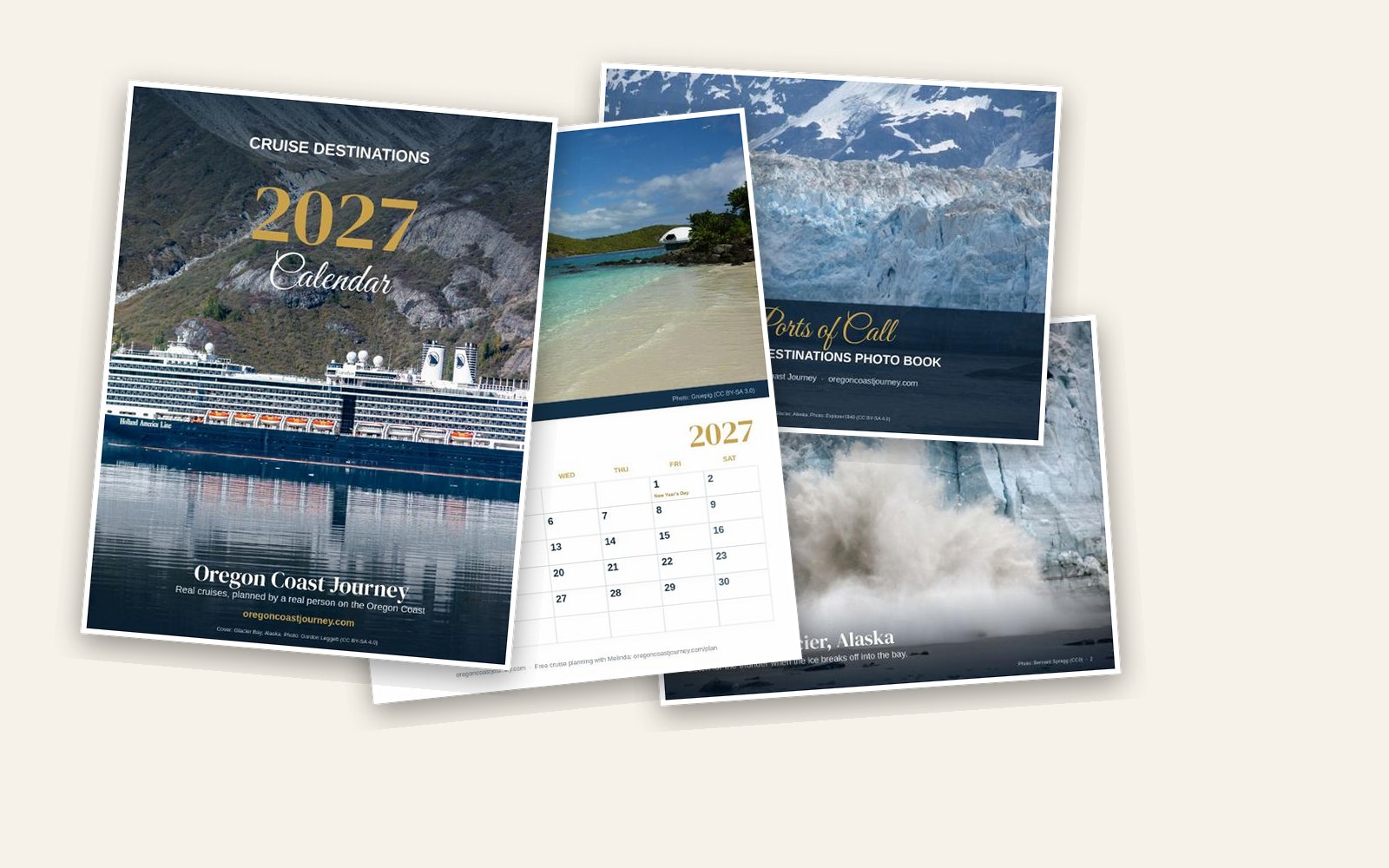
Free printable
A free 2027 cruise calendar for your wall
A real cruise destination for every month, plus a Ports of Call photo book. Print them at home.
Send me the free calendar
Planning your shore days?
Book highly-rated shore excursions and port tours before the best ones sell out.
Find shore excursions on Viator →As a Viator affiliate, I earn a small commission from qualifying bookings — at no extra cost to you.
Cruise Packing Essentials
The little things that make cruising smoother — the gear I recommend to every traveler before they sail.
As an Amazon Associate, I earn from qualifying purchases — at no extra cost to you.