Best Time to Cruise Alaska: A Month-by-Month Guide
This post may contain affiliate links. I may earn a small commission at no extra cost to you.
The best time to cruise Alaska depends on each traveler’s priorities, including weather, daylight, wildlife, glacier viewing, and price. Alaska’s cruise season typically runs from May through September, with each month offering different conditions and experiences.
For most travelers, the best time to cruise Alaska is July or early August because these weeks usually provide warmer weather, long daylight hours, and strong opportunities for wildlife viewing. May and September can offer lower fares and fewer crowds, while June provides extended daylight for scenic cruising and outdoor activities.
This guide compares Alaska cruise conditions month by month, explains how itineraries affect each trip, and covers practical booking and packing advice. It also clarifies when cruising Alaska may not suit travelers focused on the northern lights or Arctic adventures.
The Short Answer: Choose Your Month by Priority
May and September usually offer lower fares and fewer visitors, while late June and July provide the longest days and most reliable warm-season conditions. Wildlife viewing improves from late June through August, and September offers the best opportunity for darkness needed to see the northern lights.
Best Overall Value: May or September
May and September form Alaska’s shoulder season, so cruise fares and airfare often cost less than during peak season. Ships and ports typically see fewer visitors, which can make shore excursions, restaurants, and attractions easier to access.
May brings increasing daylight, active waterfalls, and snow-covered mountain scenery. Temperatures remain cool, and some wildlife excursions may operate on a more limited schedule. Travelers should pack waterproof layers and confirm that planned tours run on their sailing dates.
September offers fall colors, crisp air, and fewer crowds. Glaciers remain accessible, but rain and wind become more likely, especially in Southeast Alaska. Travelers who value lower prices and quieter ports should compare May and September itineraries carefully rather than choosing only by fare.
Best Weather and Long Days: Late June to July
Late June and July generally provide Alaska’s most favorable combination of daylight, operating excursions, and warmer temperatures. Around the summer solstice in June, some areas receive nearly 18 to 20 hours of usable daylight, depending on location. The midnight sun allows longer scenic viewing and late-evening activities.
This period also represents peak season, so Alaska cruises usually command higher prices and attract more visitors. Popular shore excursions, including flightseeing and whale-watching tours, can sell out before departure. Early booking gives travelers more choice of cabin locations and activities.
Rain remains possible throughout summer, particularly in the Inside Passage. Light layers, waterproof outerwear, sunglasses, and sunscreen help travelers handle changing conditions without relying on warm temperatures.
Best Wildlife and Bear Viewing: Late June Through August
Late June through August generally offers the strongest conditions for wildlife viewing. Humpback whales feed in Southeast Alaska, sea lions gather near haul-outs, and bald eagles appear around coastal communities and waterways. Wildlife sightings remain unpredictable because animals move freely through large, natural habitats.
Bear viewing becomes more productive as salmon reach spawning streams, especially from July into August. Excursions to locations such as Icy Strait Point, Ketchikan-area waterways, and remote viewing sites may use boats, aircraft, or guided walks. Each operator follows different seasonal schedules and viewing rules.
Travelers should choose an excursion based on habitat and access rather than relying on the sailing month alone. A cruise itinerary that includes longer port stays or dedicated wildlife tours can provide more viewing opportunities than a route with brief stops.
Best Chance of Seeing the Northern Lights: September
September provides the best cruise-season balance for viewing the northern lights, also called the aurora borealis. Nights grow dark enough for aurora activity, unlike much of June and July, when extended daylight can prevent visibility. Clear skies and strong solar activity still remain necessary.
Cruise passengers should choose a late-September sailing and travel toward areas with lower light pollution when possible. Viewing from the ship can work, but clouds, ship lighting, and coastal weather may interfere. Land-based stays before or after the cruise can improve the chances, particularly in interior Alaska.
The aurora never follows a guaranteed schedule. Travelers should monitor forecasts, remain awake during late-night hours, and pack warm clothing. September also brings shorter days, cooler temperatures, and a greater chance of rain than the main summer months.
Alaska Cruise Season, Weather, and Daylight
Alaska’s cruise season runs mainly from May through September, with the most reliable combination of mild weather and long daylight in June through August. Rain, temperatures, wildlife activity, sailing schedules, and the chance to see the northern lights change noticeably between the shoulder and peak seasons.

When Ships Sail and What Changes at the Edges of the Season
Most Alaska cruises operate from May through September, when Southeast Alaska’s ports and waterways have suitable conditions for regular itineraries. May and September form the shoulder season: fares can be lower, ships less crowded, and scenery still impressive, but some excursions operate less often and snow may remain at higher elevations.
June through August make up the peak season, especially around Juneau, Skagway, Ketchikan, and Glacier Bay. These months typically offer the widest choice of shore excursions, including whale watching, flightseeing, hiking, and rail trips.
Late-season sailings can provide autumn color and a small possibility of seeing the aurora borealis, particularly on clear nights away from city lights. However, cruise itineraries rarely guarantee northern lights viewing because darkness, cloud cover, and solar activity determine visibility.
Monthly Weather Expectations and Rainfall
| Month | Typical conditions | Planning notes |
|---|---|---|
| May | Cool, often drier | Snow may remain inland; pack layers |
| June | Mild and increasingly dry | Strong balance of daylight and activities |
| July | Warmest period | Busiest month; rain remains possible |
| August | Mild, wetter in many ports | Good wildlife viewing and long days |
| September | Cooler and darker | Fewer crowds; some excursions reduce service |
Southeast Alaska has a cool, maritime climate, and rain can occur in every month. Ketchikan is particularly wet, while Juneau and Skagway can experience different conditions on the same day because mountains create local weather patterns.
Temperatures commonly range from the 40s to 60s Fahrenheit during the cruise season, with warmer readings possible in July. Travelers should pack a waterproof jacket, insulating layers, waterproof footwear, and clothing that works for wind and changing conditions.
Daylight, the Midnight Sun, and Darker September Nights
Alaska receives very long days in late spring and summer. Around the summer solstice in June, Juneau has roughly 18 hours of daylight, while northern destinations receive even longer periods of usable light. Southeast Alaska does not experience a true midnight sun like Alaska’s far-northern Arctic communities, but twilight can last late into the evening.
Long daylight benefits scenic cruising, photography, hiking, and wildlife excursions. Travelers may still need an eye mask because cabins can remain bright well after normal bedtime.
September brings noticeably shorter days and darker evenings, especially later in the month. That creates better conditions for spotting the northern lights than in June or July, but Southeast Alaska remains cloudy frequently, and sightings are never assured. Cruise passengers have the best chance during clear nights away from strong artificial light.
Month-by-Month Guide From May Through September
Alaska’s cruise season shifts quickly from snowy landscapes and lower fares in May to long, warm days and peak wildlife activity in July. August and September bring salmon runs, stronger bear-viewing opportunities, fall color, and progressively darker skies.
May: Lower Fares, Snowy Peaks, and Spring Wildlife
May often offers some of the season’s lowest cruise fares, especially early in the month. Travelers can expect snow-covered mountains, icy waterfalls, and thinner crowds at major ports such as Juneau, Skagway, and Ketchikan.
Wildlife activity increases as spring advances. Humpback whales return to Southeast Alaska, while orcas, bald eagles, black bears, and mountain goats may appear along the coast. Gray whales can still pass through some waters during their northward migration, although sightings vary.
Daylight already lasts late into the evening, but temperatures remain cool. Shore excursions may encounter snow on higher trails, and some remote attractions operate on limited schedules. May suits travelers who value scenery, lower prices, and quieter ports more than warm weather or peak salmon activity.
June: Maximum Daylight and Broad Wildlife Variety
June provides some of the longest daylight periods of the year, with more than 18 hours of usable light in many Southeast Alaska locations. The extended daylight supports scenic cruising, evening walks, and longer shore excursions.
Temperatures usually become more comfortable, though rain remains common in coastal towns. Humpback whales feed actively in nutrient-rich waters, while orcas, bald eagles, black bears, and moose may appear near shore. Puffins can also be seen around suitable nesting islands.
King salmon begin moving into some rivers, but the timing depends on location and water conditions. Travelers should book popular excursions early, particularly glacier flights, whale-watching tours, and rail journeys from Skagway. June balances strong wildlife prospects, extensive daylight, and moderate summer activity.
July: Warmest Conditions and Peak Summer Activity
July typically brings Alaska’s warmest cruise-season conditions, with daytime temperatures often reaching the mid-50s to mid-60s Fahrenheit in Southeast Alaska. Rain remains possible, but clear periods can provide excellent views of glaciers, mountains, and coastal channels.
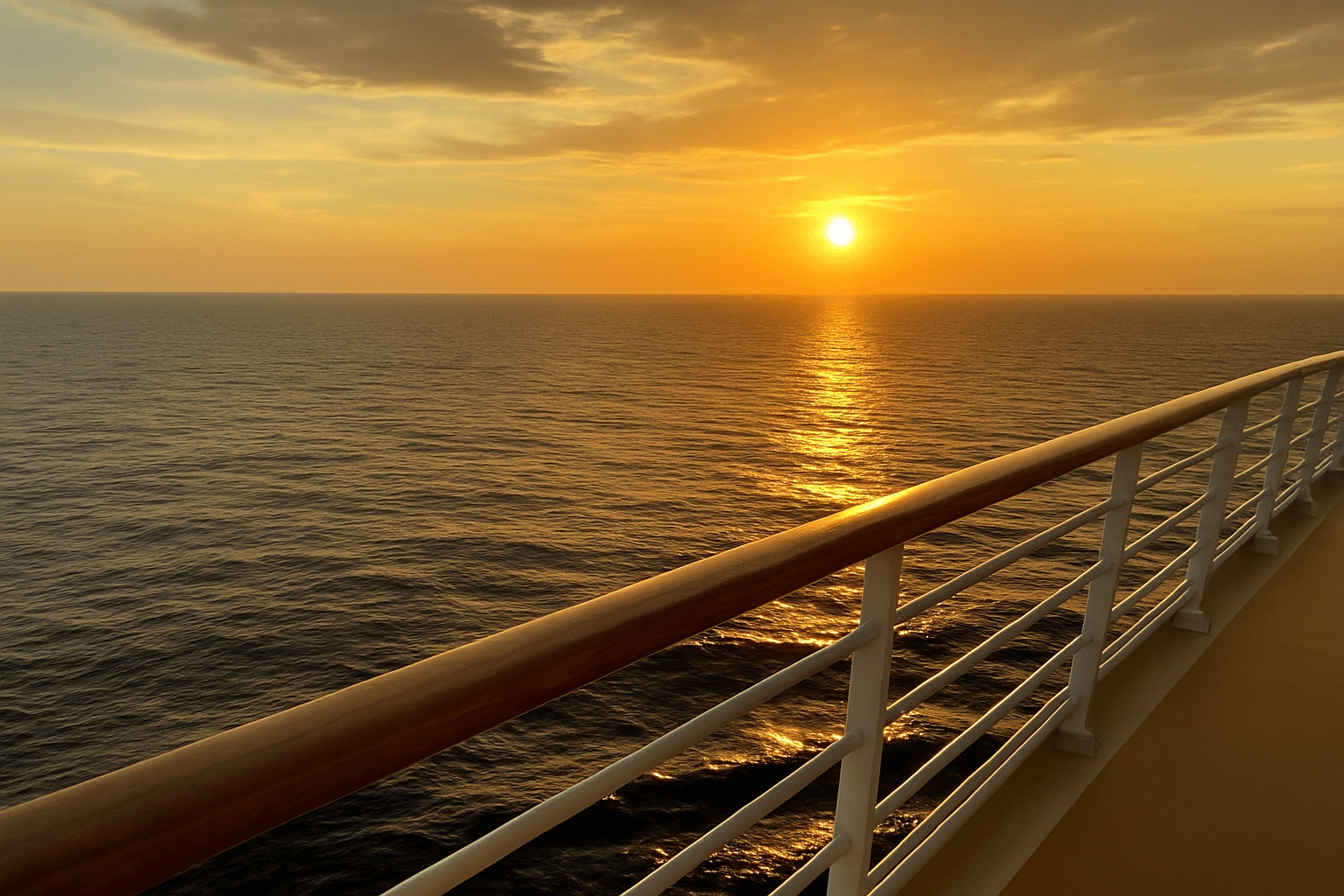
Wildlife activity reaches a seasonal high in many areas. Humpback whales and orcas remain active, while bald eagles, black bears, moose, and puffins may appear during excursions. King salmon and early sockeye, also called red salmon, begin entering rivers, depending on the region.
Cruise ports become busiest in July, and popular activities may sell out well in advance. Travelers should reserve guided hikes, bear-viewing trips, kayaking tours, and rail excursions before departure. Longer daylight makes July useful for active itineraries, but higher fares and crowded attractions require careful planning.
August: Salmon Runs, Bears, and Busier Weather
August marks an important period for Alaska’s salmon runs. Sockeye and chum salmon are active in many rivers, while silver salmon begin appearing later in the month. These fish attract brown bears and black bears, particularly near designated viewing areas and coastal rivers.
Whale sightings remain strong, with humpback whales feeding throughout Southeast Alaska. Orcas may travel through the same waters, and bald eagles often gather near salmon streams. Wildlife sightings remain unpredictable, so organized excursions provide better access to established viewing locations.
Rain can become more frequent, especially in Southeast Alaska, and temperatures begin to moderate. Cruise ports remain busy, but late August often feels less crowded than July. Travelers should bring waterproof outer layers and confirm whether bear-viewing tours coincide with local salmon activity.
September: Fewer Crowds, Fall Color, and Darker Skies
September brings fewer visitors, lower prices on some sailings, and quieter port experiences. Fall color begins appearing in interior and higher-elevation areas, while coastal landscapes retain their green vegetation later in the month.
Silver salmon become more prominent in many rivers, and some late sockeye and chum salmon runs continue. Brown bears and black bears may remain active near salmon streams, while humpback whales still feed offshore. Bald eagles often gather where fish are plentiful, but daylight decreases steadily.
Rain, wind, and cooler temperatures become more likely, particularly late in the month. Glacier views can remain excellent, although clouds may obscure mountain peaks. Travelers who prefer fewer crowds should accept shorter days, variable weather, and reduced excursion availability.
Timing Wildlife, Glaciers, and Outdoor Adventures
Alaska’s wildlife and outdoor opportunities follow distinct seasonal patterns. Cruise travelers can match their dates to whale migrations, salmon runs, stable glacier access, hiking conditions, and land-based trips into national parks.
Whale Watching and Marine Wildlife
Humpback whales appear in Southeast Alaska from spring through early fall, with sightings often strongest from June through August. They feed near Juneau, Icy Strait Point, Sitka, and Glacier Bay, where whale-watching tours may see breaching, bubble-net feeding, and tail displays.
Orcas and other whale species can appear throughout the season, although sightings remain unpredictable. Orca whales are especially associated with the Inside Passage and waters near Seward and Kodiak. Gray whales typically pass Alaska during spring migration and return south in fall, so April and May cruises offer better timing for migration sightings than midsummer sailings.
Visitors may also see sea lions, seals, sea otters, and puffins. Calm weather improves viewing from small boats, while binoculars help passengers spot animals from a ship’s deck. Beluga whales are more closely associated with Cook Inlet and land-based routes than with most standard cruises.
Bear Viewing and Salmon Season
Bear viewing becomes most productive when salmon move upstream. King salmon arrive first in many rivers, followed by red, chum, and silver salmon at different times depending on location. July and August usually provide the best combination of bear activity and accessible viewing, while late August and September can bring strong silver salmon runs.
Brown bears gather near coastal streams and estuaries, particularly around Katmai National Park and the Alaska Peninsula. Black bears occur across much of Southeast Alaska and Southcentral Alaska, while Kodiak bears—one of the largest brown-bear populations—live on Kodiak Island.
Guided bear-viewing flights and boat excursions require flexible weather conditions. Travelers should reserve early, follow distance rules, and avoid treating a salmon run as guaranteed because river levels, fish timing, and bear movements change each year.
Glacier Viewing, Hiking, and Glacier Tours
Glacier viewing works throughout the main cruise season, but May and June often offer clearer air, fewer visitors, and good access to scenic viewpoints. July and August bring longer daylight and warmer conditions, while September can provide quieter trails but more rain and shorter days.
Cruises commonly visit Glacier Bay, Hubbard Glacier, or College Fjord. Kenai Fjords National Park near Seward adds tidewater glaciers, sea kayaking, and boat-based glacier tours. Small-boat excursions can approach ice more closely than large ships, subject to safety rules and ice conditions.
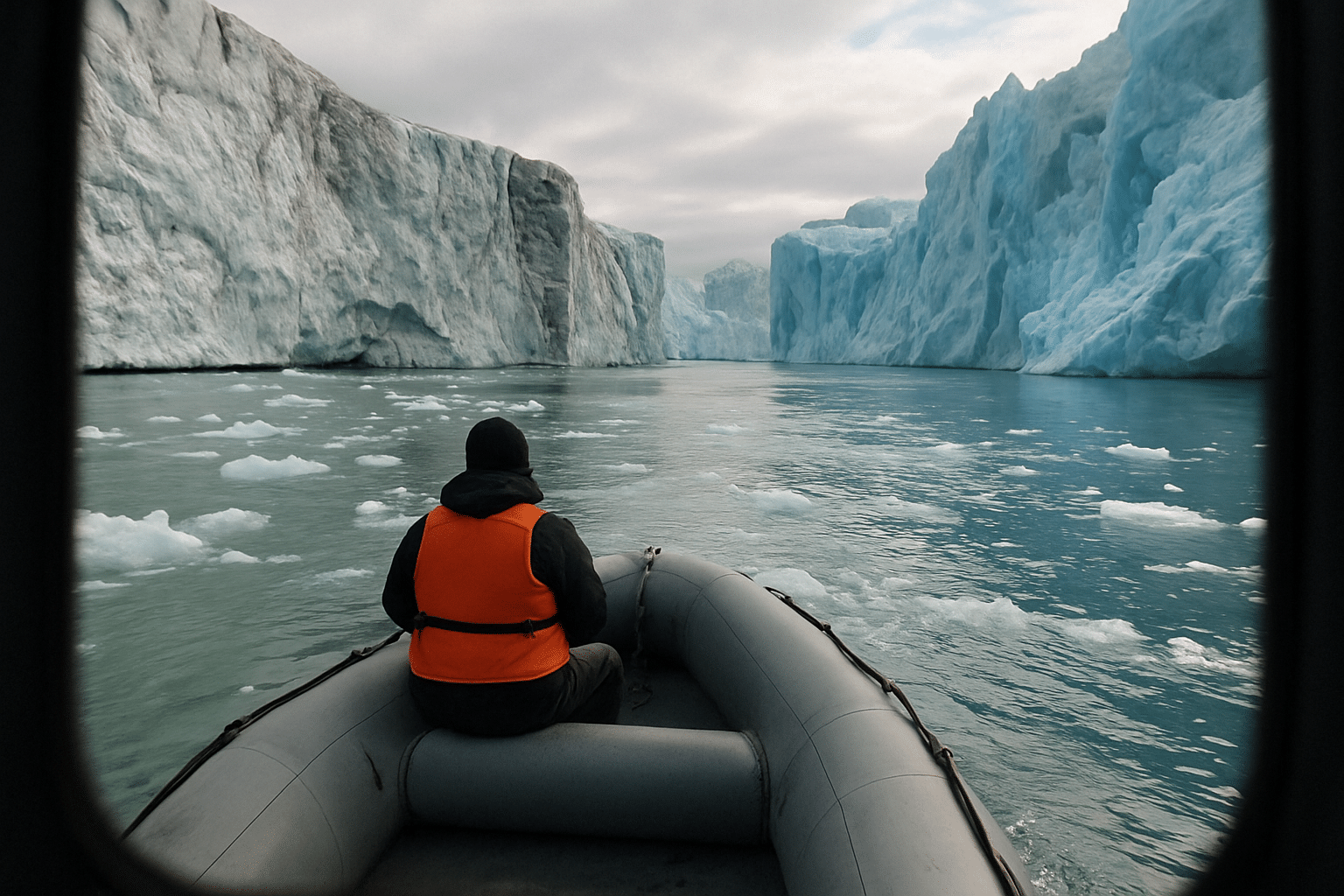
Lower-elevation hiking trails near Juneau, Skagway, Ketchikan, and Seward usually become more accessible by late May or June. Travelers extending inland can find longer routes in Denali National Park, where conditions vary by elevation. Dall sheep, mountain goats, and caribou may appear along roads and trails, but wildlife sightings remain seasonal and uncertain.
Fishing and Land-Based Extensions
Saltwater fishing begins early in the cruise season, while river fishing depends on local runs. King salmon often attract anglers in May and June; red and chum salmon commonly peak in summer, and silver salmon fishing can remain productive into September. Regulations, licenses, closures, and tackle requirements vary by region.
Seward, Homer, Sitka, Juneau, and Ketchikan offer charter trips that fit before or after a cruise. Travelers should allow extra time because weather can delay departures, especially for smaller boats and flight-based excursions.
Land-based extensions add access to places cruise ships cannot reach. A stay near Denali National Park supports wildlife viewing and hiking, while flights or multi-day trips to Katmai National Park provide access to famous brown-bear habitats. Seward connects easily with Kenai Fjords, and Kodiak offers opportunities to seek Kodiak bears, fishing grounds, and coastal wildlife.
Match Your Travel Dates to the Right Itinerary
The best Alaska cruise itinerary depends on the balance between protected coastal sailing, glacier viewing, port time, and inland travel. Route length, departure port, and ship size also affect access to places such as Glacier Bay, Kenai Fjords, and Misty Fjords National Monument.
Inside Passage Sailings for Protected Waters and Coastal Ports
An Inside Passage cruise usually sails protected waters between Vancouver or Seattle and Southeast Alaska. These routes suit travelers who want shorter sea crossings, scenic coastal views, and several port visits in one trip.
Common stops include Ketchikan, Juneau, Sitka, Skagway, and Icy Strait Point. Ketchikan offers Native cultural attractions and access to Misty Fjords National Monument, while Juneau provides excursions to Mendenhall Glacier. Sitka emphasizes history and coastal scenery, and Skagway connects with the White Pass & Yukon Route Railroad.
Many seven-day itineraries include Glacier Bay, although access depends on permits and the cruise line’s schedule. Celebrity Cruises and Norwegian Cruise Line offer larger-ship options, while smaller vessels may spend more time near Frederick Sound and Chichagof Island. Late May, June, and early September often provide a practical balance of daylight, port access, and lower demand.
Gulf of Alaska Routes for Glaciers and Land Tours
Gulf of Alaska routes typically operate between Vancouver and Seward or Whittier, often with a stop in Juneau, Skagway, or Ketchikan. They suit travelers who want major glacier scenery and a longer land journey after the cruise.
Seward provides access to Kenai Fjords National Park, where boat tours can reach tidewater glaciers and marine wildlife. Whittier connects efficiently with Anchorage by road or rail, making it useful for travelers planning a rail journey through Southcentral Alaska.
One-way cruises often include more open-water sailing than Inside Passage itineraries, so travelers should consider motion sensitivity. July and August offer strong conditions for inland tours, wildlife excursions, and extended daylight, but they also bring higher prices and greater demand. Travelers should reserve Denali trips, rail seats, and popular glacier excursions well in advance.
Small-Ship and Expedition Options
Small ships and expedition vessels can reach narrower waterways and spend more time observing wildlife, glaciers, and coastal landscapes. They often appeal to travelers who prefer guided interpretation, flexible daily schedules, and fewer passengers rather than traditional entertainment and large onboard facilities.
UnCruise focuses on active experiences such as kayaking, skiff excursions, and shore walks. Lindblad Expeditions combines naturalist-led exploration with educational programming and wildlife observation. These operators may visit areas near Chichagof Island, Frederick Sound, or Misty Fjords that do not appear on standard large-ship itineraries.
Expedition schedules can change because of weather, tides, wildlife activity, or sea conditions. Travelers should check whether the fare includes transfers, gear, meals, and shore excursions. Small ships may also use smaller ports or remote landing sites, but they generally provide fewer dining, shopping, and accessible-cabin choices than major cruise lines.
Departure Ports and One-Way Cruise Planning
Vancouver offers convenient access to Inside Passage routes, while Seattle provides frequent round-trip departures and simple domestic connections for many U.S. travelers. One-way sailings from Vancouver to Seward or Whittier work well for travelers adding Anchorage, Denali National Park, or a longer inland itinerary.
Whittier connects with Anchorage through the Alaska Railroad and highway transfers. Seward also supports rail travel to Anchorage and provides direct access to Kenai Fjords National Park. Travelers should allow at least one buffer night before sailing, especially when flying internationally or connecting through Seattle or Vancouver.

A one-way Alaskan cruise usually requires separate planning for flights, hotels, luggage transfers, and ground transportation. Travelers should compare the complete trip cost rather than the cruise fare alone, particularly when adding a rail journey, hotel stays, and excursions.
Booking and Packing for Seasonal Conditions
Cruise timing affects fare levels, passenger numbers, shore excursion availability, and cabin value. Travelers should also match their packing choices and cabin location to Alaska’s cool, wet, and rapidly changing conditions.
How Crowds, Fares, and Shore Excursion Availability Vary
Peak season, from June through August, brings the longest daylight hours and generally the widest selection of Alaska cruises. It also brings higher fares, fuller ships, and heavier demand for popular shore excursions such as whale watching, flightseeing, dog-sledding, and Glacier Bay tours.
Travelers who want specific excursions should reserve them soon after booking. Limited-capacity activities can sell out before departure, particularly in June and July. Some cruise lines include Glacier Bay in selected itineraries, so passengers should compare routes rather than assume every Alaska cruise visits it.
The shoulder season, especially May and September, often offers lower fares and fewer visitors. It may provide better value, but some excursions operate less frequently, and snow, rain, or shortened operating schedules can affect plans. Travelers should check each excursion’s seasonal availability before choosing an itinerary.
Choosing a Cabin for Scenic Cruising
A balcony cabin gives passengers private outdoor space for viewing mountains, forests, wildlife, and passing ice. It becomes especially useful in Glacier Bay, where scenic areas may remain visible from the ship for several hours and passengers can watch without standing on crowded public decks.
Cabin location also affects comfort. Midship cabins on lower or middle decks usually experience less movement than cabins at the bow or stern. Passengers who prioritize scenery may choose a balcony on the side facing the main landscape, but Alaska’s routes change direction, so no single side guarantees the best views.
Travelers with a tighter budget can select an ocean-view or interior cabin and use public observation areas. They should compare the balcony premium with the amount of time they expect to spend outdoors, especially on itineraries that emphasize ports rather than scenic cruising.
What to Pack for Rain, Cold, and Changeable Weather
Alaska’s summer temperatures often range from cool to mild, but conditions can shift quickly between ports and scenic areas. Travelers should pack water-resistant layers, including a waterproof jacket with a hood, warm fleece or wool layers, comfortable trousers, and shoes with strong traction.
A compact umbrella may help in towns, but a hooded waterproof jacket works better on windy decks and shore excursions. Gloves, a warm hat, and moisture-wicking socks can improve comfort during glacier viewing, whale watching, and early-morning departures.
Packing should also include sunscreen, sunglasses, insect repellent for some inland excursions, and a small daypack. The daypack can hold spare layers, medication, water, and dry clothing when rain or spray affects a shore excursion.
When a Cruise Is Not the Right Choice for Aurora or Arctic Travel
Cruises work well for coastal sightseeing during Alaska’s main sailing season, but they offer limited access to inland and far-north destinations. Travelers focused on the northern lights or Arctic Circle experiences often need a land-based itinerary, flexible transportation, and travel dates outside the cruise season.
Why September Aurora Sightings Are Possible but Never Assured
September cruises can provide a chance to see the aurora borealis, especially after dark near northern ports such as Skagway or Anchorage. However, most cruise routes remain too far south for consistent viewing, and passengers face limited time ashore, cloud cover, moonlight, and changing schedules.
The northern lights require darkness, clear skies, and sufficient solar activity at the same time. September nights become longer, but conditions may still remain cloudy or bright, particularly early in the month. A ship also moves frequently, which prevents travelers from waiting several nights in one location.
Travelers who prioritize aurora viewing should consider staying several nights in Fairbanks, where inland conditions and longer autumn darkness generally provide better opportunities. Even there, the aurora borealis remains a natural event rather than a scheduled attraction.
When to Plan a Separate Winter or Far-North Alaska Trip
A separate land trip suits travelers who want the Arctic Circle, winter landscapes, or destinations beyond standard cruise routes. Fairbanks offers lodging, aurora tours, and ground or air excursions toward the Arctic Circle, while Nome requires a flight and usually needs additional planning. Kodiak provides a different experience, with coastal wildlife and island scenery rather than reliable northern-lights access.

Winter travel brings limited daylight, icy roads, cancellations, and temperatures that can fall well below freezing. Travelers should allow extra time between flights, use operators with winter experience, and prepare for weather-related schedule changes.
Most large cruise ships do not reach Nome or the Arctic Circle, and they typically visit Alaska only from spring through early fall. Travelers seeking remote northern communities should book a dedicated land itinerary or a small-ship expedition after confirming transportation, lodging, and seasonal operating dates.
Frequently Asked Questions
Whale sightings are most reliable from June through August, while cruise fares often drop in May and September. Northern Lights viewing requires dark skies, so late September and October offer better chances than the bright summer months.
When is the best time to see whales on an Alaska cruise?
June through August generally provides the best whale-watching conditions. Humpback whales frequent Southeast Alaska, including the waters near Juneau, Icy Strait Point, and Sitka.
Orcas can appear throughout the season, but sightings remain unpredictable. Shore excursions with dedicated whale-watching boats usually provide better viewing opportunities than standard cruise routes.
What is the cheapest month to take an Alaska cruise?
May and September typically offer the lowest fares. Cruise lines often price these shoulder-season sailings below July and August departures because demand is lower.
September can also bring discounts on airfare and hotels. Travelers should compare the total trip cost, since some seasonal tours and attractions operate on reduced schedules.
Can you see the Northern Lights on an Alaska cruise?
Passengers may see the Northern Lights on late-September and October cruises, particularly during clear nights near ports such as Fairbanks on cruise-tour itineraries. Standard Inside Passage routes rarely provide ideal viewing because many sailings end before the strongest aurora season.
Cloud cover, moonlight, and light pollution affect visibility. A cruise cannot guarantee a sighting, even during the best season.
Is April a good month for an Alaska cruise?
April is generally too early for most Alaska cruises because regular sailings usually begin in May. Travelers who visit during April may find snow-covered landscapes, limited excursions, and fewer operating visitor services.
The month suits travelers who prioritize lower prices and winter scenery over full cruise-season access. They should verify port schedules and excursion availability before booking.
Is October a good time to cruise to Alaska?
October offers limited cruise availability and colder, wetter conditions. Many seasonal attractions and shore excursions reduce their hours or close after September.
The month can appeal to travelers seeking lower fares and a chance to see early auroras. They should expect fewer sailings, shorter daylight hours, and a higher risk of disrupted port calls.
Are the waters rough on an Alaska cruise?
Most Inside Passage cruises travel through protected coastal waters, which usually produce smoother conditions than open ocean routes. Some movement can still occur near exposed areas, including the Gulf of Alaska.
Travelers prone to seasickness should choose lower-deck cabins near the ship’s center and carry approved motion-sickness medication. Weather can change quickly, so even sheltered routes may experience rough periods.
Free: Pacific Coast Cruise Planning Checklist
Grab my free step-by-step checklist for planning an Alaska, Mexican Riviera, Hawaii, or Pacific Coastal cruise — sent straight to your inbox.

Alaska Shore Excursions & Tours
Planning your shore days?
Book highly-rated shore excursions and port tours before the best ones sell out.
Find shore excursions on Viator →As a Viator affiliate, I earn a small commission from qualifying bookings — at no extra cost to you.
Cruise Packing Essentials
The little things that make cruising smoother — the gear I recommend to every traveler before they sail.
As an Amazon Associate, I earn from qualifying purchases — at no extra cost to you.