Quiet Places on a Cruise Ship: Where Kids Can Calm Down When It Feels Like Too Much
This post may contain affiliate links. I may earn a small commission at no extra cost to you.
The quick answer
Yes, your family can cruise. Most ships have quiet places on a cruise ship if you know where to look: your own cabin, a library, a forward observation lounge and a sheltered corner of the promenade deck. The calmest hours are usually mid-morning to mid-afternoon on port days. On boarding day, walk the ship once and pick two spots, one indoors and one outdoors, and time the walk back to your cabin.
Yes, your family can cruise. I know the question running through your head: “What if it's too loud, too crowded and too much, and my child melts down with nowhere to go?” I get it.
I'm a mom of three boys with their own special needs and sensory needs. So I don't look at a ship the way a brochure does. I look at where the noise is, where the exits are, and where a worn-out kid can sit down and breathe.
Here's the good news. A cruise ship is not one giant loud room. It's a lot of different spaces, and some of them are very quiet. Below you'll find where calm spaces on cruise ships usually are, when they're emptiest, and how to make a simple quiet plan before you board.
The quiet map: where to find quiet on a cruise
Every ship is laid out differently, so I can't hand you one universal map. What I can give you is the list of spots that tend to be calm on most big ships. Check each one against your own ship's deck plan, which your cruise line posts on its website.
| Spot | Why it works | Watch for |
|---|---|---|
| Your cabin | Your door, your rules, a short walk | Noisy neighbors, loud venues above or below |
| Library | Soft seating, low voices, few people | Not every ship has one, so check the plan |
| Forward observation lounge | Big windows, and the long walk keeps crowds away | Fills up before scenic moments, and some turn into nightclubs after dark |
| Promenade deck | Fresh air, room to move, the sound of the sea | Wind, and open-deck noise near the pool |
| Cabin corridors | Often calm between cleaning and boarding hours | Busy at boarding and late evening |
| Window seats near theaters | Comfy chairs, few people between shows | Gets busy before showtime |
Your own cabin comes first
Your cabin is the one quiet place you control completely, which is why where it sits matters so much. I wrote a whole guide on choosing the quietest cabin for a child with sensory needs, and I'd read it before you pick a room.
The short version: look at what's above and below. A cabin with other cabins on every side is usually much calmer than one under a pool deck or next to a kids club.
Libraries and reading rooms
Libraries are one of the calmest indoor spots on many ships. Holland America's Volendam, for example, lists a library among its onboard spaces, and its official deck plan PDF shows exactly where it sits. Other lines do it differently, and some newer ships skip the library entirely.
If your child likes picture books or drawing, a library corner can be a little reset button. Bring your own crayons and a favorite book so you aren't relying on the shelf.
Forward observation lounges
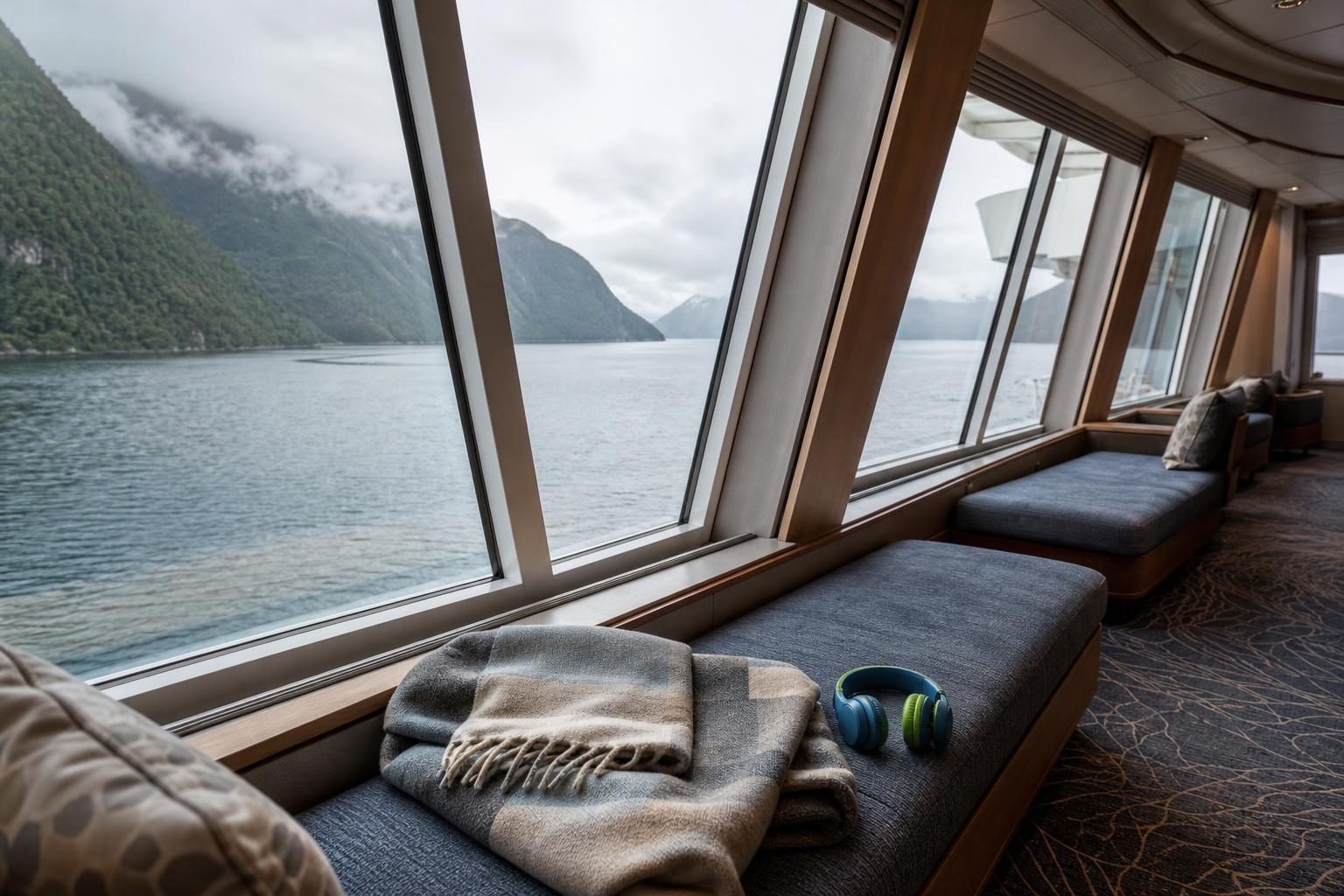
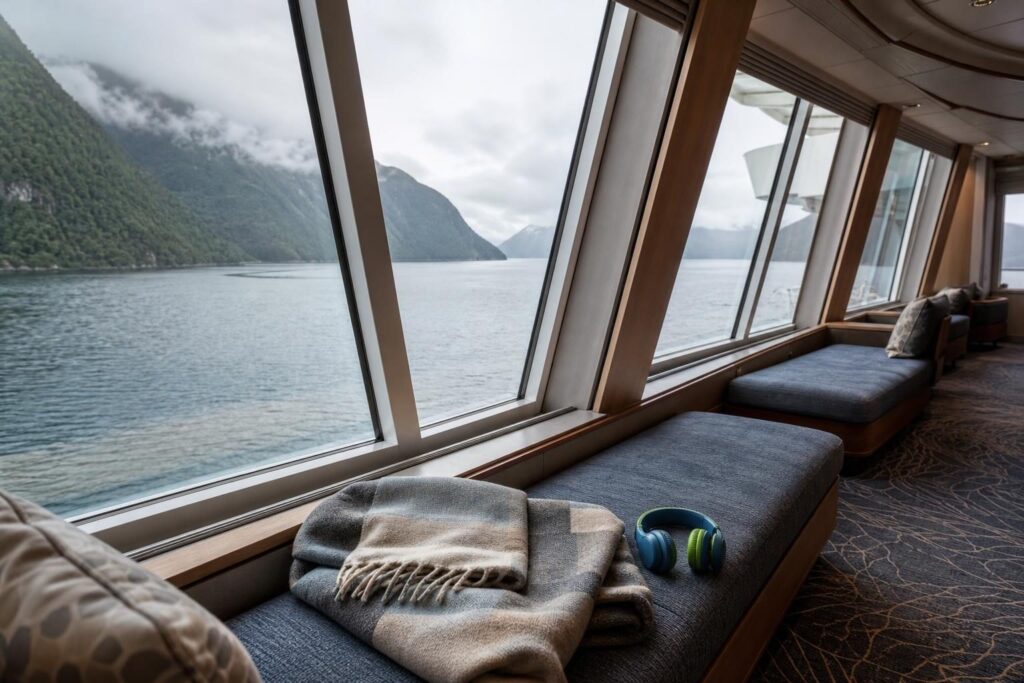
Some ships have a lounge up high or at the front with big windows and comfy chairs. On the Volendam it's the Crow's Nest, and Holland America describes it as a spot for pastries, drinks and ocean views.
The long walk from the middle of the ship keeps these lounges calmer. But a lounge that's a nightclub after dark is not the same room at 10 a.m. on a port day, so think about the hour you'll use it.
A sheltered corner of the promenade deck
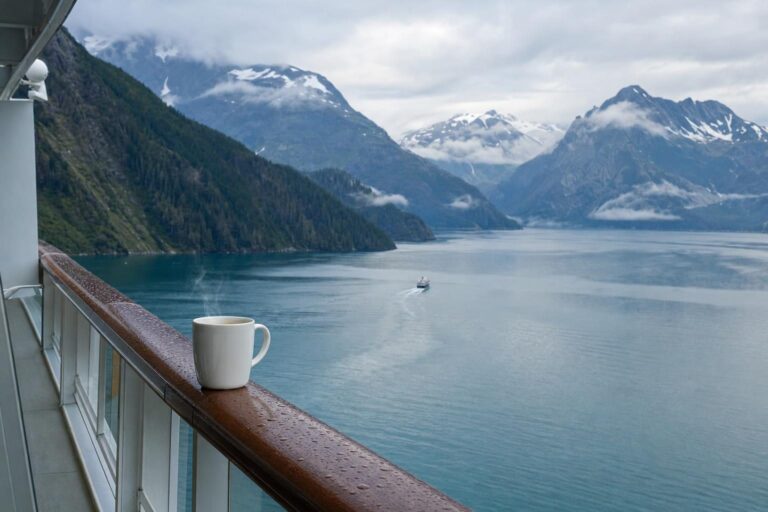
For kids who calm down by moving or by being outdoors, a wraparound promenade deck is a gift. You can walk a slow lap, watch the water and let the wind drown out everything else. On an Alaska sailing, a sheltered corner with a rain jacket on is lovely.
Not every ship has a full promenade, and some are partly open to the pool area. Look at the deck plan before you count on one.
The loud zones to plan around
Knowing where the noise lives is half the plan. You don't have to avoid these places forever. Just choose when and how you visit.
- Pool decks: Often the loudest part of the ship on sea days, with music, splashing and crowds.
- The atrium: Bright, echoey and busy at boarding, dinner and show times.
- Kids clubs and arcades: Fun in the daytime, but loud if your child naps or your cabin is next door.
- Front top decks at sail away: Many people gather here for the big moment, and the ship's horn can be very loud up there.
Cruise lines say as much themselves. Carnival's sensory page describes the deck, the entertainment areas and even routine announcements as things that can affect guests with sensory sensitivities. That's honest, and it's exactly why a plan helps.
Melinda's tip
Worried about the horn? I put together a calm plan in my guide on the cruise ship horn and kids. The short version: watch sail away from an indoor window lounge with ear protection on, not the packed top deck.
The best times for calm
The same spot can be peaceful at 2 p.m. and packed at 7 p.m. Timing is a free tool.
On port days, many guests are ashore, so mid-morning to mid-afternoon tends to be the calmest stretch for lounges, libraries and decks. If you plan one outing and come back early, you may find the ship feels half empty.
Sea days are different. The pool deck fills up, the music kicks on and the whole ship is awake. On those days I'd plan your quiet spot first and your activities second.
| Time | Usually calmer | Usually louder |
|---|---|---|
| Early morning | Decks, promenade, corridors | Buffet, on port mornings |
| Port day, mid-day | Lounges, library, most public areas | Gangway area at return time |
| Sea day afternoon | Cabin, library | Pool deck, atrium, activities |
| Dinner and evening | Cabin, a quiet lounge corner | Dining room, shows, bars |
| Boarding day and sail away | Cabin, once it's ready | Almost everywhere else |
These are general patterns, not guarantees. A rainy day can push everyone indoors, and a special event can fill any lounge.
How to scout two quiet spots on boarding day
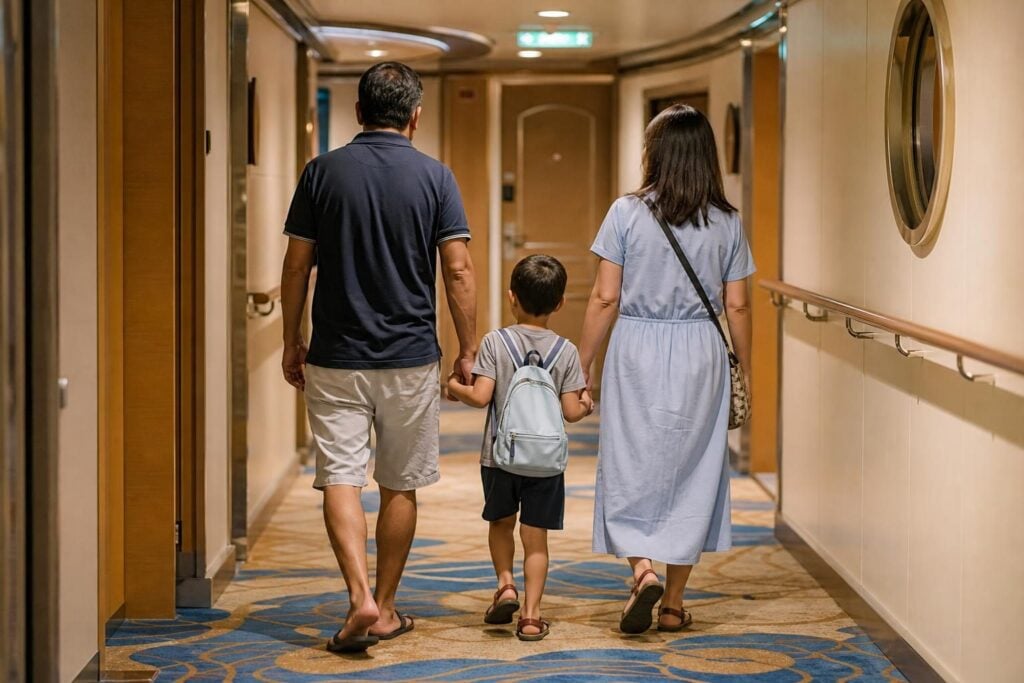
Pick two places before you need them, one indoors and one outdoors. It sounds small, but it changes the whole trip, because you're no longer hunting for calm while your child is already overwhelmed.
- Look at the deck plan the week before and circle four possible spots.
- After you board, walk the ship once, calmly, with no schedule.
- Choose your two, and time the walk from each one back to your cabin.
- Add them to your picture story as “our quiet places,” so your child already knows them.
I walk through the rest of the prep in my guide to your first cruise with a child with sensory needs. There's also a plan for the safety drill in the boarding day and muster drill post.
Watch out
Don't assume a quiet room exists just because a website says “relaxing.” Some lounges turn into bar areas with live music at night, and some “quiet” decks sit right under a pool deck. Check the deck plan, then visit the spot in person at different times of day.
Want me to price this out for you?
I can look at ships and cabins with a quiet plan in mind and tell you which sailings fit your family best. My help is always free to you. The cruise lines pay me, so you never do. No cost. No pressure.
Plan my cruise for free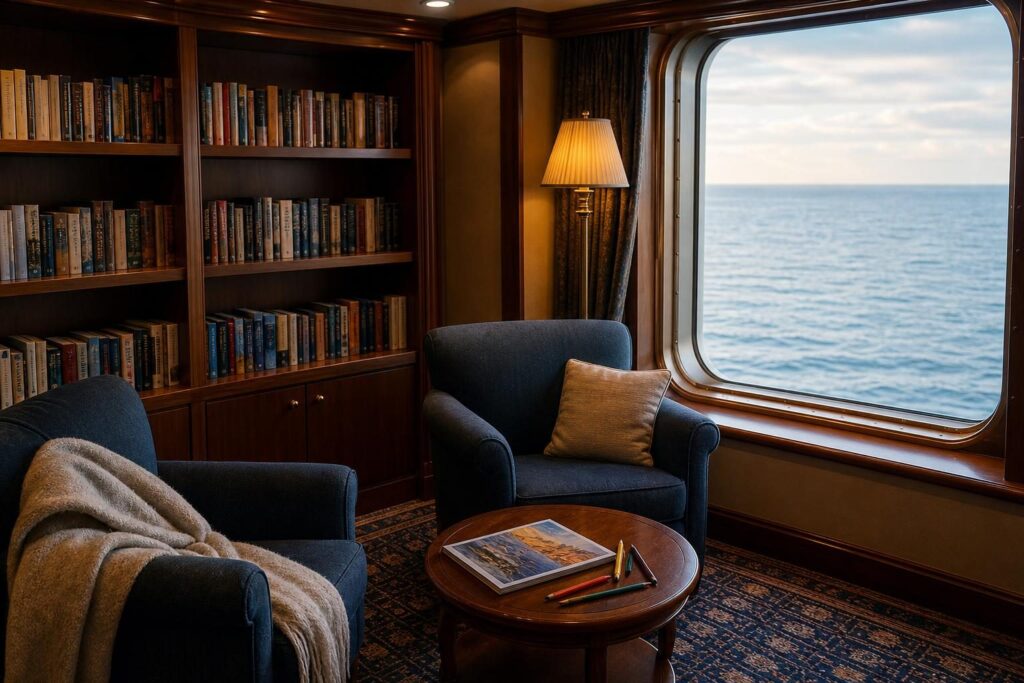
A small quiet kit that fits in a day bag
A quiet place works better when you carry a few small comforts with you. Keep it light so you actually bring it everywhere.
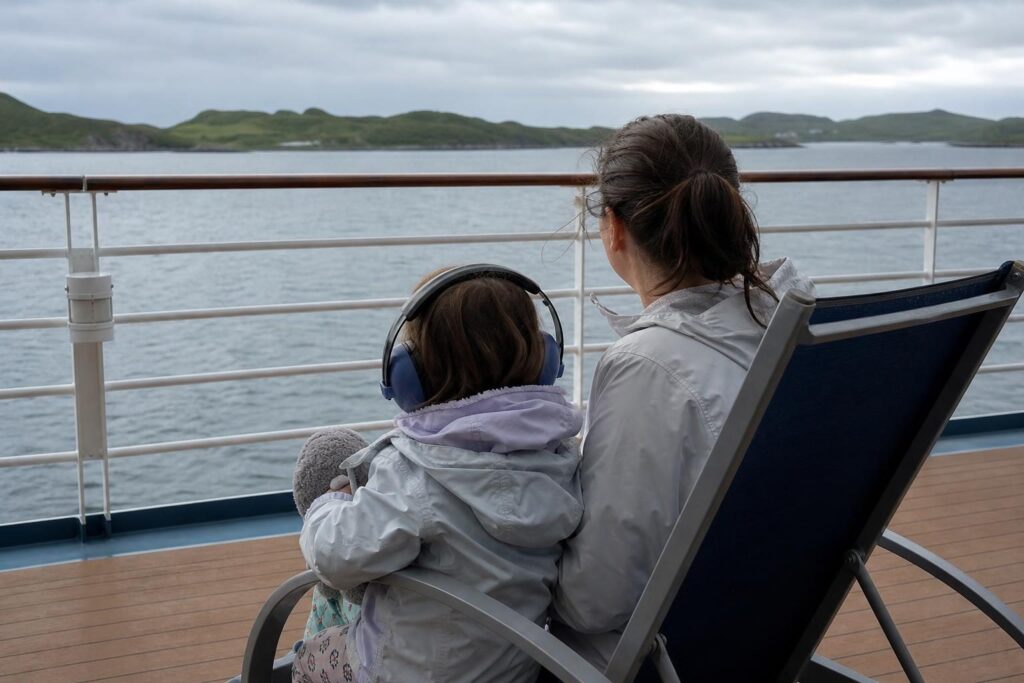
- Ear protection: Over-ear ear defenders or noise-reducing headphones with a padded band that fits a child's head. You can browse kids' ear defenders on Amazon and read the fit notes before you buy.
- Something to hold: A fidget, a small soft toy or a favorite blanket.
- Quiet activities: A picture book, crayons and a small notebook, or a tablet with downloaded shows.
- Snacks and water: A hungry kid is a harder kid to calm.
If you'd like your family easy to spot in a crowd (and want a little fun), matching shirts with your child's name can help. I make cruise shirts with free name personalization in my Etsy shop.
Melinda's tip
Practice with the ear protection at home first, in short sessions, so it feels normal and not like a surprise on the ship. If your child hates headphones, try a soft hat, a hood or sunglasses and see what works for your family.
What cruise lines actually offer (and what they don't)
Here's the honest part. I couldn't find a major cruise line that promises a dedicated, permanent sensory room on every ship. What they do offer is tools, training and a way to ask ahead. Programs change, so confirm with your line for your exact ship and sailing.
| Cruise line | What it publishes | Good to know |
|---|---|---|
| Carnival | KultureCity sensory certification, sensory bags, private safety briefing | Bags are free to check out, first come, first served |
| Royal Caribbean | Toy lending, low-light low-volume films, social story | Films run on every Oasis class sailing, and on other ships only when enough guests would use them |
| Disney | Special Services team and a published guest guide | Submit the Special Services form at least 60 days before sailing |
| Celebrity, Princess, Norwegian and more | Varies by line | See my line-by-line comparison linked below |
Carnival says KultureCity sensory bags can be checked out for the whole cruise, free and first come, first served, at Guest Services or a youth program. Each bag has noise-canceling headphones and fidget tools, among other items. Carnival also suggests meeting with Guest Services once on board to talk through accommodations, including a private safety briefing. Because the bags aren't reserved, I'd still pack your own headphones as a backup.
Royal Caribbean's Autism Friendly Ships page describes films shown in a low-lit, low-volume room where guests can talk and walk around. It also covers a toy lending program in the Adventure Ocean youth program, with items like crayons, blocks and picture books.
Disney's guest guide for accessibility asks families to submit the Special Services form at least 60 days before sailing. It also says the information is subject to change, so check before you book.
Want the full side-by-side? My guide to the best cruise lines for special needs and sensory needs compares more lines. For West Coast families, a sensory-friendly Alaska cruise from Seattle means no airport at all.
If you want help sorting through all of this, my sensory-friendly cruises page has a free Sensory Cruise Prep Pack you can grab.
Your questions, answered
Where is the quietest place on a cruise ship?
Your own cabin is usually the quietest spot. After that, look for a library, a forward observation lounge or a sheltered corner of the promenade deck. Which ones exist depends on the ship, so check the deck plan. Quiet also changes with the time of day, and mid-afternoon on a port day is often the calmest.
Do cruise ships have sensory rooms?
I couldn't confirm a permanent sensory room on any major line's ships. Some lines lend sensory tools instead, like Carnival's free KultureCity sensory bags (first come, first served) and Royal Caribbean's toy lending. Ask your cruise line what's offered on your exact ship and sailing.
What time is the ship quietest?
On port days, mid-morning to mid-afternoon is usually calmest because many guests are ashore. Early morning is quiet on deck too. The loud stretches tend to be boarding day, sail away, sea day afternoons by the pool and the hours around dinner.
What if my child gets overwhelmed and we can't get back to the cabin fast?
Pick two quiet spots before you need them, one indoors and one outdoors, and keep one of them close to the places you spend the most time. Carry ear protection in a small bag. Tell Guest Services about your needs early, so the crew can help if you ask.
Which cruise ship decks are the loudest?
Pool decks are usually the loudest, especially on sea days. The atrium, kids clubs, arcades and anywhere with live music get loud too. The front top decks can be loud at sail away, when the ship horn sounds. Cabins right under or over those areas can carry noise.
Can I ask the cruise line for a quiet space ahead of time?
You can ask. Disney's guide asks families to contact Special Services at least 60 days before sailing, and Carnival asks you to meet with Guest Services once on board. No line can promise a particular empty room on a busy day, so use the request to set up support and scout your own spots on boarding day.
One last thing from me
You don't need a ship that's quiet everywhere. You need a couple of places that are quiet enough, a plan for the loud moments and a short walk back to your cabin. That's very doable.
Start with two quiet spots, one calm cabin and one picture story. Then add one fun thing a day, not five.
Let's find your family's calm ship
Tell me about your family and what feels like too much, and I'll look at ships, cabins and sailings with that in mind. My help is always free to you. The cruise lines pay me, so you never do. No cost. No pressure.
Plan my cruise for freeSources I checked
Planning a cruise with a kid who gets overwhelmed?
I made a free Sensory Cruise Prep Pack for families with special needs and sensory needs. It has a picture story about the ship and a visual schedule you can print at home, so day one feels a little more familiar.
Free printable
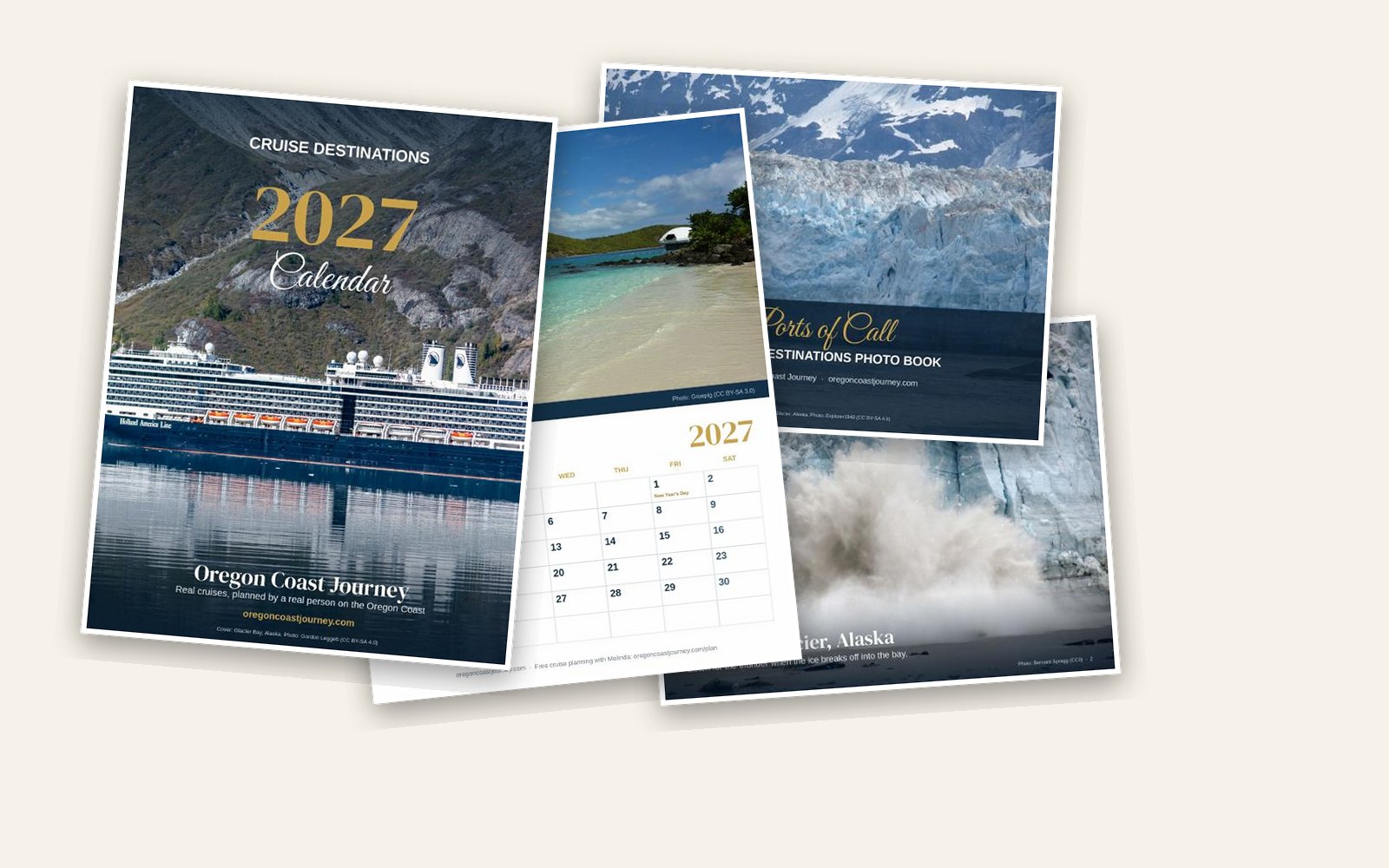
A free 2027 cruise calendar for your wall
A real cruise destination for every month, plus a Ports of Call photo book. Print them at home.
Send me the free calendarPlanning your shore days?
Book highly-rated shore excursions and port tours before the best ones sell out.
Find shore excursions on Viator →As a Viator affiliate, I earn a small commission from qualifying bookings, at no extra cost to you.
Cruise Packing Essentials
The little things that make cruising smoother: the gear I recommend to every traveler before they sail.
As an Amazon Associate, I earn from qualifying purchases, at no extra cost to you.