The Quietest Cabin on a Cruise Ship: Choosing a Safe, Calm Cabin for a Child with Sensory Needs
This post may contain affiliate links. I may earn a small commission at no extra cost to you.
For a kid who finds busy places hard, the cabin isn't just a place to sleep. It's the one spot on a giant, busy ship that has to feel safe. When the day gets to be too much, that small room is where your kid comes back down. So it makes sense that picking one feels like a big deal.
The good news is that cabin choice is one of the few parts of a cruise you really can plan ahead. You can look at a deck plan, see what sits above and below a room, and avoid most of the noisy spots before you ever book. Here's how I'd think it through, step by step, so you can find the quietest cabin on a cruise ship for your family.
Midship vs forward or aft: where you'll feel the least motion
A ship moves like a seesaw. The middle (midship) moves the least, and the very front (forward) and very back (aft) move the most. If your child is sensitive to motion, or if any movement upsets their sense of balance, a midship cabin is usually the calmest choice.
- Midship: least rocking and the shortest walk to most places. Often the most popular, so book early.
- Forward: can feel more up and down movement in rough water. On the lowest forward decks you may also hear the anchor when the ship drops it in port.
- Aft: some families love the wake views, but cabins near the very back on low decks can feel more vibration from the engines and propellers.
Low decks vs high decks
Lower decks sway less than higher ones, and higher decks sit closer to the pool and buffet, which often means noise from above. A middle deck sandwiched between other cabin decks is often the sweet spot.
Check what's above and below the cabin
This is the step most people skip, and it matters most for quiet. Check the deck plan for the decks above and below your cabin, not just your own. Avoid stacking your cabin next to:
- Pool deck or sports courts above you: you may hear chairs being dragged early in the morning and set up late at night.
- Theater, show lounges or nightclubs: bass and music can travel through floors, and these venues often run late.
- Galley (kitchen) or buffet: early morning prep noise, carts and clanking.
- Laundry rooms: washer and dryer rumble, plus people coming and going.
- Kids clubs and arcades: fun for daytime, but noisy if your child naps.
The quietest cabin on a cruise ship is usually one with cabins directly above it and cabins directly below it. Cabins on either side are fine too. People sleep in cabins, so neighbors are usually quiet at night.
Elevators, stairwells and hallway traffic
Being near an elevator sounds handy, but elevator areas are where people gather and talk loudly. Stairwells bring foot traffic too.
Try for a cabin a few doors down from the elevators, not right next to them. That way you get a short walk without the crowd noise. If your child tends to wander, there's another upside: a cabin in the middle of a long hallway is farther from the stairs and elevators, so there's more distance between your door and the busy areas.
Inside vs oceanview vs balcony
Inside cabins
Inside cabins have no window, which means they can get very dark. For a lot of kids with sensory needs, that's a real plus for sleep. They're also the most budget friendly. The downside is that some kids feel closed in, and it's hard to tell day from night.
Oceanview cabins
An oceanview gives you a window that doesn't open. That means natural light and a view with no balcony safety worries. Check the deck plan or room description for “obstructed view,” which means a lifeboat or other equipment blocks part of the window.
Balcony cabins and safety for climbers and wanderers
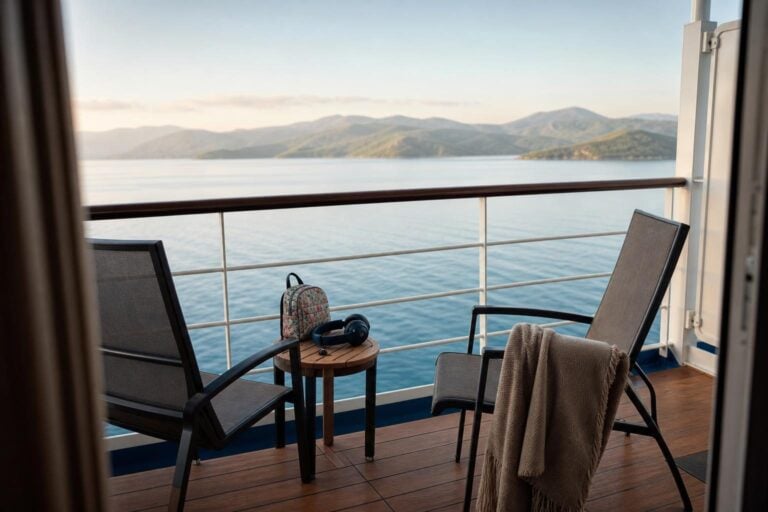
A balcony can be a calm, private place to breathe fresh air away from crowds. But if your child climbs or bolts, take a careful look first. Carnival says its balcony barriers are solid Plexiglas with no gaps and are all over 42 inches tall, and that the doors to balconies are very heavy. That helps, but a chair or table on the balcony can turn into a step stool for a determined climber. Carnival also says children should be supervised on or around a balcony at all times.
Here's how I'd handle it:
- Ask how the balcony door locks on your ship. Doors and latches vary by ship. When you arrive, ask your cabin steward to show you exactly how the lock works and whether there's any extra latch.
- Ask about removing balcony furniture. You can request this in writing ahead of time and again with your cabin steward. It's a request, not a guarantee, but it's worth asking.
- Put it in writing before you sail. Royal Caribbean asks guests to tell them about needs at booking and suggests its Guest Special Needs Form, with an “I have other needs” option where you can describe things in your own words. Holland America has a Special Requirements (SRI) form and recommends sending it at least 45 days before you sail.
If your child is a strong climber and you're not sure you can watch the door every minute, an oceanview or inside cabin may give you more peace. There's no wrong answer here. You know your child.
Connecting cabins and family cabins
Connecting cabins have an inside door between two rooms. One child can have a dark, quiet room while siblings stay up, and you still have a way to check on everyone without going into the hallway. Carnival notes that connecting rooms are available in its family friendly staterooms for groups who want to stay together.
A few things to know:
- Connecting cabins are limited, so book early.
- Cheaper fares that let the cruise line assign your cabin later may not let you pick connecting rooms. Disney Cruise Line, for example, says it can't guarantee connecting staterooms on restricted-fare bookings.
- Some ships have family cabins with a split layout or a curtain between sleeping areas. A curtain is not a wall, so think about whether that's enough separation for your child.
Light control in the cabin
Light can be just as hard as noise:
- Bring a few binder clips or clothespins to close gaps in the curtains.
- Pack a familiar nightlight (battery powered is simplest).
- Cover small blinking lights on the TV or thermostat with a piece of painter's tape.
- Pack your white noise machine if it runs on batteries or plugs straight into the wall. Royal Caribbean lists extension cords, power strips and multi-plug outlets as prohibited, so don't count on using one.
Door alarms: what I could confirm
Many parents of kids who wander use a simple door alarm at home and want one on the ship too. I checked Royal Caribbean's prohibited items policy and it does not name door alarms. It does say the list isn't complete and that items not listed can still be restricted if security thinks they're unsafe. I couldn't find any cruise line page that clearly says yes or no to door alarms.
So here's my advice. Pick a small, battery-powered alarm with no plug. Then ask your cruise line in writing before you sail, using the special needs or accessibility form, so you have an answer ahead of time. Whatever you use, make sure it never blocks or slows the door. You need to be able to get out fast in an emergency.
A few more wandering safeguards cost nothing. If your cabin door has a security latch your child can't reach or work, use it at night. Put a wristband with your phone number and cabin number on your child, and tell Guest Services when you board that your child may wander. Ask them how the crew handles a missing child, so you know before you ever need it.
How to read a deck plan
Cruise lines post deck plans for each ship. Here's how I read one:
- Find the front. Most plans label “forward” and “aft.” Forward is the pointed end.
- Look at the deck above. Find the same spot. Is it more cabins? Good. Is it the pool, a lounge, a buffet or a theater? Keep looking.
- Look at the deck below. Same check. Watch for theaters and nightclubs especially.
- Look at your own hallway. Note the elevators, stairs, laundry rooms and any doors marked “crew” or “service.”
My honest take
If I could only give you one tip, it would be this: book midship, on a middle deck, with cabins above and below you, a few doors away from the elevators. That one choice takes care of most motion and noise worries at once. After that, choose inside, oceanview or balcony based on your child. A dark inside cabin is wonderful for sleep. A balcony is lovely for a calm break, but only if you feel good about the safety part. And put every request in writing early. You don't have to explain your whole child. Just share what helps.
I'm a mom of three boys with their own special needs and sensory needs, and I spent years in Early Intervention, so I know the right environment can change a whole day. You're not being picky by caring this much about a cabin. You're setting your kid up to enjoy this trip.
If you'd like a second set of eyes on cabins, you can ask me about your trip. Planning with me is free.
Questions parents ask
What is the quietest cabin on a cruise ship?
Usually a midship cabin on a middle deck, with cabins directly above and below it, a few doors away from elevators and stairs. Always check the deck above and below on the deck plan.
Is an inside cabin okay for a child with sensory needs?
Often yes. Inside cabins get very dark, which helps many kids sleep. If your child feels closed in, a nightlight from home and a visual schedule for the day can help.
Are cruise balconies safe for a child who climbs?
Barriers are tall and solid on many ships, but furniture can be climbed. Ask how your balcony door locks, request that balcony furniture be removed, and never leave a climber alone near the door. If you're unsure, an oceanview or inside cabin is a safe choice.
Can I bring a door alarm on a cruise?
I couldn't find a cruise line rule that clearly allows or bans them. Bring a small battery alarm with no plug, ask your cruise line in writing before you sail, and make sure it never blocks the door.
Sources
- Carnival: How to Childproof a Stateroom
- Royal Caribbean: Guest Special Needs
- Royal Caribbean: Prohibited Items Onboard Policy
- Holland America: Accessibility
- Disney Cruise Line: Connecting Staterooms
Your free Sensory Cruise Prep Pack
A good cabin is a big piece of a calmer trip, and you don't have to plan the rest alone. My free Sensory Cruise Prep Pack has a picture story and a simple safety plan, including a spot to write down your cabin and meet-up plan. Grab it on my sensory-friendly cruise planning page. Your child deserves a place on the ship that feels safe, and so do you.
More sensory cruise guides
- Best cruise lines for special needs and sensory needs
- Sensory-friendly Alaska cruise from Seattle, no airport needed
- How to choose a quiet, safe cabin for a child with sensory needs
- Alaska cruise ports with kids who need calm
- A calm plan for boarding day and the muster drill
- Start here: sensory-friendly cruises for families

About Melinda Pearson
I’m an independent cruise consultant with Cruise Brothers in Newport, Oregon. Before I planned cruises, I spent four years in Early Intervention as a Speech-Language Pathology Assistant. I’m a mom of three boys with their own special needs and sensory needs, so I plan every trip around the kid who finds new places hard. Planning with me is free.
Planning a cruise with a kid who gets overwhelmed?
I made a free Sensory Cruise Prep Pack for families with special needs and sensory needs. It has a picture story about the ship and a visual schedule you can print at home, so day one feels a little more familiar.
Free printable
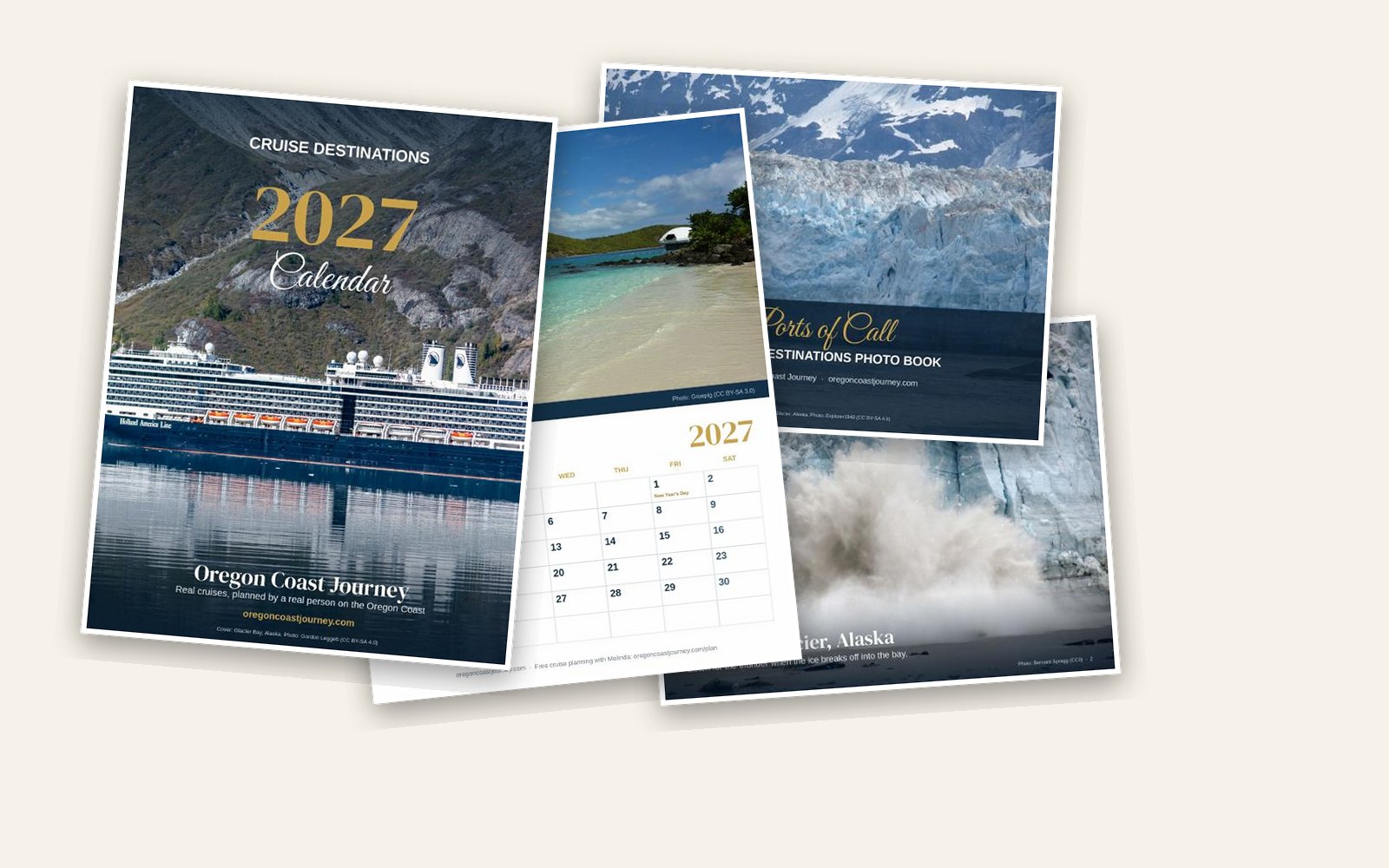
A free 2027 cruise calendar for your wall
A real cruise destination for every month, plus a Ports of Call photo book. Print them at home.
Send me the free calendarPlanning your shore days?
Book highly-rated shore excursions and port tours before the best ones sell out.
Find shore excursions on Viator →As a Viator affiliate, I earn a small commission from qualifying bookings, at no extra cost to you.
Cruise Packing Essentials
The little things that make cruising smoother: the gear I recommend to every traveler before they sail.
As an Amazon Associate, I earn from qualifying purchases, at no extra cost to you.