
Cruise Boarding Day and the Muster Drill with Kids Who Have Sensory Needs: A Calm Plan
This post may contain affiliate links. I may earn a small commission at no extra cost to you.
If you're already picturing the terminal line and the loud ship horn, and your child falling apart before you even find your cabin, you're not overthinking it. Boarding day is the busiest and least predictable day of the whole cruise. For kids with special needs or sensory needs, it can feel like a wall of new things all at once.
Here's the good news. Boarding day follows the same basic steps every time, and you can turn them into a plan your child can see and hold onto. I spent four years in Early Intervention as a Speech-Language Pathology Assistant, and the thing I believe most is this: kids handle hard moments better when they know what's coming next. So let's make cruise boarding day, and the muster drill with kids, something you can actually picture.
What happens on cruise boarding day, step by step
Every line does it a little differently, but the order is almost always the same:
- Drop off checked bags. Porters take your suitcases at the curb and deliver them to your cabin later in the day. Anything your child needs goes in a carry-on.
- Security screening. It's a lot like the airport. Bags go through an X-ray machine and you walk through a scanner. It can be loud and echoey, and it's often the most crowded spot.
- Check-in. You show your documents and boarding pass. On many lines your photo is taken or uploaded ahead of time so the crew can match you to your cruise card.
- Waiting area, then the walk onboard. Depending on the port and your arrival time, you might sit for a while or walk right up the gangway onto the ship.
Tell your child about each step on its own. “First the bags go away. They come back to our room later.”
Arrival times and asking for priority boarding
Most big lines now have you choose an arrival time during online check-in. Royal Caribbean, for example, asks guests to arrive within the time slot they picked in the Royal app and encourages finishing app check-in at least 3 days before the cruise.
The bigger question for your family is getting help moving through faster. Here's what I confirmed on the cruise lines' own sites:
- Royal Caribbean lists expedited check-in, boarding and departure in its special needs services, available on all cruises. You ask for it through the Guest Special Needs Form, ideally at booking.
- Celebrity lists priority check-in, boarding and departure on its special needs page, requested through its Special Needs Form.
- Norwegian offers boarding and disembarkation assistance on request through its Access Desk, at least 45 days before sailing.
- Princess has an Accessibility Lane at check-in, and the people traveling with you can use it too.
- Carnival is certified Sensory Inclusive by KultureCity and has a sensory needs request form. Use it to ask what boarding help they can offer for your sailing.
For any other line, ask their accessibility team plainly: “My child has sensory needs. Can we request priority or assisted boarding?” It's a request, not a promise, and it can vary by port.
Your cabin may not be ready right away. Here's where to wait
This one surprises a lot of families. You can board around midday, but your cabin often isn't open yet. Norwegian is the only line I found that publishes a time: it says most staterooms are ready around 3:00 PM. Other lines don't post a set time, so ask what to expect for your ship.
That gap can be hard. Plan for it:
- Put the gap on the schedule. “We eat lunch first. The room opens later.” If it's on the picture schedule, it's not a broken promise.
- Skip the main buffet at peak time. On boarding day the buffet is usually packed and loud. Check the app or ask a crew member where else lunch is served.
- Find a quiet corner early. Libraries, card rooms or decks away from the pool are often calmer. Make it your family's quiet spot for the week.
Set a meet-up spot and a wandering plan before you board
Terminals and ships are big, and a child who bolts can disappear around a corner fast. Before you leave the car, decide on one easy meet-up spot on the ship, like Guest Services, and show your child a photo of it if you can. Put a wristband or tag on your child with your cell number, and take a photo of your child that morning so you know exactly what they're wearing. If your child might wander, mention it on the special needs form and to Guest Services once you board, and ask how the crew handles a missing child on that ship.
How the muster drill with kids works now
Most big lines no longer gather everyone on deck in life jackets. The newer version, often called e-muster, usually has two parts:
- Watch the safety information. On Royal Caribbean it comes to your phone through the app and to your cabin TV. Other lines use a video in their app or on the TV too.
- Check in at your assembly station. You walk to your assigned station and a crew member checks you in. It's usually quick.
Royal Caribbean says there's no set time anymore. Every guest just needs to visit their station before the ship leaves. That means you can go early, when it's quieter. Princess also says to tell your stateroom steward or Guest Services if you may need help getting to your muster station, so they can plan ahead.
One important heads-up: e-muster isn't every sailing. Carnival has said a full in-person drill is still required on some sailings, roughly every six months per ship under international safety rules, and guests on those cruises get an email ahead of time. Read your pre-cruise emails carefully. If you get that notice, prep your child for a longer, louder drill with more people.
The emergency signal: what it sounds like and why to practice
The general emergency alarm is seven short blasts followed by one long blast on the ship's whistle and alarms. It's loud on purpose. Search for a recording of it before you go and play it at home, quietly at first, then a little louder. Tell your child what it means: “This sound means we walk to our safe spot together.” A sound heard ten times at the kitchen table is far less scary than one heard for the first time on deck.
Noise strategies for boarding day
The terminal, the horn and the sailaway party can stack up fast. A few things that help:
- Headphones on before you need them. Put noise-reducing headphones on in the car or before entering the terminal, not after the crying starts. On Carnival, the KultureCity sensory bags you can borrow include noise canceling headphones, but bring your own too.
- Know when the horn will blow. The ship's horn usually sounds at sailaway. Check the departure time and plan to be inside with headphones on, or skip the sailaway party. Watching from a window counts.
Make a first-day visual schedule
This is the most useful thing you can make before you go. Keep it short, use pictures, and print a copy for your day bag:
- Car ride to the ship
- Bags go to the porter (they come back later)
- Security line and check-in
- Walk onto the ship
- Lunch
- Safety video and walk to our safe spot
- Quiet time
- Room opens and bags arrive
- Ship horn and sailaway
- Dinner
Add “Wait” and “Change” cards. Times move on boarding day, and those cards show the plan is bending, not breaking. Some lines offer their own picture guides too. Royal Caribbean and Celebrity have downloadable booklets, and Carnival has a Social Story for each ship through KultureCity.
What to carry in your boarding day bag
Your checked luggage could be hours away, so pack your carry-on like a survival kit:
- Passports or birth certificates and ID, plus your boarding passes (keep documents with you, not in checked bags)
- Any medications, in their original containers
- Noise-reducing headphones
- Your printed visual schedule and a few “wait” cards
- Safe snacks and a refillable water bottle
- Comfort items like a favorite toy, blanket or fidget
- A charged tablet with downloaded shows, and a change of clothes
If you pack swimsuits for an early pool visit, remember pools are busiest on boarding day. Check whether your ship's pools have lifeguards, stay within arm's reach of kids who aren't strong swimmers, and know that many lines, including Carnival, don't allow swim diapers in their pools.
The first hour onboard: a calm plan
- Minute 1 to 10: Step away from the busy entrance, check the schedule together and point to “Lunch.”
- Minute 10 to 30: Eat somewhere calmer than the main buffet if you can.
- Minute 30 to 45: Do your safety check-in early while stations are quiet. You've already practiced the sound and the walk.
- Minute 45 to 60: Walk to your meet-up spot together, pick up any sensory items you requested, then settle into your quiet spot until the room opens.
My honest take
Boarding day is not the day to see everything. It's the day to get on and feel safe. If you do lunch, the drill and one quiet hour, that's a win. And give yourself grace. A rough first hour doesn't mean a rough cruise. If you'd like help planning your sailing, you can ask me about your trip. Planning with me is free.
Questions parents ask
Do kids have to do the cruise muster drill?
Yes. Every guest, kids included, has to complete the safety process before the ship sails. On most sailings that means watching the safety video and checking in at your assembly station, which is usually quick and can be done early when it's quiet.
Can I get priority boarding for my child with special needs?
You can request it. Royal Caribbean and Celebrity list priority or expedited boarding in their special needs services, Norwegian offers boarding help through its Access Desk, and Princess has an Accessibility Lane. Ask well before sailing.
Do cruise lines lend sensory items?
Some do. Carnival lends free KultureCity sensory bags, and Royal Caribbean and Celebrity lend toy totes in their kids clubs.
What if my child wanders off on the ship?
Set a meet-up spot before you board, put your phone number on a wristband, and take a photo of your child that morning. Tell Guest Services about wandering when you board and ask how they handle a missing child.
Sources
- Royal Caribbean: Accessible Cruising for Families
- Royal Caribbean: What Is Muster Drill on a Cruise?
- Royal Caribbean FAQ: Port arrival time
- Celebrity Cruises: Special Needs Services
- Norwegian: Additional Assistance
- Norwegian: When will my stateroom be ready?
- Princess: Accessibility at Sea
- Princess: Welcome Guide (emergency signal and muster)
- KultureCity: Carnival Cruise Line
- Carnival: Guests With Disabilities
- Cruise Industry News: Carnival full muster drills
Your free Sensory Cruise Prep Pack
You've already done the hardest part by planning ahead. My free Sensory Cruise Prep Pack has a printable visual schedule and a safety plan, so boarding day can feel a little more known for your child. You'll find it on my sensory-friendly cruise planning page. I'd love for your family to have it.
More sensory cruise guides
- Best cruise lines for special needs and sensory needs
- Sensory-friendly Alaska cruise from Seattle, no airport needed
- How to choose a quiet, safe cabin for a child with sensory needs
- Alaska cruise ports with kids who need calm
- A calm plan for boarding day and the muster drill
- Start here: sensory-friendly cruises for families

About Melinda Pearson
I’m an independent cruise consultant with Cruise Brothers in Newport, Oregon. Before I planned cruises, I spent four years in Early Intervention as a Speech-Language Pathology Assistant. I’m a mom of three boys with their own special needs and sensory needs, so I plan every trip around the kid who finds new places hard. Planning with me is free.
Planning a cruise with a kid who gets overwhelmed?
I made a free Sensory Cruise Prep Pack for families with special needs and sensory needs. It has a picture story about the ship and a visual schedule you can print at home, so day one feels a little more familiar.
Free printable
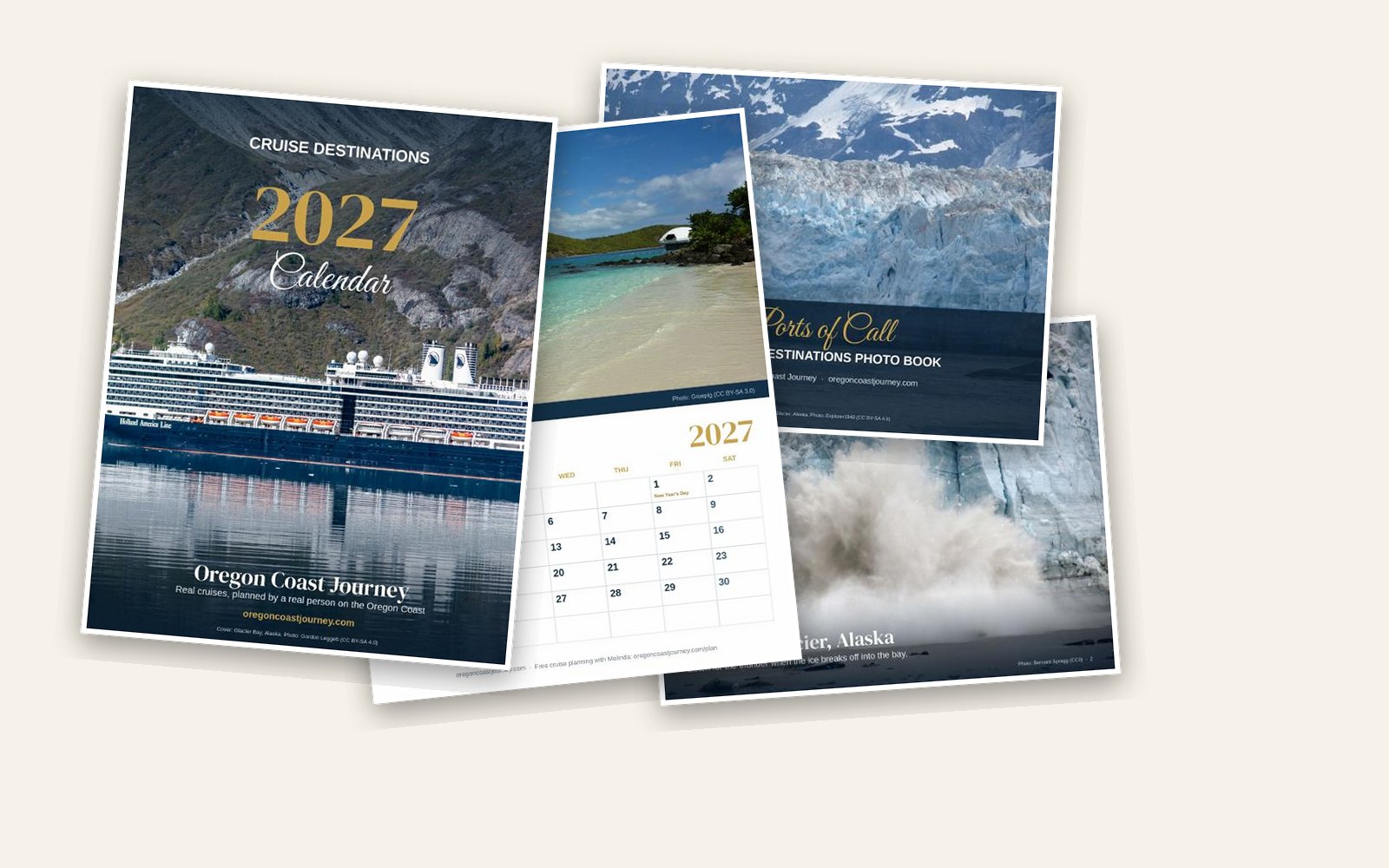
A free 2027 cruise calendar for your wall
A real cruise destination for every month, plus a Ports of Call photo book. Print them at home.
Send me the free calendarPlanning your shore days?
Book highly-rated shore excursions and port tours before the best ones sell out.
Find shore excursions on Viator →As a Viator affiliate, I earn a small commission from qualifying bookings, at no extra cost to you.
Cruise Packing Essentials
The little things that make cruising smoother: the gear I recommend to every traveler before they sail.
As an Amazon Associate, I earn from qualifying purchases, at no extra cost to you.


