

Where to Eat and What to Explore Around Rockaway Beach
This post may contain affiliate links. I may earn a small commission at no extra cost to you.
Rockaway Beach: A North Coast Food and Experience Hub

Rockaway Beach, nestled between Tillamook and Cannon Beach on Oregon's North Coast, is often overlooked by visitors racing to larger coastal towns. But locals and repeat visitors know it as a genuine working fishing village with authentic food stops, genuine hospitality, and a quieter rhythm than its neighbors. Spring is an ideal time to visit—migrating gray whales pass within sight of shore, wildflowers bloom on coastal bluffs, and shoulder-season lodging rates make longer stays affordable.
The village sits on a 7-mile sandy beach backed by coastal forest and small dunes. Unlike Cannon Beach's gallery-heavy downtown or Tillamook's cheese-factory crowds, Rockaway Beach retains a no-frills, community-focused character. That authenticity extends to its food scene: you'll find working fishing boats, family-owned restaurants, and bakeries that open early for locals and visitors alike.
Where to Eat: Fresh Seafood and Local Flavor

Rockaway Beach's food stops are tied directly to its fishing industry. The village is home to active commercial and recreational fishing operations, which means fresh catch arrives daily. Several restaurants source directly from local boats.
Planning an overnight Oregon Coast trip? Use the search box below to compare stays and flights for your route before you go.
Seafood-First Dining
Look for restaurants that highlight local Dungeness crab, Pacific halibut, and rockfish. Spring is prime crab season on the Oregon Coast—commercial crab pots are active from December through September, and Rockaway Beach restaurants feature fresh crab in pasta, sandwiches, and simple preparations. Ask your server or host which boats the catch came from; many local owners are proud to name their suppliers.
One practical tip: call ahead during shoulder season (April–May). Spring weather can close roads briefly, and some restaurants adjust hours based on foot traffic and weather forecasts. A quick phone call confirms kitchen hours and daily specials.
Bakeries and Coffee Stops
Start your morning at a local bakery rather than a chain. Rockaway Beach has small independent bakeries that open early (often 6:00 or 6:30 a.m.) to serve fishermen, locals, and early-rising visitors. Fresh pastries, sourdough, and strong coffee are standard. These stops are also ideal places to ask locals about current conditions—tide timing, whale sightings that morning, trail conditions, or weather changes forecast for the afternoon.
Coffee quality matters on the Oregon Coast. Many visitors underestimate how cold and damp spring mornings can be, even in May. A hot, well-made coffee from a local roaster is both practical and memorable. Look for cafés that roast in-house or source from regional roasters.
Markets and Prepared Foods
Rockaway Beach has a small grocery and market scene. Local markets often stock prepared seafood salads, fresh fish for cooking at your lodging, and local products (jams, smoked fish, honey). If you're staying in a rental cabin or cottage, buying fresh fish from a market and cooking it yourself is both economical and a genuine local experience.
Spring Weather and What to Pack
Spring on the Oregon Coast is unpredictable. May temperatures range from 45°F to 60°F, with frequent showers, occasional clear mornings, and afternoon wind. This matters for planning your eating and exploring.
Layering Strategy
Wear a moisture-wicking base layer, a fleece or wool mid-layer, and a waterproof outer shell. Bring a hat and gloves, even in May. Waterproof hiking boots or sturdy sneakers are essential—many of Rockaway Beach's best stops (tide pools, beach walks, overlooks) involve wet sand, rocks, or muddy trails.
Timing Your Outdoor Stops
Spring mornings are often clearer than afternoons. Plan whale-watching, wildflower photography, and beach walks for early morning (6:00–10:00 a.m.). Use afternoons for indoor stops—restaurants with views, local shops, covered market browsing—and reserve evening for sunset viewing from a sheltered overlook or restaurant window.
Whale Migration and Wildlife Viewing
Gray whales migrate north along the Oregon Coast from late March through May, heading to Arctic feeding grounds. Rockaway Beach sits on this migration corridor, and whales often come within 100–500 yards of shore.
Where and When to Watch
High points on the beach or nearby coastal bluffs offer the best vantage. Early morning (6:00–9:00 a.m.) and late afternoon (4:00–6:30 p.m.) are peak viewing times—whales feed and rest in shallower water during these hours. Bring binoculars and a camera with a telephoto lens if you have one. Never approach a whale or venture into the water to get closer; maintain respectful distance and observe from shore.
Whale watching requires patience. Sit quietly for 20–30 minutes, scan the horizon, and watch for spouts (the distinctive spray when a whale surfaces to breathe). On a good day, you'll see multiple spouts and possibly a breach or tail flukes. On other days, you'll see none—but the quiet time on the beach is valuable regardless.
Safety and Etiquette
Watching whales from high ground is the safest and most responsible approach. Rockaway Beach's dunes and bluffs provide excellent vantage points without disturbing marine life. Never attempt to feed, touch, or swim near whales. Oregon law protects marine mammals, and approaching them can result in fines and harm the animals.
Wildflowers and Spring Botanical Interest
Rockaway Beach's coastal bluffs and nearby meadows bloom in spring. Common flowers include lupine (purple-blue), Indian paintbrush (red-orange), and coastal daisies. Peak bloom is late April through May, depending on rainfall and temperature.
Where to See Wildflowers
Walk the dunes and bluff edges north and south of the main beach. Trails near Rockaway Beach State Scenic Viewpoint and nearby state parks offer safe, legal access to wildflower areas. Bring a wildflower identification guide or use a plant-identification app to learn names and stories.
Photography and Respect
Wildflowers are fragile. Photograph from the trail; do not pick flowers or trample vegetation. Coastal plants stabilize dunes and prevent erosion—they're essential to beach health. Respecting them protects the landscape for future visitors.
Lodging and Shoulder-Season Advantages
Spring is ideal for Rockaway Beach lodging because rates drop compared to summer, but the weather is often clear and mild. Vacation rentals, small motels, and bed-and-breakfasts fill quickly on weekends but have availability mid-week.
Booking Strategy
Book a rental cottage or cabin with a kitchen if you plan to cook fresh seafood or prepare picnic meals. Many rentals include views of the beach or forest, and cooking your own meals reduces costs while supporting the local economy (you'll buy ingredients at local markets).
Stay for at least two nights if possible. One night feels rushed; two nights allow time for a morning beach walk, a restaurant dinner, a quiet afternoon exploring, and a sunrise or sunset moment. Three or four nights let you experience different weather patterns and rhythms.
Mid-Week vs. Weekend
Weekdays (Tuesday–Thursday) are quieter and cheaper. Weekends (Friday–Sunday) bring families and couples, which means busier restaurants and lodging. If you prefer solitude, visit mid-week. If you want community energy and full restaurant menus, come on weekends.
Practical Activity Booking and Gear Considerations
Rockaway Beach itself requires minimal gear beyond warm clothing and waterproof layers. However, if you plan guided activities—fishing charters, kayaking, or organized wildlife tours—book in advance, especially on weekends.
Local Outfitters and Guides
Check with your lodging host or the Rockaway Beach visitor center for current outfitter recommendations. Fishing charters operate year-round but have limited capacity in spring. Kayak tours of nearby estuaries (like the Kilchis River estuary) offer calm-water paddling and bird watching, ideal for spring when water levels are high from winter rainfall.
Gear You Can Rent Locally
Binoculars for whale watching, rain gear, and sturdy boots can often be rented from outfitters or borrowed from your lodging host. Many vacation rentals provide binoculars, field guides, and local maps. Ask before arriving.
Exploring Beyond the Beach: Nearby Stops
Rockaway Beach is a base for exploring the wider North Coast. Cannon Beach (12 miles south) has galleries and restaurants. Tillamook (15 miles east) offers the famous Tillamook Creamery and Tillamook Head Trail. Cape Lookout State Park (20 miles south) has dramatic coastal hiking and tide pools.
Short Day Trips from Rockaway Beach
• Tillamook Creamery: 20-minute drive. Tour the working dairy, sample cheese, and buy fresh ice cream. Go early (before 11:00 a.m.) to avoid crowds.
• Cape Lookout Trail: 45-minute drive. A 8.2-mile round-trip hike to a dramatic headland with 800-foot cliffs, tide pools, and whale-watching opportunities.
• Cannon Beach: 20-minute drive. Walk the beach, see Haystack Rock (a 235-foot sea stack), and browse galleries and shops.
Each stop offers food options, so you can plan meals around exploration. A typical spring day might include breakfast at Rockaway Beach, a mid-morning whale-watching session, lunch at a nearby stop, an afternoon hike or tide-pool visit, and dinner back at Rockaway Beach.
Spring-Specific Planning Tips
Road and Trail Conditions
Spring rain can temporarily close coastal roads or make trails muddy. Check Oregon Department of Transportation (ODOT) and Oregon Parks and Recreation Department websites before driving. Many trails are passable but muddy—waterproof boots are non-negotiable.
Timing Your Visit Around Weather
Monitor the National Weather Service forecast for the Oregon Coast. Spring storms can arrive quickly but often pass within hours. Plan indoor activities (restaurants, shops, galleries) for rainy windows, and save beach and hiking time for clear windows.
Whale Migration Window
<!– ocj-affiliate-inline:ocj_lodging_finder –>
If you are building a weekend around this part of the coast, compare nearby lodging before finalizing the route. This can be especially useful around the North Coast when weather, daylight, and driving time affect the plan.
Where to stay near this Oregon Coast stop
If you are building a weekend around this part of the coast, compare nearby lodging before finalizing the route.
This article may contain affiliate links. Oregon Coast Journey may earn a commission if you book or buy through these links, at no extra cost to you.
Compare nearby stays through approved partners such as Booking.com, Travelpayouts lodging partners.
Gray whales migrate north through April and May. Peak sightings occur in late April. If whale watching is a priority, plan your trip for late April rather than early May.
FAQ: Rockaway Beach Dining and Experiences
Q: What is the best time of day to see whales from Rockaway Beach? A: Early morning (6:00–9:00 a.m.) and late afternoon (4:00–6:30 p.m.) are peak times. Whales feed and rest in shallow water during these windows. Bring binoculars, dress warmly, and be patient—sightings are not guaranteed, but the quiet beach time is rewarding regardless.
Q: Do I need to book restaurants in advance during spring? A: On weekends, yes. Call ahead or check for online reservations. Mid-week, walk-ins are usually fine. Ask your lodging host for current recommendations and reservation practices.
Q: Are there good tide pools near Rockaway Beach? A: Yes, but tide-pool access depends on tide timing and nearby state parks. Cape Lookout State Park (20 minutes south) has excellent tide pools. Check tide tables before visiting—the best tide-pool exploration happens during low tide. Wear waterproof boots and respect wildlife by looking without touching.
Q: What should I pack for spring weather? A: Waterproof jacket, fleece or wool mid-layer, base layer, hat, gloves, and waterproof boots. Layers are essential—you'll shed and add as you move between beach, car, and restaurants. Bring sunscreen; coastal sun reflects off sand and water, even on cloudy days.
Q: Can I fish from Rockaway Beach? A: Yes, but you need an Oregon fishing license (available online or at local retailers). Surf fishing for perch and rockfish is popular. Fishing charters operate from nearby ports. Check Oregon Department of Fish and Wildlife for current seasons and regulations.
Conclusion: Rockaway Beach as a Genuine Coastal Stop
Rockaway Beach is not a destination for shopping or nightlife. It's a place to eat fresh seafood, watch whales, walk a quiet beach, and experience the Pacific Northwest coast as it actually is—working, weather-variable, and genuinely beautiful. Spring is an ideal season: wildflowers bloom, whales migrate, lodging is affordable, and the rhythm is slower than summer. Plan for two or three nights, pack layers, book restaurants in advance on weekends, and allow time for quiet observation. The best experiences often come from sitting still—watching the horizon, listening to the ocean, and letting the coast reveal itself at its own pace.
Related Oregon Coast planning links
- Port Orford With Kids, Dogs, or Mixed-Ability Travelers
- Cape Perpetua Storm Watching: Safe Spots & Timing
- Where to Eat and What to Explore Around Yaquina Head
Free printable: a 2027 cruise calendar with a real port of call for every month. Get yours here →
Official resources to verify before you go
- Travel Oregon coastal trip planning
- Oregon State Parks visitor updates
- NOAA tide and current information
Optional partner planning link: compare Oregon Coast lodging options. Always compare current prices, terms, and cancellation details before booking.
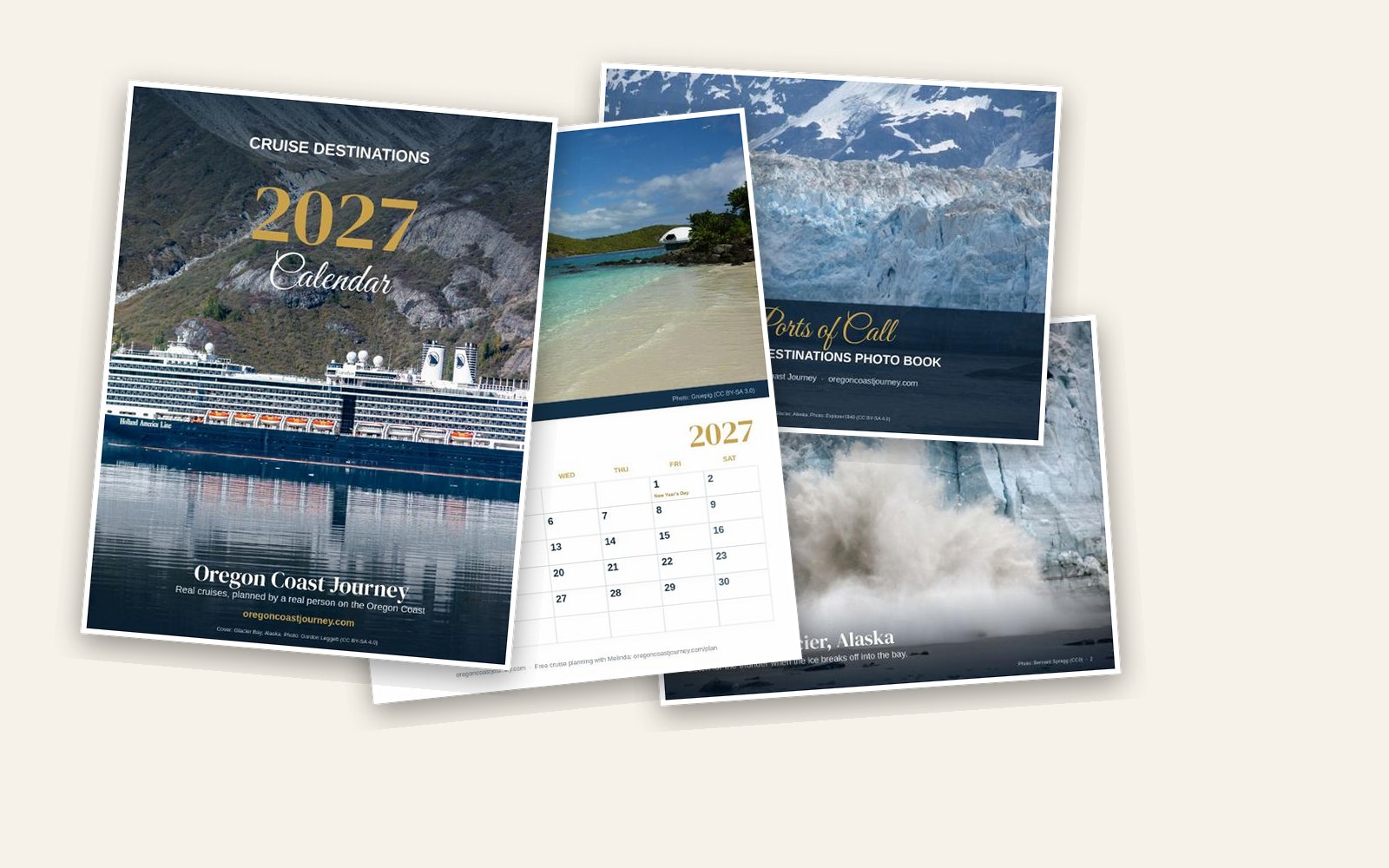
Free printable
A free 2027 cruise calendar for your wall
A real cruise destination for every month, plus a Ports of Call photo book. Print them at home.
Send me the free calendar
Planning your shore days?
Book highly-rated shore excursions and port tours before the best ones sell out.
Find shore excursions on Viator →As a Viator affiliate, I earn a small commission from qualifying bookings — at no extra cost to you.
Cruise Packing Essentials
The little things that make cruising smoother — the gear I recommend to every traveler before they sail.
As an Amazon Associate, I earn from qualifying purchases — at no extra cost to you.


