Wedding Cruises: A Unique Way to Celebrate Your Big Day
This post may contain affiliate links. I may earn a small commission at no extra cost to you.
A wedding cruise combines the ceremony, reception, travel, and honeymoon into one planned experience. Couples can marry at sea, in port, or at a destination reached during the voyage, depending on the cruise line and package they choose.
A wedding cruise can simplify a destination wedding by combining the venue, accommodations, dining, entertainment, and honeymoon in one trip. Couples should compare ceremony settings, guest arrangements, package inclusions, costs, legal requirements, and planning deadlines before booking.
The right choice depends on the couple’s preferred setting, budget, guest list, and travel plans. The following guide explains how cruise weddings work and how to plan a smooth celebration from the ceremony through the honeymoon.
How Cruise Weddings Work
Cruise weddings may take place onboard, during embarkation day, or at a port destination. Couples must confirm whether the ceremony creates a legal marriage, which documents apply, and whether guests need to sail or can attend with a day pass.
Onboard, Embarkation-Day, And Ashore Ceremonies
An onboard wedding usually takes place in a ship venue such as a lounge, chapel, restaurant, or outdoor deck. The cruise line’s wedding coordinator schedules the ceremony, arranges seating and flowers, and coordinates photography, music, food, and the officiant. Couples should confirm whether the ship remains in port, because many ceremonies occur before departure.
Embarkation-day ceremonies let guests attend without taking the cruise. These events require early arrival, security screening, travel documents, and a day pass arranged through the cruise line. Port authorities may limit guest access, and all non-sailing guests must leave before the ship departs.
An ashore ceremony forms part of a destination wedding at a port such as a beach resort, historic site, or private venue. Transportation, port timing, weather, and the ship’s return schedule affect the event. Couples should allow enough time to return before the all-aboard deadline.
Legal Marriages Versus Symbolic Ceremonies
A cruise wedding can be legally recognized, but the requirements depend on the ship’s registration, the ceremony location, and local law. A captain may officiate only when permitted by the vessel’s flag-state rules, and some cruise lines use a shore-based officiant instead. The couple should identify the exact authority issuing the marriage license before booking.
Legal ceremonies typically require passports, birth records, divorce decrees, or other certified documents. Authorities may impose waiting periods, residency rules, translations, or deadlines for submitting paperwork. After the ceremony, the couple receives a marriage certificate from the relevant jurisdiction, although delivery may occur weeks later.
A symbolic ceremony does not create a legal marriage. Couples often complete the civil marriage in their home country before sailing, then hold a personalized ceremony onboard or ashore. This option can reduce paperwork and provide more control over the ceremony date, officiant, and wording.
Who Can Attend And Guest Sailing Requirements
Guests who sail with the couple need cruise reservations, valid travel documents, and compliance with the cruise line’s check-in deadlines. Their fares include accommodation, meals, and access to onboard facilities, but each guest remains responsible for transportation to the embarkation port and any required visas.
Guests attending only an embarkation-day ceremony may qualify for a day pass, but availability is limited and approval is not automatic. They usually submit identification details in advance, pass through port security, and leave the ship before departure. The cruise line may restrict the number of day visitors.
Couples should account for guests who cannot sail, including children, older relatives, and people with mobility or medical needs. They should also confirm stateroom availability, accessible cabins, group booking terms, cancellation rules, and whether the wedding package includes guest transfers, meals, or ceremony seating.
Choosing The Right Ceremony Setting
The setting affects the ceremony’s schedule, privacy, legal requirements, and guest experience. Couples should compare shipboard venues, port destinations, and guest-list size before selecting a cruise wedding package.
Shipboard Venues And At-Sea Celebrations
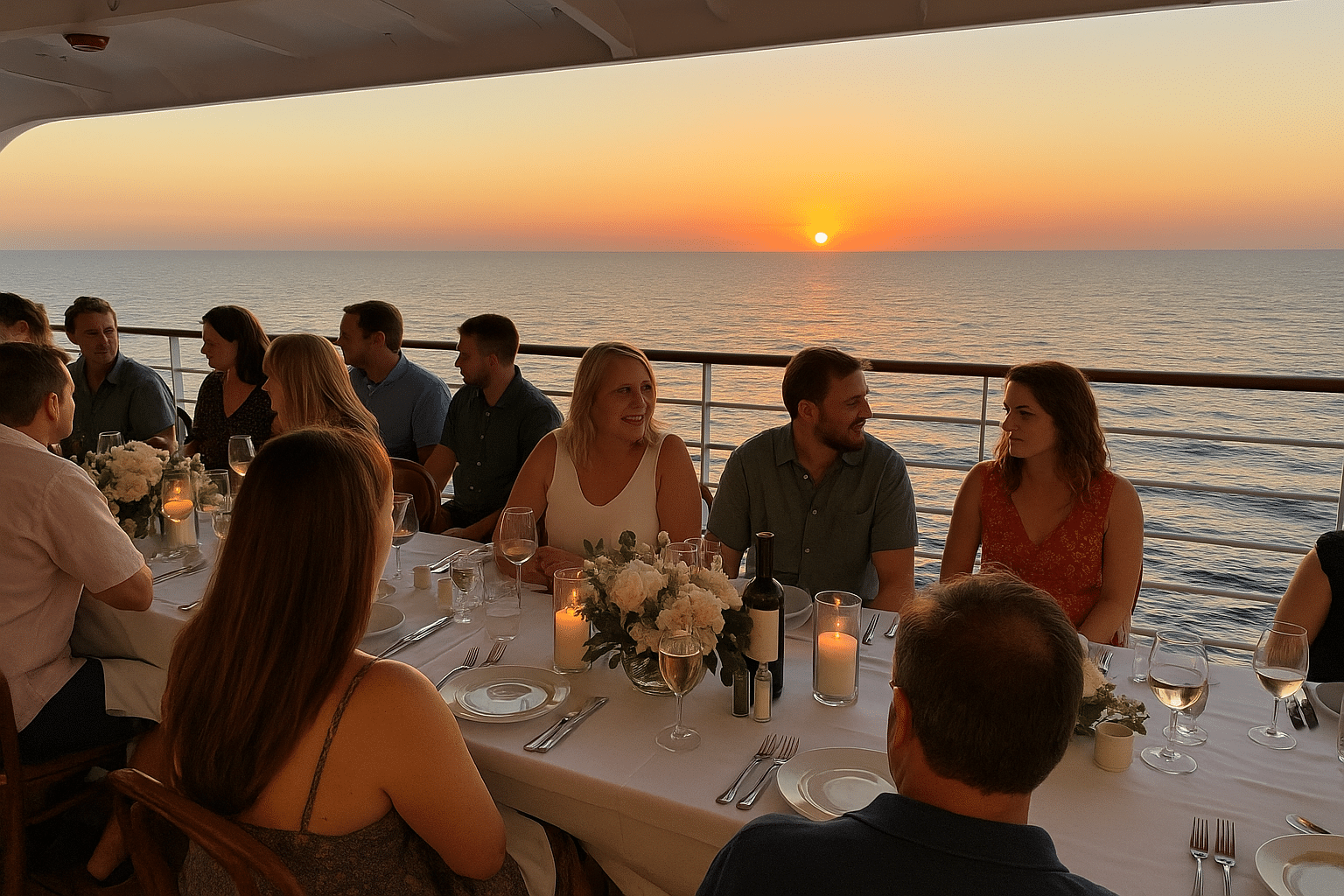
Shipboard ceremonies offer predictable logistics and easy access to onboard services. Couples can often choose a lounge, atrium, observation deck, or private dining room, depending on the cruise line and sailing itinerary. These venues may include seating, floral arrangements, music, photography, and coordination through the cruise line’s wedding coordinator.
An at-sea celebration typically takes place while the ship travels between ports. The cruise line may provide a wedding officiant, but couples should confirm whether the ceremony is legally recognized in the chosen jurisdiction. Some packages provide a symbolic ceremony instead of a legal marriage, requiring the couple to complete legal paperwork before or after sailing.
Weather, ship movement, and public access can affect outdoor ceremonies. Couples should ask about indoor backup spaces, ceremony times, guest seating, accessibility, and whether other passengers can enter the venue.
Private-Island And Port Destination Options
A destination wedding cruise can include a ceremony at a private island, beach resort, garden, historic site, or waterfront venue. Couples may select a Love Ashore package or a similar port-based service that arranges transportation, ceremony space, basic décor, and local coordination.
Port ceremonies require careful timing. The couple should allow enough time for disembarkation, travel, security checks, photographs, and a return to the ship before it departs. A wedding coordinator can provide a detailed schedule and identify backup plans for rain, transportation delays, or port changes.
Legal rules vary by destination. The couple should confirm residency requirements, required documents, translation needs, marriage-license procedures, and officiant qualifications. A symbolic ceremony may simplify logistics, while the couple completes the legal wedding in their home jurisdiction.
Intimate Gatherings Versus Larger Guest Lists
An intimate ceremony generally suits couples who want a quieter setting and simpler coordination. Small groups can fit in private shipboard lounges, specialty restaurants, or reserved areas at a port destination. They also allow the couple to spend more time with each guest during the sailing.
Larger guest lists require early cabin planning, clear payment deadlines, and accessible ceremony and reception spaces. The couple should ask how the cruise line handles group reservations, dining arrangements, transportation, and guests who cannot board or disembark easily.
A larger wedding may need separate areas for the ceremony, meal, and dancing. Couples should also confirm whether the wedding coordinator manages only the ceremony or the full event, including guest transfers, photography, entertainment, and reception timing.
What Wedding Packages Commonly Include
Cruise wedding packages typically combine ceremony planning, officiant services, floral arrangements, music, cake, photography, and selected reception extras. Couples should check what the base price covers, which items cost more, and whether guest meals, port fees, licenses, or gratuities remain separate.
Planning, Officiants, And Ceremony Details
A wedding planner or onboard wedding coordinator usually manages scheduling, vendor arrangements, paperwork guidance, and communication with the couple. The coordinator may also confirm the ceremony location, rehearsal time, guest seating, and embarkation requirements.
Most cruise wedding packages include a wedding officiant, although legal requirements vary by ship, sailing location, and nationality. Some ceremonies remain symbolic unless the couple completes documents through the relevant civil authority. The package may provide a ceremony script, vows, a keepsake wedding certificate, and basic seating décor.

Couples should confirm whether the package includes a marriage license, filing fees, transportation to a shore ceremony, and coordination with port officials. They should also ask how weather affects outdoor ceremonies and whether the cruise line offers an indoor backup location.
Flowers, Music, Cake, And Toasts
Floral services commonly include a bridal bouquet, a matching boutonniere, and limited ceremony arrangements. Couples may select colors and flower styles from a catalog, while custom or seasonal flowers usually require an additional fee.
Packages often provide recorded ceremony music through the ship’s sound system. Some cruise lines offer live music, such as a pianist, guitarist, or string duo, for an extra charge and subject to availability.
A small wedding cake generally comes with standard flavors, fillings, and decoration options. Larger cakes, specialty designs, and additional servings may cost more. A champagne toast or sparkling wine toast may include one glass per guest, while upgraded beverages, nonalcoholic options, and private bar service typically carry separate charges.
Photography, Receptions, And Couple Extras
Wedding photography packages may include a set number of edited digital images, ceremony coverage, or a scheduled portrait session. A wedding photo package can differ significantly in duration, image count, album options, and delivery method, so couples should review sample galleries and confirm when they will receive the files.
Reception choices may include reserved dining space, a meal, cake service, sparkling wine, and basic table settings. Some packages use a restaurant reservation rather than a private reception, and larger groups may face minimum spending requirements.
Common couple extras include a honeymoon dinner, cabin decorations, breakfast in bed, spa treatments, priority boarding, and a keepsake certificate. Couples should verify whether these benefits apply during the wedding sailing or require advance reservations.
Comparing Cruise Lines And Package Styles
Cruise wedding packages differ in ceremony locations, planning support, guest inclusions, and onboard reception options. Couples should compare legal requirements, sailing schedules, port calls, photography, dining, and cancellation terms before selecting a cruise line.
Royal Caribbean Wedding Options
Royal Caribbean offers cruise wedding packages through its Royal Weddings program, with ceremonies held onboard or at selected ports. Couples can choose a shipboard ceremony led by a licensed officiant, a destination ceremony, or a symbolic event when local legal requirements make a civil marriage impractical.
Packages may include venue setup, floral arrangements, a cake, champagne, music, and photography. Some options support larger receptions with private dining, cocktails, and entertainment, while simpler packages suit couples who want a short signature ceremony followed by a group dinner.
Royal Caribbean ships provide varied venues, including lounges, outdoor decks, and specialty restaurants. Couples should confirm whether the captain can conduct the ceremony, whether the package includes a marriage license, and how much guests pay for dining, drinks, and excursions.
Carnival Cruise Celebrations
Carnival Cruise weddings emphasize flexible celebrations and accessible package levels. Its Fairy Tale Weddings program offers onboard ceremonies, embarkation-day events, and destination celebrations at selected ports, including options connected with the Love Ashore brand.
A basic package may cover the ceremony venue, officiant, flowers, cake, sparkling wine, and recorded music. Larger packages can add photography, video, upgraded floral designs, live music, reception food, and private event space. Couples can often select a short ceremony with a larger reception or keep the entire event small.

Carnival’s port ceremonies may take place on beaches, gardens, historic sites, or other approved venues, depending on the itinerary. Couples should review marriage-license rules, transportation arrangements, guest deadlines, and weather backup plans. Embarkation-day weddings require guests to complete check-in procedures early and follow strict boarding schedules.
Princess, MSC, And Other Cruise Line Offerings
Princess Cruises often appeals to couples seeking refined venues, attentive dining, and destination-focused ceremonies. Its packages may include onboard vows, port weddings, floral arrangements, photography, cake, and reception services, while legal requirements vary by destination.
MSC Cruises provides wedding options that can suit international itineraries and multicultural guest groups. Couples should check the available ceremony languages, menu choices, venue capacity, and whether the selected package covers a legal or symbolic ceremony.
Other lines may offer smaller wedding cruises with fewer package tiers but more personalized planning. A comparison table can clarify differences:
| Factor | Questions to ask |
|---|---|
| Ceremony status | Is it legally recognized or symbolic? |
| Guest costs | Are meals, drinks, and transfers included? |
| Reception | Does the package provide private space and a set menu? |
| Planning | Is a dedicated coordinator assigned? |
| Port timing | What happens if the ship changes its itinerary? |
Planning Timeline, Budget, And Important Logistics
A cruise wedding requires early coordination between the couple, cruise line, wedding planner, and wedding coordinator. Booking dates, group staterooms, travel documents, port requirements, vendor rules, package inclusions, and extra fees helps prevent last-minute changes.
When To Reserve Your Date And Group Cabins
Couples should reserve the wedding date and group staterooms 9–12 months before sailing, especially for popular departure ports, holiday periods, and larger guest lists. Some cruise lines require a minimum number of cabins for group pricing or private event options. A wedding planner can compare sailing dates, cabin categories, deposit deadlines, and cancellation terms before guests make payments.
The couple should confirm whether the ceremony takes place onboard, in port, or at sea. Legal requirements may limit the available dates and locations. They should also ask when the final guest count, cabin list, meal selections, and ceremony details become due.
A wedding coordinator typically manages the cruise line’s schedule, ceremony space, reception timing, and package details. Guests should receive written instructions covering deposits, payment deadlines, passport requirements, boarding times, and travel insurance.
Documents, Port Rules, And Vendor Restrictions
The couple should verify whether the ceremony will create a legally recognized marriage. A marriage license may require residency, identification, birth certificates, divorce decrees, or an appointment before sailing. Some ceremonies performed at sea or in foreign ports follow the ship’s flag-state or local laws, while others remain symbolic.
Every guest should check passport validity, visa requirements, and entry rules for each port. The cruise line may deny boarding without the required documents, even if a guest plans to attend only the ceremony.
Cruise lines often restrict outside vendors, alcohol, food, decorations, drones, and large signage. Couples should ask whether they may bring a photographer, officiant, wedding cake, or florist. Security may confiscate prohibited items at embarkation, and approved vendors may charge travel or access fees.
Customizations And Costs To Confirm Before Booking
Cruise wedding packages may include the ceremony venue, officiant, flowers, music, cake, sparkling wine, photography, and a coordinator. Couples should request an itemized list showing the number of guests covered, service duration, taxes, gratuities, port fees, delivery charges, and costs for upgrades.
They should confirm whether the wedding cake serves the full group or only a small ceremonial portion. The same applies to wedding photography: packages may include a limited number of edited images, a short session, or digital files without prints.

Common added costs include private reception space, premium menus, upgraded flowers, live music, extra photography hours, transportation, marriage-license fees, and cabin upgrades. A wedding planner can compare package terms, while the onboard wedding coordinator confirms setup times, venue access, weather alternatives, and final payment dates.
Extending The Celebration Beyond The Ceremony
A wedding cruise can continue after the ceremony through honeymoon activities, private dining, and personalized cabin arrangements. Couples can also plan a vow renewal or proposal at sea, supported by romantic touches such as breakfast, sparkling wine, and stateroom gifts.
Honeymoon Experiences And Romantic Dining
Couples can extend their honeymoon with shore excursions, spa treatments, and quiet time on the ship. A romantic breakfast in the stateroom may include a continental breakfast, fresh fruit, pastries, coffee, and mimosas, allowing them to start the day privately.
For an evening celebration, they can reserve a honeymoon dinner at a specialty restaurant or request in-room dining. A champagne toast or sparkling wine toast pairs well with dessert, while chocolate-covered strawberries add a simple finishing touch.
They should confirm availability, dining fees, and reservation requirements before sailing. Some cruise lines offer honeymoon packages that include stateroom gifts, such as flowers, wine, chocolates, or decorated bedding.
Vow Renewals And Proposals At Sea
A cruise provides several settings for a vow renewal or proposal, including an outdoor deck, a private balcony, or a lounge overlooking the water. Couples should choose a time with suitable weather and limited foot traffic if they want a quieter experience.
A proposal may include a photographer, flowers, a sparkling wine toast, or a reserved dinner afterward. Couples planning a vow renewal can request a short ceremony, personalized vows, music, and photography, although the cruise line may treat the event as a symbolic service rather than a legal ceremony.
Those planning a wedding at sea or a renewal should review the cruise line’s documentation, scheduling, and officiant requirements. They should also keep rings and important documents in secure personal storage during travel.
Romantic Add-Ons For The Couple
Cruise lines may offer romantic add-ons that couples can arrange before departure or through the onboard guest services desk. Common choices include floral arrangements, stateroom gifts, breakfast delivery, specialty dining, couples’ spa treatments, and private photography sessions.
Couples should compare package details instead of assuming every service comes included. A package might provide sparkling wine but charge extra for delivery, while another may substitute a nonalcoholic beverage based on local regulations or the guest’s age.
A private balcony, sunset excursion, or reserved table can create a more personal setting without requiring extensive planning. The couple should provide the sailing date, cabin number, dietary restrictions, and preferred delivery time when ordering these services.
Frequently Asked Questions
Cruise weddings vary by cruise line, ship, destination, legal requirements, and guest count. Couples should compare ceremony locations, marriage rules, package inclusions, and total travel costs before booking.
Which cruise line is best for a wedding?
The best cruise line depends on the couple’s priorities. Royal Caribbean offers large ships, varied onboard venues, and extensive entertainment, while Celebrity Cruises provides a more upscale setting with smaller, refined ceremony options.

Princess Cruises is known for wedding packages that may include shipboard ceremonies, photography, flowers, music, and officiant services. Couples should compare current packages, ship itineraries, guest policies, and wedding coordinator support before choosing.
Can you legally get married on a cruise ship?
A couple can legally marry on a cruise ship only when the ship’s flag state and local laws allow it. Some cruise lines conduct legal ceremonies while the ship remains in port or travels through specific jurisdictions.
Many couples instead complete the legal marriage process in their home country or at the destination, then hold a symbolic ceremony onboard. The cruise line or its licensed wedding provider can explain document, residency, translation, and filing requirements.
How much does a cruise wedding typically cost?
A cruise wedding package commonly costs about $1,000 to $10,000, depending on the cruise line, ceremony location, guest count, photography, reception, flowers, and legal services. The couple must also budget for cruise fares, taxes, port fees, travel, attire, and optional events.
A small ceremony with limited services may cost less than $3,000 before travel expenses. A larger celebration with a private reception, upgraded menu, photography, décor, and entertainment can exceed $10,000.
What is included in an all-inclusive cruise wedding package?
An all-inclusive package may include a ceremony venue, officiant, coordinator, bouquet, boutonniere, music, basic floral décor, cake, sparkling wine, and a photography session. Some packages also include a private reception, plated meal, open bar, photography upgrades, and a video recording.
The term all-inclusive differs by cruise line. Couples should check whether the package includes gratuities, legal fees, marriage certificates, guest meals, transportation, professional photography, and private venue charges.
Which cruise ships offer onboard wedding ceremonies?
Cruise lines that offer onboard wedding ceremonies include Princess Cruises, Royal Caribbean, Celebrity Cruises, Carnival Cruise Line, Norwegian Cruise Line, and MSC Cruises. Available ships and ceremony locations vary by itinerary, ship size, port schedule, and local regulations.
Some ships provide chapels, lounges, outdoor decks, theaters, restaurants, or private dining rooms. Couples should verify that the selected ship offers ceremonies on the specific sailing rather than relying only on the cruise line’s general wedding information.
Is a $5,000 budget enough for a cruise wedding?
A $5,000 budget can cover a small cruise wedding if the couple chooses a modest package, limits the guest list, and books an affordable sailing. The budget may cover the ceremony, basic flowers, cake, music, and some photography, but it often excludes cruise fares and travel expenses.
Couples should request a complete quote that includes taxes, port fees, gratuities, attire, flights, accommodations, legal paperwork, guest transportation, and reception costs. A symbolic ceremony may provide more flexibility than a legally recognized onboard marriage.
Free: Pacific Coast Cruise Planning Checklist
Grab my free step-by-step checklist for planning an Alaska, Mexican Riviera, Hawaii, or Pacific Coastal cruise — sent straight to your inbox.

Planning your shore days?
Book highly-rated shore excursions and port tours before the best ones sell out.
Find shore excursions on Viator →As a Viator affiliate, I earn a small commission from qualifying bookings — at no extra cost to you.
Cruise Packing Essentials
The little things that make cruising smoother — the gear I recommend to every traveler before they sail.
As an Amazon Associate, I earn from qualifying purchases — at no extra cost to you.