Cruises California Coast: Scenic Routes and Coastal Highlights
This post may contain affiliate links. I may earn a small commission at no extra cost to you.
California cruises let travelers explore coastal cities, Pacific scenery, and nearby destinations from one convenient base. A California coastal cruise may visit ports such as San Diego, Los Angeles, Santa Barbara, Monterey, and San Francisco, while longer Pacific coast cruises can continue toward Oregon, Washington, British Columbia, or Baja California.
Travelers can choose a California coast cruise based on their preferred itinerary, departure port, travel dates, and shore experiences. The right sailing can combine historic waterfronts, wine regions, beaches, national parks, and Mexico’s coastal towns with onboard dining and entertainment.
This guide explains how to compare routes, plan embarkation, select ports of call, and evaluate excursions and overall value. It also covers what travelers can expect from a cruise vacation along California’s coast and beyond.
Choosing the Right Itinerary
Cruise length, seasonal weather, port selection, and sea days shape the experience on cruises from California. Travelers should compare departure ports, including Los Angeles, ship brands, and regional highlights before selecting an itinerary.
Short Coastal Getaways
Short itineraries usually last two to five nights and suit travelers who want a brief introduction to cruising. Cruises from Los Angeles may include a sea day, a stop in Ensenada, or a visit to Catalina Island, depending on the ship and schedule.
These sailings offer limited time in port, so passengers should check arrival and departure hours carefully. Ensenada supports activities such as food tours, winery visits, coastal sightseeing, and excursions to La Bufadora, while Catalina Island provides beaches, walking trails, and water activities close to town.
NCL, Princess Cruises, and Royal Caribbean commonly offer short cruises from California during parts of the year. Travelers should compare cabin prices, included dining, gratuities, and departure times because a low fare may not include all onboard costs.
Northbound Pacific Northwest Sailings
Northbound itineraries generally travel from Los Angeles or San Francisco toward ports such as Astoria, Seattle, Victoria, and Vancouver. They often last seven to ten nights and combine coastal scenery with city visits in the Pacific Northwest.
These cruises may include cooler temperatures, rain, and rougher water than Mexico routes, particularly in spring or fall. Passengers should pack layers, waterproof outerwear, and comfortable shoes for walking tours.
Port schedules vary significantly. Seattle and Vancouver offer museums, restaurants, and transportation connections, while Victoria features gardens, historic districts, and harbor attractions. Travelers who want Alaska’s scenery may choose a sailing that continues north through the Inside Passage, although those itineraries usually require more days.
Southbound Mexico and Mexican Riviera Routes
Southbound itineraries from Los Angeles commonly visit Cabo San Lucas, Mazatlán, and Puerto Vallarta. Seven-night routes often provide a balance of sea days and port visits, while longer cruises may add additional Mexican destinations.
Cabo San Lucas suits travelers seeking beaches, marine excursions, and desert landscapes. Mazatlán offers a historic center, a broad waterfront, and local dining, while Puerto Vallarta provides beaches, cultural attractions, hiking, and boat trips in Banderas Bay.
The season affects weather, shore conditions, and hurricane-related itinerary changes. Travelers should review each port’s docking arrangements because some ships use tenders, especially at Cabo San Lucas. Princess Cruises, Royal Caribbean, and NCL frequently operate Mexican Riviera itineraries, while other lines may offer seasonal variations.
Extended Hawaii, Alaska, and Panama Canal Voyages
Longer itineraries require more vacation time but reach destinations that short cruises cannot. Hawaii cruises from California often last about 14 to 16 nights and may visit Honolulu, Maui, Kauai, and the Big Island, with several sea days during the Pacific crossing.
Alaska sailings may depart from California as repositioning voyages or combine the West Coast with Vancouver and ports such as Juneau, Ketchikan, and Skagway. A route through the Inside Passage offers protected waters and scenic views, but travelers should verify whether the ship visits Glacier Bay or another scenic cruising area.
Panama Canal voyages typically connect California with Florida or the Caribbean and may include Mexico, Central America, and Colombia. Holland America, Princess Cruises, and other major lines operate these longer routes; passengers should check transit type, shore excursions, and airfare needs before booking.
Departure Ports and Embarkation Planning
California coast cruises commonly depart from Los Angeles, San Diego, or San Francisco, while longer Pacific itineraries may begin in Seattle or Vancouver. Travelers should match airport choices, hotel locations, transfer timing, and port requirements to the ship’s scheduled departure.
Los Angeles and San Diego
Los Angeles cruises usually depart from the Port of Los Angeles in San Pedro, about 20 miles from Los Angeles International Airport (LAX), although traffic can make the journey take much longer. Long Beach Airport offers a closer alternative for some travelers, but flight schedules may be more limited.
San Diego cruises generally use the B Street Pier or nearby cruise terminals downtown. San Diego International Airport sits only a few miles from the port, making it convenient for passengers arriving on the same day, although an overnight stay reduces the risk of missing embarkation.
Travelers should check the cruise line’s terminal assignment before booking transportation. Cruise plus hotel packages may include a night near the port and a scheduled shuttle, but passengers should confirm luggage handling, pickup times, taxes, and cancellation terms.
San Francisco Sailings
San Francisco departures typically use Pier 35, near Fisherman’s Wharf and the Embarcadero. The port’s central location gives passengers access to hotels, restaurants, and attractions, but steep streets, event traffic, and limited curb space can complicate transfers.
San Francisco International Airport (SFO) lies about 13 miles south of the cruise terminals. Oakland International Airport may provide another option, though the transfer crosses the Bay and can take longer during busy periods. Travelers should allow extra time for traffic, airport delays, and luggage collection.
A hotel near the Embarcadero, Union Square, or Fisherman’s Wharf can simplify embarkation. Passengers should verify whether a package includes a ship transfer, since a standard hotel shuttle may not serve Pier 35 or may operate only at fixed times.
Seattle and Vancouver Departures
Seattle departures commonly use Pier 91, north of downtown, or Pier 66 near the city center. Seattle-Tacoma International Airport is roughly 15 miles from the port, but road congestion can extend the trip significantly. Travelers should confirm the pier because each terminal requires different routing.
Vancouver cruises generally depart from Canada Place, located downtown near Waterfront Station. Vancouver International Airport connects to the city by the Canada Line, while taxis, rideshares, and cruise-line transfers provide direct service for passengers carrying substantial luggage.
Cross-border travelers should carry valid passports and check entry requirements for both the United States and Canada. A one-night hotel stay near the departure port helps protect against flight delays, especially when the itinerary crosses the border or begins with an early afternoon sailing.
Flights, Hotels, and Ground Transfers
Passengers should schedule flights to arrive at least one day before departure whenever possible. Same-day airplane-to-ship transfers create risk because airlines, weather, traffic, baggage delays, and port security can all affect arrival time.
Cruise lines sometimes sell air-and-transfer packages that coordinate flights with scheduled transportation to the terminal. These arrangements may provide assistance during disruptions, but passengers should review arrival windows, transfer fees, baggage procedures, and the terms that apply if a flight arrives late.
Hotels near the port reduce transfer distance, while airport hotels may offer better rates or earlier shuttle service. Travelers should confirm the exact terminal, reserve transportation in advance, and keep passports, boarding documents, medication, and essential clothing in carry-on bags rather than checked luggage.
California Ports of Call and Top Experiences
California cruise stops connect major cities, historic districts, beaches, islands, and nearby wine regions. Travelers can explore San Francisco’s landmarks, Santa Barbara’s waterfront, San Diego’s attractions, and Catalina Island’s outdoor activities within a limited port schedule.
San Francisco Landmarks and Neighborhoods
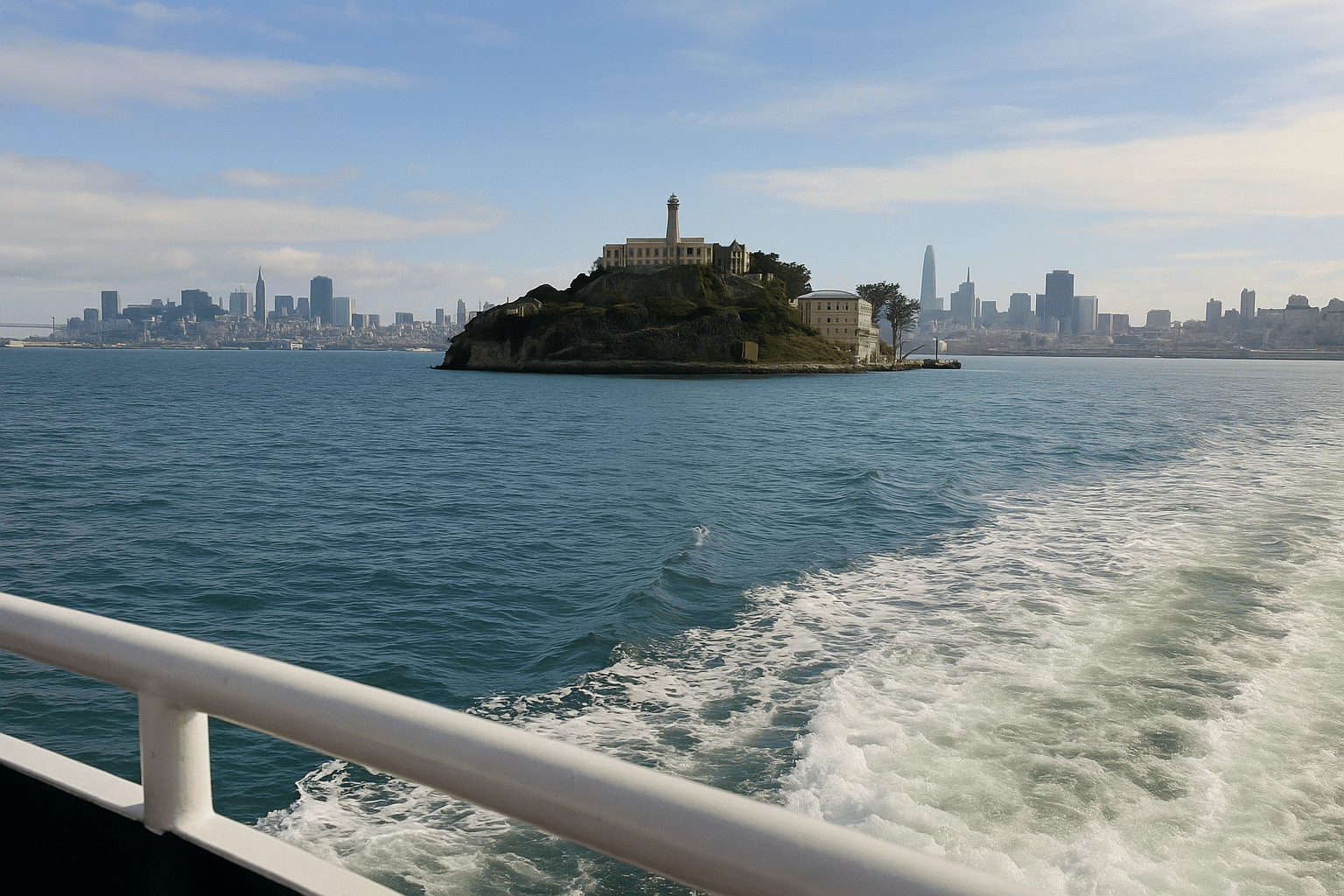
San Francisco offers cruise visitors a concentrated mix of waterfront sights and historic neighborhoods. Fisherman’s Wharf and Pier 39 sit near the cruise terminals, with sea lions, seafood restaurants, bay views, and ferries to Alcatraz Island. Alcatraz requires advance reservations, and visitors should allow several hours for the boat ride and audio tour.
The Golden Gate Bridge provides a major photo stop, while Lombard Street, Chinatown, and the Painted Ladies add distinctive city scenery. Travelers with a full day can visit Muir Woods, although traffic and timed-entry requirements make advance planning important. Trips to Napa Valley or Sonoma Valley require more travel time and usually work better with a private transfer or organized shore excursion.
Santa Barbara Wine Country and Waterfront
Santa Barbara combines a walkable waterfront with Spanish-style architecture, beaches, and access to nearby wine regions. The harbor sits close to Stearns Wharf, where visitors can find seafood restaurants, small shops, and views across the Pacific. State Street leads inland through the city center, with galleries, restaurants, and historic buildings within walking distance or a short taxi ride.
Wine-focused excursions typically travel north through the Santa Ynez Valley rather than directly to Napa Valley. The region includes tasting rooms in Los Olivos, Solvang, and Santa Ynez, where travelers can sample Santa Barbara County wines. Because winery visits require transportation and reservations, passengers should choose excursions that guarantee a timely return to the ship.
San Diego Attractions
San Diego’s cruise terminals provide convenient access to downtown, the Embarcadero, and the Gaslamp Quarter. The USS Midway Museum occupies a retired aircraft carrier near the waterfront, while Seaport Village offers shops, restaurants, and bay views. Balboa Park adds museums, gardens, and Spanish Colonial Revival architecture.
The San Diego Zoo remains a popular full-day choice, but visitors should allow travel time and several hours for the zoo itself. Coronado offers beaches, the historic Hotel del Coronado, and skyline views across the bay. Excursions to Los Angeles, the Hollywood Walk of Fame, or Rodeo Drive involve substantial driving and may leave little time for independent sightseeing.
Catalina Island Escapes
Catalina Island offers a slower-paced stop centered on Avalon, a compact harbor town reached by tender or ferry access from the cruise ship. Visitors can walk along Crescent Avenue, browse local shops, visit the Catalina Casino exterior, or relax on Descanso Beach. Golf cart rentals provide a practical way to explore Avalon’s steep streets and viewpoints.
Outdoor excursions include glass-bottom boat tours, snorkeling, kayaking, parasailing, and guided inland trips. Travelers should confirm tender procedures and book popular activities early, especially during busy sailing periods. Avalon’s main attractions sit close together, so passengers with limited time can combine a waterfront walk with lunch and one scheduled activity.
Mexico and Baja Coastal Stops
Ensenada combines Baja seafood, Mexican wine-country access, and the natural spectacle of La Bufadora. Farther south, Cabo San Lucas offers beaches, marine wildlife, snorkeling, and organized water activities along the Mexican Riviera.
Ensenada Food and La Bufadora
Ensenada is known for fresh seafood, especially fish tacos, ceviche, grilled shrimp, and locally harvested shellfish. Visitors can eat near the waterfront or explore small food stands and restaurants in the city, where portions, prices, and preparation styles vary. A guided food tour can help travelers identify reputable vendors and regional specialties.
La Bufadora sits on the Punta Banda peninsula, about 20 miles south of Ensenada. Waves force seawater through an underwater opening, producing a spray plume that can reach high above the rocks when conditions align. The roadside route includes shops and food stalls, but the area can become crowded when several cruise groups arrive. Sturdy shoes help on uneven walking surfaces.
Cabo San Lucas Beaches and Marine Life
Cabo San Lucas marks the southern tip of the Baja California peninsula, where the Pacific Ocean meets the Sea of Cortez. Boat tours commonly pass the Arch, Lover’s Beach, and Land’s End, while protected coves offer calmer settings for swimming when conditions permit. Strong currents and waves can make some Pacific-facing beaches unsafe, so visitors should follow posted warnings and crew instructions.
Whale-watching tours operate mainly from December through April, when migrating humpback and gray whales pass through regional waters. Snorkeling trips may visit Santa Maria Bay or Chileno Bay, where clearer water and rocky reefs can support sightings of tropical fish, rays, and other marine life. Operators typically provide masks, fins, flotation equipment, and safety briefings.
Planning Water Activities Ashore
Cruise passengers should compare tour duration with the ship’s departure time and leave enough margin for traffic, tender transfers, and changing sea conditions. A shorter snorkeling excursion near Cabo may suit a limited port call, while whale watching or a longer boat trip requires more time ashore. Ship-sponsored tours generally coordinate return timing, whereas independent bookings require closer planning.
Visitors should confirm what the price includes, including transportation, equipment, meals, park fees, and wetsuits. They should bring reef-safe sunscreen, a hat, dry clothing, and motion-sickness medication if they may experience rough water. Non-swimmers can choose glass-bottom boats, coastal sightseeing, or wildlife cruises instead of a dive or snorkeling excursion.
Pacific Northwest and British Columbia Highlights
Cruises along the Pacific Northwest connect Astoria’s maritime history with Victoria’s landscaped harbor and Vancouver’s mix of forest, shoreline, and city attractions. Each port offers walkable highlights, regional food, and practical excursions suited to a short visit.
Astoria’s Maritime Heritage
Astoria, Oregon, sits near the mouth of the Columbia River and has strong ties to fishing, shipping, and the region’s early fur trade. Visitors can explore the Columbia River Maritime Museum, which displays lifeboats, fishing equipment, and exhibits about the dangerous Columbia River Bar.
The city’s historic district features waterfront buildings, local shops, and views of working vessels. The Flavel House Museum, a restored Queen Anne mansion, shows how a wealthy Astoria family lived during the city’s late-19th-century growth.
Sea lions often gather near the docks, especially around the East Mooring Basin, though their location can change. A short drive or excursion to the Astoria Column provides broad views of the river, bridges, and surrounding Oregon landscape.
Victoria’s Gardens and Harbor
Victoria, British Columbia, combines a compact harbor with historic architecture and carefully maintained gardens. The Inner Harbour provides convenient access to the Royal BC Museum, the Parliament Buildings, and walking routes along the waterfront.
The Butchart Gardens, located outside central Victoria, remain one of the area’s most popular excursions. Their seasonal displays include sunken gardens, rose beds, Japanese landscaping, and shaded woodland paths; travel time depends on traffic and the ship’s berth.
Visitors who stay downtown can explore Government Street, Chinatown, and Beacon Hill Park without a long transfer. Afternoon tea at a historic hotel, harbor sightseeing, and whale-watching tours also provide distinctly local experiences, although operators set schedules around weather and sailing conditions.
Vancouver’s Urban Nature
Vancouver offers a broad range of shore excursions, from museums and food markets to forested parks. Stanley Park stands out for its seawall, cedar and Douglas fir trees, beaches, and views toward the North Shore Mountains.
The seawall supports walking and cycling, but visitors should allow extra time because the full route takes several hours. Shorter visits can focus on Brockton Point, the totem poles, and viewpoints near the park’s eastern entrance.
Downtown attractions include Granville Island Public Market, Gastown, and the Vancouver Aquarium. Travelers should check the ship’s terminal and return time carefully, since traffic between Canada Place and destinations outside the city center can delay excursions.
Onboard Experience, Excursions, and Value
A California coast cruise combines structured shore excursions with flexible onboard time, regional dining, and line-specific amenities. Travelers can compare value by examining included meals, entertainment, transportation, specialty fees, and the practical fit between each ship and itinerary.
Selecting Meaningful Shore Excursions
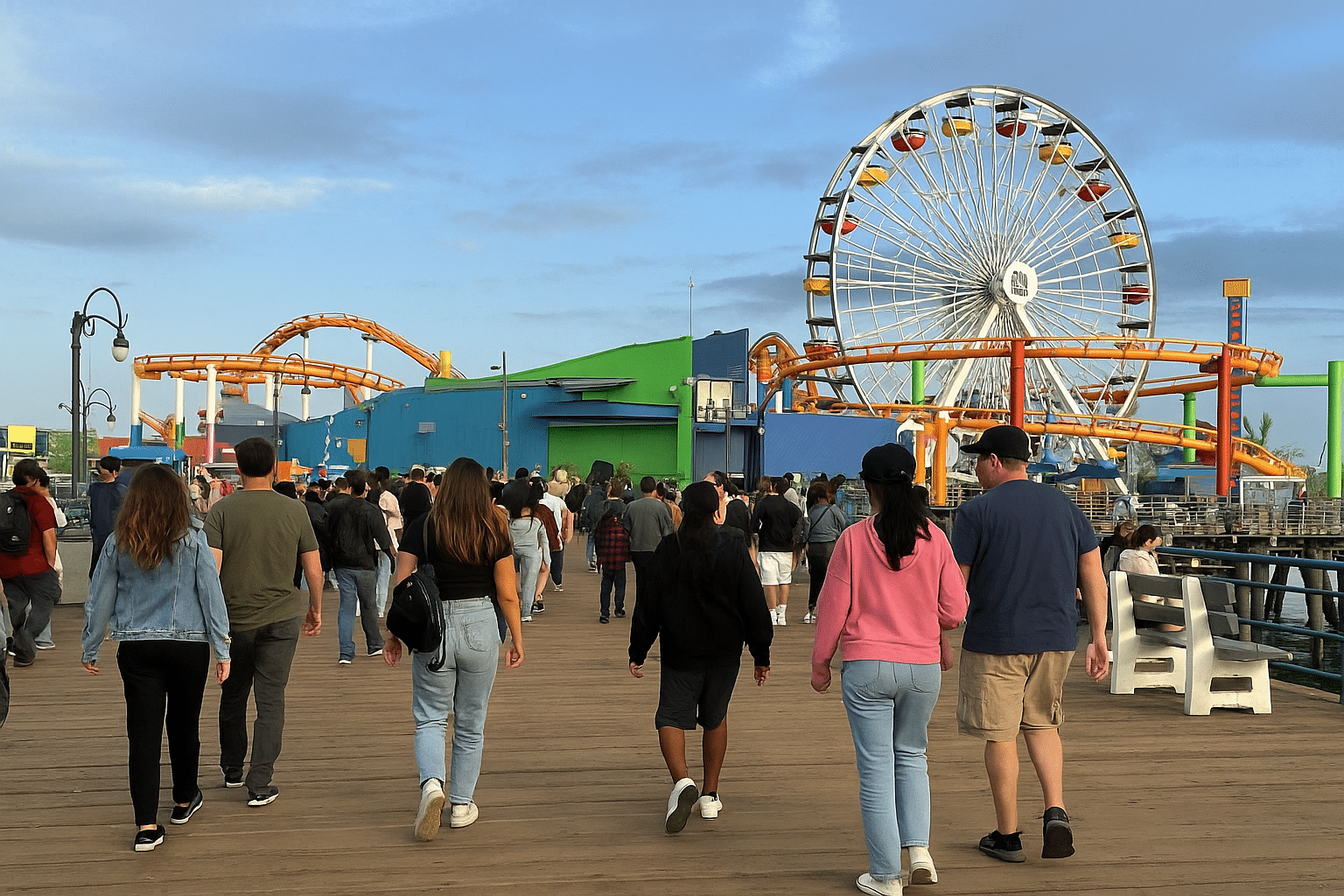
Shore excursions should match the port, season, and traveler’s interests. In San Francisco, guided walks can cover Chinatown, North Beach, or the Golden Gate area, while excursions from Los Angeles may visit Hollywood, Santa Monica, or local museums. San Diego supports harbor cruises, Balboa Park visits, and trips to La Jolla.
Travelers should check walking distances, elevation changes, transportation time, and return guarantees before booking. Cruise-line excursions typically coordinate with the ship’s schedule, while independent tours may cost less but require careful timing. Small-group food tours, coastal hikes, and whale-watching trips often provide more focused experiences than large coach tours.
Dining and Regional Flavors
The dining room usually includes breakfast, lunch, and dinner at no additional charge, with menus that may feature seafood, salads, pasta, and regional ingredients. Guests can request fixed or flexible dining times depending on the cruise line and ship.
The lido pool area commonly offers casual meals, while Royal Caribbean may provide venues such as its Chops Grille or Sorrento’s, and NCL emphasizes flexible dining schedules. Princess Cruises often features multiple included dining venues, while Holland America is known for a more traditional dining-room experience. Specialty restaurants, sushi, premium seafood, and upgraded steaks usually carry extra fees, so travelers should review menus and package terms before sailing.
Sea Days, Activities, and Shopping
Sea days give passengers time to use the ship’s facilities between California ports. Activities may include pool access, trivia, cooking demonstrations, fitness classes, live music, lectures, and evening theater shows. Families may also find youth programs, sports courts, water attractions, or supervised activities, depending on the ship.
The lido pool and casual Dive-In venues provide convenient options for burgers, sandwiches, and outdoor seating. Onboard shopping typically includes jewelry, watches, clothing, cosmetics, liquor, and logo merchandise, with sales often scheduled during sea days. Travelers should compare prices independently because duty-free status does not guarantee the lowest price.
Comparing Cruise Lines and Inclusions
Princess Cruises often appeals to travelers seeking California-focused itineraries, traditional service, and structured dining. Holland America may suit guests who prefer quieter ships, live music, and a classic cruise style. Royal Caribbean generally offers larger ships with extensive onboard activities, while NCL provides flexible dining and scheduling.
| Cost area | What travelers should check |
|---|---|
| Included dining | Main dining room, buffet, room service, casual venues |
| Beverage packages | Coffee, soda, bottled water, wine, and cocktails |
| Entertainment | Theater shows, live music, comedy, and activities |
| Extra charges | Specialty dining, shore excursions, internet, spa services |
| Port costs | Taxes, fees, transfers, and transportation to attractions |
Fare comparisons should use the complete trip cost rather than the advertised base price. A slightly higher fare may offer better value when it includes Wi-Fi, drinks, specialty dining, gratuities, or shore-credit benefits.
Frequently Asked Questions
California coast cruises commonly connect San Francisco, Los Angeles, San Diego, Catalina Island, and Ensenada. Sailing seasons, cruise length, and available ports vary by cruise line and ship.
What are the best California coast cruise itineraries?
Popular itineraries sail between San Francisco, Los Angeles, and San Diego, often adding Catalina Island and Ensenada, Mexico. Some Pacific Coast routes continue north to Astoria, Seattle, or Vancouver.
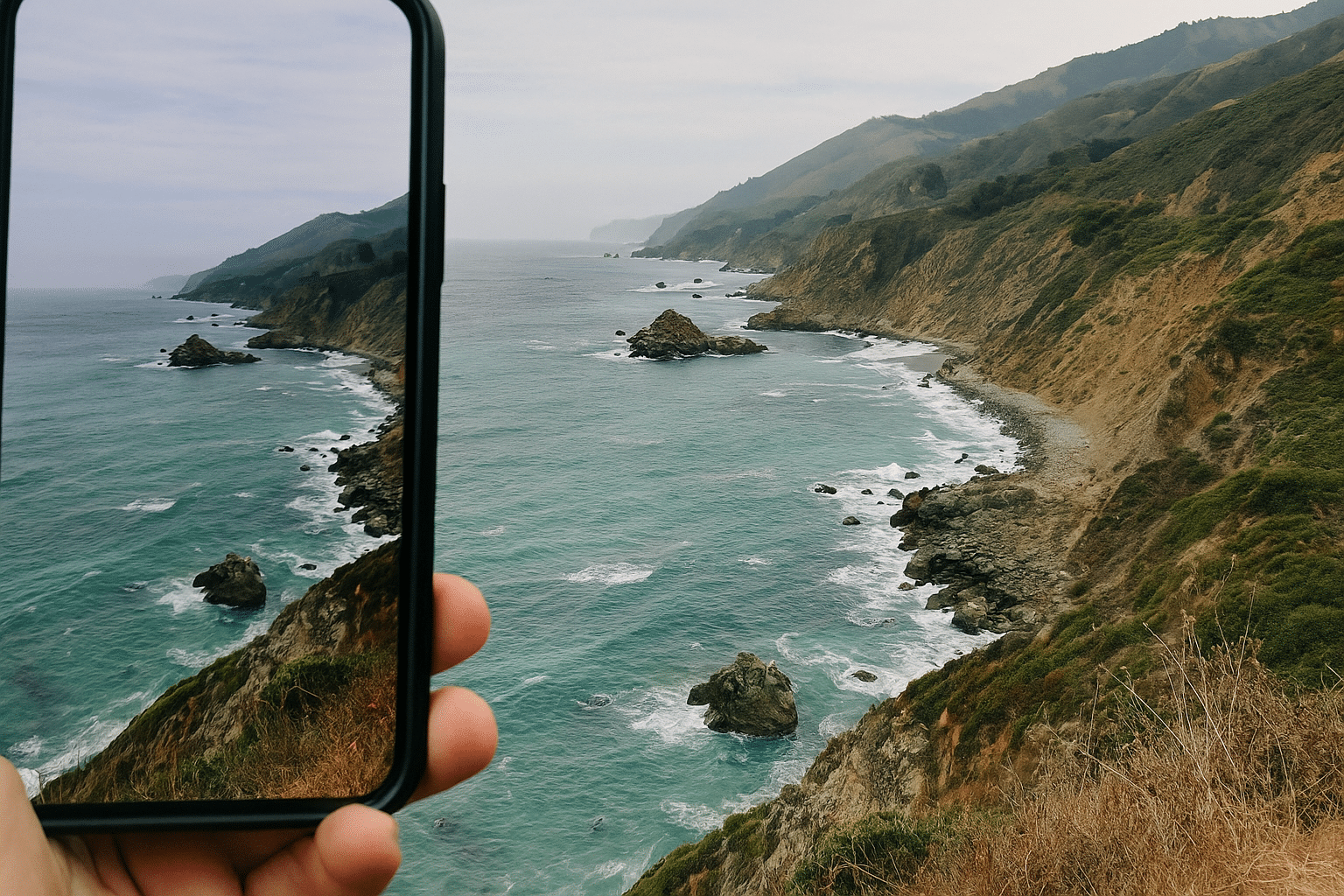
A seven-day itinerary may combine California ports with Ensenada and a sea day. Shorter cruises typically focus on Los Angeles, Catalina Island, and Ensenada.
Which cruise lines offer Pacific Coast cruises in 2026?
Princess Cruises, Holland America Line, Carnival Cruise Line, Royal Caribbean, Celebrity Cruises, and Norwegian Cruise Line are scheduled to offer selected Pacific Coast sailings in 2026.
Schedules differ by ship and departure port. Travelers should check each cruise line’s 2026 timetable because some routes operate as seasonal repositioning cruises rather than regular round trips.
What ports do West Coast cruises visit from California?
Common California ports include San Francisco, Los Angeles, Long Beach, and San Diego. Itineraries may also stop at Catalina Island, usually at Avalon.
International routes often include Ensenada or Cabo San Lucas in Mexico. Longer Pacific Coast cruises may visit Astoria, Victoria, Vancouver, or Seattle.
Are there cruises departing from San Francisco, Los Angeles, or San Diego?
Yes. Los Angeles and San Diego support frequent cruise departures, while San Francisco offers selected seasonal and repositioning sailings.
Los Angeles-area cruises generally depart from the Port of Los Angeles in San Pedro or the Port of Long Beach. San Francisco cruises leave from Pier 27, and San Diego cruises use the B Street Pier or nearby cruise terminals.
What is the best time of year for a Pacific Coast cruise?
April through October generally offers milder weather and longer daylight along the California coast. September and October can provide warm conditions in Southern California, although coastal fog may affect San Francisco.
Spring and fall often bring repositioning cruises with one-way routes between California, Vancouver, and Seattle. Travelers should expect cooler temperatures and possible rough seas on northern segments.
How long are cruises along the California coast?
California coast cruises commonly last two to five nights. Short itineraries may visit Catalina Island and Ensenada from Los Angeles or San Diego.
Longer cruises usually run seven to ten nights and combine several California ports with Mexico or the Pacific Northwest. Repositioning voyages can last 10 nights or more.
Free: Pacific Coast Cruise Planning Checklist
Grab my free step-by-step checklist for planning an Alaska, Mexican Riviera, Hawaii, or Pacific Coastal cruise — sent straight to your inbox.

Planning your shore days?
Book highly-rated shore excursions and port tours before the best ones sell out.
Find shore excursions on Viator →As a Viator affiliate, I earn a small commission from qualifying bookings — at no extra cost to you.
Cruise Packing Essentials
The little things that make cruising smoother — the gear I recommend to every traveler before they sail.
As an Amazon Associate, I earn from qualifying purchases — at no extra cost to you.