What to Know Before Tidepooling Near Florence
This post may contain affiliate links. I may earn a small commission at no extra cost to you.
Tidepooling Near Florence: A Practical Summer Guide
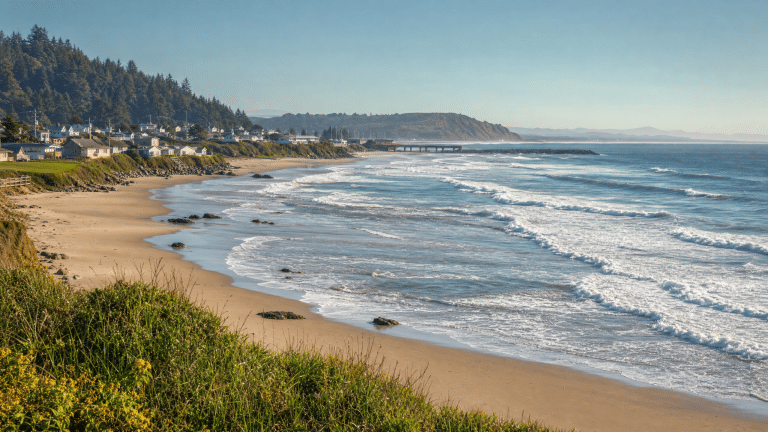
Florence, Oregon sits at the mouth of the Siuslaw River on the central Oregon Coast, and it's home to some of the most accessible and rewarding tide pools on the coast. Every summer, families and nature lovers flock to spots like Sea Lion Caves, Heceta Head, and the rocky shores around the Florence jetty to peek into tide pools and spot starfish, anemones, crabs, and other marine creatures. But tidepooling isn't just about showing up at the beach with a net and curiosity. Success—and respect for the ecosystem—depends on understanding tides, knowing which areas are protected, following marine life etiquette, and planning around parking and camping logistics that get tight in peak summer season.
Understanding Tide Timing: Your Foundation for Success
Tide pools only exist during low tide. When the ocean retreats, it leaves behind shallow pools trapped between rocks, and those pools become temporary homes for marine life adapted to survive in them. But the window is temporary. High tide floods the pools again, and the animals return to the open ocean.
Near Florence, tides follow a roughly 6-hour cycle: low tide, rising tide, high tide, falling tide, and back to low tide. Most days have two low tides and two high tides. The lowest tides—called minus tides—happen a few times each month and are the best for tidepooling because they expose the most pools and the deepest habitats.
You can find tide tables for Florence on NOAA's tide prediction website or through the National Weather Service. The tables list exact times and heights. A tide of –0.5 feet or lower is generally good for tidepooling. A tide of –1.0 feet or lower is excellent. Plan to arrive 30 minutes before low tide and stay for 1–2 hours as the tide is still falling or just beginning to rise. Arriving too late means you'll have less time before the pools start refilling.
In summer, low tides near Florence often occur in early morning or late afternoon. Early morning is usually best because the pools are calmest, the sun angle is lower (reducing glare), and you'll encounter fewer crowds. Parking is also easier in the early hours.
Where to Tidepools Near Florence: Official and Protected Areas
Not all rocky shores near Florence are open to tidepooling, and some areas have restrictions to protect marine life and nesting birds.
Sea Lion Caves and Heceta Head are the most famous tidepooling destinations near Florence. Heceta Head, just north of the Sea Lion Caves parking area, has excellent tide pools accessible via a short trail. This area is managed by the U.S. Forest Service and is open to tidepooling, but marine life collection is prohibited—you can look, photograph, and observe, but you cannot remove animals or shells.
Siuslaw River South Jetty offers accessible tide pools and is a popular summer spot. The jetty is public, but always check current conditions and tidal access before heading out. The rocks can be slippery and sharp; wear proper footwear.
Darlingtonia State Natural Site, about 5 miles south of Florence, has a freshwater bog habitat rather than tide pools, but it's worth a separate visit if you're interested in Oregon's unique carnivorous plants.
Protected Areas: Some rocky shores near Florence are closed during nesting season (typically March–June) to protect seabirds like puffins and murres. Check with the Florence Chamber of Commerce or the BLM's local office before heading to less-known tide pool spots.
Marine Life Etiquette: The Rules That Keep Ecosystems Alive
Tide pool creatures are adapted to survive in a harsh environment—pounding waves, temperature swings, and predators. But they're fragile when exposed to human handling and disturbance.
Do not remove animals or shells. This is the cardinal rule. Starfish, anemones, crabs, snails, and other creatures belong in the tide pool. Removing them disrupts the ecosystem and is illegal in many areas, including parts of the Oregon Coast.
Look, don't touch—or touch gently and minimally. If you want to observe a creature closely, wet your hands first so you don't damage the protective mucus layer on sensitive animals. Return rocks gently to their original positions. Disturbing the substrate can harm hidden organisms.
Stay on established paths. Trampling algae, mussels, and other organisms damages the tide pool community. Stick to rocky areas and avoid walking on soft seaweed or moss-covered rocks.
Watch for nesting birds and seals. If you see a bird with a broken wing or a seal hauled out on rocks, keep your distance. These are often defensive behaviors or signs of distress, not invitations to approach.
Never block blowholes or splash holes. Some rocks have small openings where water and air spray out during wave action. These are important for marine life; don't cover them or pour water into them.
Practical Safety and Comfort Tips
Wear tide-safe footwear. Tide pool rocks are sharp, slippery, and often covered in sea urchin spines. Sturdy water shoes, neoprene booties, or sandals with good grip are essential. Avoid flip-flops and bare feet.
Bring sun protection and hydration. The sun reflects off water and rocks, intensifying UV exposure. Wear sunscreen, a hat, and sunglasses. Bring more water than you think you'll need; the salty air is dehydrating.
Check weather and wave forecasts. Summer on the Oregon Coast can bring sudden fog, wind, and sneaker waves. Never turn your back to the ocean. If waves are large or conditions are rough, tide pools may be unsafe to access.
Plan for parking pressure. Summer weekends and holidays fill parking lots quickly near Sea Lion Caves and the jetty. Arrive early (before 9 a.m. is ideal) or plan a weekday visit. The Florence Chamber of Commerce can provide current parking updates.
Bring binoculars for distant wildlife. You'll spot seals, sea lions, and seabirds more clearly and safely from a distance. This also reduces disturbance to animals.
Seasonal Planning: Summer Crowds, Camping, and RV Logistics
Summer is peak season for tidepooling near Florence, which means more people, busier parking, and higher accommodation prices. Here's how to plan:
Camping and RV options: The Lane County Parks system operates several campgrounds near Florence, including Jessie M. Honeyman Memorial State Park (about 12 miles south), which has RV sites and is popular in summer. Booking in advance is essential. Private RV parks in Florence fill quickly during July and August.
Timing your visit: If possible, visit on a weekday or in June or early September when crowds are lighter. Check tide tables in advance and plan your tidepooling days around the best minus tides.
<!– ocj-affiliate-inline:ocj_coast_gear_checklist –>
Oregon Coast weather can change quickly, and beach approaches can be wet, sandy, or uneven. The right layers, footwear, and day-pack basics make the visit more comfortable. This can be especially useful around the Central Coast when weather, daylight, and driving time affect the plan.
Gear that makes this stop easier
Oregon Coast weather can change quickly, and beach approaches can be wet, sandy, or uneven. The right layers, footwear, and day-pack basics make the visit more comfortable.
This article may contain affiliate links. Oregon Coast Journey may earn a commission if you book or buy through these links, at no extra cost to you.
See coast-ready gear ideas through approved partners such as REI Co-op, Amazon Associates.
Combine activities: Pair tidepooling with other central coast attractions like the Sea Lion Caves tour, lighthouse visits, or a walk along the Oregon Coast Scenic Byway. This makes the most of your time and justifies the drive.
FAQ: Common Tidepooling Questions
Q: Can I bring my dog tidepooling? A: Dogs are not allowed in tide pools or on many rocky shores near Florence due to wildlife protection regulations. Check specific site rules before visiting. Many beaches in the area allow dogs on-leash in designated areas.
Q: What marine life will I see? A: Near Florence, expect to see purple and orange sea stars, giant green anemones, hermit crabs, shore crabs, mussels, snails, and sometimes small octopuses or fish. Chitons, sea urchins, and nudibranchs are also common. Bring a waterproof family nature guide to identify species.
Q: How long does tidepooling take? A: Plan 1–2 hours for a casual visit. Families with young children often spend 1–1.5 hours. Serious naturalists may stay longer.
Q: Is tidepooling safe for young children? A: Yes, with supervision and proper footwear. Young children should wear water shoes, stay close to adults, and be taught not to touch animals. Avoid very slippery areas and watch for wave surge.
Q: When is the best time to visit for photography? A: Early morning low tides with clear skies offer the best light and calmest pools. Overcast days reduce glare and are often easier on eyes.
Planning Your Florence Tidepooling Trip
The key to a successful tidepooling experience is preparation. Check tide tables, wear proper footwear, understand the rules, arrive early, and respect the marine life. Florence's tide pools are not a museum exhibit—they're a living ecosystem that has survived for thousands of years. Your role is to observe, learn, and leave no trace.
For current conditions, protected area status, and official tide information, contact the Florence Chamber of Commerce, check the Oregon Parks and Recreation Department website, or visit the NOAA tide prediction site before your visit. These resources are updated regularly and will help you plan a safe, rewarding tidepooling adventure.
The central Oregon Coast around Florence offers some of the most accessible and vibrant tide pools on the entire coast. With a little planning and respect for the ecosystem, you'll create memories and discover a hidden world that most visitors never see.
Editorial transparency
This article was drafted with AI assistance and reviewed through Oregon Coast Journey publishing safeguards. Always confirm current conditions before traveling.