Cruise to Cabo San Lucas: A Complete Travel Guide
This post may contain affiliate links. I may earn a small commission at no extra cost to you.
A cruise to Cabo San Lucas gives travelers an easy way to explore Mexico’s Baja Peninsula while enjoying time at sea. Ships typically call at Cabo San Lucas, where visitors can experience the harbor, local food, beaches, and nearby landmarks.
Travelers can see El Arco, choose water activities, and plan shore excursions that match their interests and budget. The right sailing also helps them balance port time, onboard dining, entertainment, and travel costs.
From port logistics and beach options to Mexican flavors and cruise packages, this guide explains what travelers can expect and how to plan a smoother Cabo experience.
What To Expect At The Port Of Call
Cabo San Lucas sits at the southern tip of the Baja California Peninsula, where the Pacific Ocean meets the Sea of Cortez. Cruise passengers should plan for a tender transfer, warm weather, busy waterfront areas, and transportation choices that depend on their shore-excursion plans.
Tendering Ashore From Your Ship
Most ships on a Mexico cruise anchor offshore instead of docking directly at Cabo San Lucas. Passengers travel to the marina by tender boat, which usually takes about 10 to 20 minutes depending on sea conditions and the ship’s position.
The cruise line typically gives priority tender tickets to passengers with reserved excursions, while other guests receive tickets at a scheduled distribution point. The first boats may fill quickly, so passengers with independent plans should confirm the ticket process and allow extra time.
The marina opens onto downtown Cabo San Lucas, with restaurants, shops, tour operators, and water taxis nearby. Rough seas can delay or suspend tender service, so passengers should avoid booking activities that end close to the ship’s scheduled departure.
Getting Around Cabo San Lucas
The marina and downtown area provide easy access to many attractions, including Medano Beach, restaurants, galleries, and shops. Passengers can walk between these areas, but they should use marked crossings and expect heavy traffic near the waterfront.
Taxis operate near the marina, and authorized tour operators offer transportation to attractions outside the center. A prearranged excursion can simplify travel to places such as Santa Maria Bay, Chileno Beach, or San José del Cabo. Travelers should confirm whether the price covers transportation, entrance fees, and equipment.
Rental cars may suit passengers planning to explore independently, although traffic, unfamiliar roads, and limited time can make guided tours more practical. They should carry small Mexican peso denominations, protect valuables, and agree on taxi fares before departing.
Choosing A Mexican Riviera Itinerary
A Mexican Riviera cruise may combine Cabo San Lucas with ports such as Mazatlán and Puerto Vallarta. Cabo often emphasizes beaches, snorkeling, whale-watching during the winter season, sailing, and coastal sightseeing rather than historic city attractions.
Passengers should compare the number of sea days, port arrival times, and time spent ashore. A ship that arrives early and departs in the evening provides more flexibility for beach visits or longer excursions than one with a short midday call.
Travelers should also check the season and itinerary route. Cabo’s dry climate differs from conditions elsewhere along Mexico’s Pacific coast, while the Baja California Peninsula can experience stronger winds or rougher tender conditions. Cruise lines may adjust port operations when safety requires it.
See El Arco And Land’s End
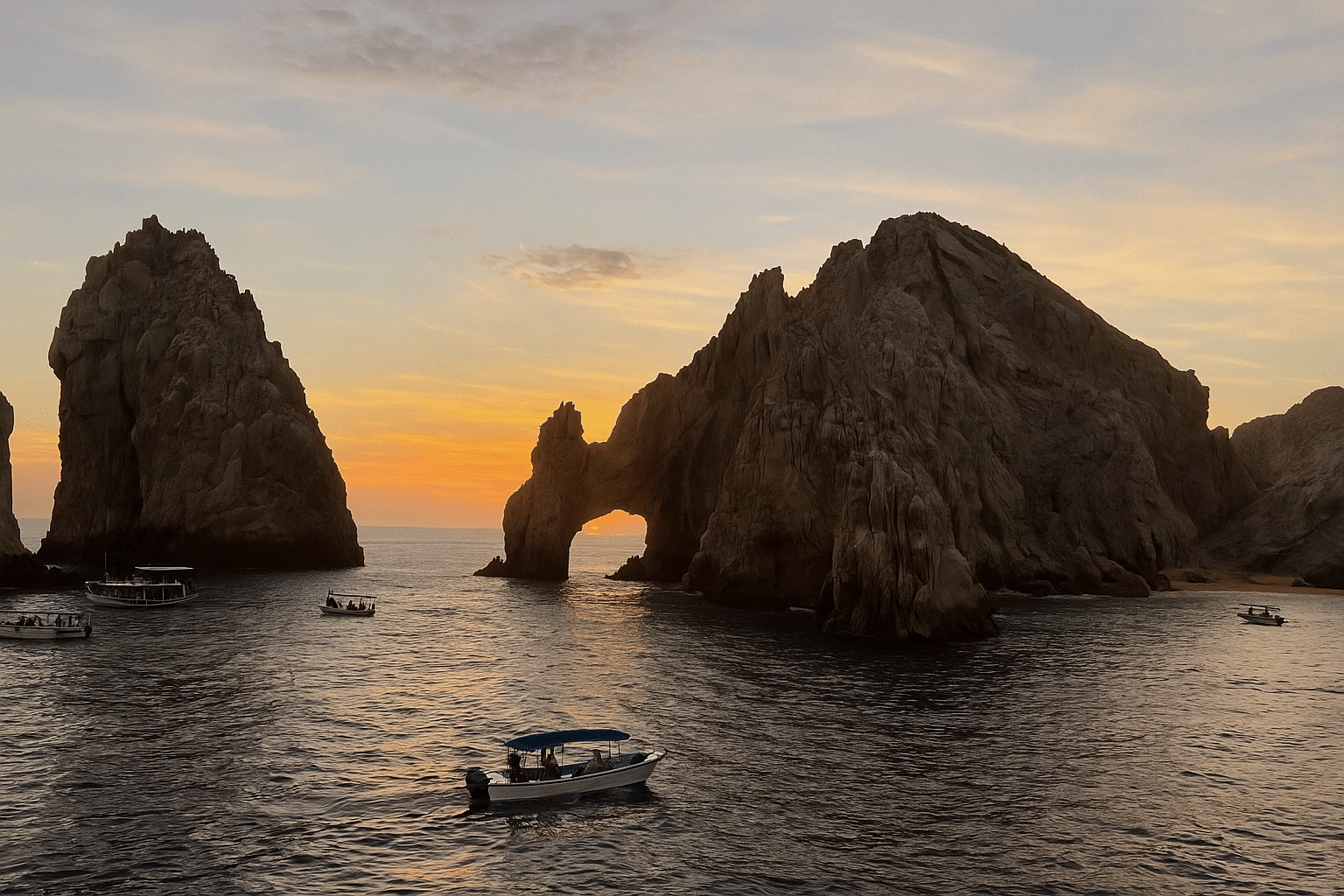
El Arco marks the southern tip of the Baja California Peninsula, where the Pacific Ocean meets the Sea of Cortez. Visitors can view the granite formations by boat, reach nearby beaches when conditions allow, and often see sea lions resting on the rocks.
Boat Trips To The Arch
Most cruise passengers visit El Arco on a short boat excursion from Cabo San Lucas Marina. Operators use glass-bottom boats, catamarans, kayaks, and smaller sightseeing vessels, with trips commonly lasting two to three hours.
The route passes Land’s End, a group of rock formations that includes El Arco, Neptune’s Finger, and the sea lion colony. Guides typically point out the distinctive arch and explain how wind and waves shaped the granite.
Boats usually stop near the arch for photographs, but they cannot pass beneath it. The Pacific Ocean side can develop strong waves, so passengers should follow crew instructions and avoid standing near the rail during rough conditions. Early departures often provide calmer water and softer light.
Lover’s Beach And Divorce Beach
Lover’s Beach sits on the Sea of Cortez side of Land’s End and offers calm water when conditions remain favorable. Some boat operators allow passengers to disembark for swimming, snorkeling, or a brief walk along the sand.
A narrow rocky divide separates Lover’s Beach from Divorce Beach, which faces the Pacific Ocean. Divorce Beach has stronger surf and dangerous currents, so visitors should not swim there. They should also check whether beach access is permitted because waves, tides, and port regulations can change conditions.
Visitors who go ashore should confirm the boat’s pickup time and location. The beach has limited shade, services, and shelter, so they should bring sun protection, drinking water, and secure footwear.
Wildlife Around The Rock Formations
Sea lions gather on rocks near Land’s End, especially around the colony visible from passing boats. Their barking and movement make the area easy to recognize, but vessels must maintain a safe distance and should never attempt to feed or touch them.
The surrounding waters can also support dolphins, rays, and seasonal whale sightings. Gray whales and humpback whales may appear during the winter and early spring migration, although sightings depend on weather, location, and animal behavior.
Snorkelers may see reef fish and other marine life near the Sea of Cortez shoreline. Visibility changes with wind and currents, while the Pacific Ocean side generally experiences heavier surf. A licensed operator can identify wildlife responsibly and explain local rules that protect the animals.
Choose The Best Beach Or Water Adventure
Cabo San Lucas offers different ways to enjoy its beaches and the Sea of Cortez. Travelers can choose lively shoreline activities at Medano Beach, calm snorkeling conditions at Chileno Bay, or guided scuba diving and other water sports.
Medano Beach For Lively Beach Time
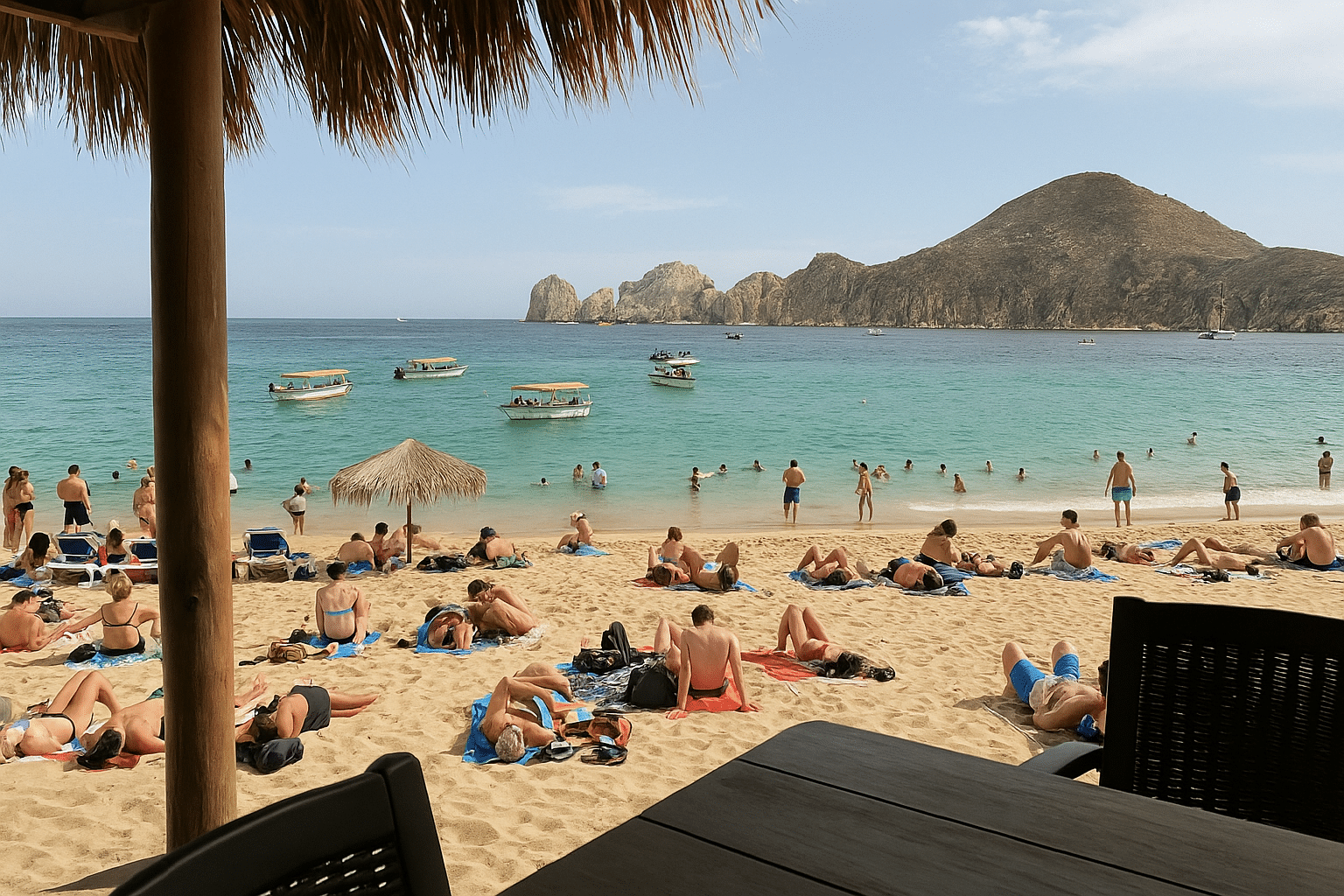
Medano Beach, also called Playa El Medano, provides the most convenient beach access near downtown Cabo San Lucas and many cruise-port transfers. Its swimmable areas, restaurants, beach clubs, restrooms, and rental operators make it practical for travelers with limited time ashore.
Visitors can rent chairs and umbrellas, order food and drinks, or book activities such as parasailing, kayaking, paddleboarding, and jet-ski rides. The beach becomes busy, especially near the main access points, so early arrival helps travelers find space and reach activity providers before peak demand.
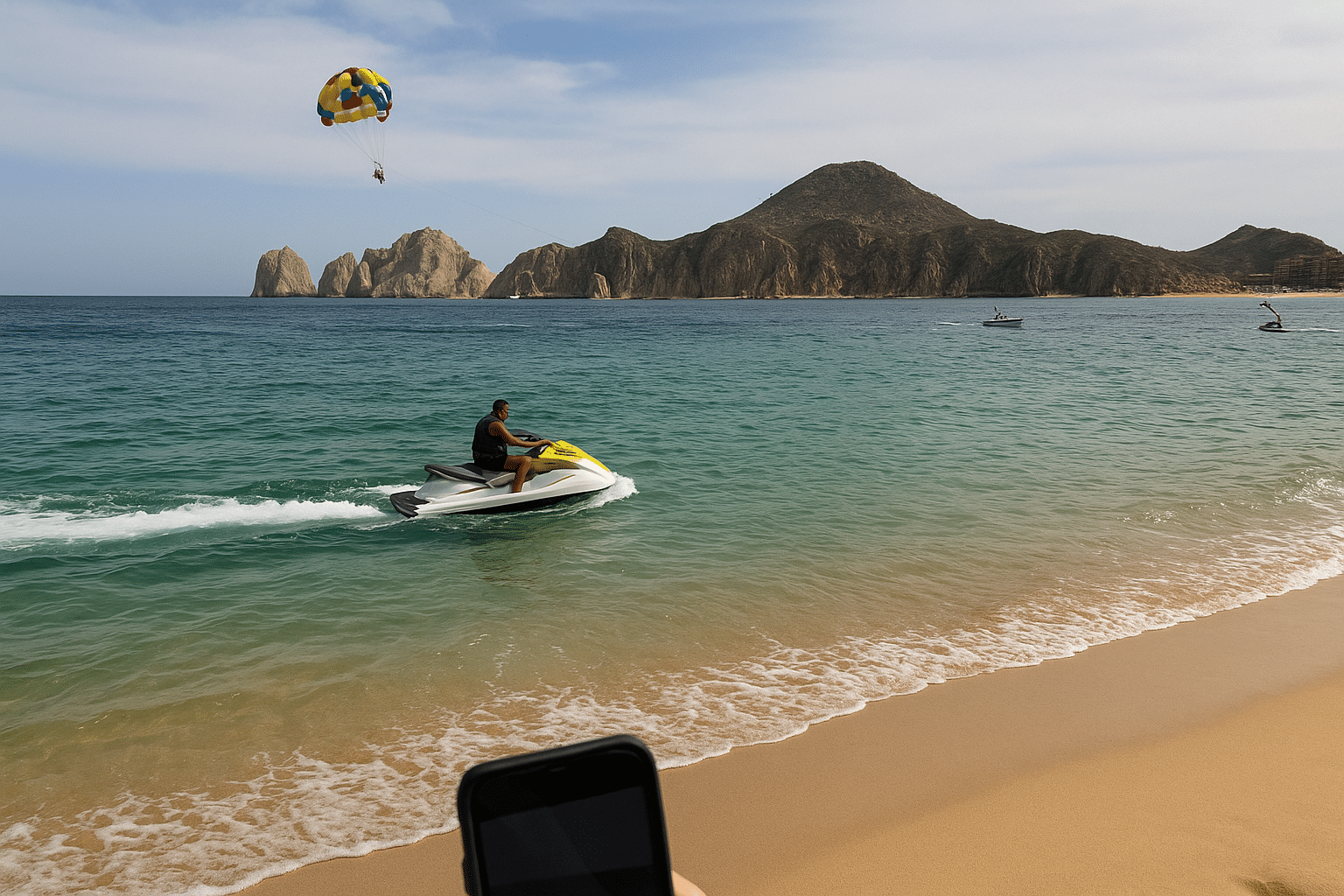
Water conditions can change with wind and waves. Travelers should swim only in areas marked as safe, follow lifeguard instructions, and confirm return times with tour operators to avoid missing the ship.
Snorkeling At Chileno Bay
Chileno Bay offers a quieter setting than Medano Beach and ranks among the more reliable snorkeling locations near Cabo San Lucas. The protected cove typically provides clearer water and easier entry, although visibility depends on wind, swell, and recent weather.
Snorkelers may see reef fish, rays, sea turtles, and other marine life in the Sea of Cortez. They should use reef-safe sunscreen, avoid touching coral or animals, and keep a reasonable distance from boat traffic. A guided excursion can provide masks, fins, transportation, and local knowledge.
The beach includes restrooms, showers, parking, and designated swimming areas. Cruise passengers should allow time for transportation between the port and Chileno Bay, and they should select an excursion with a firm return schedule.
Scuba Diving And Other Water Sports
Scuba diving excursions visit sites around Cabo San Lucas and the Sea of Cortez, where certified divers may encounter reef fish, rays, sea lions, and seasonal larger species. Operators usually require proof of certification and may limit participation based on recent flight or diving history.
Travelers without certification can choose a beginner lesson or a discover-scuba experience, subject to medical and age requirements. Snorkeling tours, glass-bottom boats, kayaking, and stand-up paddleboarding offer alternatives for visitors who prefer less training.
Before booking, travelers should check:
- Required certification or minimum age
- Equipment, transportation, and admission inclusions
- Water conditions and cancellation rules
- Total excursion time and ship return guarantee
Tour operators should receive the ship’s departure time so they can recommend an excursion with an appropriate safety margin.
Plan Shore Excursions For Every Travel Style
Cruise passengers can match their time in port with Baja California’s main attractions, from offshore fishing to historic streets and local galleries. Each option requires different planning for transportation, timing, reservations, and return-to-ship schedules.
Sportfishing For Marlin And Tuna
Sportfishing ranks among the most popular things to do in Cabo San Lucas. The waters near the Sea of Cortez and Pacific Ocean support striped marlin, dorado, yellowfin tuna, and other seasonal species.
A charter usually includes rods, reels, bait, tackle, and an experienced crew. Passengers should confirm whether the price covers fishing licenses, beverages, meals, and fish cleaning before booking. Morning departures often provide cooler conditions and more time on the water.
Cruise visitors should reserve a half-day charter that returns well before all-aboard time. They should also check the meeting location, since some boats depart from Cabo San Lucas Marina while others require a transfer from the cruise tender pier. Motion-sensitive travelers can bring medication and choose a larger vessel for added stability.
Culture And Art In San José del Cabo
San José del Cabo offers a quieter cultural experience than the marina district in Cabo San Lucas. Its historic center features Mission San José del Cabo Anuiti, colonial-era streets, public sculptures, restaurants, and independent art galleries.
The Gallery District makes a practical walking route for passengers who want to view paintings, photography, ceramics, and Mexican folk art. Many galleries cluster around Álvaro Obregón Street, allowing visitors to explore several spaces without covering long distances. The Thursday evening Art Walk, typically held during the tourist season, can attract larger crowds and may require extra travel time.
A taxi or prearranged shuttle usually takes about 30 minutes from Cabo San Lucas, depending on traffic. Visitors should carry Mexican pesos for small purchases, wear sun protection, and verify gallery hours because schedules can vary by season.
Guided Tours Versus Independent Exploration
A guided shore excursion simplifies transportation and helps cruise passengers manage limited port time. Organized tours may combine San José del Cabo, scenic viewpoints, a glass-bottom boat ride, or a local meal, while guides provide context about Baja California’s history and environment.
Independent exploration gives travelers more control over pacing and spending. They can walk around the Cabo San Lucas marina, visit nearby shops, or arrange a taxi to San José del Cabo. However, they must allow time for traffic, tender queues, shopping, and security procedures before the ship departs.
| Choice | Best for | Main consideration |
|---|---|---|
| Guided tour | First-time visitors and fixed schedules | Less flexibility |
| Independent visit | Experienced travelers and short walking routes | Greater responsibility for timing |
| Private vehicle | Families or small groups | Higher cost but direct transport |
Taste Cabo And Mexico On Shore And Onboard
Cabo San Lucas offers fresh Pacific seafood, Baja specialties, and drinks rooted in Mexico’s regional traditions. Travelers can sample local dishes ashore, then continue the experience with Mexican-inspired menus, margaritas, and tequila tastings on the ship.
Fresh Seafood And Local Specialties
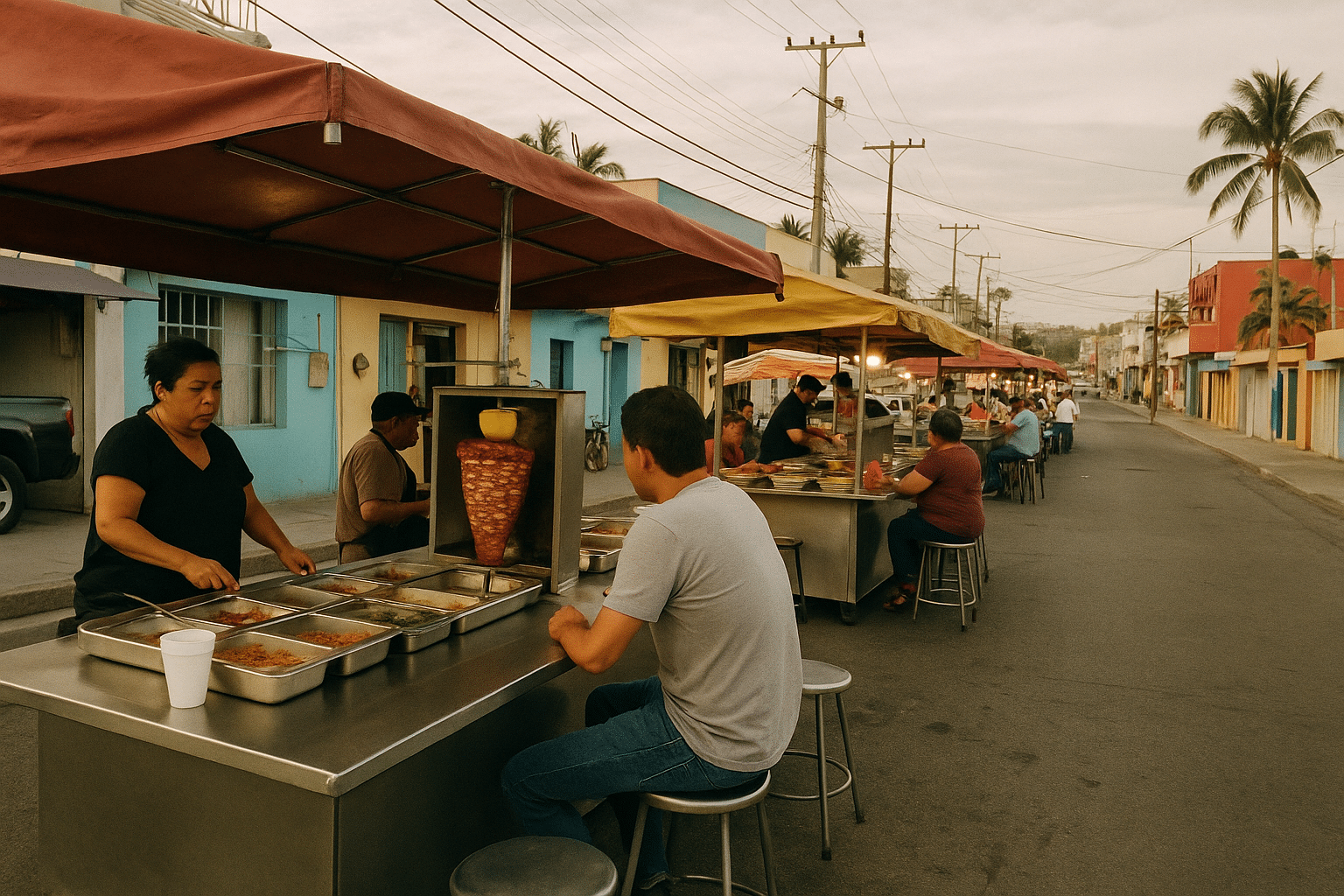
Cabo’s coastal restaurants commonly serve ceviche made with diced fish or shrimp, lime juice, onion, cilantro, and chili. The citrus cures the seafood, but diners should choose busy, reputable restaurants with proper food handling and refrigeration.
Tuna appears in tacos, tostadas, sashimi-style preparations, and grilled entrées. Baja-style fish tacos often pair battered or grilled fish with cabbage, crema, salsa, and lime. Travelers who prefer cooked seafood can order grilled shrimp, octopus, or the catch of the day.
Mexican specialties extend beyond seafood. Menus may include carne asada, chicken enchiladas, tamales, fresh guacamole, and regional salsas. Port-area restaurants suit short visits, while downtown Cabo San Lucas and nearby San José del Cabo offer more varied dining options.
Margaritas And Tequila Tastings
A classic margarita combines tequila, lime juice, and orange liqueur, served over ice or blended. Travelers can request a salt rim, but they should ask about the tequila type and serving size because restaurant recipes vary.
A tequila tasting typically compares blanco, reposado, and añejo expressions. Blanco remains unaged and highlights cooked agave, while reposado gains oak character during barrel aging. Añejo spends longer in barrels and usually offers deeper notes of vanilla, spice, and caramel.
Tequila comes from Mexico’s blue Weber agave and carries a protected designation of origin. During a tasting, guests should sip slowly, drink water, and confirm transportation plans before returning to the ship. Some venues also serve mezcal, which often has a smoky profile but follows different production traditions.
Mexican-Inspired Cruise Dining
Cruise ships often bring Mexican flavors onboard through rotating menus, specialty restaurants, poolside grills, and themed events. Common choices include fish tacos, chicken fajitas, enchiladas, tortilla soup, rice, beans, pico de gallo, and guacamole.
Passengers should check the daily schedule for regional dishes, salsa bars, and hosted tequila tastings. Specialty restaurants may charge an additional fee, while casual venues often include tacos or nachos in the cruise fare.
Menus can adapt dishes for broad preferences, so travelers seeking stronger chili heat should request salsa separately. Guests with seafood allergies, gluten restrictions, or other dietary needs should speak with dining staff before ordering ceviche, sauces, tortillas, or shared appetizers.
Select A Ship, Sailing And Travel Package
Ship size, sailing length, departure port, and included travel services affect the cost and convenience of a Cabo cruise. Travelers should compare onboard features with port schedules, then decide whether they need flights, hotels, or an airport-to-ship transfer.
Comparing Cabo Cruise Lengths And Ports
Most cruises to Cabo San Lucas depart from Los Angeles, Long Beach, or San Francisco. A three- or four-night itinerary usually focuses on Cabo, while longer sailings may add Puerto Vallarta, Mazatlán, or Ensenada. Travelers should check the time in port because some ships arrive early and leave by evening, while others use a tender service to move passengers ashore.
A longer cruise provides more time for shore excursions and sea days but increases airfare, hotel, and onboard costs. Travelers should compare the full itinerary, not only the advertised fare.
| Sailing choice | Best for | Main consideration |
|---|---|---|
| 3–4 nights | Short breaks | Limited time and fewer ports |
| 5–7 nights | Multiple Mexican Riviera ports | Higher total cost |
| Longer repositioning cruise | Flexible travelers | More complex flights and transfers |
Princess Ships That Visit Cabo
Princess Cruises regularly assigns ships such as Royal Princess, Crown Princess, and Discovery Princess to Mexican Riviera itineraries, depending on the season and deployment schedule. Royal Princess and Discovery Princess offer larger-ship amenities, including multiple dining venues, entertainment, pools, and organized activities. Crown Princess may appear on selected seasonal or longer itineraries.
Travelers should verify the ship name and sailing date before booking because schedules can change. They should also compare cabin location, dining arrangements, accessibility, children’s facilities, and the number of sea days. Cabo port calls often use tenders rather than a berth, so passengers with mobility concerns should review the tender policy and excursion requirements.
Flights, Hotels And Transfers
Travelers flying to the departure port should allow extra time for delays. Princess EZair can provide flight options connected with a cruise booking, while independent airfare may offer more flexibility but requires closer coordination.
A cruise plus hotel package can cover a pre-cruise night near the port, which helps travelers manage early departures and weather-related disruptions. They should confirm whether the package includes taxes, meals, baggage handling, and transportation.
An airplane-to-ship transfer may connect the arrival airport with the hotel or cruise terminal. Travelers booking separate flights and hotels should arrange their own transportation and leave a wide time margin before embarkation.
Frequently Asked Questions
Cruise lines commonly reach Cabo San Lucas from Los Angeles, Long Beach, and San Diego. Travelers can choose short three-day sailings or longer itineraries based on port time, onboard amenities, safety needs, and shore activities.
Which cruise lines visit Cabo San Lucas?
Carnival Cruise Line, Royal Caribbean, Norwegian Cruise Line, Princess Cruises, and Holland America Line regularly offer itineraries that include Cabo San Lucas. Routes and departure dates change by season, so travelers should check current schedules before booking.
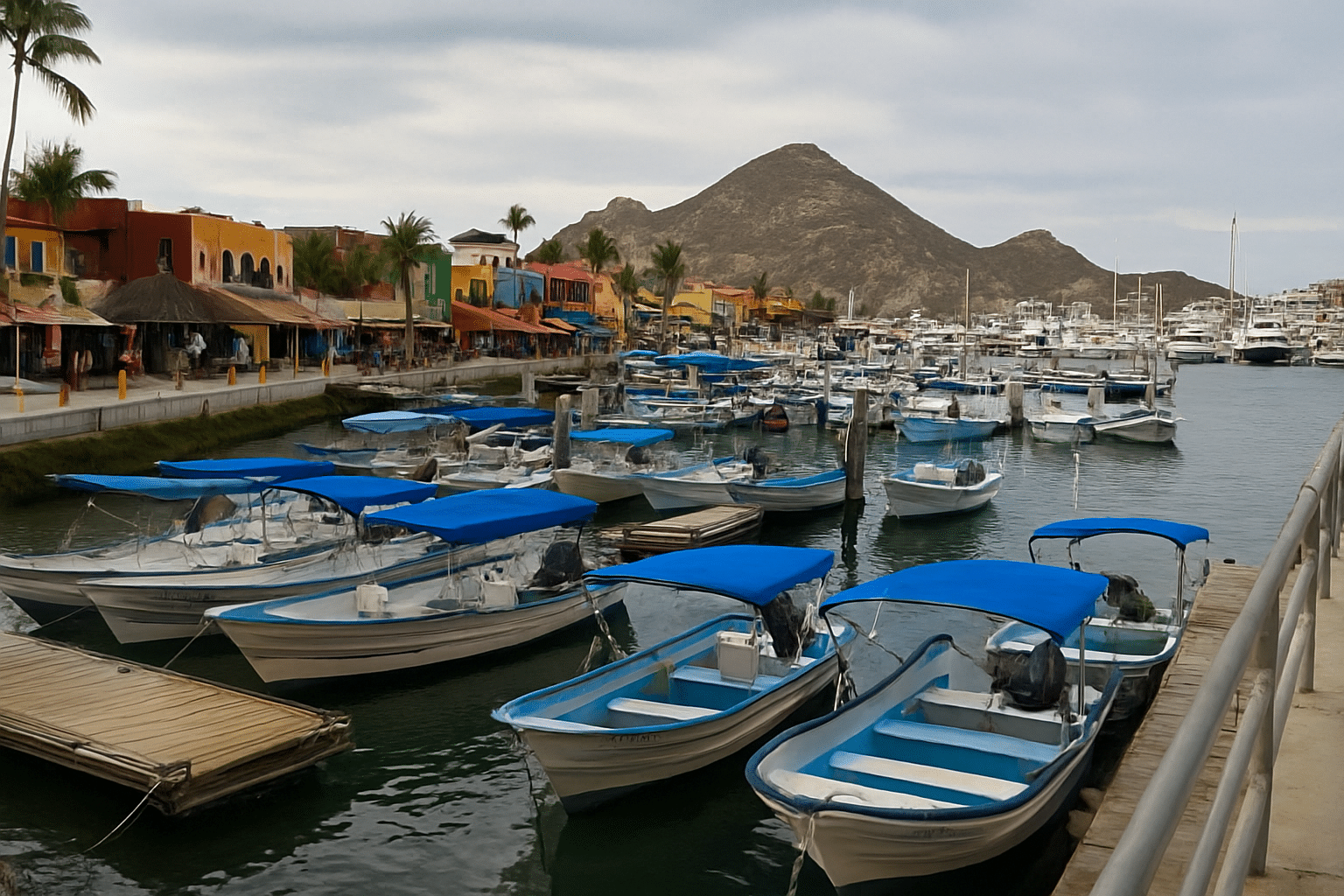
Most ships anchor offshore because Cabo San Lucas does not have a large pier for cruise vessels. Passengers typically reach the marina by tender boats operated by the ship.
What is the best cruise itinerary for Cabo San Lucas?
A seven-night itinerary from Los Angeles or Long Beach often provides a practical balance of sailing time and port visits. Many routes include Cabo San Lucas, Mazatlán, and Puerto Vallarta, giving passengers more than one Mexican destination.
Travelers who want more time in Cabo should choose an itinerary with a long daytime call or an overnight stay. A longer port visit allows time for activities such as snorkeling, whale watching during winter, and visiting Medano Beach.
Are 3-day cruises to Cabo San Lucas available?
Three-day cruises to Cabo San Lucas are available on select schedules, although four- and five-day options appear more often. These short trips commonly depart from Long Beach or Los Angeles and may include only one port call.
A three-day sailing gives passengers limited time at sea and in Cabo. It suits travelers seeking a brief getaway, but it may provide less schedule flexibility if weather delays affect tender operations.
How long are cruises from Los Angeles to Cabo San Lucas?
A cruise from Los Angeles to Cabo San Lucas usually takes about two days at sea before reaching the port. The ship often spends several hours in Cabo and then returns to Southern California, depending on the itinerary.
Round-trip cruises commonly last three to five nights for a single Cabo visit. Seven-night itineraries usually add ports such as Mazatlán or Puerto Vallarta.
Is Cabo San Lucas safe for cruise passengers?
Cabo San Lucas welcomes large numbers of cruise passengers, and the main marina, downtown area, and established tourist zones receive regular visitors. Travelers should stay aware of their surroundings, use licensed transportation, and follow the cruise line’s guidance.
Passengers should keep valuables secure and avoid isolated areas after dark. Organized shore excursions can provide transportation, timing, and local guidance, while travelers should return to the ship before the stated all-aboard time.
Is a Cabo San Lucas cruise worth it?
A Cabo San Lucas cruise can suit travelers who want a short Mexican vacation without booking separate hotels or domestic transportation. The experience combines ship amenities with access to beaches, boat tours, restaurants, and desert landscapes.
Travelers should consider the limited time in port and the possibility of tender delays. An itinerary with a longer visit offers better value for passengers who want to explore beyond the marina.
Free: Pacific Coast Cruise Planning Checklist
Grab my free step-by-step checklist for planning an Alaska, Mexican Riviera, Hawaii, or Pacific Coastal cruise — sent straight to your inbox.

Mexican Riviera Tours & Excursions
Planning your shore days?
Book highly-rated shore excursions and port tours before the best ones sell out.
Find shore excursions on Viator →As a Viator affiliate, I earn a small commission from qualifying bookings — at no extra cost to you.
Cruise Packing Essentials
The little things that make cruising smoother — the gear I recommend to every traveler before they sail.
As an Amazon Associate, I earn from qualifying purchases — at no extra cost to you.