Cruise Passenger Missing Alaska: Search Efforts Underway
This post may contain affiliate links. I may earn a small commission at no extra cost to you.
A missing passenger in Alaska can trigger a complex search across steep terrain, waterways, and busy port areas. The disappearance of Marites Buenafe after traveling on the Norwegian Bliss drew attention to the risks passengers may face when they explore Juneau, Alaska, independently.
Authorities used search operations, official examinations, and cruise-line information to establish what happened to Buenafe. This article reviews the known timeline, the route and terrain above downtown Juneau, the Norwegian Bliss itinerary and response, and the investigation’s findings.
It also explains practical safety steps for anyone leaving a cruise ship without an organized excursion. Understanding communication, timing, terrain, and emergency procedures can help passengers reduce risks while exploring Alaska.
What Happened to Marites Buenafe
Marites Buenafe, a Kentucky resident traveling aboard Norwegian Bliss, disappeared during a Juneau port call in June 2023. Investigators traced her movements from disembarkation to the Mount Roberts Tramway before recovering her remains below Gold Ridge.
Timeline From Disembarkation to Missed Departure
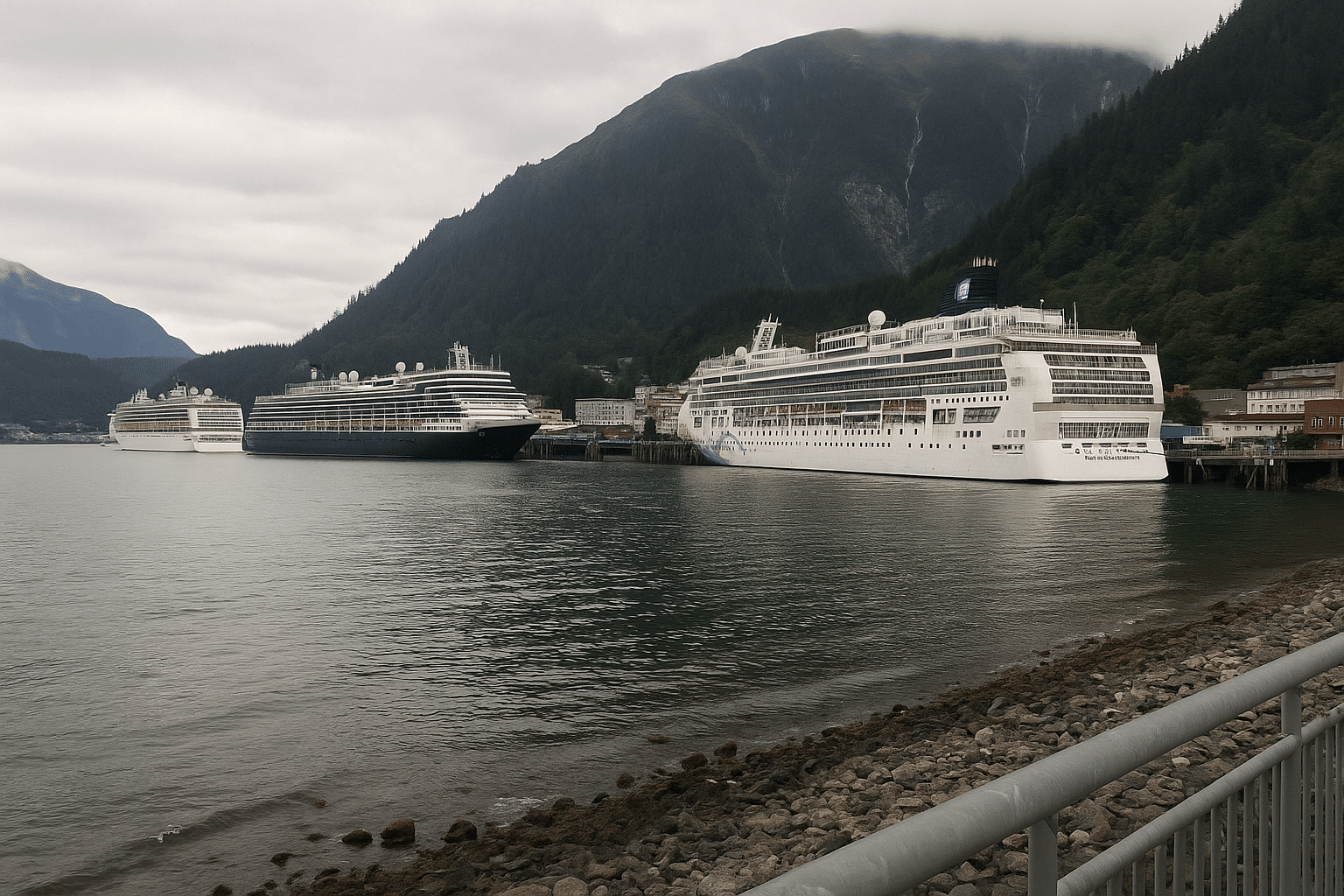
Buenafe left Norwegian Bliss after the ship docked in Juneau. Norwegian Cruise Line expected passengers to return before departure, but she did not reboard when the vessel prepared to leave.
Authorities reviewed available information and determined that Buenafe had traveled into the Mount Roberts area. Her absence became clear after the ship departed without her, prompting a search involving local agencies and personnel connected with the cruise operation.
The case involved a narrow time window between her arrival in Juneau and the ship’s scheduled departure. Investigators focused on her movements near the tourist tram and the higher terrain above the city rather than treating the missed departure as an unexplained disappearance at sea.
Confirmed Last Sighting at Mount Roberts Tramway
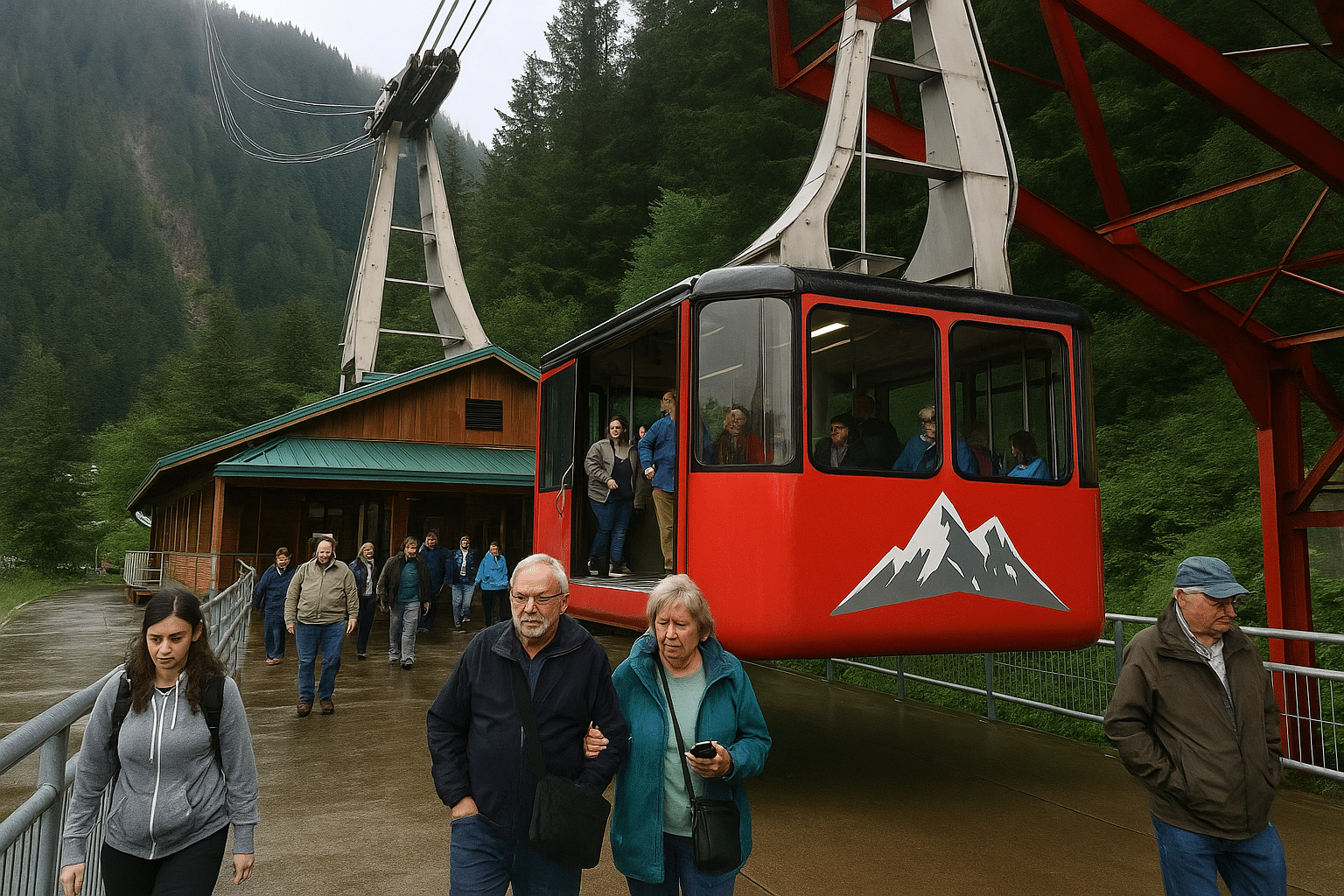
Officials identified Buenafe’s last confirmed sighting near the Mount Roberts Tramway, a tourist tram that carries visitors from downtown Juneau toward the lower slopes of Mount Roberts. The tramway provides access to trails and overlooks with views toward Gastineau Channel.
Her presence near the tramway established that she had left the cruise terminal area and entered a mountainous environment. The location also helped search teams concentrate on terrain extending above the tram station, including areas leading toward Gold Ridge and Gastineau Peak.
The available account does not indicate that Buenafe returned to Norwegian Bliss after reaching Mount Roberts. Search efforts therefore examined both the tramway vicinity and the steep ground beyond it, where weather, loose rock, and limited visibility can complicate field operations.
Recovery Below Gold Ridge
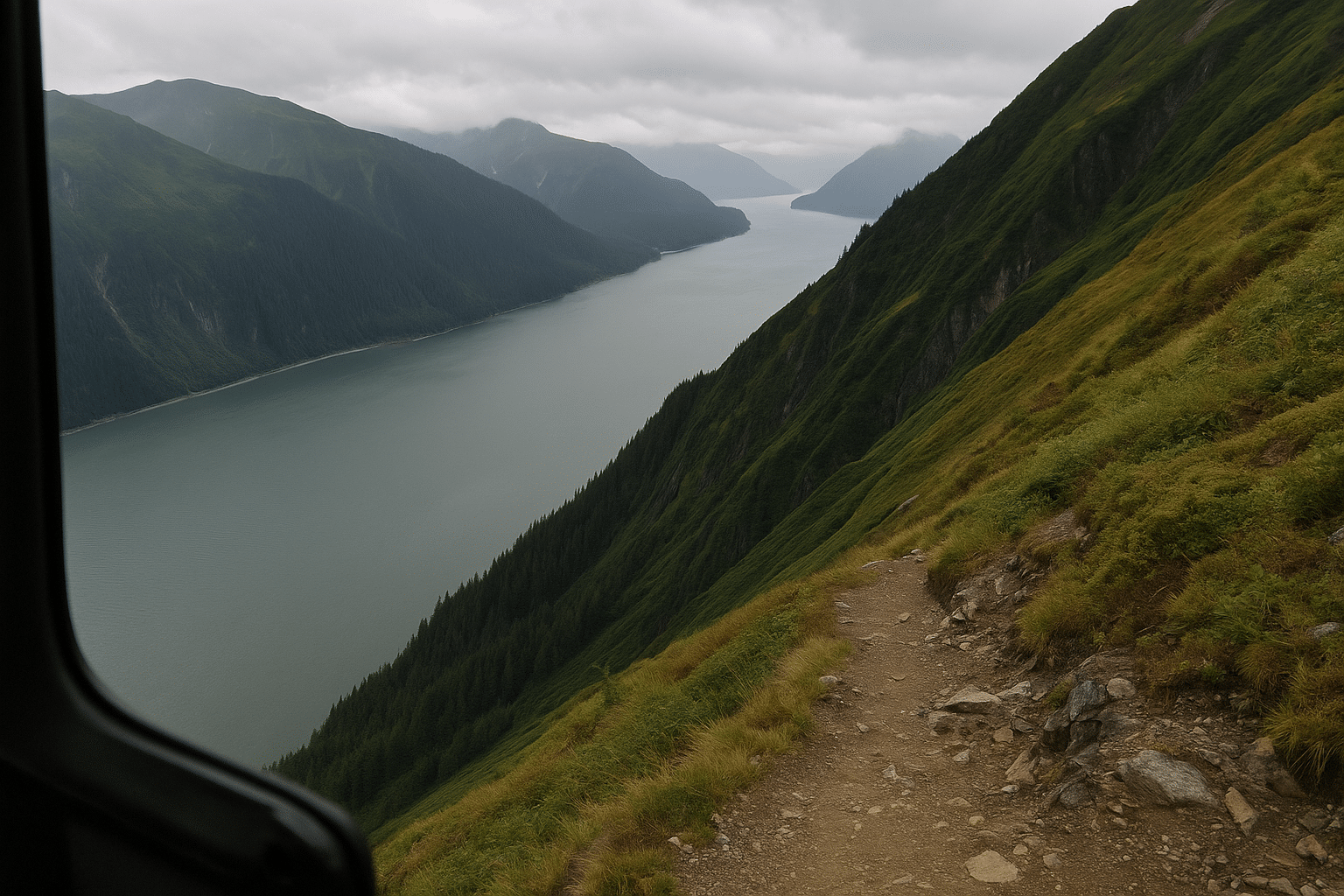
Searchers later located Buenafe’s remains below Gold Ridge, in the Mount Roberts area above Juneau. The recovery site placed her below the ridge rather than at the cruise terminal or aboard Norwegian Bliss.
Authorities treated the discovery as a recovery operation in difficult mountain terrain. The location was consistent with a fall or other accident in the steep area, although the precise circumstances depended on the official investigation and available evidence.
The case connected a missed cruise departure to a search above Juneau, not to an incident on the ship. Buenafe’s recovery ended the search for the Kentucky passenger who had failed to return from the Norwegian Cruise Line port visit.
Search and Recovery Operation
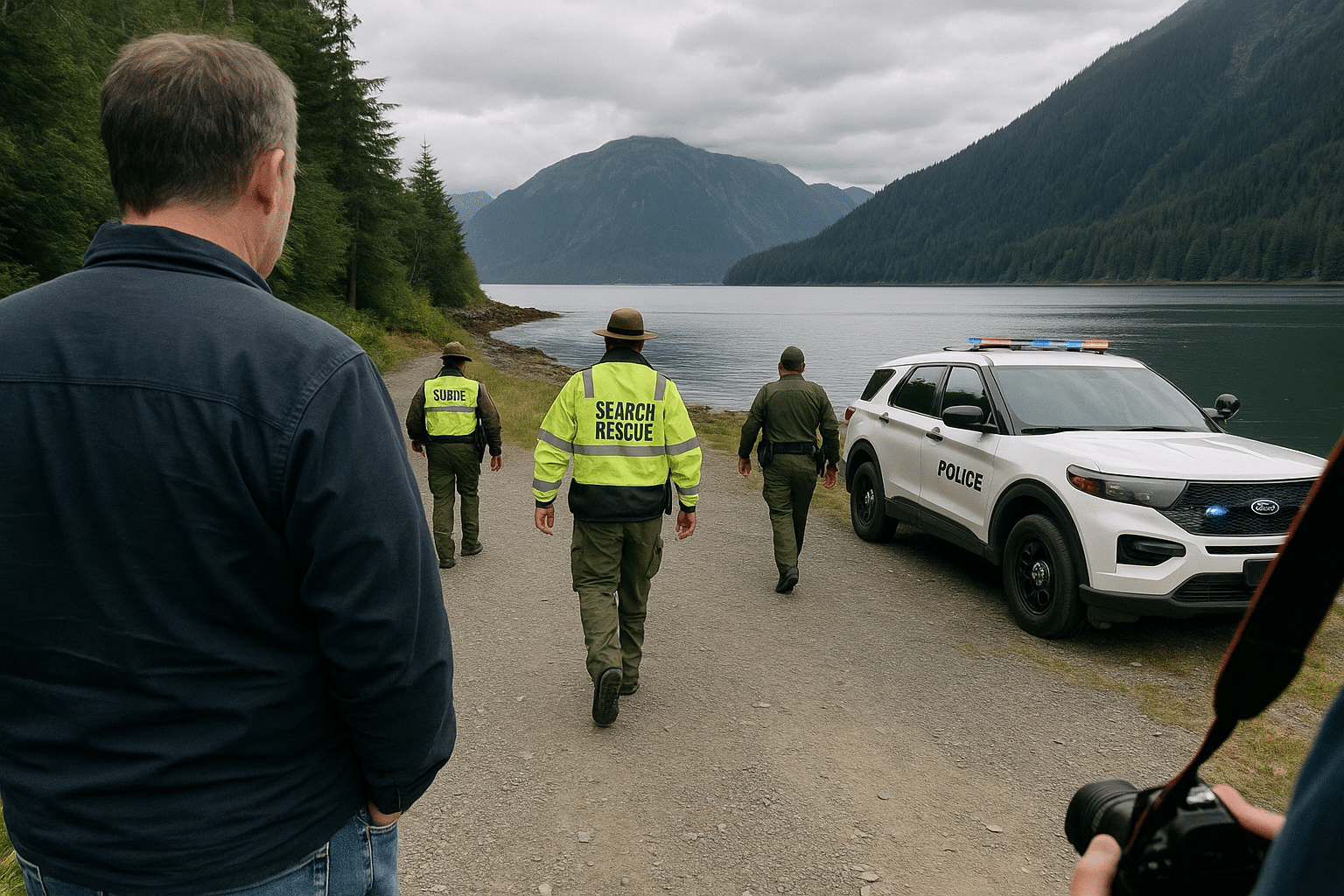
The Alaska State Troopers and Juneau Police Department coordinated ground and aerial searches with Juneau Mountain Rescue, SEADOGS, and other volunteers. Crews faced steep terrain, dense vegetation, cold water, limited visibility, and changing weather that affected helicopter and drone operations.
Ground Teams, K-9s, and Volunteer Support
Ground search teams checked trails, shoreline areas, ravines, access roads, and locations identified through witness reports or ship information. Alaska State Troopers and Juneau Police Department officers coordinated assignments, while Juneau Mountain Rescue provided personnel familiar with Juneau’s steep and heavily forested terrain.
SEADOGS and other trained volunteers supported the search by covering areas that required careful foot searches. Teams documented tracks, clothing, personal items, and other possible evidence before expanding the search perimeter. K-9 teams worked selected routes and shoreline sections, but scent conditions could change quickly because of rain, wind, tidal movement, and heavy vegetation.
Search leaders used maps, GPS data, reports from the cruise operator, and information from family members to prioritize locations. They also maintained communication between field teams and the command center, helping prevent duplicated coverage and directing resources toward areas with the strongest leads.
Helicopters, Thermal Drones, and Weather Limits
Aerial search crews examined shorelines, forest openings, steep slopes, water areas, and isolated structures that ground teams could not reach quickly. Helicopters, including aircraft operated by Temsco Helicopters when assigned, offered broader visibility and allowed crews to inspect difficult terrain from multiple angles.
Thermal drones helped search teams check areas for heat signatures, particularly during low-light periods or when vegetation blocked normal views. Their effectiveness declined in heavy rain, strong winds, dense canopy, rocky terrain, and areas with warm surfaces that produced misleading readings.
Weather repeatedly shaped the search plan. Low clouds, wind, precipitation, darkness, and mountain turbulence could delay helicopter flights or limit safe operating distances. Crews paused or redirected aerial work when conditions threatened flight safety, then resumed searches when visibility and aircraft performance allowed.
National Guard Aircrew and Recovery Effort
Alaska Army National Guard aircrew can provide aircraft, trained crews, hoist capability, and logistical support during a complex search and rescue operation. Their involvement may extend the reach of local agencies when terrain, distance, or prolonged operations exceed available civilian resources.
Aircrews coordinate closely with Alaska State Troopers, Juneau Police Department, rescue coordinators, and local search teams. They review known locations, weather reports, fuel requirements, flight restrictions, and safe landing or hoist sites before starting a mission.
Recovery operations require additional planning when crews locate a person in steep terrain, cold water, or an area without road access. The aircraft may transport rescuers, medical personnel, or recovery equipment, while ground teams secure the site and guide crews to the precise location.
Route and Terrain Above Downtown Juneau
Mount Roberts rises directly above downtown Juneau, Alaska, with the Goldbelt Tramway providing rapid access from the cruise-port area to the lower mountain. Above the tram station, routes toward Gold Ridge and Gastineau Peak enter steeper, less developed terrain where weather, visibility, and footing can change quickly.
Goldbelt Tramway Access to Mount Roberts
The Goldbelt Tramway carries passengers from South Franklin Street to the Mount Roberts upper station. The ride reaches an elevation of roughly 1,800 feet, but the tram does not place visitors near every ridge or summit route. People leaving the station encounter forest paths, exposed slopes, and signed trails with uneven ground.
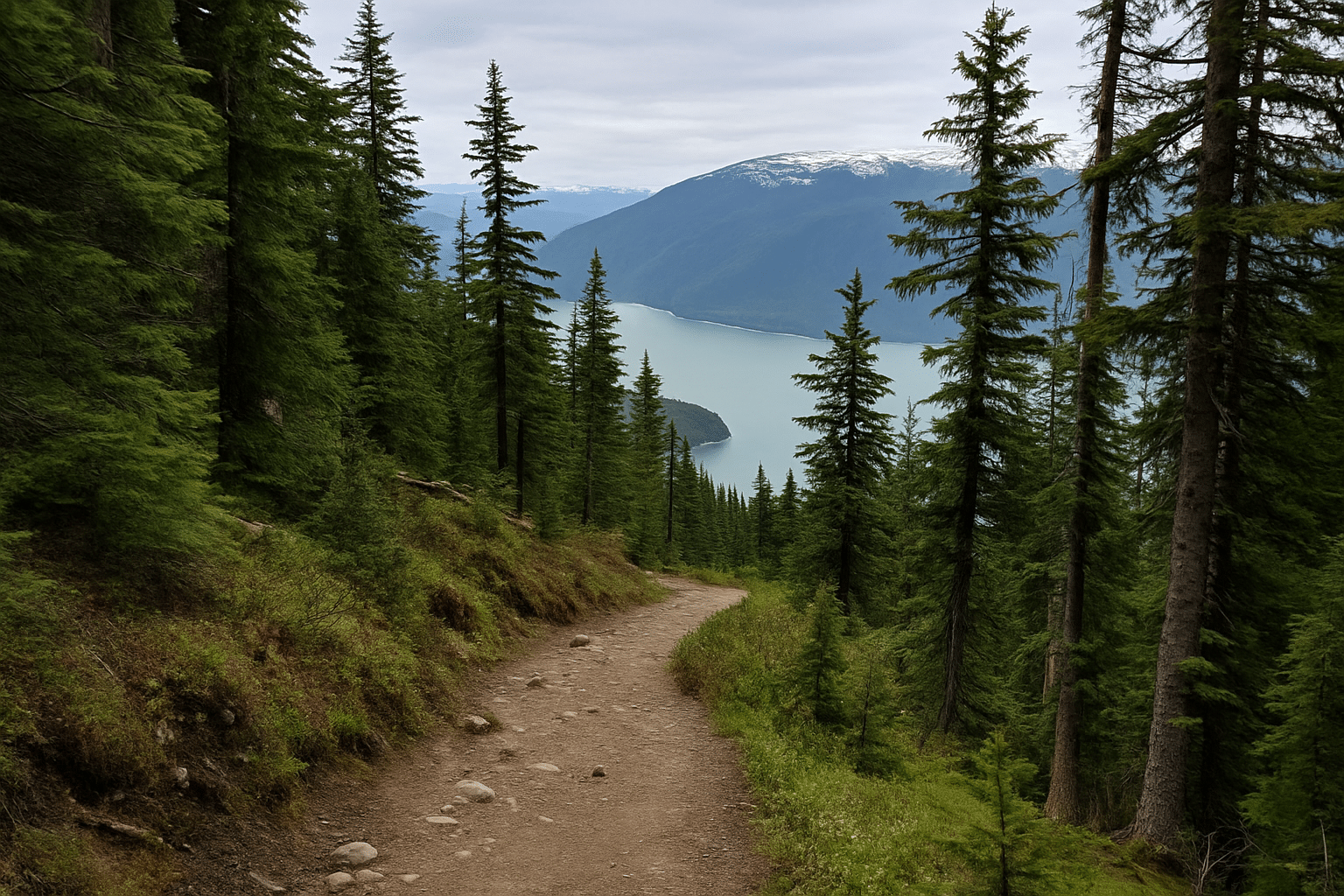
The Mount Roberts Trail climbs from downtown and intersects areas near the tram facilities. Hikers may find wet roots, mud, slick rock, and steep grades, especially after rain. Dense vegetation can limit visibility, while fog can obscure landmarks and make route-finding more difficult.
The tram operates on a schedule and may stop during severe weather or technical problems. Anyone traveling beyond the developed visitor area should carry water, weather-resistant clothing, a charged phone, and a map, then confirm operating hours and trail conditions before departure.
Gold Ridge and Gastineau Peak Hiking Conditions
Routes toward Gold Ridge and Gastineau Peak extend into higher, more exposed terrain above Juneau. They can include narrow sections, loose rock, steep slopes, and wet ground. Alpine vegetation and low clouds may conceal trail edges, while wind and rain can reduce balance and visibility within minutes.
The area lacks the continuous urban access found near the tram station. Hikers should not assume that a visible ridge provides a direct or safe route; cliffs, gullies, and dense brush can interrupt travel. Snow or ice may remain on shaded sections outside summer, and conditions can vary between downtown and the upper mountain.
People planning these routes should tell someone their itinerary, set a firm turnaround time, and avoid leaving marked trails without appropriate navigation and backcountry experience. Search efforts become more difficult in fog, darkness, heavy rain, or poor cellphone coverage.
Norwegian Bliss Itinerary and Cruise Line Response
The Norwegian Bliss typically operates a round-trip Alaska cruise from Seattle, with scheduled calls that may include scenic Glacier Bay, Sitka, Icy Strait Point, Ketchikan, and Victoria, British Columbia. Norwegian Cruise Line’s response to a missing-passenger report centers on onboard assistance, passenger records, and coordination with government authorities.
Sailing From Seattle and Scheduled Port Calls
The Norwegian Bliss commonly leaves Seattle for a seven-day Alaska cruise. A representative itinerary may include a scenic passage through Glacier Bay, followed by port calls at Sitka, Icy Strait Point, and Ketchikan, before a stop in Victoria, British Columbia, on the return route.
Exact ports and times can change because of weather, sea conditions, operational needs, or government direction. Glacier Bay is generally a scenic cruising destination rather than a conventional port call, so passengers remain aboard the cruise ship while viewing the area.
The itinerary matters when investigators establish the last known location and determine which waters, ports, or jurisdictions require attention. Passenger movements, security footage, access records, and embarkation data can help authorities reconstruct events after a report involving a missing cruise passenger.
Guest Support and Coordination With Authorities
When Norwegian Cruise Line receives a missing-person report, the ship’s team can review surveillance footage, access-card activity, cabin information, and passenger manifests. Crew members may also conduct onboard searches and preserve relevant records for investigators.
The cruise line typically works with the U.S. Coast Guard, local law enforcement, Canadian authorities, or other agencies based on the vessel’s location and the available evidence. Seattle may be relevant as the departure or return port, while Alaska ports and nearby waters may involve different agencies.
Family members generally receive assistance through the ship’s guest-services and security teams. Officials, rather than the cruise line alone, determine the scope of searches, interviews, and public statements. The cruise line may adjust the vessel’s operations when authorities request access to passengers, crew, records, or specific areas of the ship.
Official Investigation and Medical Examination
Authorities must confirm the passenger’s identity, establish the last known movements, and determine whether the disappearance involved an accident, foul play, or another circumstance. The investigation includes agency notifications, witness interviews, vessel records, search findings, and any medical evidence connected to Marites Buenafe.
Notifications and Agency Statements
The Alaska State Troopers typically coordinate statewide law-enforcement activity when a missing-person case involves remote waters or multiple jurisdictions. Juneau Police may assist with local interviews, port information, family notifications, and the review of surveillance or transportation records.
Investigators may collect the passenger manifest, cabin-access data, security footage, shipboard reports, cellphone information, and statements from passengers and crew. Officials generally release only verified facts, including the time and location of the last confirmed sighting, the search area, and whether authorities consider the case an active missing-person investigation.
The cruise operator may issue a statement confirming cooperation with law enforcement while limiting personal details about the passenger. Families should rely on statements from the Alaska State Troopers, Juneau Police, or the medical examiner rather than unverified social-media reports.
Autopsy and Pending Findings
If authorities recover Buenafe or relevant remains, the Alaska medical examiner may conduct an autopsy to establish identity and determine the cause and manner of death. The examination can include toxicology, DNA testing, injury analysis, and comparison with medical or dental records.
An autopsy may not produce immediate answers. Toxicology and laboratory testing often take longer than the initial examination, and officials may withhold findings until they notify relatives and complete investigative interviews.
The medical examiner’s classification may identify the death as accidental, natural, suicide, homicide, or undetermined. That classification does not replace the law-enforcement investigation; the Alaska State Troopers and Juneau Police would continue reviewing physical evidence, witness accounts, vessel data, and the circumstances surrounding the disappearance.
Safety Considerations for Independent Cruise Excursions
Independent excursions in Alaska require careful timing, weather planning, and reliable communication. Passengers should account for cruise ship departure rules, changing mountain conditions, and the limited access to emergency services outside Juneau.
Planning Around All-Aboard Times
Passengers should confirm the ship’s all-aboard time, not merely its scheduled departure. Independent tours should end several hours earlier to allow for traffic, delayed transport, crowds at the pier, and unexpected problems. A passenger who misses the ship must arrange and pay for transportation to its next port.
Before leaving the cruise ship, passengers should share their route, expected return time, and emergency contacts with a travel companion. They should carry identification, ship contact details, cash or a payment card, and a fully charged phone. A printed map can help if the phone loses service.
In Juneau, hikers visiting Mount Roberts or the Gold Ridge area should check trail distances and return options before starting. They should use marked routes and avoid beginning a remote hike when the schedule leaves little margin.
Preparing for Mountain Weather and Limited Cell Service
Alaska’s mountain weather can change quickly, even when Juneau appears warm and dry. Hikers should carry waterproof outer layers, warm clothing, sturdy footwear, food, water, a headlamp, and basic first-aid supplies. They should check current forecasts and trail conditions before departing.
Cell service may weaken or disappear on Mount Roberts, near Gold Ridge, and along other isolated routes. Passengers should download maps, tell someone their exact destination, and avoid relying on a phone for navigation or emergency contact. A satellite messenger can provide added security where permitted and properly used.
They should turn back when visibility drops, trails become unsafe, or the planned return time approaches. Search and rescue operations can take time in Alaska, and rescuers may face steep terrain, poor weather, and limited access. Cruise passengers should never assume that rescue services can return them to the ship before departure.
Frequently Asked Questions
A passenger disappeared during an Alaska cruise after leaving the ship in Juneau. Authorities investigated the disappearance, searched nearby areas, and examined whether it was connected to a death near Mount Roberts.
What happened to the cruise passenger reported missing in Alaska?
The passenger left the cruise ship while it was docked in Juneau and did not return before departure. Family members or cruise officials reported the person missing after they could not locate him.
Where was the missing passenger last seen after leaving the cruise ship?
He was last known to be in the Juneau area after leaving the ship. Public reports have not established a confirmed location beyond the port and nearby areas.
Which cruise line and ship were involved in the Alaska disappearance?
Reports identified the vessel as a Royal Caribbean cruise ship visiting Juneau. Authorities continued to verify the passenger’s movements and the ship’s records.
Did authorities find the missing cruise passenger?
Authorities had not publicly confirmed that they found the missing passenger. Search efforts focused on Juneau, nearby waterways, and areas accessible from the port.
What are police and Coast Guard officials doing to investigate the case?
Juneau police reviewed surveillance footage, interviewed witnesses, and checked available travel and ship records. Coast Guard personnel assisted with searches in nearby waters and coordinated with local investigators.
Was the incident connected to a death near Juneau or Mount Roberts?
Authorities examined whether the disappearance was connected to a separate death reported near Mount Roberts. Public information did not establish a confirmed link between the two incidents.
Free: Pacific Coast Cruise Planning Checklist
Grab my free step-by-step checklist for planning an Alaska, Mexican Riviera, Hawaii, or Pacific Coastal cruise — sent straight to your inbox.
Alaska Shore Excursions & Tours
Planning your shore days?
Book highly-rated shore excursions and port tours before the best ones sell out.
Find shore excursions on Viator →As a Viator affiliate, I earn a small commission from qualifying bookings — at no extra cost to you.
Cruise Packing Essentials
The little things that make cruising smoother — the gear I recommend to every traveler before they sail.
As an Amazon Associate, I earn from qualifying purchases — at no extra cost to you.