Mexican Riviera Cruises: Top Destinations and Travel Tips
This post may contain affiliate links. I may earn a small commission at no extra cost to you.
Mexican Riviera cruises give travelers a convenient way to explore Mexico’s Pacific coast, with popular stops such as Cabo San Lucas, Mazatlán, and Puerto Vallarta. These cruises typically combine resort beaches, historic districts, local food, and outdoor activities in one Mexico cruise itinerary.
Routes vary by departure port, sailing length, and season, so travelers can choose a short getaway or a longer voyage with more time ashore. The right itinerary also depends on preferred excursions, weather, budget, and practical details such as port transportation, shopping, and booking costs.
Routes, Departure Ports, and Itinerary Lengths
Mexican Riviera cruises typically combine coastal ports such as Cabo San Lucas, Mazatlán, and Puerto Vallarta with sea days and, on some routes, Ensenada or Catalina Island. Departure port, sailing length, and seasonal schedules determine how many destinations travelers can visit.
Short Getaways and 3- to 5-Night Sailings
Short cruises to the Mexican Riviera usually depart from Los Angeles, often using the Port of Los Angeles in San Pedro. Three-night itineraries commonly visit Ensenada, while four- and five-night sailings may add Catalina Island or Cabo San Lucas.
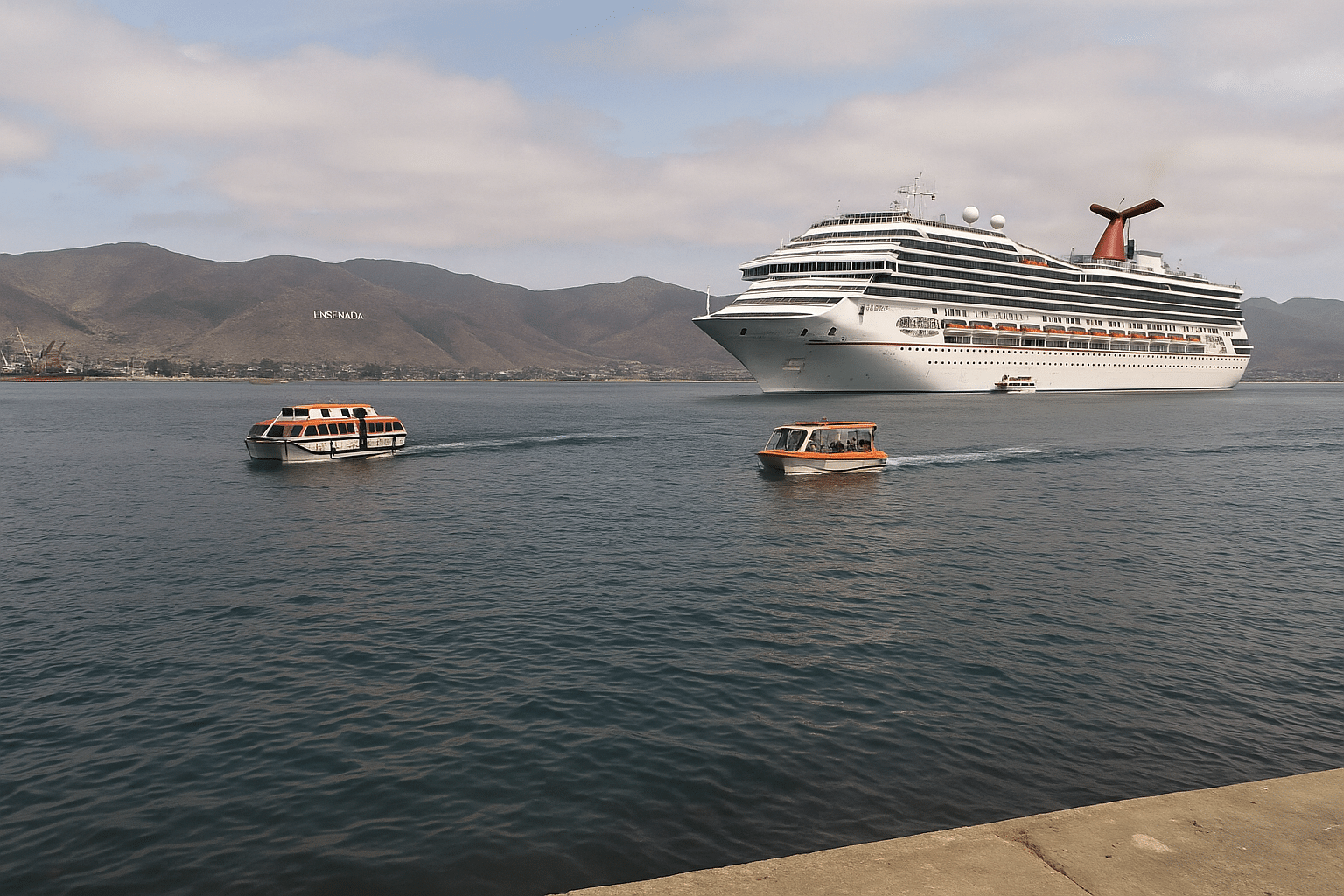
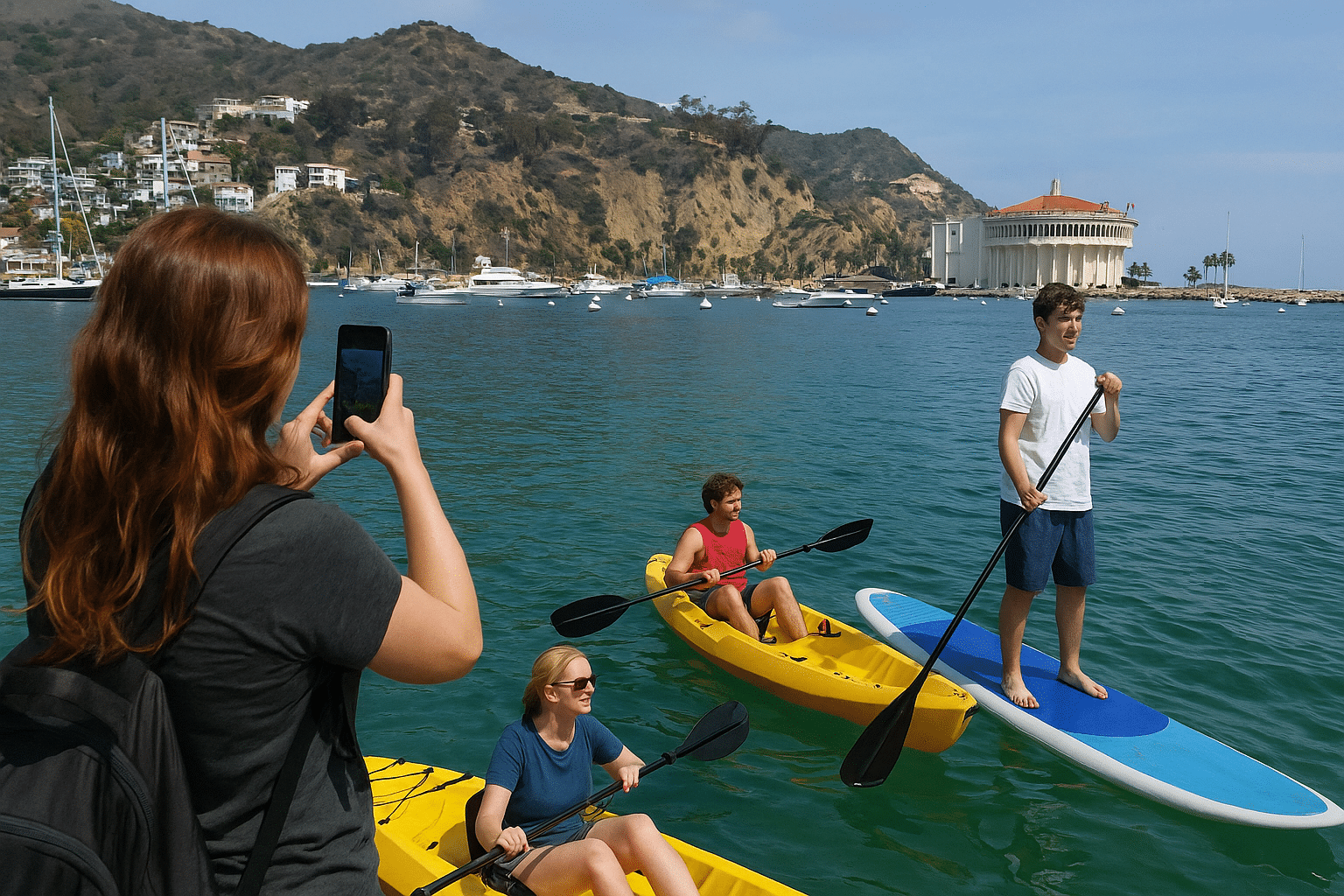
Ensenada offers a convenient first port for travelers seeking a brief international cruise. Catalina Island provides a California stop with beaches, harbor tours, and walkable town areas. Cabo San Lucas requires more planning because ships generally anchor offshore and transfer passengers by tender boats.
These sailings suit travelers with limited vacation time, but they allow less time in each port. A short itinerary may include one full sea day and only several hours ashore, so passengers should prioritize excursions and check port arrival and departure times carefully.
Weeklong and Longer Voyage Options
Seven-night Mexican Riviera cruises usually provide more balanced access to Cabo San Lucas, Mazatlán, and Puerto Vallarta. Many itineraries include two sea days, while some substitute Ensenada or Catalina Island for one of the longer-distance ports.
Puerto Vallarta typically offers cultural attractions, restaurants, beaches, and excursions to nearby coastal areas. Mazatlán combines a historic center, a long beachfront promenade, and access to local sightseeing. Cabo San Lucas is known for its distinctive rock formations, boating excursions, and resort areas.
Longer voyages may include additional days in port or combine the Mexican Riviera with Baja California destinations. Travelers should compare time ashore rather than relying only on the number of ports, since tender operations and late arrivals can reduce usable sightseeing time.
California Embarkation Options
Los Angeles remains the primary California gateway for Mexican Riviera cruises, with frequent departures from San Pedro. The port provides access from Los Angeles International Airport and surrounding Southern California cities, although travelers should allow extra time for traffic and airport transfers.
Some itineraries depart from San Diego, particularly on seasonal or repositioning cruises. These routes may visit Ensenada, Cabo San Lucas, Mazatlán, and Puerto Vallarta, depending on the ship’s schedule and voyage length.
La Paz appears less often on standard round-trip itineraries but may feature on longer Baja-focused voyages. Because departure ports and port sequences vary by cruise line, travelers should check the exact sailing calendar, terminal location, arrival requirements, and transportation options before booking.
Major Ports and Signature Experiences
Mexican Riviera cruises combine dramatic coastal landmarks, beaches, historic districts, regional food, shopping, and marine wildlife. Port activities range from short walks near the terminal to full-day excursions involving boats, vineyards, or the Sea of Cortez.
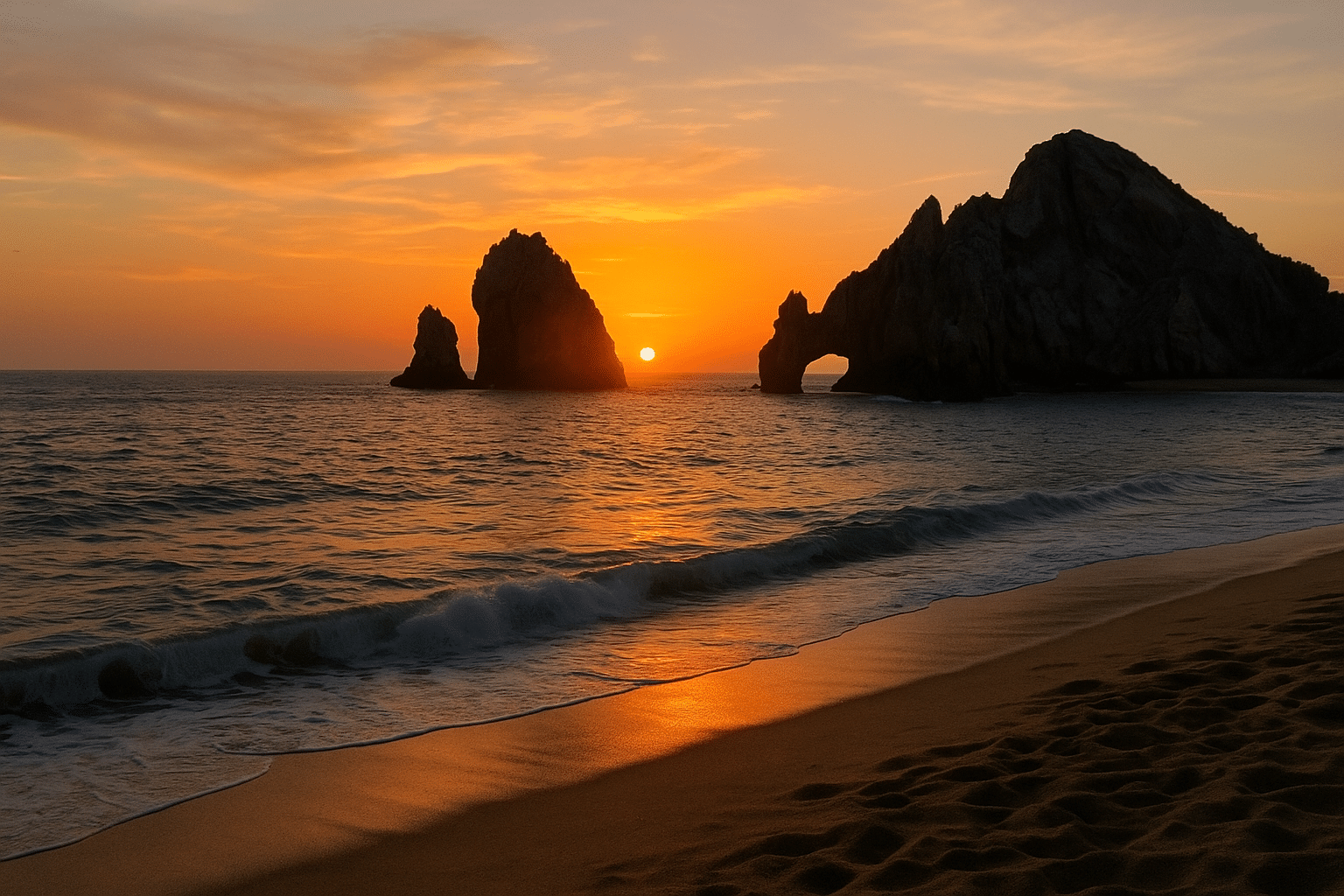
Cabo San Lucas: El Arco, Land’s End, and Medano Beach
Cabo San Lucas centers on El Arco, the distinctive rock formation at Land’s End where the Pacific Ocean meets the Gulf of California. Glass-bottom boats, water taxis, and sightseeing cruises provide views of the arch, sea lions, Lover’s Beach, and Divorce Beach. Swimmers should follow local guidance because currents can make the Pacific-facing beach unsafe.
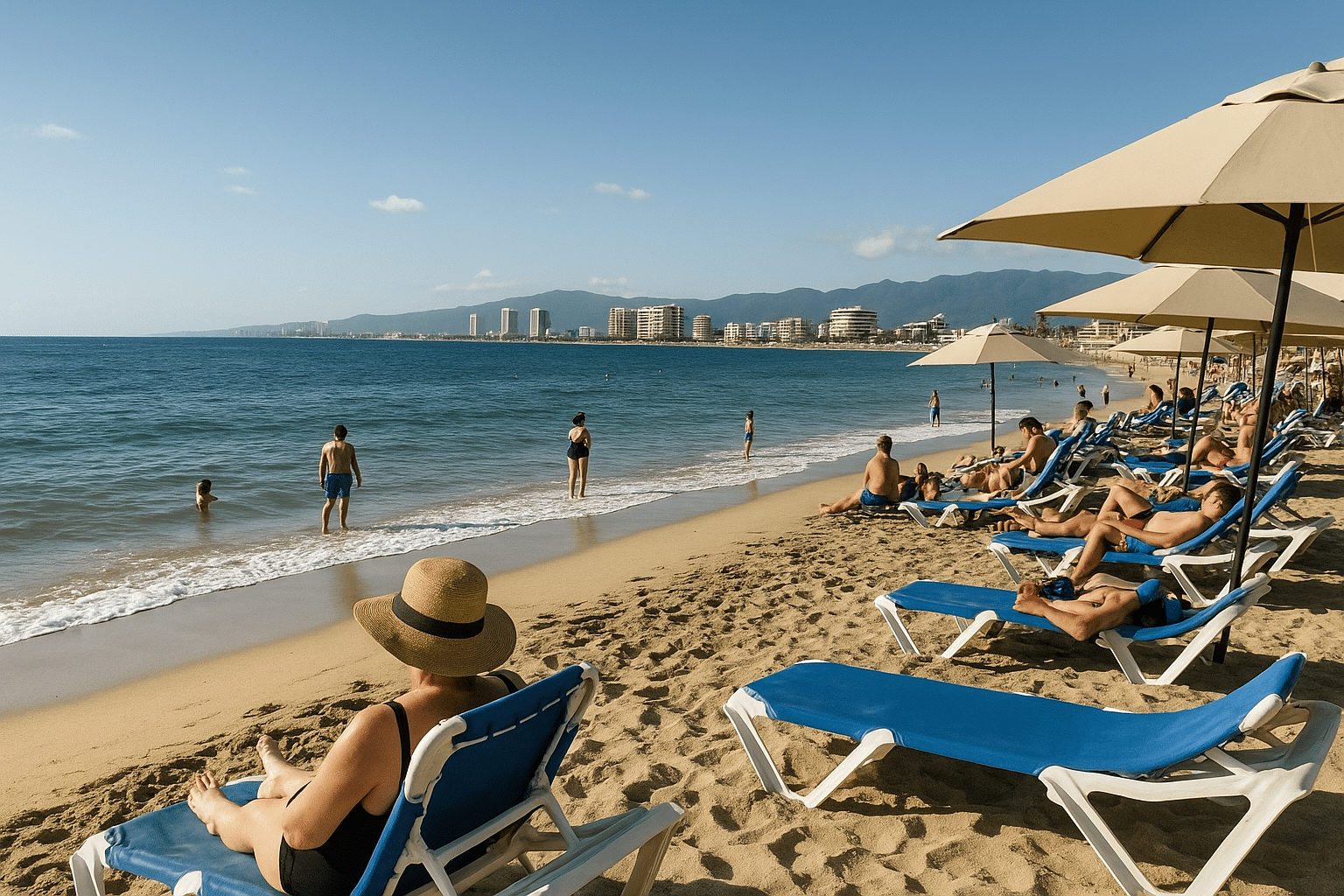
Medano Beach offers the most convenient access to swimming, paddleboarding, parasailing, restaurants, and beach clubs. It sits close to downtown shopping, where visitors find jewelry, clothing, crafts, and Mexican food. Travelers with limited port time can combine a short Land’s End boat ride with a walk along the marina and lunch near the beach.
Puerto Vallarta: Malecón Culture and Beach Activities
Puerto Vallarta’s Malecón links the cruise area with central streets, public sculptures, galleries, restaurants, and shops. Its coastal walkway suits an independent visit, while nearby Zona Romántica adds cafés, boutiques, and access to Los Muertos Beach. Visitors can also browse local crafts, silver jewelry, textiles, and artwork in established shops and markets.
Beach activities include kayaking, snorkeling, paddleboarding, and boat trips to coastal coves south of the city. Excursions to Yelapa or Las Caletas generally require several hours, so cruise passengers should verify return times. Those staying near town can choose a meal featuring regional seafood, birria, or fresh tortillas without traveling far from the port.
Mazatlán: Historic Streets, Local Crafts, and Waterfront Activities
Mazatlán combines a restored historic center with a long malecón and broad beaches. The central district features the Angela Peralta Theater, the cathedral, colorful façades, galleries, cafés, and shops selling pottery, woven goods, and other local crafts. A walk or short taxi ride from the port can cover several major sights.
The malecón supports cycling, walking, photography, and visits to public monuments. Visitors may also take a pulmonía, Mazatlán’s open-air taxi, to reach viewpoints, markets, or Plaza Machado. Seafood restaurants serve shrimp, fish, and aguachile, while newer venues offer craft beer from regional breweries. Beach excursions often focus on swimming, kayaking, or relaxed time at a resort.
Ensenada and La Paz: Wine Country and the Sea of Cortez
Ensenada provides access to Baja California’s Valle de Guadalupe, Mexico’s leading wine region. Organized excursions visit selected wineries for tastings and regional cuisine, but the drive can take much of a port day. Travelers who remain in town can explore seafood stalls, craft-beer bars, shops, and the waterfront near the cruise terminal.
La Paz sits on the Sea of Cortez and offers calmer coastal scenery, boat tours, and wildlife experiences. Seasonal excursions may include snorkeling with whale sharks under regulated local guidelines; operators control distance and time in the water. Other trips visit Espíritu Santo Island for snorkeling, kayaking, beaches, and sea-lion sightings. The city’s waterfront promenade also supports an easy independent walk.
Choosing the Best Time to Sail
Mexican Riviera cruises offer different experiences by season. Winter favors whale watching and cooler temperatures, while summer brings warmer water and conditions suited to swimming, snorkeling, and other beach activities.
Whale-Watching Season and Cooler Weather
Gray whales migrate along the Baja coast from roughly December through April, with sightings often strongest from January to March. They travel from feeding grounds near Alaska to breeding and calving areas in Baja California Sur, especially around Magdalena Bay and Laguna San Ignacio.
Cruise passengers may spot whales from ship decks near Cabo San Lucas, but dedicated excursions from ports such as Cabo San Lucas or Mazatlán usually provide closer views. January and February bring cooler mornings and evenings, so travelers should pack layers, wind-resistant clothing, and sun protection.
Winter also produces comfortable sightseeing conditions in Puerto Vallarta, Mazatlán, and Cabo San Lucas. Travelers interested in whale sharks should check seasonal availability near La Paz, where excursions commonly operate from late fall into spring, subject to local regulations and wildlife conditions.
Summer Beach Conditions and Water Activities
Summer typically brings warmer sea temperatures along the Mexican Riviera, making it attractive for swimming, kayaking, paddleboarding, and snorkeling. The best conditions can vary by port, but calm morning water often supports more comfortable excursions before afternoon winds develop.
June through September can feel hot and humid, particularly in Puerto Vallarta and Mazatlán. Travelers should choose lightweight clothing, apply reef-conscious sunscreen, and carry water during shore visits. Ocean visibility may change after rain or rough weather, so snorkeling quality can differ from one day to the next.
Summer cruises may also offer lower fares and fewer winter crowds. However, travelers should review cancellation policies for water-based tours because tropical systems can affect port operations, beach access, and small-boat departures.
Weather Considerations Along the Baja Peninsula
The Baja Peninsula has a dry climate, but conditions differ between the Pacific coast and the Sea of Cortez. Cabo San Lucas usually stays warm and sunny, while the Pacific side can feel cooler, windier, and more variable, especially from December through March.
Hurricane season runs from June through November, with the greatest need for weather monitoring generally occurring from August through October. Most storms do not affect every sailing, but cruise lines may adjust routes, arrival times, or port calls when marine conditions become unsafe.
Travelers should check the forecast for each port rather than relying on conditions in one location. A lightweight rain jacket, sun protection, and flexible plans help when visiting the Baja coast during late summer or early fall.
Shore Excursions for Every Travel Style
Mexican Riviera cruises connect travelers with sheltered beaches, marine wildlife, desert landscapes, historic districts, and regional cuisine. Each port offers different activity levels, from easy waterfront walks to full-day adventures in the Sea of Cortez.
Beach, Snorkeling, and Water-Based Adventures
Cabo San Lucas offers beach time near El Arco, the distinctive rock formation at Land’s End. Boat tours often include views of the arch, Lover’s Beach, and the Pacific Ocean side of the peninsula, while guided snorkeling trips visit calmer waters when conditions permit.
Puerto Vallarta provides access to beaches south of the city, including destinations near Mismaloya and Los Arcos. Travelers can choose from snorkeling, kayaking, paddleboarding, and short boat excursions, though they should confirm transportation times before booking an independent beach visit.
In La Paz, protected bays and clear seasonal waters support snorkeling and wildlife-focused boat trips. Whale shark tours operate during the usual season, generally from late fall through winter, and should follow local rules that limit boat distance and swimmer contact.
Nature, Wildlife, and Scenic Exploration
The Sea of Cortez surrounds La Paz with desert scenery, rocky islands, and productive marine habitats. Excursions may include island cruises, snorkeling stops, and sightings of sea lions, dolphins, rays, or seabirds. Conditions can change quickly, so travelers should bring sun protection and motion-sickness medication if needed.
Cabo San Lucas combines rugged coastline with open-water sightseeing. Seasonal whale-watching tours may run from December through March, when migrating gray whales pass the Baja California coast. Operators should maintain appropriate distances and follow wildlife-protection regulations.
Ensenada offers excursions into Baja California’s coastal and inland landscapes. Travelers can visit scenic viewpoints, explore nearby valleys, or tour wineries in the Valle de Guadalupe, but full-day trips require careful attention to return times because traffic can delay the journey to the ship.
Culture, Food, and City Tours
Mazatlán suits travelers who want architecture, local food, and a compact city experience. Walking tours commonly include the historic center, the cathedral, public squares, and the malecón, while food-focused outings may feature seafood, aguachile, tacos, and regional specialties.
Puerto Vallarta’s downtown area includes the Malecón, the Church of Our Lady of Guadalupe, galleries, and restaurants. Guided tours can explain the city’s history while allowing time for Mexican dishes, fresh seafood, or a market visit.
Ensenada is known for seafood and Baja-style cuisine, including fish tacos and locally produced wines. Cruise passengers should choose reputable guides for tastings and verify the planned return time, especially when visiting destinations outside the port area.
Food and Shopping Ashore
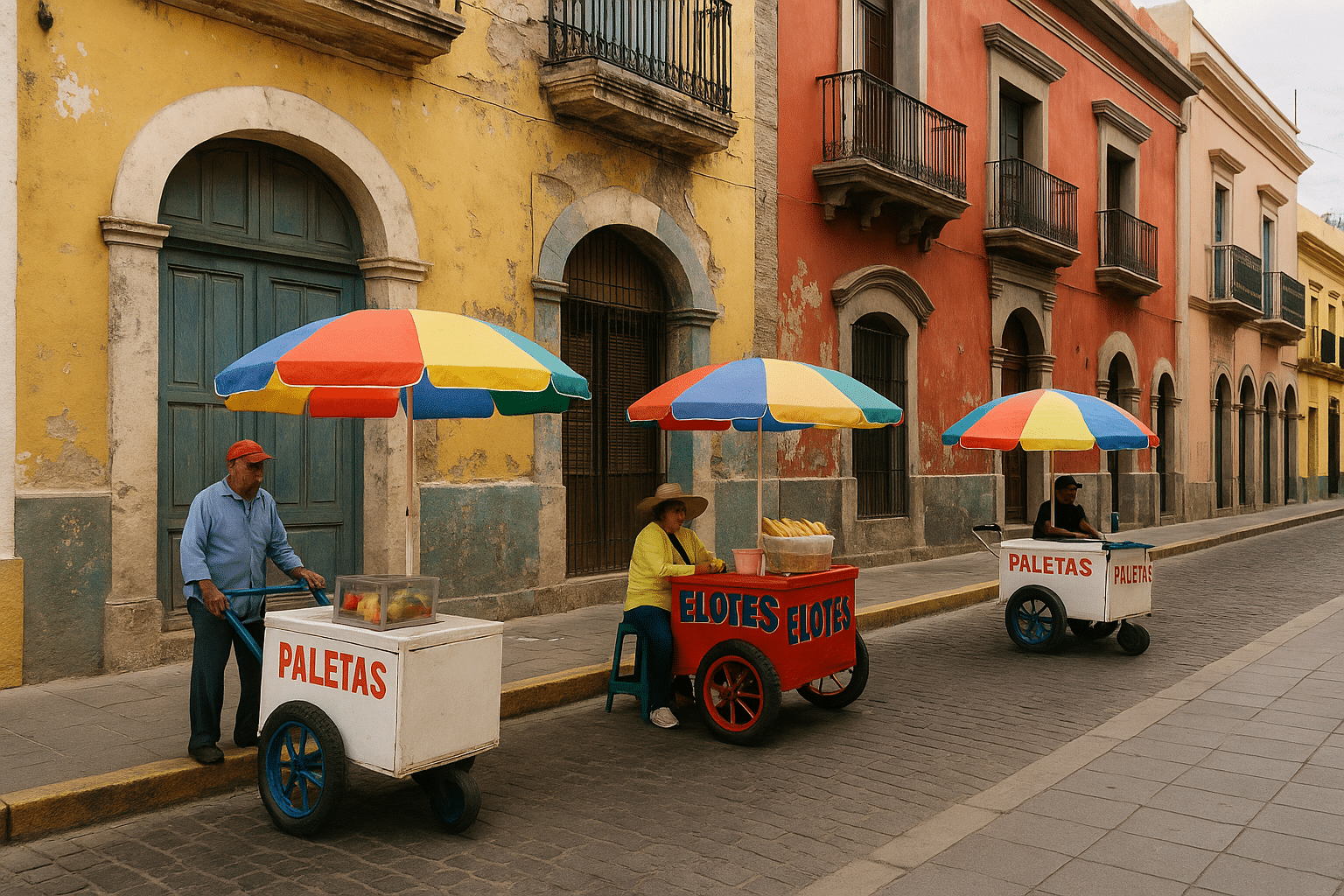
Port calls along the Baja coast, Mazatlán, and Puerto Vallarta offer distinct Mexican cuisine rather than one uniform food scene. Travelers can pair fresh seafood and regional tacos with tamales, Sonoran dishes, local markets, and practical souvenir shopping.
Baja Seafood, Fish Tacos, and Regional Tacos
Baja ports are known for fish tacos made with battered or grilled fish, shredded cabbage, crema, lime, and salsa. Ensenada is strongly associated with this style, while coastal towns may also serve shrimp, octopus, clams, and ceviche. Travelers should choose busy stalls where seafood moves quickly and cooks prepare orders to order.
Mazatlán adds Pacific seafood to its taco culture, including grilled shrimp, smoked marlin, and aguachile. Puerto Vallarta offers seafood tacos alongside birria, pork, and other regional tacos. Mexican cuisine varies by vendor, so travelers should ask about ingredients, spice levels, and whether tortillas contain wheat or corn.
Traditional Tamales and Sonoran Specialties
Tamales combine masa with fillings such as pork, chicken, vegetables, or seafood, then steam inside corn husks. Travelers may find guemes tamales, a Baja specialty often filled with chicken, olives, raisins, and vegetables, depending on the recipe. Tamales fajados de pollo use chicken and a firm, wrapped masa preparation associated with northern Mexican cooking.
Sonoran cuisine emphasizes flour tortillas, grilled beef, beans, and roasted chilies. In Sonora-influenced restaurants, machaca guisada features dried, shredded beef cooked with tomatoes, onions, and chilies. These dishes often appear at breakfast or lunch, and portions can be substantial. Travelers with limited time should look for small family restaurants near the port rather than ordering only from waterfront chains.
Markets, Artisans, and Souvenir Buying
Shopping near Mexican cruise ports ranges from organized waterfront stores to public markets and independent artisan stalls. Puerto Vallarta’s markets commonly sell embroidered textiles, leather goods, ceramics, woven baskets, silver jewelry, and Huichol-style beadwork. Mazatlán offers regional crafts, clothing, pottery, and food products, while Baja markets often feature shell items, blankets, ceramics, and packaged chilies.
Travelers should compare prices at several stalls before buying and confirm whether an item is handmade, locally produced, or factory-made. They should carry small pesos for market purchases, keep receipts for higher-value goods, and avoid buying protected wildlife products or foods that cannot legally enter their next destination. Shipping services can help with fragile ceramics and larger artwork.
Booking, Budgeting, and Port-Day Practicalities
Travelers can compare Mexican Riviera cruises by examining the full fare, onboard inclusions, and added taxes and fees. They should also plan for Mexican pesos, local transportation, shopping, bargaining, and the ship’s required return time at each port.
Comparing Fares, Taxes, Fees, and Inclusions
Cruise fares from Los Angeles may include the cabin, main dining, select entertainment, and basic onboard activities. They often exclude government taxes, port fees, gratuities, specialty restaurants, alcoholic drinks, Wi-Fi, shore excursions, and transportation to the terminal.
Travelers should compare the total price, not only the advertised fare. A lower fare can become more expensive after daily service charges, drink packages, internet access, and transfers. They should check whether the fare includes prepaid gratuities, meals at specialty venues, children’s pricing, or promotional onboard credit.
| Cost | What to check |
|---|---|
| Taxes and port fees | Whether the listed fare already includes them |
| Gratuities | Daily rate, automatic charges, and payment options |
| Shore excursions | Port transportation, admission, meals, and cancellation rules |
| Travel costs | Parking, hotels, flights, or transfers to Los Angeles |
Using Mexican Pesos and Paying Ashore
The Mexican peso remains the standard currency in Puerto Vallarta, Mazatlán, and Cabo San Lucas. Major hotels, restaurants, and shops may accept U.S. dollars or cards, but the exchange rate can be less favorable than paying in pesos.
Travelers should carry small peso bills for buses, taxis, markets, cafés, restrooms, and small purchases. Banks and established exchange offices usually provide safer rates than informal street exchanges. Credit cards work widely in tourist areas, but card users should choose to pay in pesos rather than accept a retailer’s dynamic currency conversion.
A small cash reserve helps if a card reader fails or a vendor accepts cash only. Travelers should notify their bank about the Mexico cruise, monitor transaction alerts, and keep cash divided between a wallet and a secure location.
Transportation, Bargaining, and Cruise-Ship Timing
Each port has different transport options. Taxis operate near cruise terminals, while organized excursions often include return transportation and a stated departure schedule. Travelers using local buses or ride-hailing services should confirm pickup locations because port access rules can limit where vehicles stop.
Bargaining is common in some markets and with certain taxi services, but it does not apply to every business. The shopper should agree on a taxi fare before departure, inspect goods carefully, and compare prices before buying souvenirs.
The ship’s all-aboard time matters more than the time a passenger plans to leave the port. Travelers should return well before the stated deadline, allow extra time for traffic and security screening, and carry the ship’s contact information. Independent tours should use reputable operators with a clear return buffer.
Frequently Asked Questions
Mexican Riviera cruises commonly visit Cabo San Lucas, Mazatlán, and Puerto Vallarta, with most departures operating from Los Angeles or San Diego. The best sailing depends on the traveler’s preferred season, cruise length, ports, and onboard experience.
What is the best Mexican Riviera cruise?
The best Mexican Riviera cruise depends on the itinerary and travel priorities. A seven-day sailing from Los Angeles with stops in Cabo San Lucas, Mazatlán, and Puerto Vallarta offers the most complete route.
Travelers seeking a shorter trip can choose a three- or four-day cruise to Ensenada and possibly Catalina Island. Carnival, Royal Caribbean, Princess Cruises, and Norwegian Cruise Line offer frequent options.
What is the best month to take a Mexican Riviera cruise?
April and May offer warm weather, lower rainfall, and comfortable conditions for visiting the ports. November through March also provides mild temperatures and generally dry weather.
August through October can bring higher humidity and a greater chance of rain. Hurricane activity remains possible from June through November, although cruise lines monitor conditions and can change itineraries when necessary.
Which cruise lines sail to the Mexican Riviera?
Carnival Cruise Line, Royal Caribbean, Princess Cruises, Norwegian Cruise Line, Holland America Line, and Disney Cruise Line sail to the Mexican Riviera. Most departures leave from Los Angeles, Long Beach, or San Diego.
The available ships and schedules change by season. Travelers should check each cruise line’s current itinerary before booking.
What ports are typically included on a Mexican Riviera itinerary?
Cabo San Lucas, Mazatlán, and Puerto Vallarta form the standard ports on many seven-day itineraries. Cabo San Lucas offers beaches, snorkeling, whale-watching excursions, and boat tours.
Mazatlán features a historic center, the Malecón, and nearby attractions such as El Faro. Puerto Vallarta provides access to beaches, outdoor activities, food tours, and cultural sites.
Shorter cruises may call at Ensenada, while some itineraries include Catalina Island instead of Mazatlán or Puerto Vallarta. Port combinations vary by cruise line and sailing date.
What is the best 7-day cruise from Los Angeles?
A seven-day itinerary visiting Cabo San Lucas, Mazatlán, and Puerto Vallarta provides the broadest Mexican Riviera experience from Los Angeles. These cruises typically include sea days between California and Mexico.
Carnival, Princess Cruises, and Norwegian Cruise Line frequently offer this route. Travelers should compare ship amenities, excursion options, cabin prices, and port times before selecting a sailing.
Are cruises available from San Diego?
Cruises from San Diego are available, particularly during seasonal repositioning periods and on select regular itineraries. Common destinations include Ensenada, Cabo San Lucas, and other Mexican ports.
Availability varies more than from Los Angeles or Long Beach. Travelers should search specific departure dates because San Diego schedules may include shorter cruises, longer coastal voyages, or Panama Canal routes.
Free: Pacific Coast Cruise Planning Checklist
Grab my free step-by-step checklist for planning an Alaska, Mexican Riviera, Hawaii, or Pacific Coastal cruise — sent straight to your inbox.

Mexican Riviera Tours & Excursions
Planning your shore days?
Book highly-rated shore excursions and port tours before the best ones sell out.
Find shore excursions on Viator →As a Viator affiliate, I earn a small commission from qualifying bookings — at no extra cost to you.
Cruise Packing Essentials
The little things that make cruising smoother — the gear I recommend to every traveler before they sail.
As an Amazon Associate, I earn from qualifying purchases — at no extra cost to you.