Whale Watching Tours Oregon Coast: Best Trips And Timing
This post may contain affiliate links. I may earn a small commission at no extra cost to you.
The Oregon Coast is one of the best places in the country to see wild whales without boarding a plane or driving far inland. Whether you're planning a family road trip, a romantic weekend, or a solo coastal escape, a whale watching tour can be the highlight of your whole trip.
The Oregon Coast hosts gray whales year-round, which means you don't need to time your visit perfectly to have a real chance at a sighting. Up to 20,000 gray whales migrate along the coast every winter and spring, but a smaller resident population stays close to Depoe Bay all year. That changes the planning equation significantly compared to other whale watching destinations.
Boat tours depart from several towns, but Depoe Bay handles the bulk of the whale watching tours Oregon Coast visitors enjoy. Prices typically start around $30 per person, and most tours run one to one and a half hours. Knowing which operator fits your group and which season matches what you want to see makes a real difference. Selecting the right season ensures you see the specific behaviors you are looking for.
Key Takeaways
-
Depoe Bay offers year-round whale sightings thanks to a resident gray whale population that never migrates.
-
Winter and spring bring the highest whale numbers, but summer offers reliable feeding activity close to shore.
-
Choosing the right boat style for your group, whether a large charter or a small RHIB, affects comfort, access, and how close you get to the whales.
Where To Book The Best On-The-Water Trips
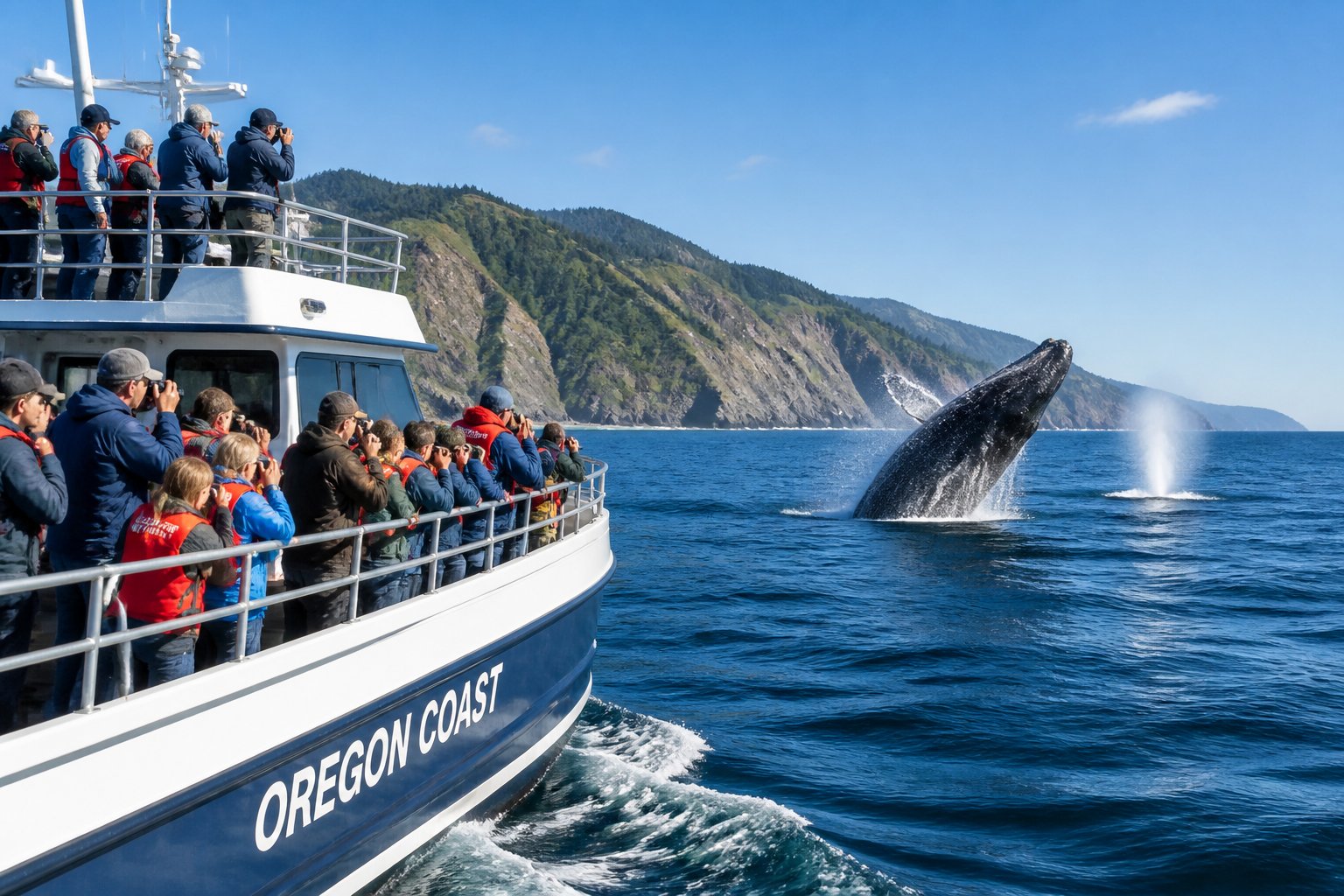
Depoe Bay is the main launch point for whale watching tours on the Oregon Coast, but Newport and a few other towns also offer departures worth considering depending on where you're staying. Each port has a different harbor setup, fleet size, and tour style.
Why Depoe Bay Is The Main Hub
Depoe Bay sits at the center of Oregon Coast whale watching for a simple reason. It claims the title of the world's smallest navigable harbor, and it sits right next to a year-round gray whale feeding zone. Because the whales are so close to the harbor, boats leave frequently and return with sightings more often than anywhere else on the coast. This makes it an ideal spot for a quick whale watching tour.
Several whale watching tour operators run out of the harbor, including Dockside Charters and Whale’s Tail Charters. Many visitors choose Whale’s Tail Charters for their focus on small-group, educational experiences. The Whale Watching Center in town is free to visit and staffed by knowledgeable volunteers. They can tell you where whales have been spotted recently before you commit to a tour.
Morning departures tend to offer calmer water and better light for spotting spouts. If the harbor looks active with tour boats heading out, that's usually a good sign.
When Newport Makes More Sense
Newport is about 13 miles south of Depoe Bay and has a larger working harbor. If you're already based in Newport or traveling with a group that needs more flexibility around scheduling, it can be a practical alternative.
Newport's harbor also connects well with the Oregon Coast Aquarium and Hatfield Marine Science Center, so you can pair your on-the-water time with land-based marine education.
Other Oregon Coast Departure Points To Know
A handful of other coastal towns offer occasional charter departures, including Garibaldi on the Northern Coast. These options are less frequent and harder to book in advance, so they work best for travelers who are already passing through and want to add a spontaneous stop.
For most visitors, Depoe Bay remains the most reliable choice for booking a dedicated whale watching tour.
How To Choose The Right Tour Style
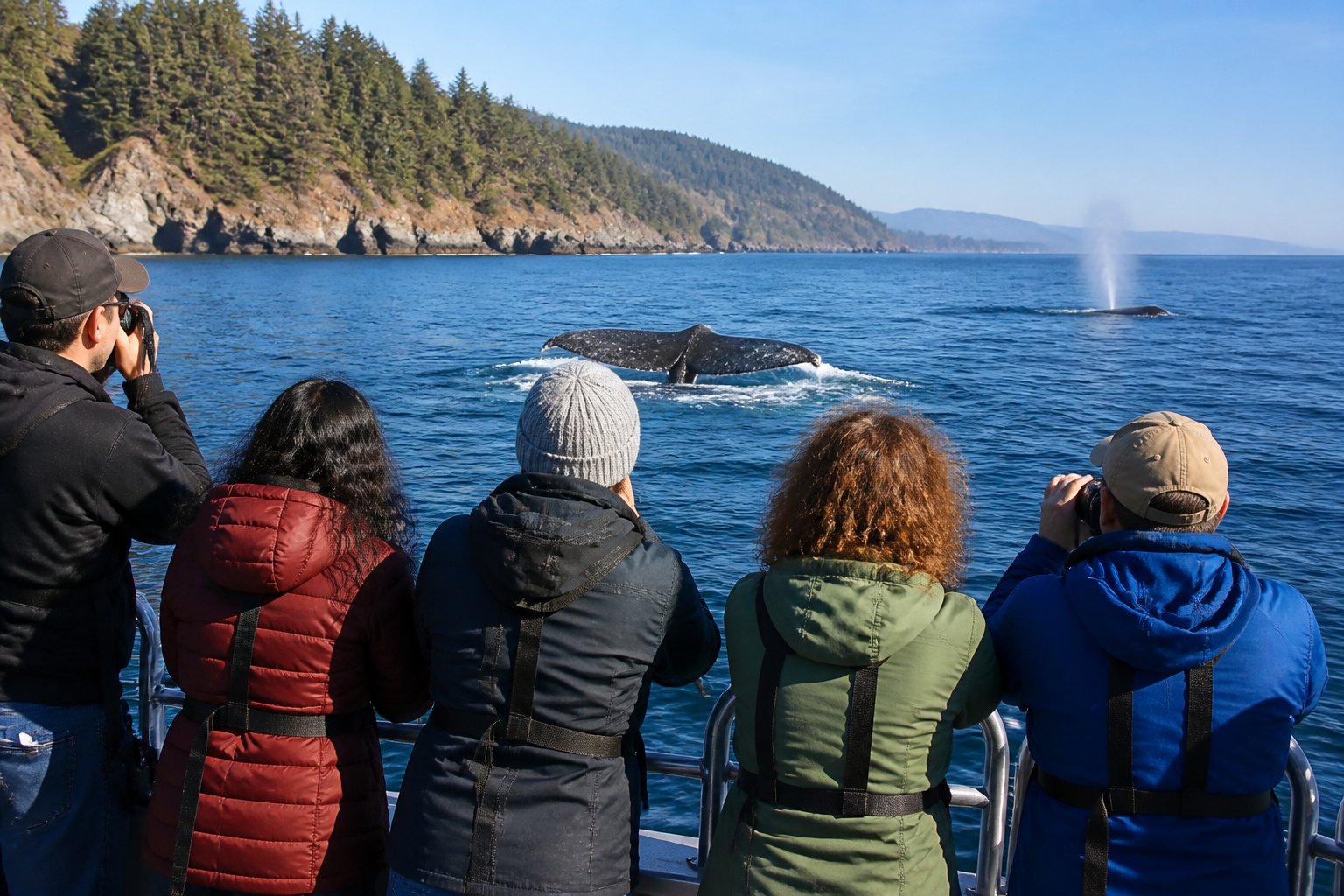
Tour operators in Depoe Bay run two main boat types, each offering a different experience on the water. Understanding the tradeoffs between them helps you pick what actually fits your group rather than just what sounds most exciting in the brochure.
Large Charter Boats Vs Small-Group Boats
Dockside Charters runs one of the larger fleets on the coast, using Delta Charter boats that hold more passengers and offer a more stable ride. If you're bringing young kids, older adults, or anyone who gets queasy easily, a larger vessel tends to absorb chop better than a smaller one.
The tradeoff is that larger boats stay at a safer distance from whales to follow responsible wildlife viewing guidelines. You'll still see plenty, but the experience feels slightly more distant compared to smaller craft.
When A RHIB Is Worth It
A RHIB (rigid inflatable hull boat) sits low to the water and moves fast, which lets it reposition quickly around whale activity. Whale’s Tail Charters uses this type of boat, offering small-group tours that put you much closer to the water's surface. The views feel more immediate, and the experience tends to feel more personal. Whale’s Tail Charters is a great choice for those who want to feel more connected to the ocean environment.
RHIBs are best suited for calm sea days. On rougher days, the ride can be jarring.
Accessibility, Kids, And Motion-Sickness Tradeoffs
Large charter boats are generally better for guests with mobility concerns, younger children, or anyone prone to motion sickness. Bring seasickness medication if you're at all unsure, and take it at least 30 minutes before boarding. Flat ocean days are common in summer, which makes that season better for first-timers or families with young children.
Best Times Of Year For A Successful Trip
Gray whales are the star of Oregon Coast whale watching, and they follow a loose seasonal pattern that shapes what you'll see and when. Each season offers something genuinely different, so your timing affects the experience more than you might expect.
Winter Migration Windows
From late December through January, Pacific gray whales begin heading south toward Baja California, Mexico. Numbers increase steadily through this window, and whale sightings from both shore and boats become more frequent.
Winter tours run in all but the roughest weather. Oregon's Whale Watching Week, held each December, brings volunteers to 20 coastal viewpoints to help visitors spot whales and learn about their migration. It's a great time to go if you enjoy a more educational angle.
Spring Mothers And Calves
Late March through early June is considered peak migration season for northbound gray whales. This is when you're most likely to see mothers traveling with calves, which makes for memorable sightings. Numbers can reach into the thousands passing through Oregon waters in a single week.
The whales come closer to shore during spring because they feed on mysid shrimp in shallower water. This proximity makes them easier to spot from both boats and land-based viewpoints. At this distance, you might notice small organisms like whale lice living on the whales' skin. These tiny crustaceans are a natural part of the whale's ecosystem and are often visible near barnacle clusters.
Summer And Fall Resident Feeding Season
Summer is when resident gray whales, a population of roughly 200 animals that skips migration entirely, concentrate near Depoe Bay to feed. They stay active close to shore through September, making summer a surprisingly strong season for on-the-water tours despite being less talked about than winter and spring.
Fall sees the start of the southbound migration, and sightings pick up again as October arrives.
What You Might Actually See On The Water
Knowing what whale behaviors to look for helps you get more out of the time you spend on the water. Whale sightings aren't always dramatic breaches. More often, you're reading subtle signs.
Spouts, Flukes, And Feeding Behavior
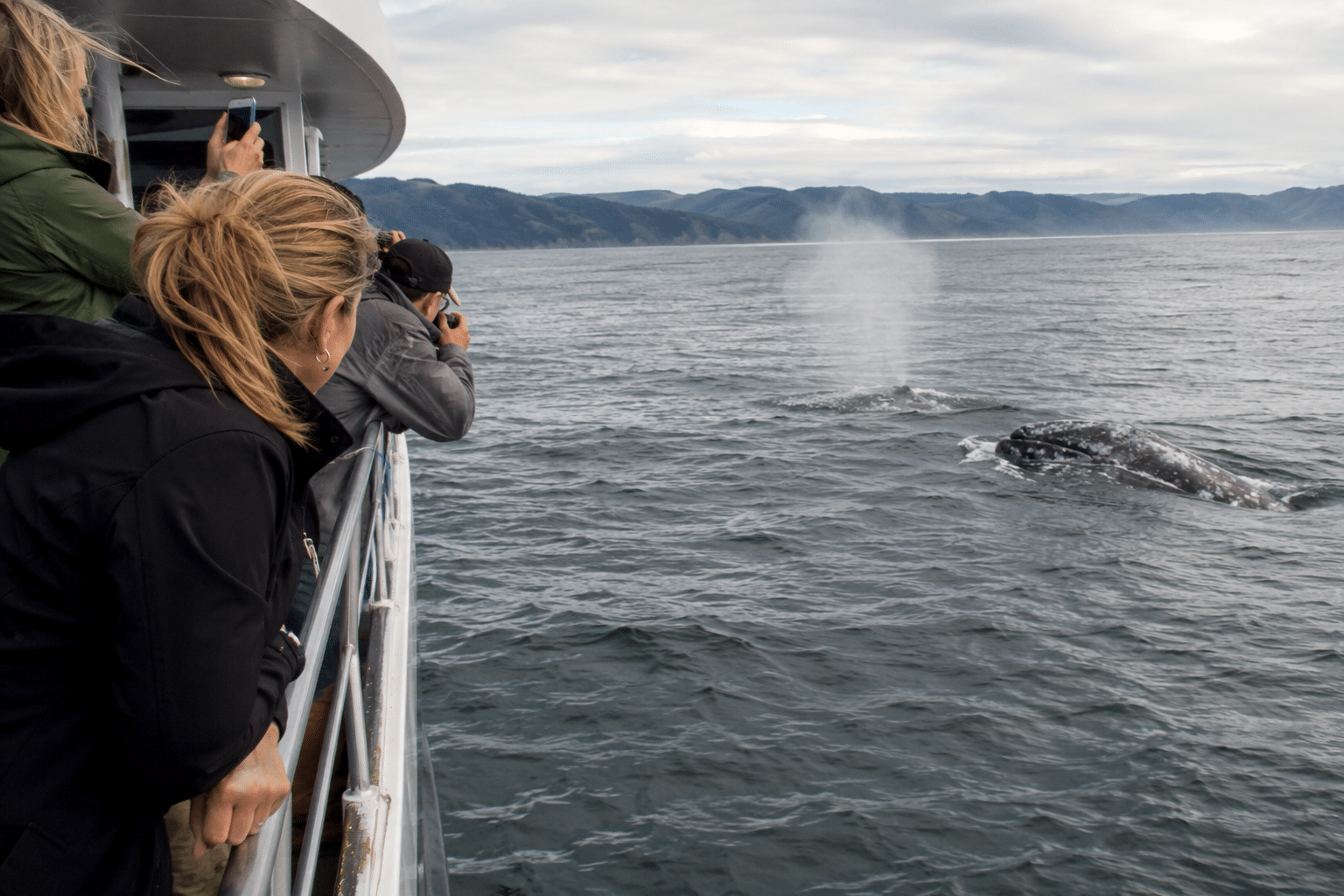
The most common sighting is a spout, the misty blow of air and water that a gray whale releases when it surfaces to breathe. You'll often hear the spout before you see the whale. After a few breaths, gray whales frequently dive and lift their flukes, giving you a clean tail shot if you're watching.
Feeding behavior near Depoe Bay involves whales rolling onto their sides to scoop up mysid shrimp from the sandy bottom. You might see a cloud of disturbed sediment near the surface, or notice the whale moving slowly and circling in a small area. This behavior indicates feeding, not migrating, which means the whale will likely stay nearby for a while.
Why Depoe Bay Sees Summer Action
The resident gray whale population feeds in the shallow waters just offshore of Depoe Bay through much of the summer. Unlike migrating whales that pass through quickly, these animals return to the same feeding spots repeatedly. That's what makes summer whale watching here more reliable than in most coastal destinations.
Other Marine Life You May Spot
Beyond whale sightings, Oregon Coast tours regularly turn up harbor seals, Steller sea lions, sea otters, and large flocks of seabirds. On lucky days, humpback whales and even orca pods move through the area. Dolphins are spotted occasionally, especially on calmer days farther offshore.
Notable Operators And Experience Differences
A few key operators run the majority of whale watching tours from Depoe Bay, and each brings a different focus. Picking the right one depends on what kind of experience you're after.
Dockside Charters For Comfort And Access
Dockside Charters operates daily tours from Depoe Bay on a fleet of well-maintained Delta Charter boats. Tours run one to one and a half hours depending on the season, with shorter spring tours and longer winter excursions when whales require more searching.
The boats are larger and more stable, making Dockside Charters a solid choice for families, groups, or anyone who prefers a steadier ride. They depart frequently and can accommodate walk-ins when space allows, though booking ahead is recommended during peak season.
Whale's Tail Charters For Small-Group Viewing
Whale’s Tail Charters takes a different approach, using low-to-the-water boats that keep groups small and the experience more intimate. Choosing Whale’s Tail Charters is ideal for travelers who want a closer, quieter time on the water. Their tours minimize the distance between you and the local wildlife for a better view.
The small-group format also makes it easier to ask questions and get more personalized attention from the guide throughout the trip.
Educational Tour Options And The Shark Museum
If you want to add a learning component to your Depoe Bay day, the free Whale Watching Center run by Oregon State Parks is an excellent stop before or after your boat tour. Staff and volunteers share current whale data and loan binoculars to visitors.
In Newport, the Hatfield Marine Science Center offers deeper context on Oregon's marine ecosystems. Newport is also home to Ripley's Believe It or Not and the Shark Museum, both easy stops that families tend to enjoy after a morning on the water.
Planning Tips For A Smoother Oregon Coast Day
A little practical preparation goes a long way on an Oregon Coast whale watching day. The weather, the tides, and your departure time all affect how the experience plays out.
What To Wear And Bring
Dress in layers even in summer. The ocean temperature stays cold year-round, and wind chill on the water drops the felt temperature fast. A waterproof outer layer is more important than a heavy coat. Bring a hat and sunglasses regardless of the forecast.
Helpful items to pack include:
-
Motion sickness medication (take it before you board)
-
Compact binoculars for better detail on spouts and flukes
-
Snacks and a water bottle for longer tours
-
A camera with a decent zoom lens or a fully charged phone
-
Sunscreen, even on overcast days
How Early To Reserve And When To Go
Book your tour at least a few days ahead during summer and holiday weekends. Depoe Bay fills up fast in June through August, and the best morning slots go first. Winter tours are easier to walk into, but weather cancellations are more common.
Morning departures are generally calmer and offer better light for spotting spouts. Aim for a 9 or 10 a.m. departure when possible.
Pairing A Tour With Nearby Stops In Depoe Bay And Newport
Depoe Bay itself is walkable and worth exploring after your tour. The seawall along Highway 101 offers one of the best land-based views of gray whales on the entire coast, and you can often spot spouts from the sidewalk at no cost. Small shops and seafood spots cluster near the harbor.
Newport is an easy 20-minute drive south and adds the Bayfront district, fresh chowder, sea lion docks, and the Oregon Coast Aquarium to your day. You can find complete planning guidance for both towns if you want to stretch the day into a fuller itinerary.
Frequently Asked Questions
When is the best time of year to see whales along the Oregon Coast?
Winter (December through January) and spring (late March through early June) are the peak migration seasons, when the highest numbers of gray whales pass through Oregon waters. Summer is also reliable near Depoe Bay, where resident gray whales feed close to shore through September.
Which town is considered the whale watching capital of Oregon?
Depoe Bay holds that title. It sits beside the world's smallest navigable harbor and is home to a resident population of gray whales that stays in the area year-round, making it the most consistent spot for sightings on the entire coast.
Are whale watching tours better from Depoe Bay or other nearby coastal towns?
For most travelers, Depoe Bay offers the most frequent departures, the most operator choices, and the highest likelihood of a sighting. Newport is a solid secondary option, especially if you're already staying there, but Depoe Bay is the stronger dedicated whale watching hub.
What types of whales can you typically see off the Oregon Coast?
Pacific gray whales are by far the most common sighting. Humpback whales and orca pods appear occasionally, and blue whales are spotted rarely. Resident gray whales stay near Depoe Bay year-round, while migrating whales pass through in winter and spring.
How long do most whale watching boat tours last, and what should I bring?
Most tours run one to one and a half hours. Bring layers, a waterproof jacket, motion sickness medication if you're prone to seasickness, binoculars, and a camera. Morning departures tend to offer the calmest conditions and the best light.
Where can I check current whale sightings and conditions near Depoe Bay?
The Whale Watching Center in Depoe Bay, operated by Oregon State Parks, provides real-time sighting information from trained staff and volunteers. You can also check directly with operators like Tradewinds Charters or Dockside Charters, who update conditions before tours depart.
Free: Pacific Coast Cruise Planning Checklist
Grab my free step-by-step checklist for planning an Alaska, Mexican Riviera, Hawaii, or Pacific Coastal cruise — sent straight to your inbox.

Things To Do on the Oregon Coast
Planning your shore days?
Book highly-rated shore excursions and port tours before the best ones sell out.
Find shore excursions on Viator →As a Viator affiliate, I earn a small commission from qualifying bookings — at no extra cost to you.
Cruise Packing Essentials
The little things that make cruising smoother — the gear I recommend to every traveler before they sail.
As an Amazon Associate, I earn from qualifying purchases — at no extra cost to you.