What to Wear on a Cruise Ship: Essential Outfit Guide
This post may contain affiliate links. I may earn a small commission at no extra cost to you.
A cruise wardrobe should balance comfort, dress codes, changing weather, and planned activities. Travelers should pack breathable daytime clothes, swimwear, comfortable shoes, smart-casual evening outfits, and at least one formal or themed look when the itinerary requires it.
Dress expectations can vary by cruise line, dining venue, and destination. The right cruise outfits also need to work for sea days, pool time, shore excursions, and evenings filled with dining or entertainment. Understanding these details helps travelers pack fewer items while staying prepared for every part of the cruise vacation.
Understand Dress Codes Before You Pack
Cruise dress codes usually change by time of day, restaurant, and itinerary. Travelers can pack efficiently by separating daytime clothes from smart casual outfits and checking each cruise line’s daily planner for formal or evening chic requirements.
How Daytime, Smart Casual, And Formal Categories Differ
Cruise casual typically covers daytime activities such as deck walks, excursions, pool areas, and buffet meals. Guests often wear shorts, T-shirts, sundresses, polo shirts, swimwear with a cover-up, and comfortable sandals. Swimwear usually belongs at the pool rather than inside restaurants or public lounges.
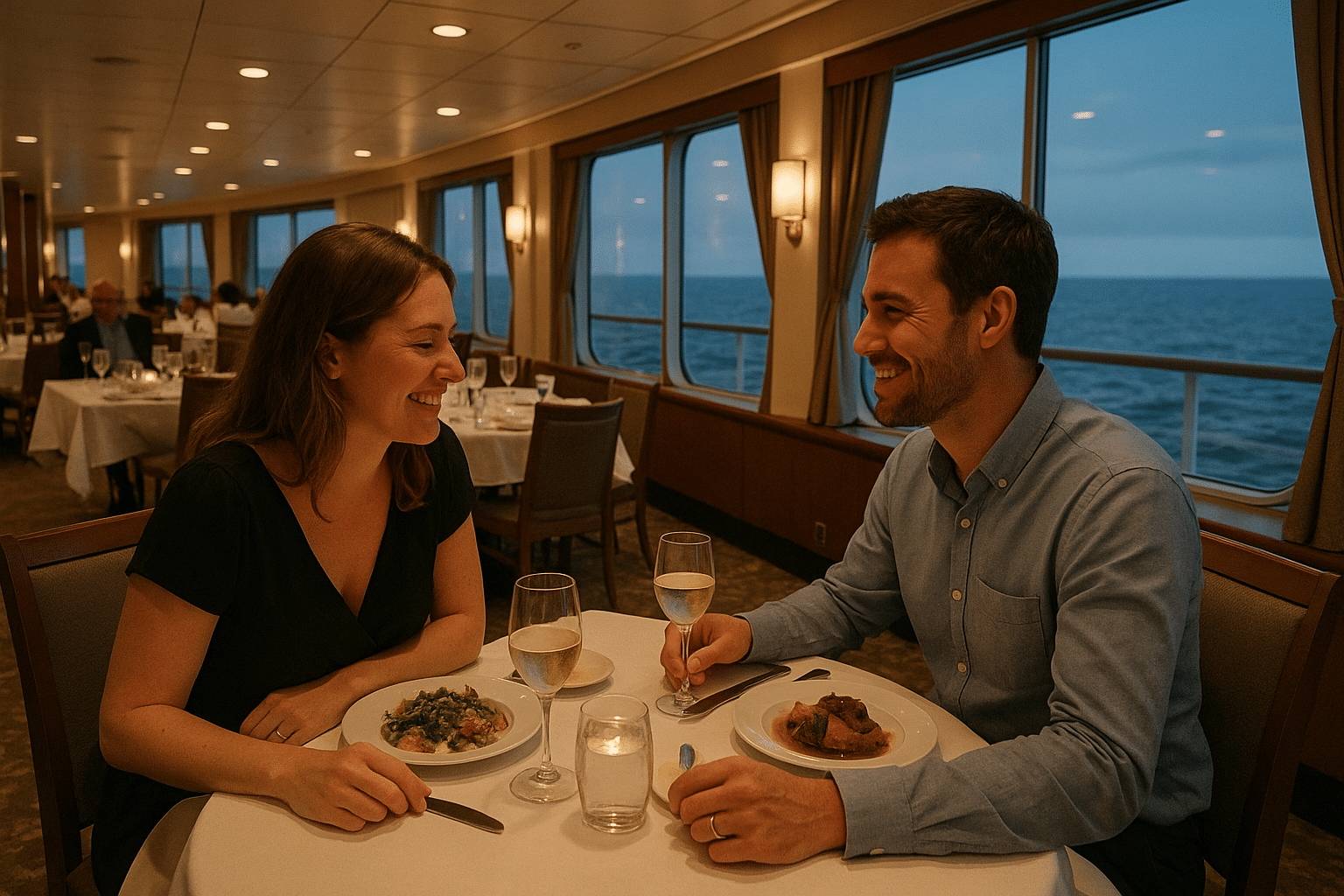
Smart casual suits the main dining room and many specialty restaurants at dinner. Men may choose chinos or tailored trousers with a collared shirt, while women may wear a blouse with trousers, a skirt, or a simple dress. Clean shoes and a neat appearance matter more than expensive clothing.
Formal wear, formalwear, or evening chic applies on selected nights, depending on the cruise line dress code. A dark suit, dress shirt, cocktail dress, jumpsuit, or polished separates usually works. Some lines accept resort casual or resort wear throughout the evening, but guests should avoid shorts, flip-flops, ripped clothing, and beachwear where the stated rules prohibit them.
Check Your Daily Planner And Venue Rules
Each cruise line sets its own cruise dress codes, and requirements can vary between ships. The daily planner, mobile app, embarkation documents, or pre-cruise website normally identifies formal nights, smart casual evenings, and venues with stricter rules.
Guests should check the rules for the main dining room, specialty restaurants, theater, and buffet separately. A buffet may permit relaxed cruise casual clothing, while a specialty restaurant may require smart casual attire. The main dining room can also enforce different standards after 6 p.m. than during breakfast or lunch.
Packing one adaptable outfit helps when plans change. A collared shirt, tailored trousers, and dress shoes can meet smart casual requirements, while a blazer or dress can create a more cruise elegant look for formal nights. Guests should also confirm whether the ship limits jeans, shorts, sneakers, or sandals in specific evening venues.
Daytime Outfits For Sea Days And Pool Time
A practical cruise wardrobe balances swimwear with comfortable clothing for walking, dining casually, and relaxing outdoors. Lightweight layers, secure footwear, sun protection, and easy-to-pack fabrics help passengers adapt as they move around the ship.

Pool Deck And Casual Onboard Clothing
Passengers can wear a swimsuit or swimwear with a cover-up on the pool deck. A loose shirt, tunic, sundress, or lightweight shorts works well over swimsuits, while board shorts and quick-drying T-shirts suit passengers who prefer more coverage. Tank tops provide a cool option in warm weather.
Sandals or flip-flops suit the pool deck, but passengers should choose pairs with secure soles because wet surfaces can become slippery. A hat and sunglasses help protect the face and eyes, while a rash guard or lightweight long-sleeved shirt adds sun protection during extended time outdoors.
For sea-day activities away from the pool, passengers can wear shorts with T-shirts, casual sundresses, or breathable sportswear. Quick-drying and wrinkle-resistant fabrics make practical choices for changing weather and frequent movement.
Moving From Swimwear To Indoor Spaces
Cruise lines commonly expect passengers to cover swimwear before entering indoor lounges, restaurants, shops, elevators, and other shared areas. A cover-up should fully cover the torso, and a sundress, casual shirt with shorts, or lightweight trousers creates a more suitable transition from the pool deck.
Passengers should keep a cover-up and dry footwear beside their pool bag so they can change without returning to their cabin. Wet swimsuits can make seats and floors uncomfortable, so they should be dried or replaced before entering indoor spaces.
Flip-flops may work around the pool, but closed-toe shoes or secure sandals provide better footing throughout the ship. Passengers should also check the daily dress guidance, since some casual dining venues may require shirts, shoes, and non-wet clothing even during daytime.
Evening Dining And Entertainment Attire
Most evenings call for polished smart-casual clothing, while formal nights may require dressier pieces in the main dining room. Comfortable closed-toe shoes, a light layer, and venue-specific planning help passengers move easily between dinner, shows, and lounges.
Smart-Casual Looks For Most Nights
For the main dining room and specialty restaurants, men can wear a collared shirt, polo shirt, dress shirt, trousers, chinos, or neat dark jeans. A blazer or sport coat adds polish without requiring a full suit. Women can choose skirts, tailored trousers, a dress, or dark jeans with a refined top. A cardigan, simple jewelry, or a structured jacket can complete the outfit.
Passengers should check the cruise line’s dress code before formal evenings. Some ships request a jacket, dress shirt, and ties for men, while others accept an open-collar shirt. Women may wear a cocktail dress, dressy separates, or tailored trousers with elegant accessories.
Clothing should remain neat and comfortable for sitting through long meals and attending entertainment afterward. Very casual items, including swimwear, pool sandals, athletic shorts, and worn clothing, usually suit daytime areas rather than dining venues.

Footwear And Layers For Air-Conditioned Venues
Loafers, dress shoes, low heels, and polished flats work well for evening dining. Women who wear heels should choose a stable pair, especially when walking across moving decks or standing during shows. Closed-toe shoes also provide practical coverage and coordinate easily with trousers, skirts, and dresses.
Indoor venues can feel cool because of strong air conditioning. A cardigan, wrap, shawl, blazer, or lightweight sport coat gives passengers an easy extra layer without adding much luggage. Neutral colors such as navy, black, gray, beige, and cream coordinate with multiple outfits.
Passengers should reserve athletic shoes, flip-flops, and casual slides for daytime activities unless the ship’s policy permits them in a particular venue. They should also select shoes that remain comfortable after walking between the cabin, restaurants, theaters, and lounges.
Formal Nights And Theme Events
Cruise lines vary in how strictly they define a formal night, so travelers should check the daily schedule and dress code before packing. A dark suit, cocktail dress, and polished dress shoes suit most formal settings, while theme nights usually call for simple colors or accessories rather than a completely separate outfit.
Dressy Options Without A Black-Tie Requirement
A cocktail dress or tailored jumpsuit works well for a cruise formal night without requiring black tie. She can add jewelry, a clutch, and heels or dressy flats. Cocktail dresses in navy, burgundy, emerald, or black provide a polished look without the formality of an evening gown.
He can wear a dark suit with a dress shirt, tie, and dress shoes. A lighter suit may work for a daytime gala evening or warm-weather sailing, but a dark navy or charcoal suit offers greater flexibility. A tuxedo remains appropriate when the cruise line specifically requests black tie, although it is rarely essential on less formal ships.
Travelers should choose fabrics that resist wrinkles and shoes that remain comfortable during several hours of standing. One suit, two shirts, and interchangeable accessories can cover multiple formal nights without overpacking.
Packing For White, Pirate, And Scarlet Nights
Theme nights usually reward recognizable colors and accessories rather than elaborate costumes. For a white night, travelers can pack a white shirt, trousers, dress, or lightweight jacket. A white scarf, belt, or jewelry can complete the outfit if wearing all white feels impractical.
For pirate night, a striped shirt, red bandana, vest, boots, or hoop earrings creates the theme without requiring a full costume. Travelers should avoid props that restrict movement or violate ship safety rules.
A scarlet night typically calls for red clothing or accents. A red cocktail dress, tie, shirt, shawl, or lipstick can meet the request. These theme-night pieces can also serve as regular evening wear, helping limit luggage. Theme events may differ by ship, so guests should follow the published schedule rather than assume every sailing includes white night, pirate night, or scarlet night.

Port Days And Shore Excursions
Port-day clothing should match the planned activity, local conditions, and site requirements. Comfortable walking shoes, sun protection, and a practical day bag help travelers move easily between the ship, transportation, and shore excursions.
Beach, City, And Active Excursion Essentials
Beach excursions call for swimwear, a lightweight cover-up, and sandals that handle wet surfaces. A dry change of clothes, compact towel, sunscreen, hat, and sunglasses fit easily in a water-resistant day bag.
City tours require supportive walking shoes or sneakers, especially on uneven streets and long museum routes. Lightweight shorts, leggings, or breathable trousers work well in warm weather, while a collared shirt or modest top suits churches, government buildings, and upscale areas.
Active excursions need clothing that allows movement and dries quickly. Travelers hiking, cycling, or visiting rocky sites should choose moisture-wicking tops, secure shorts or leggings, and closed-toe shoes; sturdy walking shoes or boots may be necessary for rough trails. Loose accessories can catch on equipment, so simple clothing works best.
Dressing For Weather And Cultural Sites
Weather can change during a port visit, particularly in coastal or mountainous areas. A light rain jacket, thin sweater, or packable layer adds flexibility without taking much space, while breathable fabrics help in hot, humid ports. Travelers should carry water and reapply sunscreen during outdoor activities.
Cultural sites often require covered shoulders and knees. A scarf, lightweight cardigan, or longer cover-up can provide extra coverage over shorts, sleeveless tops, or swimwear. Trousers, longer skirts, and shirts with sleeves offer practical options for religious buildings.
Footwear should suit both the destination and the forecast. Closed-toe shoes protect feet on crowded streets and trails, while sandals work for beaches and relaxed waterfront areas; boots suit cooler weather or demanding terrain. A hat and sunglasses provide useful sun protection, but travelers should remove hats when site rules require it.
Build A Practical Cruise Capsule Wardrobe
A practical capsule wardrobe combines interchangeable cruise wear with footwear and layers suited to changing temperatures. Cruise attire also needs to account for daytime activities, shore excursions, pool areas, casual dinners, and formal events.
A Versatile Cruise Packing List
A compact cruise packing list should include three to five tops, two pairs of shorts or trousers, one skirt or casual dress, and two swimwear options. Neutral colors make it easier to create several outfits from a small cruise wardrobe. A lightweight cardigan, overshirt, or packable jacket adds warmth in air-conditioned venues and during windy evenings on deck.
Comfortable walking shoes suit port days, while sandals or slip-on shoes work for the pool and casual areas. Each traveler should pack one smart-casual outfit, such as tailored trousers with a collared shirt or a simple dress with flats. A foldable formal outfit covers ships that schedule dressier dinners.
The capsule should also include sun protection, a compact umbrella, prescription medication, and a small crossbody bag. Laundry services or self-service facilities can reduce the amount of clothing required on longer sailings.
How Dress Expectations Vary By Cruise Line
Dress expectations differ by cruise line and by venue. Royal Caribbean, Carnival Cruise Line, Norwegian Cruise Line, MSC Cruises, and Disney Cruise Line generally support relaxed daytime clothing, but dining rooms may restrict swimwear, tank tops, or bare feet. Norwegian often promotes flexible dining, while Disney sailings may include themed nights.
Celebrity Cruises and Princess Cruises commonly use smart-casual standards for many evenings and may schedule formal or dress-to-impress nights. Cunard places greater emphasis on evening attire, with jackets and formalwear expected on designated nights. Guests should check the daily schedule before packing.
Virgin Voyages typically uses a modern, casual approach without traditional formal nights, although stylish evening clothing suits its restaurants and entertainment venues. Each ship can apply slightly different rules, so travelers should review the cruise line’s current dress code and dining policies before finalizing their cruise packing.
Frequently Asked Questions
Cruise clothing should match the ship’s activities, destination, and dress codes. Travelers typically need breathable daytime outfits, polished evening clothes, comfortable shoes, and enough variety for formal or specialty dining.
What should I wear on a cruise during the day?
During the day, passengers can wear lightweight shirts, shorts, skirts, casual dresses, linen trousers, or swimwear with a cover-up. Comfortable walking shoes or sandals suit deck activities, shore excursions, and time in port.
Swimwear generally belongs on the pool deck rather than in restaurants, shops, or indoor lounges. A light sweater or jacket helps in air-conditioned areas and on windy decks.
What is appropriate to wear on a cruise ship in the evening?
Evening clothing depends on the cruise line and the night’s dress code. Casual evenings may call for chinos, dark jeans, blouses, skirts, sundresses, or collared shirts.
For formal or dressy evenings, passengers can wear a cocktail dress, tailored jumpsuit, suit, dress shirt with trousers, or another polished outfit. Some main dining rooms restrict shorts, swimwear, flip-flops, and tank tops at dinner.
What should women pack to wear on a cruise?
Women can pack a mix of casual tops, shorts, skirts, trousers, sundresses, and one or two dressier outfits. A cardigan, light jacket, and swimsuit cover-up provide useful layers.
Comfortable walking shoes, sandals, and dress shoes cover most activities. A compact crossbody bag or small backpack works well for excursions and port visits.
What should men wear on a cruise ship?
Men can pack T-shirts, polo shirts, shorts, swim trunks, casual trousers, and lightweight button-down shirts. Loafers, walking shoes, sandals, and one pair of dress shoes cover common activities.
A blazer or suit may suit formal nights, depending on the cruise line’s requirements. A belt, lightweight jacket, and collared shirt add flexibility without requiring many extra pieces.
How many outfits should I pack for a seven-day cruise?
For a seven-day cruise, a practical wardrobe includes five to seven daytime outfits, three to four evening outfits, two swimsuits, and one formal or dressy outfit if required. Travelers can reuse trousers, skirts, jackets, and shoes to reduce luggage.
They should also pack seven sets of underwear, several pairs of socks, sleepwear, workout clothing if needed, and clothes suitable for the destination’s weather. Laundry services or self-service facilities can reduce the number of garments required.
Can I wear jeans on a cruise ship?
Passengers can usually wear jeans during the day and on casual evenings. Dark, clean jeans with a polo shirt, blouse, sweater, or button-down shirt create a neat casual outfit.
Some cruise lines restrict jeans in formal dining rooms or on elegant evenings. Passengers should check the specific dress code before packing and choose tailored trousers or a dress when dining venues require more formal clothing.
Free: Pacific Coast Cruise Planning Checklist
Grab my free step-by-step checklist for planning an Alaska, Mexican Riviera, Hawaii, or Pacific Coastal cruise — sent straight to your inbox.

Planning your shore days?
Book highly-rated shore excursions and port tours before the best ones sell out.
Find shore excursions on Viator →As a Viator affiliate, I earn a small commission from qualifying bookings — at no extra cost to you.
Cruise Packing Essentials
The little things that make cruising smoother — the gear I recommend to every traveler before they sail.
As an Amazon Associate, I earn from qualifying purchases — at no extra cost to you.