Cruises to Hawaii From California: Routes, Ships, and Travel Tips
This post may contain affiliate links. I may earn a small commission at no extra cost to you.
Cruises to Hawaii from California offer a convenient way to reach the islands while enjoying several days at sea. Most itineraries depart from Los Angeles or San Francisco and visit destinations such as Honolulu, Maui, Kauai, and the Big Island.
Hawaii cruises from California commonly last about 14 to 16 days, including round-trip sailing and multiple island stops. Travelers can compare available itineraries, cruise lines, ships, shore excursions, prices, and onboard inclusions to find an option that matches their schedule and budget.
Seasonal weather, departure ports, cabin choices, and booking timing can affect the overall experience and cost. The following guide explains what travelers can expect and how to prepare for a cruise from California to Hawaii.
Available Itineraries, Lengths, And Departure Ports
Hawaii cruises from California commonly depart from Los Angeles, Long Beach, or San Francisco and run for about 14 to 18 nights. Travelers can also find longer repositioning itineraries from Vancouver, while many round-trip routes include a scheduled call at Ensenada, Mexico.
West Coast Embarkation Options
Los Angeles and Long Beach serve as the main Southern California departure points for Hawaii cruises. Port schedules vary by cruise line, but sailings from this area often combine four or more sea days with visits to several Hawaiian islands, such as Oahu, Maui, Kauai, and the Big Island.
San Francisco offers another West Coast option, especially for travelers in Northern California. Its itineraries may include a similar number of Hawaiian ports, although the route can differ in the order and length of each stop.
Vancouver sometimes appears on longer seasonal itineraries, particularly when ships reposition between Alaska and Hawaii. Passengers should check the embarkation country, passport requirements, and transportation arrangements before booking.
Typical Sailing Durations And Sea Days
Most Hawaii cruises from California last 14 to 18 nights, including the return voyage. The itinerary usually requires about four or five sea days each way, so passengers spend a substantial portion of the trip onboard before reaching the islands.
A typical route may visit Honolulu, Maui, and the Big Island, with some ships adding Kauai. Port stays often last from morning until evening, though exact times depend on the ship’s schedule and local operating conditions.
Longer Hawaii cruises may last 19 to 21 nights and include extra Hawaiian ports, a longer stay in one destination, or additional stops along the Pacific coast. Travelers should compare the number of full days in Hawaii rather than relying only on the cruise length.
Round-Trip Routes And Ensenada Calls
Round-trip itineraries from Los Angeles or Long Beach return passengers to the same California port after visiting Hawaii. These routes simplify transportation planning because travelers can book one-way flights to the departure area and avoid arranging a separate return flight from another port.
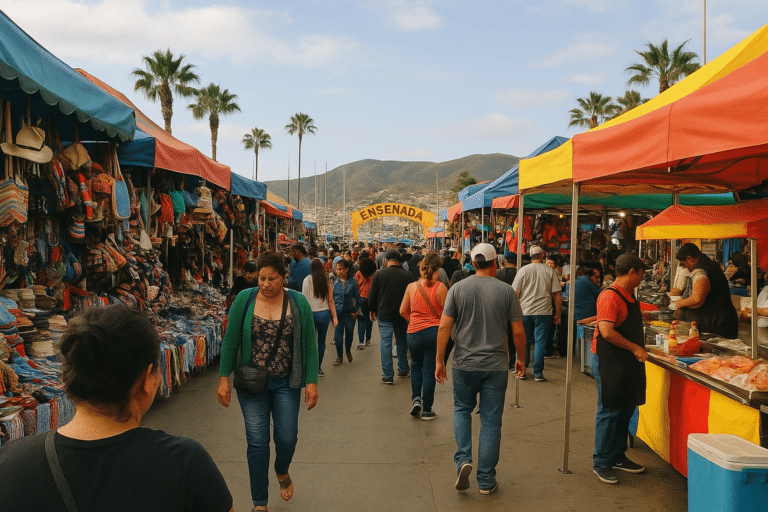
Many cruises include Ensenada, Mexico, either near the beginning or end of the voyage. The stop may satisfy itinerary or regulatory requirements and can provide time for local dining, shopping, or shore excursions.
The Ensenada call does not replace a Hawaiian port visit. Travelers should review the day-by-day schedule to confirm whether the ship offers a full day, a short stop, or an overnight stay in each destination.
Hawaiian Islands And Ports You Can Visit
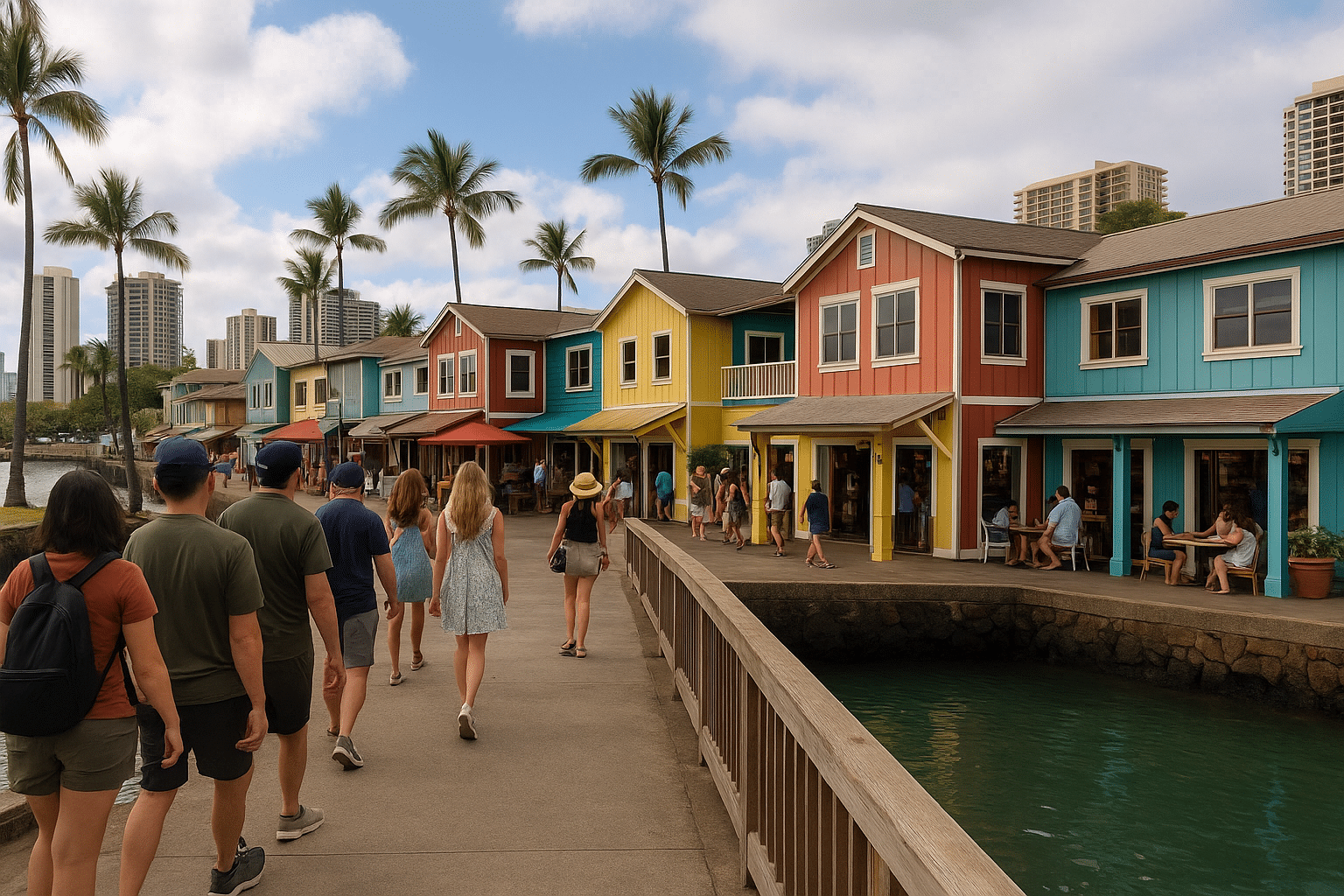
Cruises from California commonly call at Honolulu, Kahului, Nawiliwili, Hilo, and Kona. Each port provides access to different landscapes, cultural sites, beaches, and outdoor activities across the Hawaiian Islands.
Honolulu And Oahu
Honolulu is Oahu’s main cruise port and the most convenient gateway to Waikiki, Diamond Head, and Pearl Harbor. Ships typically dock at Pier 2, near downtown Honolulu, with taxis, rideshares, rental cars, and tour operators available nearby.
Visitors can reach the Pearl Harbor National Memorial, which includes the USS Arizona Memorial, aviation museums, and the USS Missouri. Reservations are useful because timed entries can sell out. Waikiki offers beaches, hotels, restaurants, and shops within a short drive of the port.
Oahu also provides access to the North Shore, known for surf beaches such as Banzai Pipeline and Waimea Bay. Travel time can exceed an hour in heavy traffic, so passengers should allow enough time to return to the ship.
Maui And Kahului
Kahului is Maui’s principal commercial port and the usual arrival point for cruise passengers. The port sits near Maui’s central valley, making it practical for trips to Iao Valley, Paia, Lahaina, and the island’s beaches.
Many passengers book excursions along the Hana Highway, which includes waterfalls, coastal overlooks, and rainforest scenery. The full route takes most of a day and includes narrow, winding roads, so guided tours can simplify transportation. Haleakala National Park offers sunrise and summit views, but its elevation and long drive require advance planning.
Kahului also places passengers near shopping centers, supermarkets, and rental-car agencies. Lahaina’s historic district remains affected by the 2023 wildfires, and access conditions can change; travelers should follow current local guidance before planning a visit.
Kauai And the Nā Pali Coast
Cruise ships visiting Kauai generally stop at Nawiliwili Harbor, near Lihue. The port provides access to beaches, botanical gardens, waterfalls, and inland viewpoints, including nearby Wailua Falls and the Wailua River.
The Nā Pali Coast stretches along Kauai’s northwest shore, where steep green cliffs meet the Pacific. Boat tours and helicopter flights offer the clearest views because much of the coastline has no road access. Sea conditions can affect boat departures, particularly during winter.
Passengers who prefer land-based activities can visit Waimea Canyon, often called the “Grand Canyon of the Pacific,” or explore Poipu’s beaches on the south shore. Kauai’s roads can become congested, and excursions should account for the ship’s scheduled departure time.
Hilo And Kona on the Big Island
Hilo lies on the Big Island’s wetter eastern side and provides access to Hawaiʻi Volcanoes National Park. Visitors can see volcanic landscapes, rainforest, and, when conditions permit, active volcanic features. The park is roughly 30 miles from Hilo, so organized shore excursions offer a dependable way to manage travel time.
Kona, on the western coast, has a drier climate and calmer resort areas. Its port uses tender boats rather than a large cruise pier, so passengers transfer from the ship to shore and may face delays during rough seas.
Kona excursions often include snorkeling at Kealakekua Bay, coffee-farm visits, and tours of historic sites connected with King Kamehameha I. Both Hilo and Kona can serve as gateways to Mauna Kea, although altitude, weather, and road restrictions require careful planning.
Choosing the Right Cruise Line And Ship
Cruise lines differ in departure convenience, ship size, onboard pricing, and Hawaii port schedules. Travelers should compare Long Beach access, included amenities, cabin categories, sea-day activities, and the length of time spent on the islands.
Carnival Cruise From Long Beach
Carnival Cruise offers a practical option for travelers who want to leave from Long Beach without flying to another California port. Carnival ships typically appeal to families, groups, and younger travelers through casual dining, pools, entertainment, children’s programs, and a broad range of cabin prices.
A Hawaii sailing includes several consecutive sea days in each direction, so passengers should examine the ship’s activities as carefully as its itinerary. Larger ships may provide more restaurants and entertainment, while older ships can offer fewer specialty venues and lower fares. Travelers should also check whether the fare includes items such as Wi-Fi, specialty dining, and select beverages.
Long Beach’s location near Los Angeles makes transportation convenient, but parking and transfer costs can affect the total price. Reviews on Cruise Critic can help travelers compare recent comments about cabin noise, service, and onboard maintenance.
Princess and Premium Mainstream Options
Princess Cruises suits travelers who prefer a quieter atmosphere, structured service, and destination-focused programming. Its Hawaii itineraries often include enrichment talks, regional food or music, and organized shore excursions, while dining and cabin options range from standard rooms to suites with additional space.
Passengers should compare the ship’s age, passenger capacity, and included dining before booking. Some fares may offer bundled extras, such as Wi-Fi, drinks, or crew gratuities, while lower fares may charge separately for those items. A balcony cabin can be useful on a long Pacific crossing, but an interior cabin may provide better value for travelers who plan to spend most of their time in public areas.
Travelers seeking a more polished experience should also compare premium mainstream brands with Princess. They should verify the number of Hawaii port calls, overnight stays, cancellation rules, and transfer arrangements from California.
Holland America Extended-Island Itineraries
Holland America appeals to travelers who value traditional service, comfortable public spaces, and a less party-focused onboard setting. Its Hawaii cruises may feature longer itineraries with multiple island visits, giving passengers more time for excursions in Honolulu, Maui, Kauai, or the Big Island.
Extended sailings can include additional sea days and higher total costs, but they may reduce the pressure to fit every activity into a short port call. Travelers should check whether a planned itinerary uses tender boats, especially at ports where the ship cannot dock directly. Excursions can sell out, so passengers should review transportation times and return-to-ship policies before booking.
Holland America ships often emphasize live music, culinary programming, and destination presentations. A traveler comparing options should examine recent Cruise Critic reviews, the ship’s refurbishment history, cabin layouts, and the fare’s treatment of drinks, Wi-Fi, specialty dining, and gratuities.
Best Shore Excursions By Island
Hawaiian shore excursions range from volcanic landscapes and Kona coffee farms to Maui’s rainforests and Oahu’s historic sites. Travelers should compare drive times, admission requirements, and return schedules before booking tours from each port.

Volcanoes, Coffee, And Mountain Landscapes
From Kona, travelers can visit coffee farms on the slopes of Mauna Loa, where guides explain cultivation, roasting, and the region’s volcanic soil. Kona coffee tours often include tastings and provide a practical way to explore the island without committing to a full-day drive.
Excursions to Hawaiʻi Volcanoes National Park focus on Kīlauea, crater overlooks, lava fields, and the park’s volcanic history. The drive from Kona can take several hours each way, so passengers should choose a ship-organized tour or allow substantial buffer time. Tours toward Mauna Kea offer high-elevation scenery and astronomy-focused stops, but summit access may require advance planning, warm clothing, and compliance with local restrictions.
Maui Rainforests And Haleakalā
Maui excursions often follow the road to Hana through the Hana Rainforest, with stops at waterfalls, coastal viewpoints, botanical areas, and small communities. The winding route requires a full day, and guided transportation helps passengers avoid navigation challenges while keeping track of the ship’s departure time.
Haleakalā National Park provides a contrasting experience above the clouds. Sunrise tours require reservations, very early departures, and warm layers because temperatures at the summit can be low. Daytime visits offer more flexible timing and views of the volcanic crater, cinder cones, and high-elevation landscape. Visitors should remain on marked trails and protect the fragile environment.
Historic Honolulu And Hawaiian Culture
Honolulu excursions commonly combine Pearl Harbor with downtown landmarks. At the Pearl Harbor National Memorial, visitors can learn about the 1941 attack and visit sites connected with the USS Arizona Memorial, subject to timed-ticket availability and security rules. The site does not permit large bags, so passengers should check current requirements before arrival.
ʻIolani Palace, the former residence of Hawaiʻi’s monarchy, offers exhibits on the kingdom’s government, royal family, and political history. Cultural tours may also include demonstrations of traditional crafts, music, hula, or foods such as poi. Travelers should allow extra time for traffic between Waikīkī, Pearl Harbor, and the cruise port, especially during weekday commuting hours.
Pricing, Inclusions, And Booking Considerations
Cruise fares usually reflect double occupancy, while taxes, port fees, gratuities, and optional activities can raise the final cost. Travelers should compare the complete price, inspect what each fare includes, and balance seasonal pricing against cabin availability.
Understanding Per-Person Double-Occupancy Fares
Cruise lines typically advertise prices per person based on double occupancy, meaning two guests share one cabin. A listed fare of $1,200 therefore represents $2,400 for two travelers before taxes, fees, and add-ons. Solo travelers may pay a single supplement, although some sailings offer reduced supplements or select single cabins.
The fare commonly includes the cabin, meals in included dining venues, onboard entertainment, and access to pools and basic activities. It may not include specialty restaurants, alcoholic drinks, premium coffee, Wi-Fi, casino play, or airfare to the California departure port.
Travelers should compare cabin categories carefully. An interior cabin usually costs less than an ocean-view, balcony, or suite, while location can affect both price and comfort. A fare labeled “cruise only” may exclude drinks, internet, or other packages that bundled fares include.
Taxes, Fees, Gratuities, And Shore Excursion Costs
Advertised prices may exclude government taxes, port expenses, and other mandatory charges. These costs vary by itinerary and should appear in the fare breakdown before payment. Travelers should also check cancellation terms, deposit requirements, and whether the quoted price includes fuel or other surcharges.
Cruise lines commonly add daily gratuities to each guest’s onboard account. The amount depends on the cruise line and cabin category, and suites often carry higher rates. Guests may adjust gratuities under the line’s stated policy, but they should include the standard amount in their budget.

Shore excursions create another major expense. A volcano tour, whale-watching trip, or guided visit to Pearl Harbor can cost substantially more than independent transportation. Travelers can compare cruise-line excursions with reputable local operators, while considering return-to-ship guarantees, transportation time, insurance, and cancellation policies. Cruise Critic reviews and forums can provide itinerary-specific planning information, but travelers should verify current prices directly with providers.
When to Book for Value and Availability
Travelers should book early when they need a specific cabin, accessible features, connecting rooms, or a particular sailing date. Early booking can also provide more choice for balcony cabins and specialty dining times, although it does not guarantee the lowest fare.
Prices may change as demand, inventory, and promotions shift. Travelers who can accept flexible dates should compare spring, fall, and less popular departure periods with peak summer and holiday sailings. They should also compare the full fare rather than relying on the headline price.
Booking directly with the cruise line, through a travel adviser, or through a reputable cruise agency can produce different benefits, such as onboard credit or package inclusions. Before paying, travelers should confirm the final total, deposit rules, insurance options, airfare needs, and the date when the remaining balance becomes due.
When to Sail And How to Prepare
Travelers should compare seasonal weather, crowd levels, and sea conditions before booking a cruise from California to Hawaii. Thoughtful packing and respectful visits help them stay comfortable onboard while protecting the Hawaiian Islands.
Weather, Crowds, And Seasonal Trade-Offs
Hawaii remains warm throughout the year, but conditions vary by season. April through October usually brings warmer, drier weather, while November through March can bring larger swells, more rain, and stronger winds, especially on the north-facing coasts. Winter also offers better chances to see humpback whales.
California departures often take several sea days, so travelers should consider motion comfort as well as island weather. Late spring and early fall can offer a balance of moderate prices, fewer visitors, and generally favorable conditions. Summer and holiday periods may attract more families and higher fares.
They should check the cruise line’s itinerary carefully. Port calls can change because of wind, surf, or local operating limits, particularly at smaller harbors.
Packing for Sea Days and Island Activities
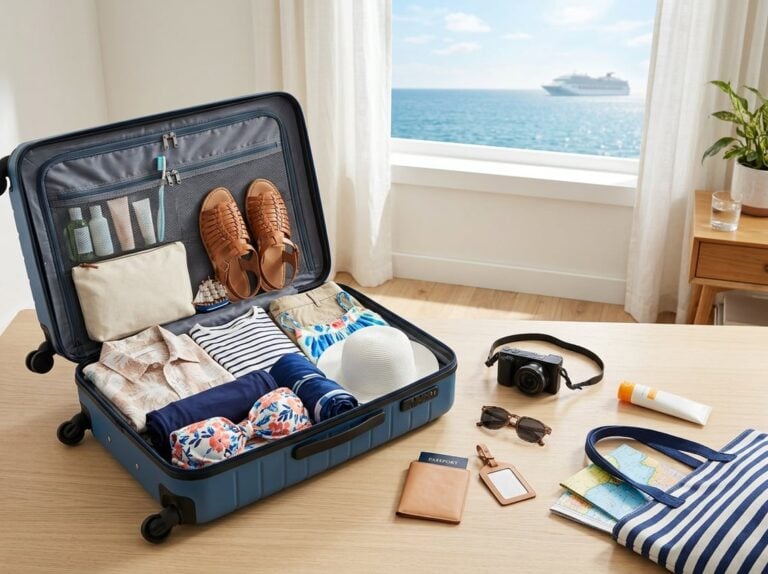
Travelers should pack clothing for warm, humid conditions, along with a light jacket or sweater for air-conditioned areas and cooler evenings. Sea days may feel windy, so layers work better than a single heavy item.
Essential items include:
- Reef-safe sunscreen and a wide-brimmed hat
- Comfortable walking shoes with secure soles
- Sandals, swimwear, and a lightweight rain jacket
- A refillable water bottle
- Prescription medicines in carry-on luggage
- A small day bag for shore excursions
A dry bag can protect phones and documents during boat tours or beach visits. Travelers should bring formal or smart-casual clothing only if the cruise line requires it, since dress codes differ by ship.
They should also check baggage limits, vaccination guidance, and excursion requirements before departure. Travel insurance can help address missed ports, medical treatment, or transportation disruptions.
Responsible Visits to Hawaii
Visitors should follow posted rules and guidance from local authorities, tour operators, and protected-area staff. They should stay on marked trails, avoid touching coral or wildlife, and keep a safe distance from sea turtles, monk seals, dolphins, and whales.
Reef-safe sunscreen helps reduce chemical pollution, but travelers should still limit sunscreen use by wearing rash guards and covering exposed skin. They should never remove rocks, sand, shells, plants, or cultural objects from beaches and sacred sites.
Respectful tourism also includes supporting locally owned businesses, learning basic place names and cultural protocols, and asking permission before photographing people or ceremonies. Travelers should carry reusable items, reduce plastic waste, and conserve water during port visits, particularly in areas facing resource pressure.
Frequently Asked Questions
California departures usually leave from Los Angeles-area ports and follow 14- to 18-night routes that visit several major Hawaiian islands. Travelers can choose among seasonal schedules, round-trip sailings, and cruise lines such as Carnival, Holland America, Norwegian, and Princess.
Which California ports offer cruises to Hawaii?
Most Hawaii cruises from California depart from Port of Los Angeles in San Pedro or Long Beach, depending on the cruise line and ship. Some itineraries also leave from San Francisco, while San Diego offers fewer departures.
How long does a cruise from California to Hawaii take?
A round-trip cruise from Southern California typically lasts 14 to 16 nights. Sailings from San Francisco may take about 10 to 15 nights, depending on the route, port calls, and time spent at sea.
Are round-trip Hawaii cruises available from California?
Yes. Round-trip itineraries from Los Angeles, Long Beach, and San Francisco return passengers to the same California port after visiting Hawaii. These cruises usually include several sea days each way because California lies about 2,500 miles from the Hawaiian Islands.
Which cruise lines offer Hawaii itineraries from California?
Carnival Cruise Line, Holland America Line, Norwegian Cruise Line, and Princess Cruises commonly offer Hawaii itineraries from California. Availability varies by year, ship deployment, and season, so travelers should check each line’s current schedule.
What is the best time of year to take a Hawaii cruise from California?
Cruises operate throughout much of the year, but December through April appeals to travelers seeking warmer weather and opportunities to see humpback whales. September through November often provides fewer crowds, while conditions can vary during the Pacific hurricane season from June through November.
How many Hawaiian islands are typically visited on a cruise from California?
Most itineraries visit three or four islands. Common ports include Honolulu on Oahu, Kahului on Maui, Nawiliwili on Kauai, and Kona or Hilo on the Big Island. Some cruises also stop at Ensenada, Mexico, or include an overnight stay in Honolulu.
Free: Pacific Coast Cruise Planning Checklist
Grab my free step-by-step checklist for planning an Alaska, Mexican Riviera, Hawaii, or Pacific Coastal cruise — sent straight to your inbox.

Hawaii Tours & Excursions
Snorkeling, luaus, volcano tours, the Road to Hana and more — book top-rated Hawaii experiences.
Browse Hawaii Tours & Excursions →Planning your shore days?
Book highly-rated shore excursions and port tours before the best ones sell out.
Find shore excursions on Viator →As a Viator affiliate, I earn a small commission from qualifying bookings — at no extra cost to you.
Cruise Packing Essentials
The little things that make cruising smoother — the gear I recommend to every traveler before they sail.
As an Amazon Associate, I earn from qualifying purchases — at no extra cost to you.