California Coast Cruises: Scenic Itineraries and Travel Tips
This post may contain affiliate links. I may earn a small commission at no extra cost to you.
California coast cruises offer a practical way to experience the Pacific coast while combining scenic sailing with convenient access to coastal cities. Travelers can choose a California coastal cruise based on the itinerary, cruise length, ports, and preferred shore activities.
A well-planned cruise helps travelers match the route, onboard experience, shore excursions, budget, and arrival logistics to their needs. This guide explains what to expect from California coast cruises, including popular ports and highlights, excursion options, planning details, and answers to common questions.
Choosing The Right Itinerary And Cruise Length
The best California coast cruises match port interests, available vacation time, and preferred departure city. Travelers can compare short cruises from Los Angeles or San Diego with longer Pacific coastal cruises reaching San Francisco, Seattle, Vancouver, B.C., or other Pacific Northwest ports.
Short Baja Getaways From Southern California
Three- to five-night cruises from Los Angeles or San Diego usually visit Ensenada, with some itineraries adding Catalina Island or a sea day. These cruises suit travelers who want a brief introduction to cruises from California without arranging flights or taking a full week away from work.
San Diego departures often provide convenient access to Southern California attractions, while Los Angeles offers a wider selection of sailing dates and ships. Travelers should check whether the fare includes port fees, taxes, and gratuities, and whether the ship spends enough time in port for planned activities.
Key considerations:
- Confirm the departure terminal and parking options.
- Compare time in Ensenada and Catalina Island.
- Check passport and identification requirements.
- Review dining, entertainment, and beverage costs.
Princess Cruises and Royal Caribbean commonly offer short itineraries, although ship amenities and onboard atmosphere differ by vessel.
Classic Coastal Routes To Northern California And Canada
Seven- to ten-night California coastal cruises often connect Los Angeles or San Diego with San Francisco, Seattle, or Vancouver, B.C. Some routes continue along the Pacific Northwest, creating a practical way to visit several cities without changing hotels.
San Francisco may offer an overnight stay or a full day for Fisherman’s Wharf, Alcatraz tours, or neighborhood visits. Seattle and Vancouver add distinct urban experiences, but travelers should compare port arrival times because early departures can limit sightseeing.
Holland America and Princess Cruises frequently operate Pacific coastal cruises, while seasonal schedules vary by ship and year. Travelers should examine the number of sea days, included excursions, and the final port’s airport connections before booking.
One-Way Versus Roundtrip Sailings
Roundtrip cruises return travelers to the original port, which simplifies parking, local transportation, and flight planning. They work well for passengers driving to Los Angeles or San Diego and avoid the need to coordinate transportation between two distant ports.
One-way sailings provide greater route flexibility and can combine a cruise with a land trip. A traveler might sail from Los Angeles to Vancouver, then explore British Columbia, or begin in Vancouver and continue through Seattle and San Francisco before ending in Southern California.
One-way trips require careful planning for airfare, luggage, hotel nights, and airport transfers. Travelers should compare total costs rather than relying only on the advertised cruise fare, especially when sailing between different countries.
Ports And Highlights Along The Route
California coast cruises connect major cities, historic waterfronts, national landmarks, and wine regions. Port schedules vary, but travelers can often combine urban sightseeing in San Francisco and Vancouver with coastal stops such as Santa Barbara, Catalina Island, and Cabo San Lucas.
Los Angeles, San Diego, And Santa Barbara
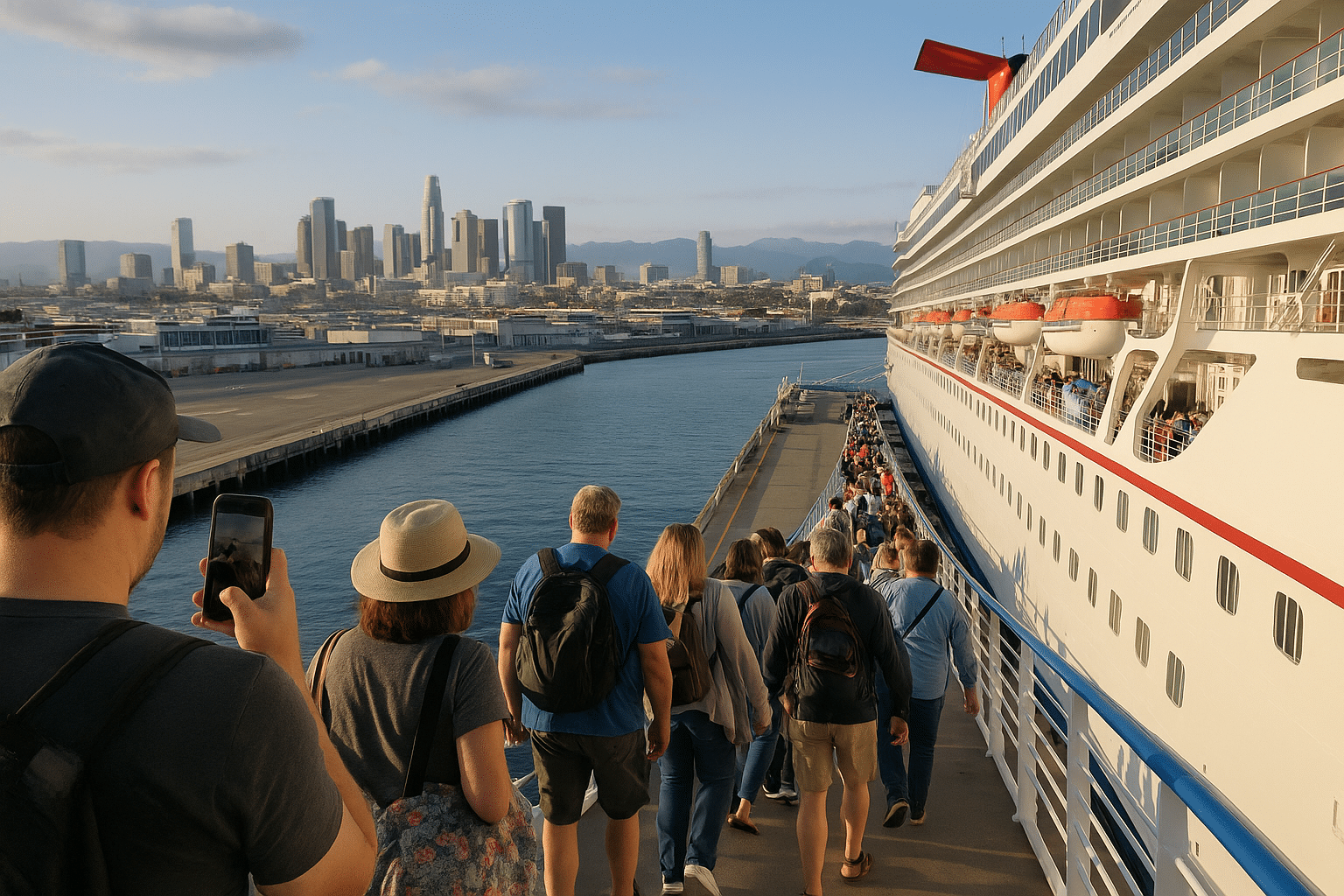
Los Angeles cruises generally use the Port of Los Angeles in San Pedro. Travelers can visit waterfront museums, explore downtown attractions, or reach Hollywood and the Getty Center by arranged transfer. Traffic can make distant attractions time-consuming, so passengers should allow extra time to return to the ship.
San Diego offers a compact waterfront, historic neighborhoods, and access to the San Diego Zoo. Balboa Park combines museums, gardens, and Spanish Colonial Revival architecture. Santa Barbara provides a smaller-scale stop with a walkable harbor, beaches, and downtown streets near State Street. The city’s Spanish-influenced buildings and nearby missions suit travelers seeking architecture and local history.
San Francisco Bay And Wine Country
San Francisco’s port places passengers near Fisherman’s Wharf and Pier 39, where shops, restaurants, and sea lions attract visitors. Other prominent sights include the Golden Gate Bridge, Alcatraz, Lombard Street, and Chinatown. Alcatraz requires advance reservations, and shore excursions should account for ferry schedules and city traffic.
Some itineraries offer transfers into Napa Valley or Sonoma Valley. Napa is known for established wineries and a developed tasting-room network, while Sonoma combines vineyards with a historic town square and a more varied agricultural setting. Travelers should check whether tastings, transportation, and meals come with the excursion or require separate payment.
Astoria, Victoria, And Vancouver
Astoria, Oregon, sits near the mouth of the Columbia River and offers maritime history, Victorian architecture, and river views. The Flavel House Museum provides a detailed look at a nineteenth-century residence, while the Astoria Riverwalk connects shops, restaurants, and waterfront viewpoints. The town’s steep streets can make comfortable walking shoes useful.
Victoria, British Columbia, features a harbor-centered downtown, the Parliament Buildings, and gardens outside the central area. Vancouver combines urban attractions with easy access to nature. Stanley Park offers seawall paths, beaches, forested trails, and views of the harbor and mountains. Travelers should carry Canadian currency or a card accepted in Canada and confirm identification requirements before departure.
Catalina Island, Ensenada, And Cabo San Lucas
Catalina Island typically uses tender boats rather than a large cruise pier. Avalon offers walkable streets, harbor views, water activities, and tours into the island’s interior. Passengers should monitor tender schedules because limited boats can affect the time available ashore.
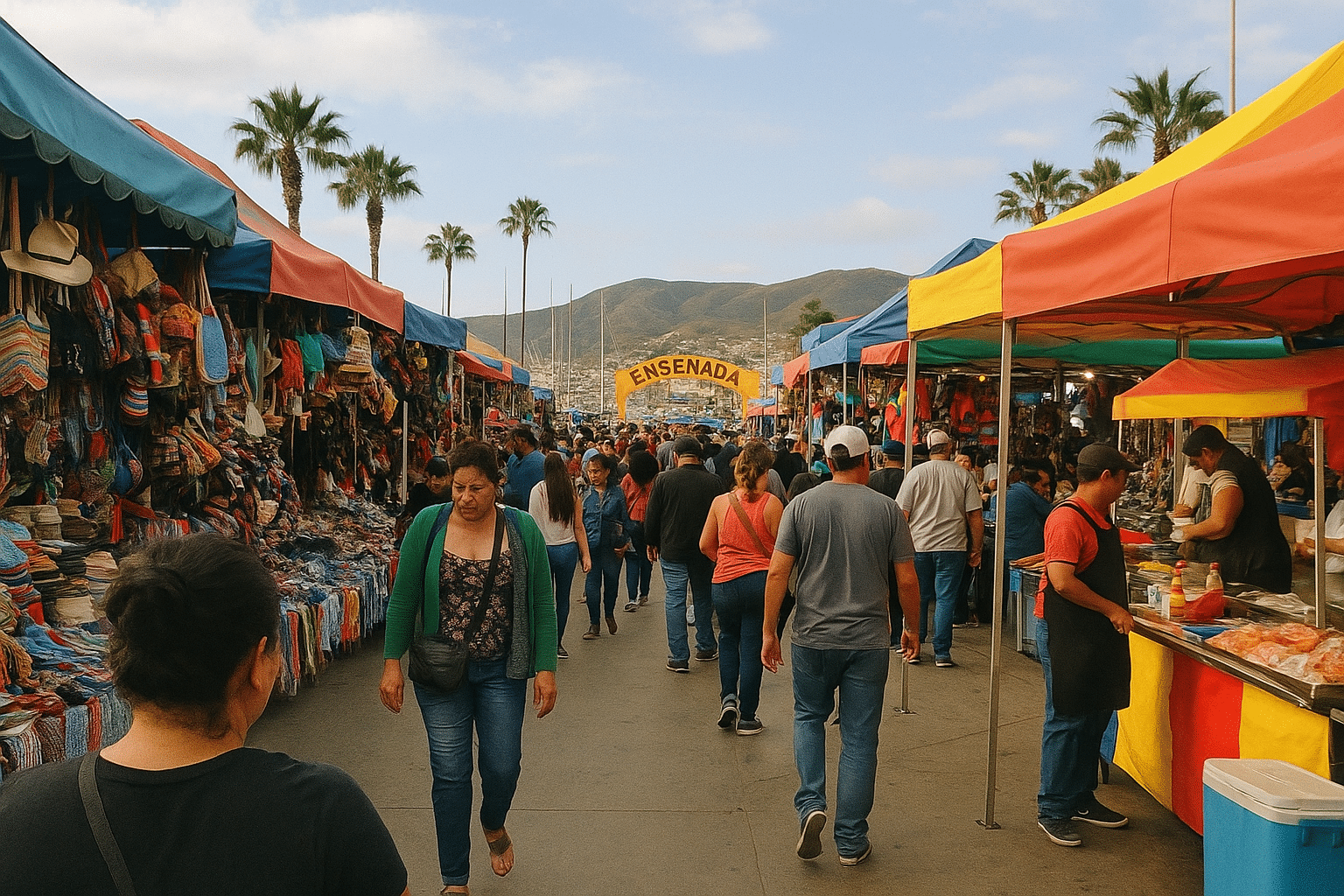
Ensenada, Mexico, provides access to seafood restaurants, wineries, and La Bufadora, a marine blowhole south of the city. The drive to La Bufadora can take much of the port day, so organized transport helps with timing. Cabo San Lucas is known for its marina, beaches, snorkeling excursions, and views of the Arch at Land’s End. Water conditions can affect boat tours, and passengers should return to the designated pier well before departure.
Best Shore Excursions And Experiences
California coast cruises connect passengers with film landmarks, historic districts, regional food, forest trails, and marine wildlife. The best shore excursions match each port’s travel time with specific interests, while advance reservations help secure popular tours.
City Landmarks And Cultural Stops
Los Angeles-area port calls often include transfers to the Hollywood Walk of Fame, TCL Chinese Theatre, and the Griffith Observatory. Visitors should allow extra time for traffic between the port and Hollywood, especially on weekday mornings. A guided tour can link these attractions with Beverly Hills and Rodeo Drive, where guests can browse luxury shops and view distinctive architecture.
San Francisco excursions commonly feature the Golden Gate Bridge, Alcatraz Island, Chinatown, and the waterfront. Alcatraz requires timed tickets, so passengers should book through an approved operator and return to the ship with a buffer. Seattle extensions may include Pike Place Market and the Space Needle, although Seattle lies outside California and usually requires a separate itinerary.
Wine, Food, And Coastal Scenery
San Diego excursions can combine harbor views with seafood markets, fish tacos, and waterfront neighborhoods such as Little Italy. San Francisco offers sourdough, Dungeness crab when in season, oysters, and sushi, while Monterey is known for fresh seafood and scenic Cannery Row. Passengers should check whether a tour includes a meal, tasting fees, or transportation.
Wine-focused trips from San Francisco or nearby ports often visit Napa or Sonoma, but the journey can take several hours each way. Central Coast routes may provide easier access to Santa Barbara or the Santa Ynez Valley, with vineyard visits, coastal overlooks, and smaller tasting rooms. Tour operators should confirm ship departure times before accepting distant bookings.
Wildlife And Outdoor Adventures
Whale-watching tours operate from ports including San Diego, Monterey, and San Francisco, with sightings varying by season and weather. Passengers should choose operators that state their return time clearly and offer appropriate safety equipment. Harbor cruises may also pass colonies of sea lions, particularly near San Francisco’s Pier 39 and other protected waterfront areas.
Nature excursions can explore Muir Woods near San Francisco, where visitors walk among coastal redwoods on established trails. Timed parking or shuttle reservations may apply, and the trip requires enough time for traffic and boarding procedures. In Southern California, kayaking, coastal hikes, and tide-pool visits provide active alternatives, but guests should follow local wildlife rules and avoid disturbing seals, birds, or intertidal habitats.
What To Expect On Board
California coast cruises combine regionally influenced dining, scheduled entertainment, outdoor recreation, and quiet spaces for relaxation. The experience varies by ship, itinerary, and cruise line, so passengers should compare menus, activities, cabin options, and included services before booking.
Dining And Regional Flavors
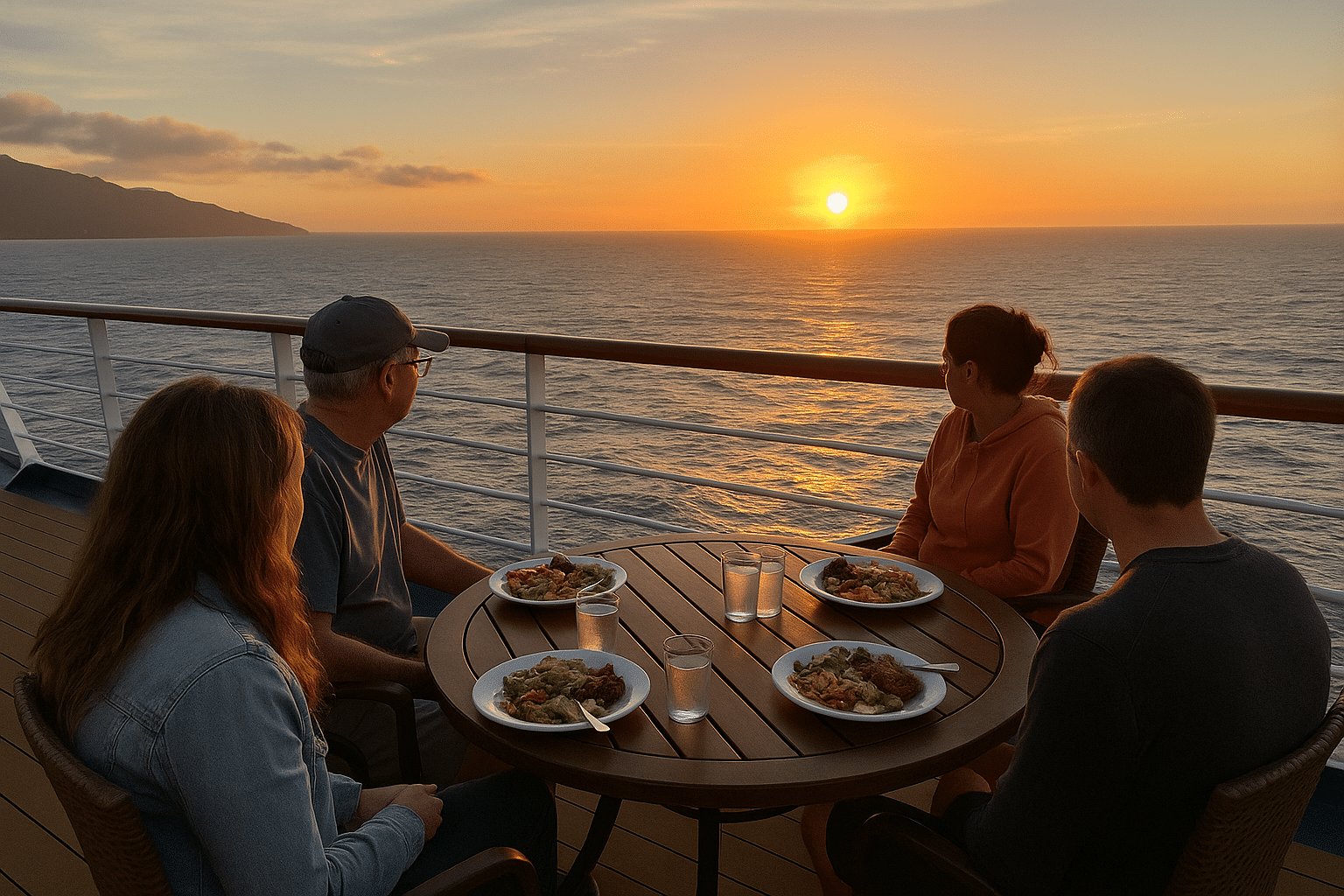
Most ships offer several dining formats, including a main dining room, buffet, specialty restaurants, cafés, and room service. Menus commonly include seafood such as Pacific salmon, Dungeness crab, and locally inspired fish dishes, although availability depends on the sailing and season.
Passengers can often choose sushi, steak, Italian food, burgers, and vegetarian meals in addition to regional options. Specialty venues may charge extra, while the main dining room and buffet typically cover a wider range of meals within the cruise fare.

Dining details to check:
- Specialty restaurant fees and reservation requirements
- Included drinks versus premium beverage packages
- Vegetarian, vegan, gluten-free, and allergy-aware options
- Dining times, dress expectations, and flexible seating
Entertainment, Recreation, And Relaxation
Onboard activities often include live music, comedy, theater productions, trivia, cooking demonstrations, lectures, and evening lounges. Sea days may feature pool games, fitness classes, art activities, and destination talks focused on ports such as San Francisco, Monterey, or Catalina Island.
Outdoor areas give passengers space to view the coastline, use pools, or relax in hot tubs. Many ships also provide fitness centers, spas, children’s programs, and adults-only areas. Spa treatments, specialty classes, and some organized activities usually cost extra.
Passengers should review the daily schedule through the ship’s app or printed program. Popular events can fill quickly, particularly on smaller ships with limited venues.
Comparing Major Cruise Lines
Princess Cruises often emphasizes destination-focused programming, traditional dining, theaters, and a measured onboard pace. Its California itineraries may appeal to passengers who value scenic viewing, organized activities, and a range of dining choices.
Royal Caribbean generally offers a more activity-driven experience, with larger ships that may include multiple pools, water attractions, sports areas, expansive entertainment venues, and family programming. Passengers should confirm which features operate on their specific ship.
Holland America typically provides a quieter atmosphere, attentive dining, live music, enrichment programs, and comfortable observation spaces. Its ships may suit travelers who prefer scenic cruising, regional lectures, and less emphasis on high-energy attractions. Comparing ship size, included dining, entertainment style, and age-specific programs helps passengers select the best fit.
Planning, Pricing, And Arrival Logistics
California coast cruises often connect Los Angeles, San Francisco, and San Diego, while some itineraries begin or end in Vancouver. Travelers should match sailing dates with local weather, compare the full fare with taxes and extras, and schedule arrival plans that allow time for delays.
When To Sail And What To Pack
Most California coast cruises operate during spring, summer, and fall, with more frequent sailings during warmer months. San Francisco can remain cool and windy even when Los Angeles or San Diego feels warm, so travelers should pack layers, a light waterproof jacket, comfortable walking shoes, and sun protection.
A valid passport may be required for itineraries that visit Canada or end in Vancouver. Travelers should check the cruise line’s document rules and confirm whether their nationality requires a visa or electronic travel authorization.
Weather can change quickly at sea. A small day bag should hold medication, travel documents, a phone charger, and one change of clothes because checked luggage may arrive after embarkation.
Understanding Fares, Taxes, And Extras
Advertised cruise fares often exclude government taxes, port fees, gratuities, and optional purchases. Travelers should compare the final checkout price rather than the headline fare. Common extras include specialty dining, alcoholic drinks, Wi-Fi, shore excursions, spa services, and casino spending.
Cruise lines may offer cruise plus hotel packages that include a pre-cruise room, breakfast, and transportation. These packages can simplify planning, but an independent hotel may cost less or provide a better location. Travel resources such as Cruise Critic can help travelers compare ship reviews, cabin locations, and fee policies, although the cruise line’s terms remain the controlling source.
Travel insurance can cover certain medical expenses, cancellations, or delays. Its value depends on the policy limits, exclusions, and the traveler’s existing coverage.
Hotels, Flights, And Port Transfers
Travelers should usually arrive in the port city at least one day before sailing. A pre-cruise hotel reduces the risk of missing embarkation after a delayed flight, especially when flying into Los Angeles, San Francisco, or San Diego.
The airport-to-ship transfer may come from the cruise line, a private car service, taxi, rideshare, or public transit. Cruise-line transfers can be convenient when booked through an eligible flight package, but they may operate only at scheduled times. Travelers should verify the terminal address because ports can have multiple passenger facilities.
Those flying to Vancouver for a California itinerary should confirm border requirements and allow extra time for customs. They should also keep passports, boarding documents, medication, and valuables in carry-on luggage rather than checked bags.
Frequently Asked Questions
California coast cruises commonly connect San Diego, Los Angeles, Santa Barbara, San Francisco, Monterey, and northern ports such as Astoria or Vancouver. The best departure city, itinerary, and travel season depend on whether passengers prefer short coastal voyages, longer Pacific Coast routes, or round-trip sailings.
Which cruise lines offer the best itineraries along the California coast?
Princess Cruises, Holland America Line, Norwegian Cruise Line, and Celebrity Cruises regularly offer California coast itineraries. Princess often includes San Francisco, Los Angeles, San Diego, and Ensenada, while Holland America and Celebrity may add Monterey, Santa Barbara, or northern Pacific ports.
Norwegian offers flexible schedules and frequent sailings from Los Angeles or San Diego. Travelers should compare port time, ship size, included amenities, and whether the cruise operates as a round trip or one-way voyage.
Are there cruises that travel up the California coast?
Yes. Northbound cruises may sail from Los Angeles or San Diego to Santa Barbara, Monterey, and San Francisco before continuing to Astoria, Seattle, Vancouver, or Victoria. Some itineraries remain within California, while others form part of a longer Pacific Coast or repositioning cruise.
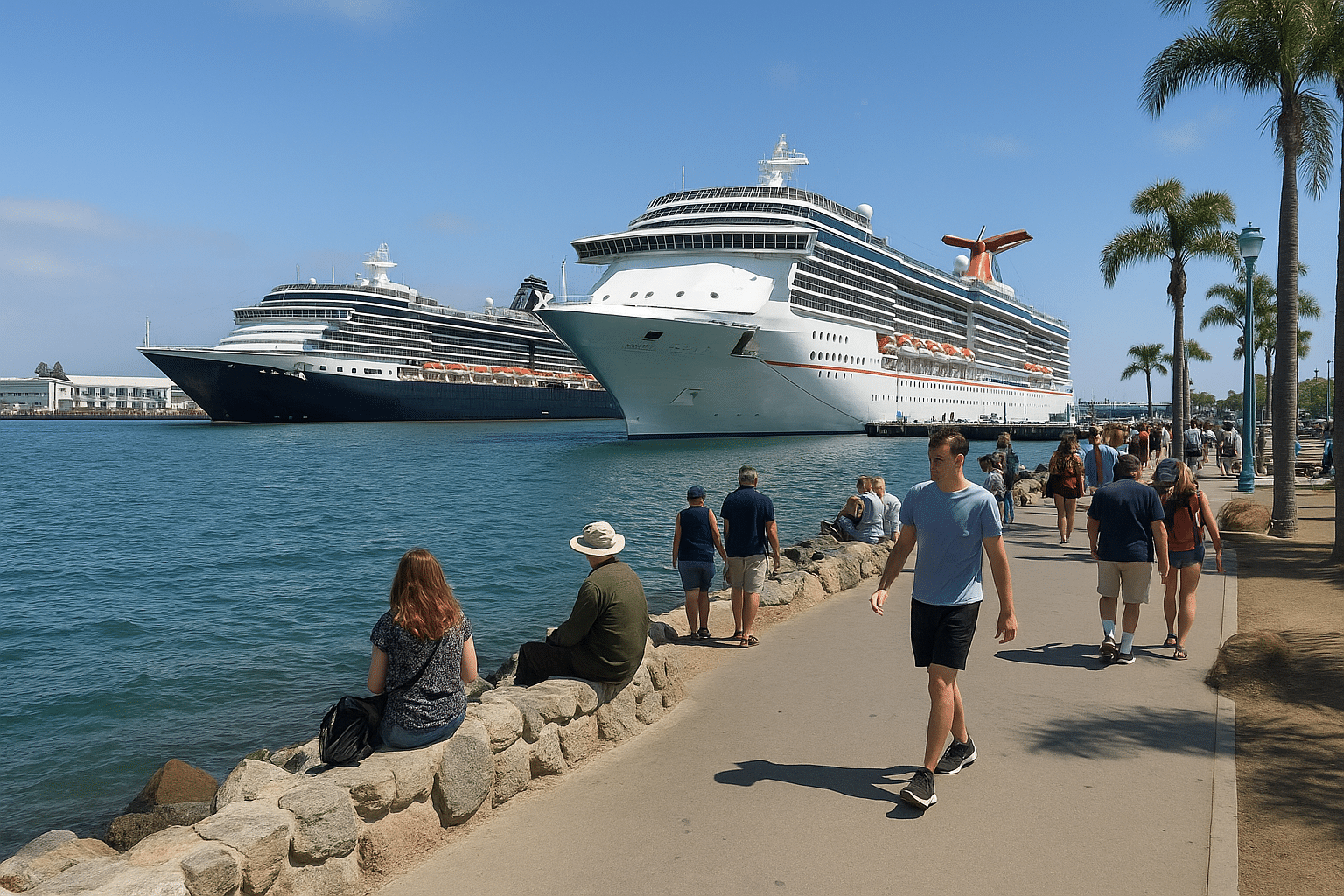
These voyages often run in spring and fall when ships move between Mexican Riviera, Alaska, and Pacific Northwest routes. One-way itineraries may require separate transportation from the final port.
Which ports are included on West Coast cruises from San Francisco?
San Francisco departures commonly include Monterey, Santa Barbara, San Diego, and Ensenada. Longer routes may continue to Astoria, Victoria, Vancouver, or Seattle.
Port schedules vary by cruise line and sailing date. Some ships use San Francisco as a turnaround port, while others stop there during a voyage between Mexico, California, and the Pacific Northwest.
What California coastal cruises depart from Los Angeles?
Los Angeles cruises commonly visit Santa Barbara, San Diego, Ensenada, and Catalina Island. Short itineraries may last two to four nights, while longer voyages continue north to San Francisco, Astoria, or Vancouver.
Long Beach serves as a major cruise terminal for several lines. Travelers should check the terminal location because the Port of Los Angeles and nearby Long Beach use separate facilities.
Are there Pacific Coast cruises departing from San Diego?
Yes. San Diego hosts cruises to Ensenada, Los Angeles, Santa Barbara, San Francisco, and northern Pacific ports. Some ships also depart on longer voyages to Hawaii, the Mexican Riviera, or the Panama Canal.
Short cruises from San Diego often last three to five nights and may include Ensenada as the main international port. Longer northbound itineraries typically add multiple California stops before reaching Oregon, Washington, Canada, or Alaska.
When is the best time of year to take a California coast cruise?
April through October generally provides the most favorable combination of longer daylight and mild coastal weather. September and October often bring calmer conditions and fewer summer crowds, although conditions can change quickly along the Pacific coast.
Spring and fall also offer more repositioning itineraries between California and the Pacific Northwest. Travelers should pack layers because San Francisco, Monterey, and northern ports can remain cool even when Los Angeles or San Diego feels warm.
Free: Pacific Coast Cruise Planning Checklist
Grab my free step-by-step checklist for planning an Alaska, Mexican Riviera, Hawaii, or Pacific Coastal cruise — sent straight to your inbox.

Planning your shore days?
Book highly-rated shore excursions and port tours before the best ones sell out.
Find shore excursions on Viator →As a Viator affiliate, I earn a small commission from qualifying bookings — at no extra cost to you.
Cruise Packing Essentials
The little things that make cruising smoother — the gear I recommend to every traveler before they sail.
As an Amazon Associate, I earn from qualifying purchases — at no extra cost to you.