Best Things to Do Near Newport on the Oregon Coast
This post may contain affiliate links. I may earn a small commission at no extra cost to you.
Why Newport Matters on Your Oregon Coast Itinerary

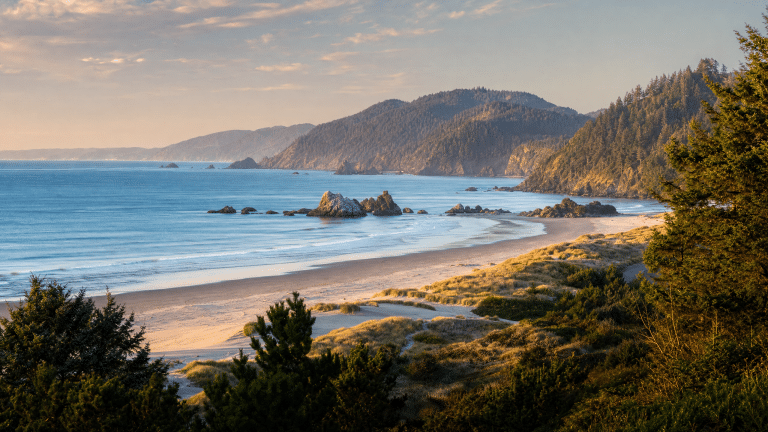
Newport is often treated as a quick stop between Lincoln City and Yachats, but the town and its immediate surroundings hold some of the central coast's most accessible and family-friendly attractions. Unlike the dramatic sea stacks of Cannon Beach or the rugged cliffs near Depoe Bay, Newport offers a gentler introduction to Oregon's coast—wide sandy beaches, working tide pools, accessible viewpoints, and genuine local infrastructure that makes summer travel easier.
The town itself was founded in 1866 as a fishing settlement, and that character persists. The active commercial fishing fleet still operates from the harbor, which means you'll see real working boats, smell genuine sea air, and encounter a coast that hasn't been entirely polished for tourism. This authenticity, combined with practical amenities, makes Newport an ideal base for a day trip or a multi-day coastal stay.
The Core Beaches: Where to Park and What to Expect

Yaquina Head Outstanding Natural Area
<!– ocj-affiliate-inline:ocj_outdoorsy_booking_finder –>
For coast routes with several stops, an RV or campervan can turn the drive into a flexible basecamp. Compare available Outdoorsy rentals near your starting point, then confirm campground rules, parking limits, and pet policies before booking. This can be especially useful around the Central Coast when weather, daylight, and driving time affect the plan.
Make this route easier with an RV basecamp
For coast routes with several stops, an RV or campervan can turn the drive into a flexible basecamp. Compare available Outdoorsy rentals near your starting point, then confirm campground rules, parking limits, and pet policies before booking.
This article may contain affiliate links. Oregon Coast Journey may earn a commission if you book or buy through these links, at no extra cost to you.
Yaquina Head sits just north of Newport and is home to the Yaquina Head Lighthouse, one of Oregon's most photographed coastal landmarks. The Outstanding Natural Area designation means the 93-acre headland is managed for conservation, which keeps crowds more manageable than some other lighthouse sites.
The parking lot fills early in summer, especially between 10 a.m. and 4 p.m. Arrive by 8:30 a.m. or after 5 p.m. to secure a spot without circling. The main lighthouse trail is 0.8 miles round-trip and paved, making it accessible for families with young children and older visitors. The lighthouse itself is staffed seasonally, and the interior tour adds 15 minutes but offers interior views worth the small fee.
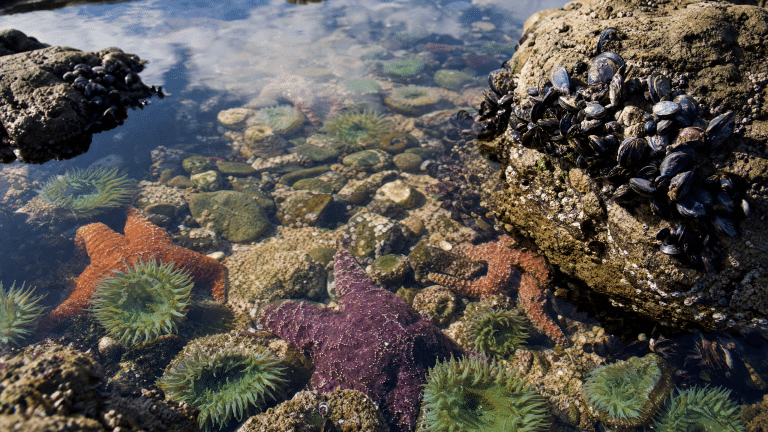
What many visitors miss: the tide pools on the south side of Yaquina Head are among the most productive on the central coast. Access requires descending a steep rocky path (not for young children or those with mobility challenges), but the pools are less crowded than popular tide-pool beaches. Check tide tables before visiting—the best pools appear only during low tide, and the window is typically 2–3 hours. Bring water shoes; the rocks are sharp and slippery.
Restrooms are available at the parking area. No food vendors operate at the site, so bring snacks or plan lunch in Newport proper.
Agate Beach
Agate Beach stretches north from Yaquina Head and is famous for its semi-precious agates, especially after winter storms churn up the beach. Summer visitors often find small agates in the sand, though the best specimens come after rough weather.
Parking is available at the Agate Beach Wayside, a small pullout on NW Oceanview Drive. It fills quickly in summer. The beach itself is wide, sandy, and relatively protected, making it suitable for families. Dogs are allowed on-leash year-round, which makes it popular with dog owners.
Practical note: Agate hunting requires patience and a low crouch. Bring a small mesh bag to rinse agates as you find them—this helps you see the translucent quality that distinguishes agates from ordinary pebbles. The best hunting occurs in the first hour after sunrise or in the evening, when light angles across the sand.
Nye Beach
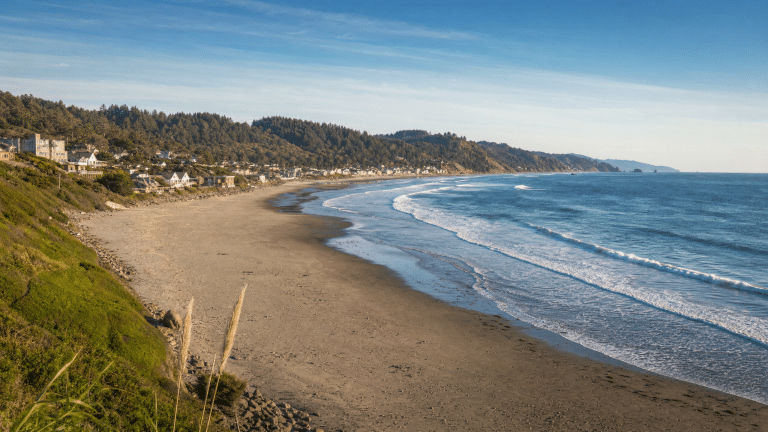
Nye Beach is Newport's most developed beach neighborhood, with a small business district, restaurants, and a historic bathhouse (now closed to the public but visible from the street). The beach itself is wide, sandy, and popular with families because of nearby food and facilities.
Parking is limited but available in a small lot at the end of NW Cliff Street. Arrive early or expect to park on residential streets (which are legal but can be a 10-minute walk). Restrooms are available at the beach access point.
The Nye Beach Turnaround, a small paved loop at the end of NW Cliff Street, offers a scenic viewpoint and is a popular spot for sunset photography. The beach drops steeply into the ocean here, so swimming is not recommended, but walking and photography are excellent.
South Beach State Park
South Beach State Park, just south of Newport's harbor, is one of Oregon's largest state parks and offers camping, day-use areas, and a long sandy beach. The park has two day-use lots: the north lot (closer to the beach) and the south lot (near the campground). Both fill by midday in summer.
The beach here is wide and relatively protected, popular with families and less crowded than Nye Beach because of its distance from town. The park has restroom facilities and a small camp store. RV camping is available year-round, with full hookups in summer.
Practical planning: If you're considering camping, book South Beach well in advance (Oregon Parks and Recreation accepts reservations up to nine months ahead). For day-use visitors, the $5 parking fee is per vehicle, not per person, making it economical for groups. Arrive by 10 a.m. in summer to secure a spot.
Viewpoints and Overlooks Worth Your Time
Otter Crest Loop Scenic Byway
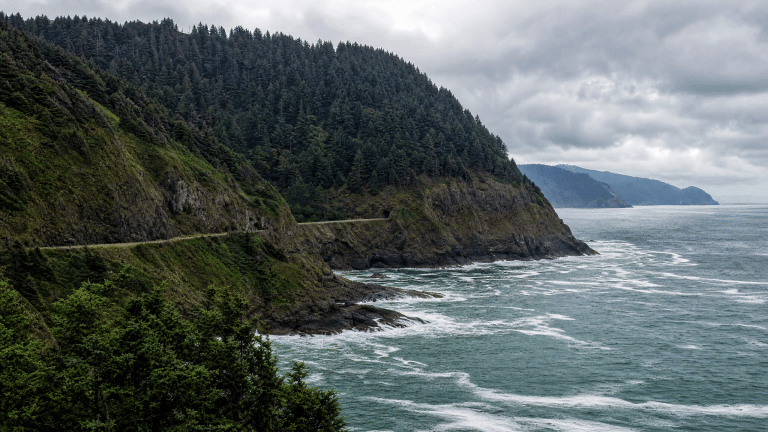
The Otter Crest Loop is a 10-mile scenic drive that climbs away from US-101 between Newport and Yachats. The loop is not a shortcut—it's slower and windier than the highway—but it offers a series of small pullouts and viewpoints that reveal the coast's geology and wildlife.
Key stops include Cape Perpetua Scenic Area (technically just north of Newport but accessible from the loop) and several unnamed pullouts with interpretive signs. The loop is popular with motorcycle riders and photographers because of its curves and views. In summer, traffic can be heavy, especially on weekends.
Bring a full tank of gas; there are no services on the loop itself. The drive takes 20–30 minutes if you stop at viewpoints, or 15 minutes if you drive straight through.
Yaquina Bay Overlook
This small, often-overlooked viewpoint sits on US-101 just south of Newport and offers a direct view of the Yaquina Bay Lighthouse, a white-and-red structure visible from the road. The overlook is free, has a small parking area, and is accessible from the highway. It's an excellent quick stop for photography or a 5-minute break during a road trip.
Tide Pools and Wildlife Viewing
The central coast around Newport is prime tide-pool territory, and summer offers the lowest tides of the year. However, tide-pool etiquette is critical: never remove organisms, step carefully to avoid crushing anemones, and return rocks to their original positions.
Best tide-pool beaches near Newport include Yaquina Head (mentioned above) and Haystack Rock near Pacific City (about 30 minutes south). Both require checking tide tables and arriving during the low-tide window.
Wildlife viewing is excellent in summer. Gray whales migrate north in spring and south in fall, but some remain year-round. Seabirds, including puffins, are visible from headlands, especially during early morning. Seal haul-outs are common on offshore rocks and are best viewed from a distance with binoculars.
Food and Lodging Near Newport
Newport's working harbor means fresh seafood is abundant. Local restaurants include waterfront establishments that serve fish caught the same morning. Summer is peak season, so reservations are recommended for dinner.
Lodging ranges from budget motels to upscale oceanfront hotels. RV parks are numerous, with South Beach State Park offering the most affordable option with full hookups. Private RV parks in town offer premium amenities but at higher cost.
Route Sequencing and Timing
A full day in Newport might follow this sequence:
1. Early morning (7–9 a.m.): Arrive at Yaquina Head Lighthouse, park, and walk the lighthouse trail before crowds arrive. Tour the lighthouse interior if open. 2. Mid-morning (9–11 a.m.): Explore Agate Beach, hunting for agates and walking the shoreline. 3. Late morning (11 a.m.–1 p.m.): Return to town for lunch at a harborside restaurant. 4. Afternoon (1–4 p.m.): Visit tide pools (if tide is favorable) or explore the Otter Crest Loop for viewpoints and photography. 5. Evening (4–sunset): Return to Nye Beach or South Beach for sunset photography and a final walk.
This sequence assumes good weather and moderate crowds. Adjust based on tide tables, weather, and your interests.
Summer Parking and Crowding Strategy
Newport's beaches fill quickly in summer, especially on weekends. Parking pressure peaks between 11 a.m. and 4 p.m. To avoid frustration:
• Arrive at popular sites (Yaquina Head, Nye Beach) before 9 a.m. or after 5 p.m.
• Use less-known beaches like South Beach's south lot or Agate Beach to distribute your visit.
• Check weather and tide forecasts the night before to plan your day around optimal conditions.
• Consider visiting on weekdays if possible; weekends are significantly more crowded.
Parking is free at most beaches, but Yaquina Head charges a small day-use fee (check current rates with Oregon Parks and Recreation). South Beach State Park charges a per-vehicle fee for day-use.
Planning Your Newport Visit
Whether you're planning an RV trip, a family beach day, or a photography-focused road-trip stop, Newport offers the infrastructure and attractions to support a full day or multi-day visit. The key to a successful trip is early arrival, tide-table awareness, and realistic expectations about summer crowds. The central coast's mild summer weather and accessible beaches make Newport an ideal base for exploring this section of Oregon's coast.
Consider booking RV sites or lodging well in advance if visiting in July or August. Summer is peak season, and popular accommodations fill quickly. For tide-pool visits, check NOAA tide tables for your specific date and plan your beach time around the lowest tide window. Bring layers—Oregon coast mornings are cool, and afternoon winds can pick up quickly.
Related Oregon Coast planning links
- Port Orford With Kids, Dogs, or Mixed-Ability Travelers
- Where to Eat and What to Explore Around Yaquina Head
- What to Know Before Tidepooling Near Cape Blanco
Official resources to verify before you go
- Newport Parks and Recreation visitor resources
- Oregon Coast tide tables from NOAA
- Travel Oregon coastal trip planning
Optional partner planning link: compare Oregon Coast lodging options. Always compare current prices, terms, and cancellation details before booking.
Frequently Asked Questions
What should I check before visiting this Oregon Coast stop?
Check current weather, tide or surf conditions when relevant, road or park advisories, and official local guidance before making final plans.
Planning an overnight Oregon Coast trip? Use the search box below to compare stays and flights for your route before you go.
How can I visit more responsibly?
Stay on durable paths, follow posted rules, keep distance from wildlife, pack out trash, and choose viewpoints or trails that match current conditions.
What is the safest takeaway for this trip idea?
Give the ocean, cliffs, logs, rocks, river mouths, and changing weather more room than you think they need, and choose the conservative option when conditions are uncertain.