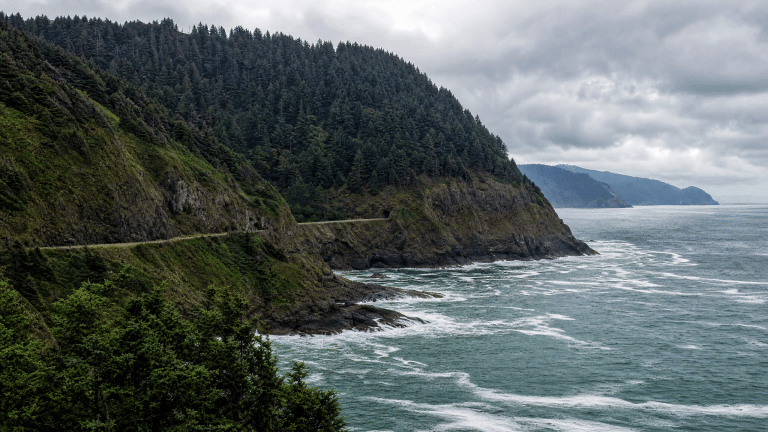
Storm Watching Near Astoria: Safe Places and Smart Timing
This post may contain affiliate links. I may earn a small commission at no extra cost to you.
Why Storm Watching Matters on the Oregon Coast

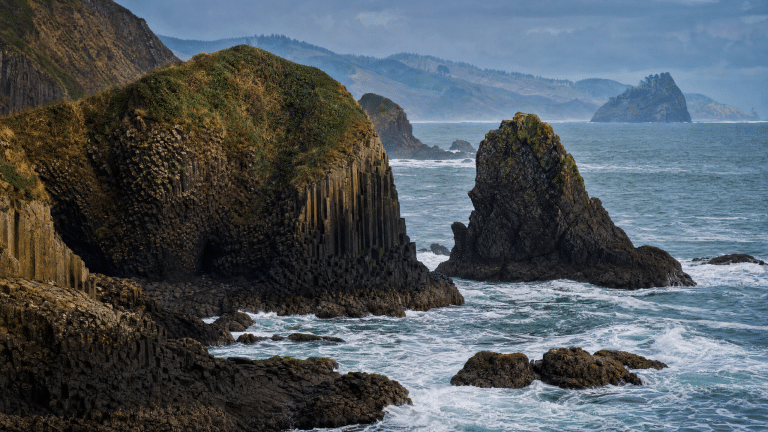
Winter storms transform the Oregon Coast into a raw, powerful landscape. Waves exceed 20 feet, wind gusts top 50 mph, and the sky darkens to an almost supernatural green. For visitors, storm watching feels like witnessing nature at its most honest. But the same forces that create that drama also kill unprepared tourists.
Every winter, the Oregon Coast Guard and local sheriff departments respond to rescues—and recoveries—of visitors who underestimated sneaker waves or ventured onto unstable bluffs. Between 2000 and 2020, sneaker waves alone claimed dozens of lives along the Pacific Northwest coast. Most victims were standing on beaches or low rocks, convinced they were safe because the ocean looked calm for a few seconds.
The good news: you can experience genuine storm drama from elevated, legal, and genuinely safe vantage points. Astoria and the surrounding North Coast offer some of the best storm-watching real estate in the Pacific Northwest, and knowing where to stand makes all the difference.
Elevated Viewpoints: Where to Actually Watch Storms

Astoria Column and Coxcomb Hill
Astoria Column sits 600 feet above the Columbia River confluence, offering a panoramic view of storm systems rolling in from the Pacific. The 164-step spiral staircase inside the column itself provides a viewing platform that is legally protected, structurally sound, and actively maintained by the city. From the top, you can watch weather systems develop over the Pacific, see wind patterns shift across the estuary, and feel the building sway slightly in extreme gusts—a visceral reminder of the storm's power without any actual risk.
The Column's elevation means you're watching storms from a distance. You won't hear the roar of individual waves or feel spray, but you will see the full system: the color of the sky, the texture of the ocean surface, the movement of rain curtains across the water. On clear pre-storm afternoons in winter, visibility extends 20+ miles, and you can actually see weather approaching.
Parking is free at the base. The Column itself has a small admission fee (typically $5 for adults). Plan 30–45 minutes for the climb and viewing time. Bring a windproof jacket—the elevation amplifies wind speed, and gusts at the top can exceed what you feel at ground level.
Gear that makes this stop easier
Oregon Coast weather and beach access can change quickly. If you are packing for this stop, a few simple items can make the visit more comfortable. Consider a compact rain shell or wind layer for fast-changing coastal weather; compact binoculars for whale spouts, seabirds, and distant offshore rocks. Compare packable rain layers and compact binoculars before you go.
This article may contain affiliate links. Oregon Coast Journey may earn a commission if you buy through these links, at no extra cost to you.
Gearhart Ocean Road Overlook
About 10 miles south of Astoria, Gearhart's coastal bluff walk offers a series of informal overlooks 100–150 feet above the beach. These spots are less famous than Astoria Column, which means fewer crowds and a more intimate storm-watching experience. The bluffs here are stable, vegetated, and backed by residential areas—not loose sand or eroding cliff faces.
When storms hit, the Gearhart overlooks give you a front-row seat to wave behavior. You can watch how large swells interact with the nearshore rocks, how the ocean color changes with wind and rain, and how the beach itself transforms. The sound carries up from the beach, so you get both visual and audio drama.
Access is via Ocean Road, a scenic drive that parallels the bluff. Several informal pull-offs exist; parking is street-side and free. The overlooks are unguarded and unmaintained, so they feel more like a local secret than a tourist attraction. Bring binoculars—you may spot gray whales migrating during winter months, and the detail they reveal in storm-churned water is striking.
Fort Clatsop Overlook
Fort Clatsop National Monument, just south of Astoria, sits on a forested bluff overlooking the Netul River estuary. While the monument itself focuses on Lewis and Clark history, the grounds include elevated walking paths with views toward the coast. During winter storms, the estuary itself becomes dramatic—wind-driven rain, choppy water, and the sound of the storm funneling up the river valley.
This spot is less about watching open-ocean waves and more about experiencing the full sensory environment of a coastal storm: the wind, the light, the smell of rain and salt, the movement of trees. It's educational and safe, and the historical context (the Corps of Discovery wintered here in 1805–1806) adds a layer of meaning to the experience.
Fort Clatsop has a visitor center, restrooms, and maintained trails. Admission is typically $7 per vehicle. Plan 1–2 hours if you want to explore both the monument and the storm-watching aspect.
Understanding Storm Timing and Weather Forecasting
Winter Storm Season on the Oregon Coast
The Oregon Coast's storm season peaks from November through March, with the most intense systems typically arriving in December and January. Spring storms (March–May) are less common but can be dramatic, especially in early March before the jet stream fully retreats northward.
NOAA's National Weather Service office in Portland issues marine forecasts and coastal flood advisories specific to Clatsop County. These forecasts predict wave height, wind speed, and timing with reasonable accuracy 3–5 days out. For storm watching, the ideal window is 24–48 hours before a system's peak, when you can see the ocean responding to the incoming weather but before conditions become genuinely dangerous.
How to Read a Coastal Storm Forecast
A typical marine forecast for the Astoria area might read: “Small craft advisory. Seas 8 to 12 feet. Winds west 20 to 30 knots, gusting to 45 knots.” Translated: waves are large enough to be visually dramatic, wind is strong enough to feel powerful, and conditions are safe to watch from an elevated, protected spot.
If the forecast includes “high surf advisory” or “coastal flood watch,” the system is more intense. Waves may exceed 15 feet, and the ocean may actually flood low-lying coastal roads. These conditions are still safe to observe from Astoria Column or the Gearhart bluffs, but they're not safe for any beach access.
Check NOAA forecasts 5–7 days out, then refine your timing as the system approaches. The National Weather Service website (weather.gov) allows you to zoom to your specific location and read detailed marine forecasts updated every 6 hours.
Essential Gear and Safety Practices
Weatherproof Jacket and Layering
Winter storms on the Oregon Coast bring cold rain, not snow. Temperatures typically range from 40–50°F, but wind chill can make it feel 10–15 degrees colder. A waterproof, windproof jacket is non-negotiable. Avoid cotton; wear merino wool or quick-drying base layers that retain warmth even when damp.
Bring a second layer—a fleece or insulating mid-layer—under your jacket. Storm watching often involves standing still for 30+ minutes, so your body temperature drops faster than it would during active hiking. Wet hands and face lose heat rapidly, so consider gloves and a neck gaiter.
Binoculars for Detail and Distance
Binoculars transform storm watching from a distant spectacle into an intimate experience. With 8x or 10x magnification, you can see individual wave formations, the texture of wind-driven spray, and the color gradations in storm clouds. You can also spot migrating gray whales during winter months—a bonus that makes the trip worthwhile even if the storm is less intense than forecast.
You don't need expensive optics. A mid-range pair ($100–300) with good light transmission and a wide field of view is ideal. Bring them in a waterproof case and wipe the lenses frequently; salt spray and rain will coat them quickly.
Timing and Positioning
Arrive at your chosen viewpoint 1–2 hours before the forecast peak intensity. This gives you time to acclimate, position yourself for the best views, and photograph or simply observe as conditions worsen. Peak intensity typically lasts 2–4 hours, so you can watch the full arc of the storm's arrival and departure.
Position yourself with your back to the wind whenever possible. This protects your face and makes it easier to hear the ocean and wind. Avoid standing directly in front of large windows or glass structures—wind-driven debris is rare but not impossible.
Whale Watching During Winter Storms
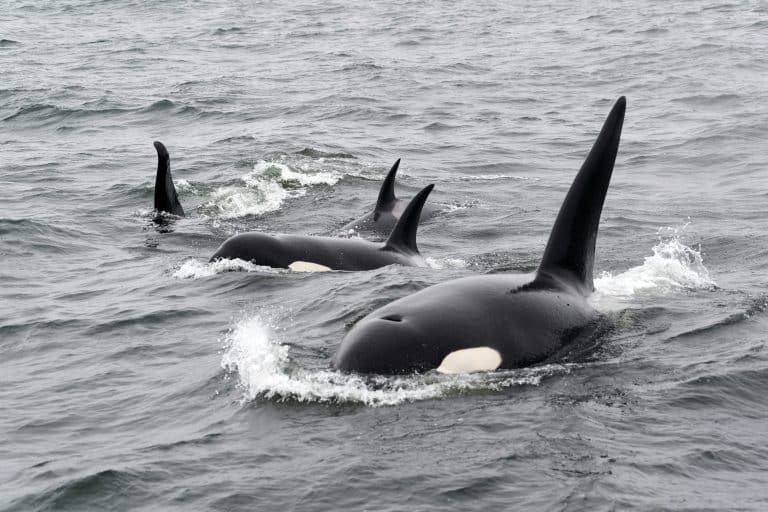
Gray whales migrate southbound from the Bering Sea to Baja California from October through December, and northbound from February through June. Winter storms don't stop migration; if anything, the churned water and reduced visibility make whales less cautious about approaching the coast.
From the Gearhart overlooks or Astoria Column, during a winter storm, you have a genuine chance of spotting whale spouts 100–300 yards offshore. The spout appears as a vertical plume of mist, distinct from wind-driven spray. Binoculars reveal the whale's back and flukes as it dives.
Whale watching from an elevated viewpoint is legal, ethical, and safe. You're maintaining distance (100+ yards), you're not entering the water, and you're not approaching the animal. The whale is undisturbed, and you're experiencing one of the Oregon Coast's most remarkable natural events.
If you spot a whale, take a moment to simply watch before photographing. The memory often matters more than the photo, and the whale deserves your respect.
Spring Storm Watching and Wildflower Season
March and April bring a different kind of storm watching. Spring storms are often less intense than winter systems, but they're more likely to occur during daylight hours and to be preceded by clear weather. The transition creates dramatic lighting—dark storm clouds over sun-lit bluffs and ocean.
Spring also brings wildflowers to the Astoria area. The bluffs at Gearhart and the grounds at Fort Clatsop feature native camas, lupine, and coastal paintbrush. A spring storm-watching trip can combine weather watching with wildflower photography, making the experience richer and more varied.
Planning Your Storm-Watching Trip
Book lodging with ocean views if possible. Hotels in Astoria with western-facing rooms allow you to watch storms develop from your room before heading to your chosen viewpoint. This is particularly valuable if you're storm watching with family or less-adventurous companions—everyone can participate at their own comfort level.
Plan a full day around storm watching rather than treating it as a quick stop. Visit Fort Clatsop in the morning, explore Astoria's historic waterfront and restaurants at midday, then position yourself at Astoria Column or Gearhart as the storm approaches. This rhythm gives you context, safety, and a richer experience.
<!– ocj-affiliate-inline:ocj_trip_insurance_weather_backup –>
If weather or travel delays would be costly, compare coverage before finalizing nonrefundable bookings. This can be especially useful around the North Coast when weather, daylight, and driving time affect the plan.
Consider weather and cancellation backup
If weather or travel delays would be costly, compare coverage before finalizing nonrefundable bookings.
This article may contain affiliate links. Oregon Coast Journey may earn a commission if you book or buy through these links, at no extra cost to you.
Compare trip coverage options through approved partners such as Approved travel insurance partner via Travelpayouts or other approved network.
Bring a thermos of hot coffee or tea. Storm watching is stationary, and warmth—internal and external—matters. A simple comfort like a warm drink transforms a cold, wet experience into a memorable one.
FAQ: Storm Watching Near Astoria
Q: Is it safe to watch storms from the beach? A: No. Sneaker waves kill unprepared beach-goers every year. Even during calm-looking periods, a large swell can sweep across the beach with no warning. Always watch from elevated, legally accessible viewpoints like Astoria Column or the Gearhart bluffs. The view is actually better from height, and the risk is zero.
Q: What's the best month for storm watching near Astoria? A: December and January bring the most intense storms. February and March offer dramatic systems with better daylight. Spring (March–May) brings fewer but still impressive storms, plus wildflowers. Choose based on your tolerance for cold and your interest in whale migration (peak in November and February–March).
Q: Can I storm watch at night? A: Technically yes, but not recommended. Darkness eliminates the visual drama, makes footing uncertain, and removes the ability to see approaching hazards. Storm watching is inherently a daylight activity. Plan for afternoon and early evening viewing when light is still available.
Q: Do I need special permits or reservations? A: No. Astoria Column requires a small fee (typically $5). Fort Clatsop requires a park entrance fee ($7 per vehicle). The Gearhart overlooks are free and unrestricted. No permits are needed for any of these locations.
Q: What if the forecast storm doesn't materialize? A: Coastal forecasts are accurate 3–5 days out, but systems can weaken or shift. If the storm weakens, you still get dramatic coastal scenery, whale-watching opportunities (in season), and a memorable day on the North Coast. The trip is worthwhile even if the peak intensity is less than forecast.
Final Thoughts: Respect the Ocean
Storm watching is thrilling because the ocean is genuinely powerful and genuinely indifferent to human presence. That's the appeal and the danger. Respecting that power means choosing safe viewpoints, checking forecasts, dressing appropriately, and never—under any circumstance—venturing onto beaches or low rocks during storms.
When you watch a winter storm from Astoria Column, 600 feet above the chaos, you're experiencing the Oregon Coast's raw beauty while honoring the ocean's power. That's the goal: awe without risk, drama without danger, and a memory that lasts.
Related Oregon Coast planning links
- Port Orford With Kids, Dogs, or Mixed-Ability Travelers
- Cape Perpetua Storm Watching: Safe Spots & Timing
- Where to Eat and What to Explore Around Yaquina Head
Official resources to verify before you go
- Travel Oregon coastal trip planning
- Oregon State Parks visitor updates
- NOAA tide and current information
Optional partner planning link: compare Oregon Coast lodging options. Always compare current prices, terms, and cancellation details before booking.