Lincoln City Weekend Itinerary for First-Time Visitors
This post may contain affiliate links. I may earn a small commission at no extra cost to you.
Why Lincoln City Works for a Weekend Escape
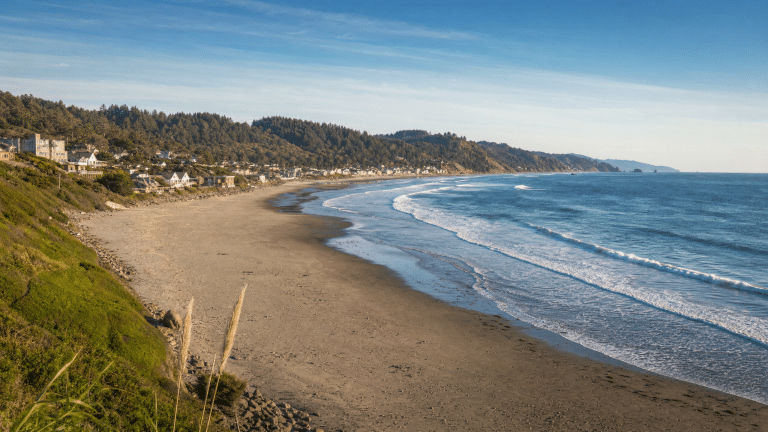
Lincoln City sits at a natural sweet spot on the Central Oregon Coast: close enough to Portland for a long weekend, diverse enough to hold interest for two full days, and quirky enough to surprise first-timers. But the town's popularity—especially in summer—means that casual visitors often arrive at peak hours, miss tide-pool windows, park in frustration, and leave feeling rushed. This itinerary flips that script by working *with* coastal rhythms instead of against them.
The core insight: the Oregon Coast's best experiences are time-sensitive. Tide pools close when tides rise. Viewpoints clear of summer crowds before 9 a.m. Parking fills by 10:30 a.m. on sunny Saturdays. Weather windows close by afternoon. This guide builds a two-day plan around those natural windows, with built-in flexibility for the fog and rain that define the coast even in summer.
Day 1: Arrival and Tide-Pool Timing
Morning: Arrive Early and Skip the Crowds
<!– ocj-affiliate-inline:ocj_lodging_finder –>
If you are building a weekend around this part of the coast, compare nearby lodging before finalizing the route. This can be especially useful around the Central Coast when weather, daylight, and driving time affect the plan.
Where to stay near this Oregon Coast stop
If you are building a weekend around this part of the coast, compare nearby lodging before finalizing the route.
This article may contain affiliate links. Oregon Coast Journey may earn a commission if you book or buy through these links, at no extra cost to you.
Compare nearby stays through approved partners such as Booking.com, Travelpayouts lodging partners.
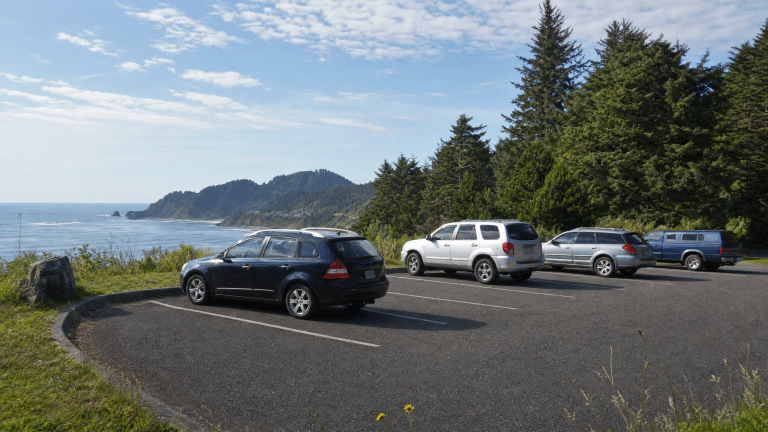
If you're driving from Portland (90 minutes), aim to arrive by 8:30 a.m. on Saturday. This sounds early for a weekend trip, but it unlocks the entire day's best experiences. Summer parking at Lincoln City's main beaches—Roads End, D River Wayside, and Siletz Bay—fills completely by 10 a.m. on clear days. Arriving before 9 a.m. gives you first pick of parking and a quiet beach experience before families and day-trippers arrive.
Head directly to Roads End State Wayside (the northern tip of Lincoln City proper). The parking lot holds about 40 cars and fills fastest, but arriving early means you'll have it nearly to yourself. This is where the Cascade Head escarpment meets the ocean, creating a dramatic rocky shoreline and the best tide-pool access in the area.
Mid-Morning: Tide-Pool Window (Timing is Everything)
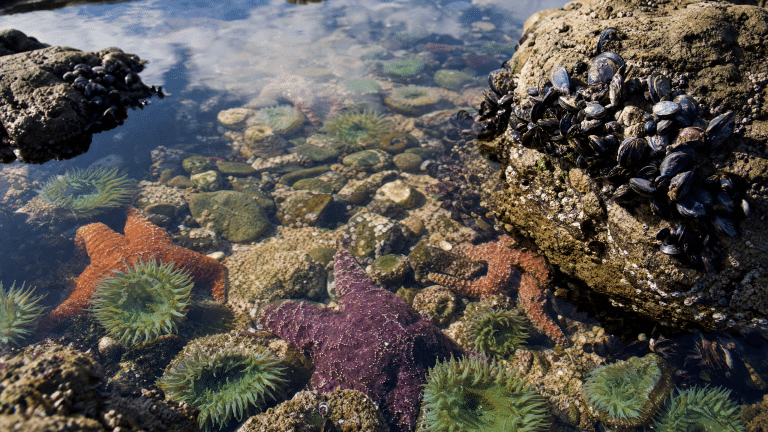
Before you explore, check the NOAA tide tables for Depoe Bay (the nearest official tide station, 10 miles south). Tide pools are only accessible during low tide, and the window is typically 2–3 hours. If low tide is at 10 a.m., you have roughly 8:30 a.m. to 12:30 p.m. to explore safely. If low tide is at 2 p.m., plan your morning differently—perhaps visit a viewpoint or local café first.
When you do enter tide pools, follow the unwritten rules that protect both you and the animals: never turn rocks over (creatures underneath can't survive exposed), don't touch sea stars or anemones (oils on human skin harm them), and never take animals home. Tide pools are living classrooms, not souvenirs. Kids often find this more engaging than the “don't touch” rule suggests—spotting a hidden crab or watching a sea star's tube feet move is genuinely magical.
For families with young children, D River Wayside (just south of Roads End) offers gentler tide-pool access and a shorter walk. The D River is the shortest river in the United States—only 120 feet long—and while that's a fun fact, the real value is the protected coves nearby with easier tide-pool entry.
Lunch and Local Context
By noon, head into downtown Lincoln City (about 3 miles south) for lunch. Local Ocean Seafoods is the working seafood market and casual restaurant that locals recommend—not for Instagram aesthetics, but because the fish is literally unloaded from boats 50 feet away. A fish-and-chips lunch here costs $14–18 and tastes like the coast itself. The wait is usually manageable before 12:30 p.m.
Alternatively, Blackfish Café offers fine dining with a view, but reservations are essential and it's pricier ($25–35 entrées). For first-timers on a budget, Local Ocean is the better introduction to Lincoln City's food culture.
Afternoon: Weather Check and Backup Plan
After lunch, check the National Weather Service forecast for the afternoon. Coastal fog can roll in suddenly, cutting visibility from 10 miles to 100 feet in 20 minutes. If the forecast shows afternoon fog (common even in summer), pivot to indoor activities: the Lincoln City Cultural Center has rotating exhibits, or visit Oceanic Aquarium (a small, family-friendly facility with local species). If the afternoon stays clear, continue to the next section.
Late Afternoon: Lighthouse and Viewpoint
If weather holds, drive 15 minutes south to Heceta Head Lighthouse viewpoint (part of Cape Perpetua Scenic Area, just outside Lincoln City proper). The lighthouse itself isn't open to the public, but the viewpoint is free and offers one of the coast's most dramatic perspectives. Arrive by 4 p.m. to catch golden-hour light without the sunset crowd. The walk is short (0.3 miles) and accessible for most fitness levels.
This is also a prime spot for spotting gray whales during their spring and fall migrations—though summer is quieter for whale activity, occasional whales pass year-round. Bring binoculars.
Day 2: Deeper Exploration and Local Flavor
Early Morning: Siletz Bay Wildlife Refuge
Start your second day at Siletz Bay National Wildlife Refuge (just south of Lincoln City). Arrive by 7:30 a.m. for the best bird activity. The refuge is free and features a 1.5-mile loop trail through coastal forest and open bay views. In summer, you'll see osprey, bald eagles, and wading birds. Bring binoculars and a bird guide (the refuge has a checklist at the entrance).
This walk is quieter and more contemplative than the previous day's tide-pool energy—a good rhythm for a second day.
Mid-Morning: Drift Creek Falls (Optional Hike)
If you're interested in a longer hike, Drift Creek Falls (about 20 minutes inland from Lincoln City) is a 3.2-mile round-trip to a 75-foot waterfall in old-growth forest. The trail is well-maintained and family-friendly, though it does involve creek crossings. This hike offers a completely different ecosystem from the coast—a reminder that the Oregon Coast isn't just beaches.
If you prefer to stay coastal, skip this and move to the next section.
Lunch and Tide-Pool Revisit (If Time Allows)
Return to downtown Lincoln City for a second lunch at a different spot—Kyllo's Seafood Restaurant offers sit-down dining with bay views, or grab pastries from The Irish Table (a local favorite for baked goods and coffee).
If the tide is right (check NOAA again), you can revisit tide pools at a different location—Boiler Bay State Scenic Viewpoint (just south of Lincoln City) has tide pools and a dramatic rocky shoreline, plus a historic shipwreck story. The boiler visible in the rocks is from the steamship *J. Marhoffer*, which wrecked here in 1910.
Afternoon: Packing and Departure Strategy
By 2–3 p.m., most first-time visitors are ready to head home. Avoid the 4–6 p.m. weekend traffic jam by departing by 3 p.m. If you're staying overnight, use the afternoon for a slow walk through downtown shops, a visit to a local brewery like Guilty Pleasure Brewing, or simply a nap before an early dinner.
Practical Summer Logistics
Parking Strategy
Lincoln City's main parking challenge is that the town is spread over 7 miles, with parking scattered across multiple beach access points. Here's the insider approach:
• Roads End and D River Wayside fill first (8:30–10 a.m. on sunny days).
• Siletz Bay parking (south end) usually has availability until 11 a.m.
• Downtown Lincoln City has free street parking and a municipal lot, but these are 2–3 miles from the best beach access.
• RV and camping parking: Lincoln City has two state parks with RV facilities—Devil's Lake State Park (inland, good for families) and Otter Crest Loop (scenic drive with pullouts). Book these ahead in summer.
Weather Backup Plans
Coastal fog and rain are real, even in summer. Build these into your itinerary:
• Rainy morning: Start at Oceanic Aquarium or Lincoln City Cultural Center instead of tide pools.
• Afternoon fog: Move viewpoint visits to morning, or visit indoor attractions (breweries, local shops, restaurants).
• Windy conditions: Tide pools are still accessible, but wear layers and bring a wind-resistant jacket.
Packing Essentials for Summer
Even in July and August, coastal weather is unpredictable. Pack:
• Layers: A t-shirt, fleece, and windproof jacket. The coast is often 10–15 degrees cooler than inland.
• Tide-pool shoes: Water shoes or old sneakers (rocks are sharp and slippery).
• Sunscreen and hat: Coastal sun reflects off water and sand intensely.
• Binoculars: For whale and bird watching.
• Camera or phone with good battery: Coastal wind drains batteries faster.
For a complete packing checklist tailored to Oregon Coast conditions, consider reviewing what experienced visitors recommend before you go.
Family-Friendly Pacing Notes
This itinerary assumes a moderate pace with young children. If you have kids under 5, add 30 minutes to each activity for bathroom breaks and snack stops. Lincoln City has good facilities at main beaches and downtown, but they fill quickly in summer.
For teens and adults, you can compress this itinerary or add activities like kayaking in Siletz Bay (several rental shops operate in summer) or exploring the Otter Crest Loop scenic drive (10 miles of dramatic coastal views, though it's outside Lincoln City proper).
Frequently Asked Questions
What's the best time of day to visit tide pools?
Tide pools are only accessible during low tide. Check NOAA tide tables for Depoe Bay (the nearest official station) and aim to arrive 30 minutes before low tide. You'll typically have a 2–3 hour window. Avoid high tide entirely—rocks are submerged and dangerous.
Is Lincoln City crowded in summer?
Yes. Weekends in July and August see significant crowds, especially 10 a.m.–4 p.m. Arriving by 8:30 a.m. and departing by 3 p.m. avoids the peak. Weekdays are noticeably quieter.
Can you see whales from Lincoln City?
Gray whales migrate past the Oregon Coast in spring (March–May) and fall (October–November). Summer is quieter for whale activity, but occasional whales pass year-round. Binoculars and patience increase your chances.
Are tide pools safe for small children?
Tide pools are safe if you follow basic rules: wear water shoes (rocks are sharp), stay close to your child, never turn rocks over, and don't touch animals. The biggest risk is slipping on algae-covered rocks, not the animals themselves.
What should I do if fog rolls in?
Coastal fog is normal and not dangerous—just disappointing for views. Shift to indoor activities (museums, restaurants, shops) or embrace the moody atmosphere with a beach walk. Fog usually clears by afternoon or the next day.
Why This Itinerary Works
This two-day plan respects the coast's natural rhythms instead of fighting them. Early arrival unlocks parking and solitude. Tide-table timing ensures you actually see tide pools instead of arriving to high tide. Weather flexibility prevents disappointment. And the mix of natural attractions, local food, and quiet moments creates a genuine connection to Lincoln City—not just a checkbox weekend.
First-time visitors often expect the coast to be a backdrop for relaxation. The Oregon Coast is that, but it's also a dynamic system of tides, weather, wildlife, and human history. This itinerary introduces you to all of it.
Editorial transparency
This article was drafted with AI assistance and reviewed through Oregon Coast Journey publishing safeguards. Always confirm current conditions before traveling.