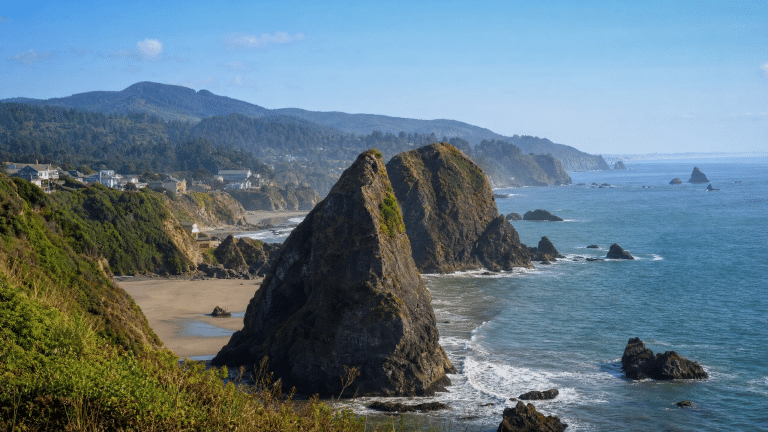
Best Things to Do Near Manzanita on the Oregon Coast
This post may contain affiliate links. I may earn a small commission at no extra cost to you.
Why Manzanita Stands Out on the Oregon Coast
Manzanita sits between Cannon Beach's tourist infrastructure and Tillamook County's quieter rural character, making it an ideal shoulder-season destination for visitors who want coastal beauty without overwhelming crowds. The village itself is small—roughly 600 residents—but the beach stretches seven miles and remains largely undeveloped. In spring, this means migrating gray whales pass within sight of shore, wildflowers dot the dunes, and lodging rates drop 20–30% compared to summer.
The town's name comes from the manzanita shrub (Arctostaphylos), a native plant with papery red bark that thrives in coastal dunes. You'll see it throughout the area, especially on the southern bluffs. Understanding this local ecology helps explain why Manzanita has remained quieter than neighboring towns: much of the land is protected dune habitat, limiting development.
Manzanita Beach: Layout, Parking, and Seasonal Conditions
Manzanita Beach runs north-south for seven miles, but the village core and main access points cluster around the central parking area near Laneda Avenue (the main commercial street). The beach is wide, sandy, and relatively flat, making it ideal for families, dogs, and long walks. Spring conditions typically include morning fog, afternoon clearing, and water temperatures around 50°F—wetsuit territory for swimmers.
Main Beach Access & Parking: The primary lot is located at the end of Laneda Avenue, offering roughly 40 spaces, restrooms, and a beach volleyball court. Arrive by 10 a.m. on weekends, especially during spring break and early summer. A secondary lot sits at the north end of town near Nehalem Bay Road. Both are free. Street parking is available along Laneda but fills quickly on sunny days.
Beach Conditions by Season: Spring (March–May) brings migrating gray whales, lower crowds, and variable weather—come prepared for sun, rain, and wind in the same afternoon. Water temperature hovers around 48–52°F. Sand is firm and wet, ideal for walking but cold for barefoot play. Wildflowers peak in April and May, particularly along the dune margins south of town.
Neahkahnie Mountain: Viewpoint, Hike, and Local Legend
Neahkahnie Mountain rises 1,630 feet directly south of Manzanita and offers one of the Oregon Coast's most dramatic viewpoints. On clear days, you can see Cape Lookout, Cannon Beach, and the Pacific stretching north. The mountain is also home to a famous local legend: a buried treasure allegedly hidden by Spanish or Native American traders centuries ago. While the treasure remains unfound, the hike is real and rewarding.
The Neahkahnie Summit Trail: The trailhead is located on Highway 101, about three miles south of Manzanita. The main loop is 8.5 miles round-trip with 1,600 feet of elevation gain—moderate to strenuous. Shorter options include a 1.5-mile out-and-back to the Viewpoint Trail junction (700 feet gain). Spring is ideal: wildflowers line the path, temperatures are cool, and the trail dries quickly after rain.
Parking is available at the Highway 101 trailhead lot (free, roughly 15 spaces). Arrive early or use the secondary lot a quarter-mile south. No restrooms at the trailhead; use facilities in Manzanita village before heading up.
Local Legend Context: Neahkahnie's treasure story dates to at least the 1890s, with various accounts crediting Spanish galleons, Native American tribes, or Chinese traders. Archaeological surveys have found no definitive evidence, but the tale reflects the mountain's significance as a landmark and gathering place for coastal peoples for thousands of years. The hike itself is the true treasure: solitude, wildflower meadows, and unobstructed ocean views.
Manzanita Dunes Natural Area: Wildflowers and Wildlife
The dunes south of Manzanita village are protected habitat managed by the Nature Conservancy and Oregon Parks and Recreation. In spring, these dunes explode with native wildflowers: purple lupine, yellow balsamroot, and delicate silverweed. The area is also crucial nesting habitat for plovers and other shorebirds, so access is limited to designated trails.
Walking the Dunes: A short, easy loop trail departs from the main beach parking area and winds through dune scrub and grassland. The walk is roughly 1.5 miles round-trip and takes 30–45 minutes. Interpretive signs explain dune ecology and the role of manzanita shrubs in stabilizing sand. Dogs are allowed but must stay on-trail to protect nesting birds.
Best time to visit: mid-April through May for peak wildflower bloom. Morning light is ideal for photography. No facilities on the trail itself; restrooms are at the main beach parking lot.
Whale Watching from Shore
Gray whales migrate past Manzanita twice yearly: northbound in March–April (roughly 20,000 whales over six weeks) and southbound in December–January. Unlike whale-watching tours, shore-based viewing is free, requires no boat, and often yields sightings within 100–200 yards of the beach.
Best Viewing Spots: The bluffs south of town (accessible via the dunes trail) offer elevated vantage points. Early morning, when the ocean is calm and light is good, is optimal. Binoculars or a spotting scope help, but whales are large enough to see with the naked eye. Look for the distinctive blow (spray) first, then the dark back as the whale surfaces.
What to Expect: Whales travel in small groups during migration. A single sighting might last 10–30 seconds. Patience and stillness increase your odds. Spring migration (March–April) coincides with calmer weather and longer daylight, making it more accessible than winter migration for many visitors.
For detailed migration forecasts and sighting reports, check NOAA Fisheries' gray whale updates or local visitor center boards in Manzanita.
Food, Lodging, and Services in Manzanita Village
Manzanita village is small but walkable, with restaurants, cafes, and shops concentrated along Laneda Avenue. Parking is free and plentiful compared to larger coastal towns.
Dining & Cafes: Options range from casual delis and coffee shops to sit-down restaurants. Many feature local seafood and farm-to-table ingredients. Spring is shoulder season, so some places may have limited hours—call ahead. No chain restaurants; everything is locally owned.
Lodging: Manzanita offers vacation rentals, small inns, and bed-and-breakfasts. Spring rates (March–May) are 20–30% lower than summer, making it an excellent value season. Booking 4–6 weeks ahead secures the best options. Nearby Cannon Beach (15 minutes north) offers additional lodging if Manzanita is full.
Restrooms & Facilities: Public restrooms are located at the main beach parking lot and near the community center on Laneda Avenue. Cell service is reliable in town but spotty on trails and rural roads. Gas stations are in nearby Cannon Beach or Tillamook (20 minutes south).
Seasonal Weather and Packing Tips
Spring on the Oregon Coast is notoriously changeable. Mornings often start cloudy and cool (45–55°F); afternoons may clear and warm to 60–65°F. Rain is common, and wind can pick up quickly.
What to Pack:
• Layered clothing: base layer, fleece, and windproof shell
• Waterproof jacket and pants
• Sturdy walking shoes (sand is firm but wet)
• Hat and sunscreen (UV exposure is high even on cloudy days)
• Binoculars for whale watching
• Reusable water bottle
Planning Tip: Consider a road-trip gear checklist tailored to coastal spring conditions—items like a change of socks, hand warmers, and a dry bag for electronics can transform a wet day into a comfortable adventure.
Day-Trip and Overnight Itineraries
Half-Day (4 hours): Arrive by 9 a.m., park at main beach lot. Walk the beach north for 30 minutes, return via dunes trail (1.5 miles, 45 minutes). Lunch at a village cafe. Explore Laneda Avenue shops. Depart by 2 p.m.
Full Day (7–8 hours): Morning: Beach walk and dunes trail (2 hours). Lunch in village. Afternoon: Neahkahnie Viewpoint Trail hike (1.5 hours) or beach exploration and whale watching (2 hours). Dinner in Manzanita or nearby Cannon Beach.
Overnight (24 hours): Day 1: Arrive afternoon, beach walk, dinner in village. Day 2: Early morning whale watching, Neahkahnie hike or dunes walk, lunch, explore shops, depart by 4 p.m. This allows for a relaxed pace and flexibility around weather.
Route Sequencing and Nearby Stops
Manzanita sits roughly 20 minutes south of Cannon Beach and 25 minutes north of Tillamook. The town makes sense as a day trip from either, or as an overnight base for exploring the north coast.
From the South (Tillamook area): Head north on Highway 101. Manzanita is clearly signed. The Tillamook Creamery (famous for cheese) is 25 minutes south and makes a good pairing with a Manzanita beach day.
From the North (Cannon Beach area): Head south on Highway 101. Manzanita is 15 minutes away. Cannon Beach's Haystack Rock and downtown shops complement a Manzanita visit well—spend morning in Manzanita, afternoon in Cannon Beach.
Nearby Attractions: Nehalem Bay State Park (5 minutes south) offers camping and river access. Cape Lookout State Park (30 minutes south) features dramatic coastal bluffs and hiking. Oswald West State Park (20 minutes south) is home to Short Sands Beach and old-growth forest trails.
Practical Safety and Etiquette Notes
Beach Safety: Oregon Coast beaches are cold and can have strong currents. Never turn your back on the ocean. Watch for sneaker waves, especially on rocky sections. Rip currents are rare but possible; if caught, swim parallel to shore.
Wildlife Respect: Seals, sea lions, and shorebirds are common. Observe from a distance (at least 100 feet for seals). Do not feed any wildlife. Stay on designated trails in dune areas to protect nesting birds.
<!– ocj-affiliate-inline:ocj_lodging_finder –>
If you are building a weekend around this part of the coast, compare nearby lodging before finalizing the route. This can be especially useful around the North Coast when weather, daylight, and driving time affect the plan.
Where to stay near this Oregon Coast stop
If you are building a weekend around this part of the coast, compare nearby lodging before finalizing the route.
This article may contain affiliate links. Oregon Coast Journey may earn a commission if you book or buy through these links, at no extra cost to you.
Compare nearby stays through approved partners such as Booking.com, Travelpayouts lodging partners.
Tide Awareness: Tide pools and rock formations are accessible at low tide only. Check tide tables before planning a tide-pool visit. High tide can strand visitors on beaches or against cliffs.
FAQ
Q: When is the best time to visit Manzanita? A: Spring (March–May) offers migrating whales, wildflowers, and lower crowds. Summer is warmest but busiest. Fall (September–October) has stable weather and fewer visitors. Winter (December–January) brings southbound whale migration but frequent rain.
Q: Is Manzanita suitable for families with young children? A: Yes. The beach is wide, sandy, and relatively safe. The village is walkable and car-free exploration is easy. Dunes trails are short and easy. Water is cold year-round, so swimming is not typical for young kids.
Q: How far is Manzanita from Portland? A: Roughly 90 minutes by car (75 miles via Highway 26 to Highway 101). It's a reasonable day trip or weekend destination.
Q: Are dogs allowed on Manzanita Beach? A: Yes, year-round off-leash in most areas, but must be under voice control. Stay on-trail in dune areas to protect nesting birds. Always clean up after your dog.
Q: What should I do if I encounter a seal or sea lion on the beach? A: Observe from at least 100 feet away. Do not approach, feed, or touch. If a seal appears sick or injured, contact the Marine Mammal Stranding Network (1-888-973-7626).
—
*This article was written with AI assistance and verified against official sources from Oregon Parks and Recreation Department, Travel Oregon, NOAA Fisheries, and local Manzanita visitor information. All practical details, trail descriptions, and seasonal timing reflect current conditions as of spring 2026, but visitors should confirm amenities, hours, and trail status before planning.*
Editorial transparency
This article was drafted with AI assistance and reviewed through Oregon Coast Journey publishing safeguards. Always confirm current conditions before traveling.