Astoria Facts You Need to Know About the Historic Town
This post may contain affiliate links. I may earn a small commission at no extra cost to you.
This post may contain affiliate links. I may earn a small commission at no extra cost to you.
Astoria, Oregon is one of those places that surprises you every time. Whether you're pulling off Highway 101 for the first time or returning for another coastal road trip, this small city at the mouth of the Columbia River has a way of packing in more history, character, and cool trivia than towns ten times its size.
From being the oldest American settlement west of the Rocky Mountains to serving as the backdrop for one of the most beloved films of the 1980s, Astoria delivers facts that are genuinely worth knowing before you visit.
Whether you're planning a weekend getaway, road-tripping the Oregon Coast, or just curious about what makes this town tick, these 20 fun facts about Astoria, Oregon will give you a real sense of what you're in for.
Key Takeaways
- Astoria is the oldest American city west of the Rockies, with roots going back to 1811.
- The city is famous as the filming location of The Goonies and offers plenty of movie-related stops to explore.
- From a record-setting bridge to fresh Dungeness crab, Astoria blends history, food, and outdoor adventure into one compact destination.
Quick Facts
- Founded: 1811
- Population: Approximately 10,000
- Famous for: The Goonies filming location, maritime history, and the Astoria-Megler Bridge
- Location: Where the Columbia River meets the Pacific Ocean in the northwest corner of Oregon
Astoria Fact #1 – A Gateway to the Pacific Northwest's Natural Beauty
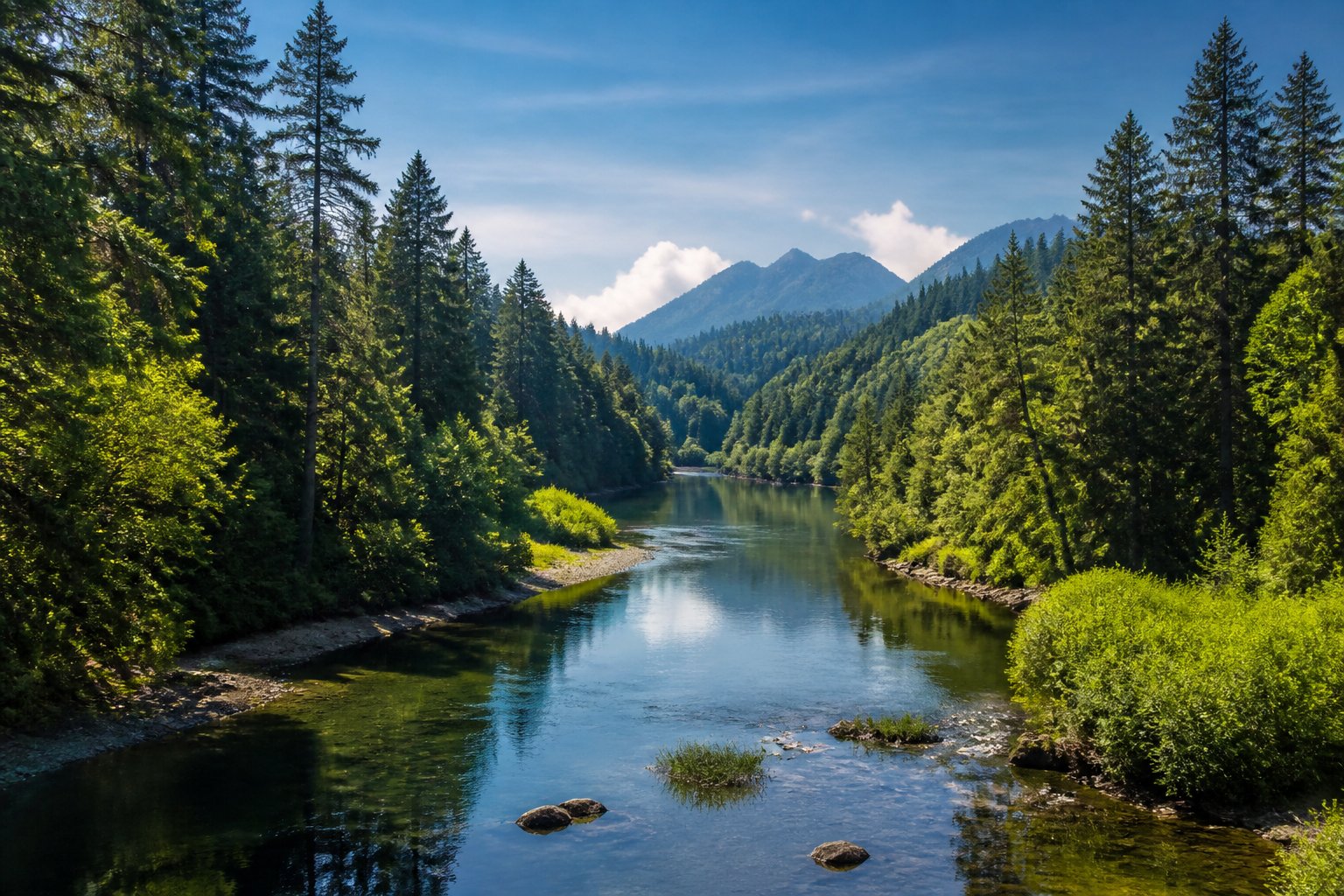
Astoria sits tucked into the far northwestern corner of Oregon, right where the Columbia River flows into the Pacific Ocean. That geography alone makes it one of the most dramatic settings on the entire West Coast.
The city is surrounded by towering Douglas fir, hemlock, and spruce trees, with river views from nearly every direction. It feels less like a tourist trap and more like a place where people actually live and love where they are.
For road-tripping families and couples, this is a strong first stop on the Oregon Coast. You get Victorian architecture, working fishing boats, misty hills, and a massive river all at once. It's the kind of place that earns a second night on your itinerary pretty quickly.
Astoria Fact #2. Astoria – The Oldest American Settlement West of the Rocky Mountains
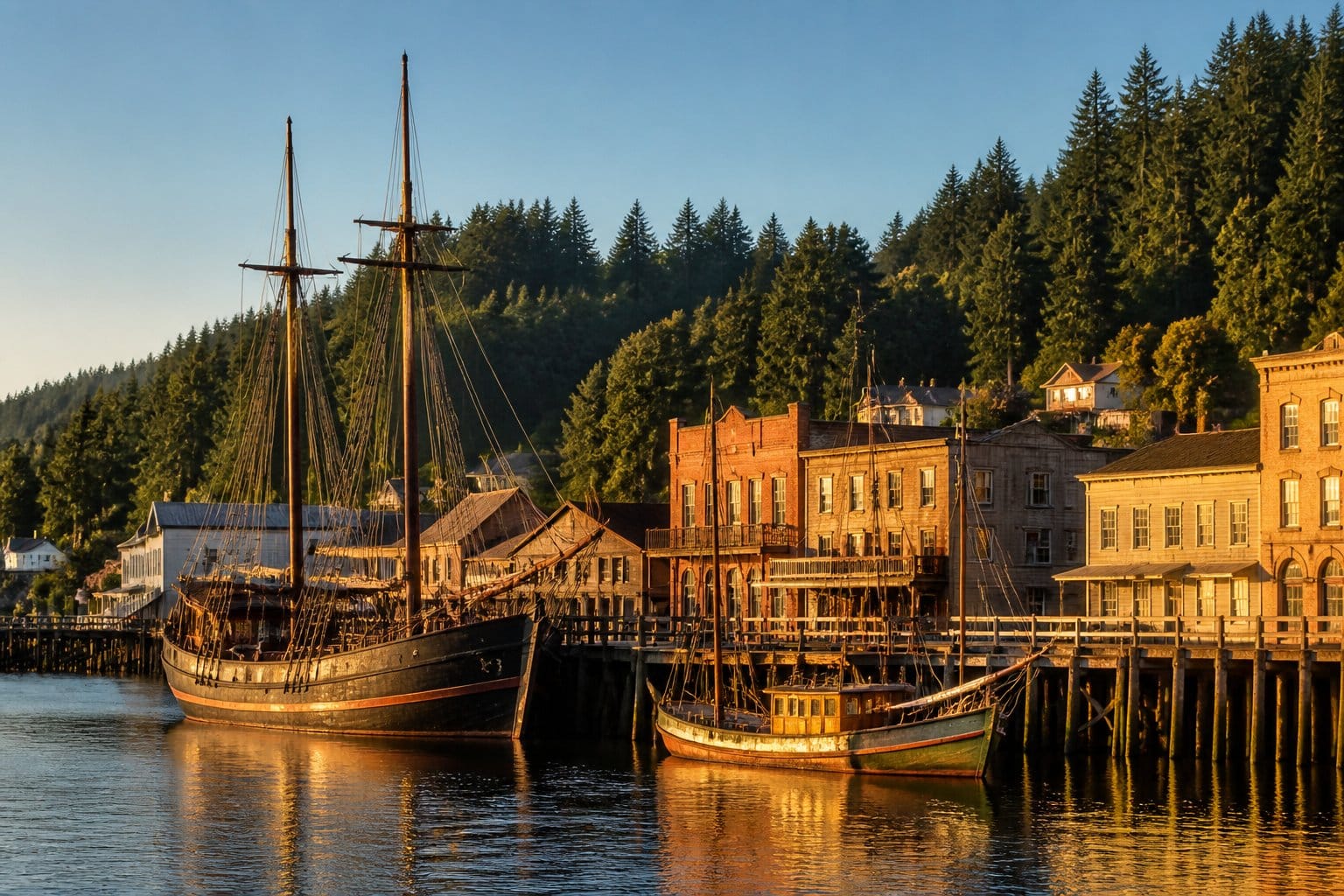
Astoria holds the distinction of being the first permanent American settlement west of the Rocky Mountains, a title that still carries real weight. It was founded in 1811 when John Jacob Astor's Pacific Fur Company sent traders to establish a post near the mouth of the Columbia River.
That makes Astoria older than the state of Oregon itself. Oregon didn't become a state until 1859, nearly five decades after Astoria was already operating as a fur trading hub.
If you're a history buff, this fact alone is reason enough to make the trip. The city's official history page describes how John Jacob Astor, a New York financier, sent fur traders here in 1811, setting the stage for everything that followed on the Oregon Coast.
Astoria Fact #3. The Astoria-Megler Bridge – Longest Continuous Truss Bridge in North America
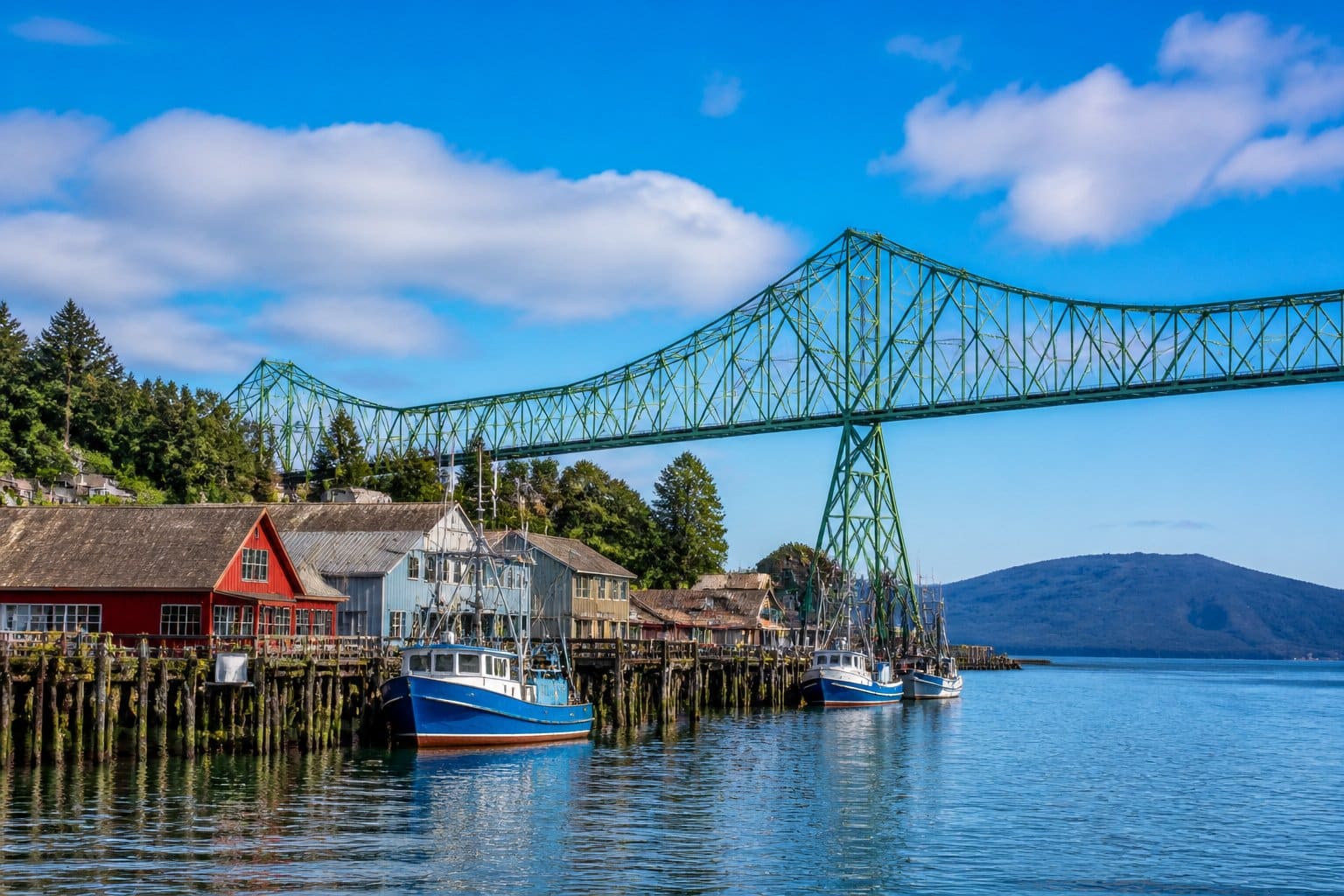
The Astoria-Megler Bridge stretches 4.1 miles across the Columbia River, connecting Astoria to Point Ellice near Megler, Washington. It opened in 1966 and holds the title of longest continuous truss bridge in North America.
When it was completed, it was actually the longest continuous truss bridge in the entire world. It held that record until Japan's Ikitsuki Bridge was built in 1991.
Driving across it is an experience in itself. The bridge climbs high enough to give you sweeping views of the river mouth and the Pacific horizon. For campers and road trippers heading between Oregon and Washington on Highway 101, this crossing is genuinely memorable.
Astoria Fact #4. Astoria – The Filming Location of “The Goonies”
If you grew up in the 1980s, there's a good chance Astoria already holds a special place for you. The classic 1985 adventure film The Goonies was shot on location in Astoria, and many of the filming locations are still standing and visitable today.
The Goonies house, the jail, the waterfront areas used as the “Goondocks” neighborhood, all of these spots draw visitors from across the country every year. You can view the famous house from the street, though it's a private residence so you'll need to stay on the sidewalk.
Astoria even has an annual Goonies Day celebration. The Oregon Film Museum in town has a dedicated section with props from the production. For families visiting with kids who've just discovered the film, this is a genuine highlight.
Astoria Fact #5. Astoria Column – A Tower with Stunning Views
The Astoria Column is a 125-foot concrete and steel tower sitting at the top of Coxcomb Hill, about 600 feet above sea level. It was built in 1926 and recently celebrated its centennial in early 2026.
Inside the column are 164 spiral steps leading up to an open observation deck. From the top, you can see the Columbia River, the Pacific Ocean, Young's Bay, the Coast Range, and the city of Astoria spread out below you.
The exterior features a hand-painted frieze that spirals around the tower, depicting key historical moments including the discovery of the Columbia River by Captain Robert Gray and the end of the Lewis and Clark Expedition. It's free to visit the park, though there's a small parking fee. A fun local tradition: buy a small balsa wood glider at the gift shop and launch it from the top.
Astoria Fact #6. Astoria's Thriving Craft Beer Scene
For a city of around 10,000 people, Astoria punches well above its weight in the craft beer department. Fort George Brewery, which opened in 2007, is arguably the anchor of the scene and operates out of a historic building in downtown Astoria with multiple taproom spaces.
The city also hosts the annual Pacific Northwest Brew Cup each September, a popular beer festival that draws brewers and enthusiasts from across the region.
If you're visiting and want to explore the beer scene, plan time for a riverfront walk between spots. Several breweries and taprooms sit within easy reach of each other in the downtown core, making for a pleasant afternoon even in typical coastal drizzle.
Astoria Fact #7. Columbia River Maritime Museum – A Comprehensive Maritime Museum
The Columbia River Maritime Museum is one of the most complete maritime museums anywhere on the West Coast. It sits right along Astoria's waterfront and covers the full sweep of Columbia River history, from Indigenous use and the fur trade era through the salmon canning boom and modern Coast Guard operations.
With 24,000 square feet of exhibit space, the museum is Oregon's official state maritime museum. It first opened in 1963 and moved to its current waterfront location in 1982.
The exhibits on the salmon canning industry are particularly interesting given that Astoria was once known as the “Salmon Capital of the World.” If you visit with kids, set aside at least a couple of hours. The interactive exhibits and real vessels on display hold attention well.
Astoria Fact #8. Scandinavian Heritage in Astoria – Celebrating with the Midsummer Festival
Astoria has deep Scandinavian roots. A significant wave of Nordic immigrants arrived in the late 1800s and early 1900s, drawn by fishing and timber industries that reminded them of home.
The Astoria Scandinavian Midsummer Festival has been running since 1968 and takes place on the third full weekend of June each year. It celebrates Norwegian, Swedish, Danish, and Finnish heritage through folk dance, traditional clothing, music, and food.
The festival is an Oregon Heritage Tradition and draws both locals and visitors who want a genuine cultural experience rather than a generic summer event. If your Oregon Coast trip falls in mid-June, timing your visit to catch it is absolutely worth doing.
Astoria Fact #9. Fort Clatsop – Home to Lewis and Clark During Winter
Fort Clatsop sits about five miles southwest of Astoria along the Lewis and Clark River, and it's where the Corps of Discovery spent the wet, difficult winter of 1805 to 1806. After completing their journey to the Pacific, Meriwether Lewis, William Clark, and their crew built this small wooden fort and sheltered there until March.
The original fort was long gone, but a reconstruction now stands at the site as part of Lewis and Clark National Historical Park. You can walk through it, talk to costumed interpreters, and get a real sense of just how miserable that winter was (it rained nearly every day).
For history-focused travelers, this stop pairs naturally with the Astoria Column and the Columbia River Maritime Museum for a full day of Oregon history. The National Park Service site at Fort Clatsop has current hours and program info.
Astoria Fact #10. Astoria – A Haven for Seafood Lovers
Fresh Dungeness crab is the signature dish of Astoria, and you can find it in restaurants, at the Sunday Market, and at waterfront seafood markets throughout the city. The cold, nutrient-rich waters where the Columbia River meets the Pacific produce some of the best shellfish on the Oregon Coast.
Beyond crab, the local seafood scene covers Chinook salmon, Pacific halibut, oysters, and clams. Astoria's waterfront restaurants offer a chance to eat the day's catch with a river view.
If you're visiting with a group, building your itinerary around the seafood is a genuinely good strategy. Grab crab at the Sunday Market, have fish tacos for lunch, and find a waterfront spot for dinner. The quality of the ingredients does most of the work.
Astoria Fact #11. Astoria Riverfront Trolley – A Scenic Ride Along the Columbia River
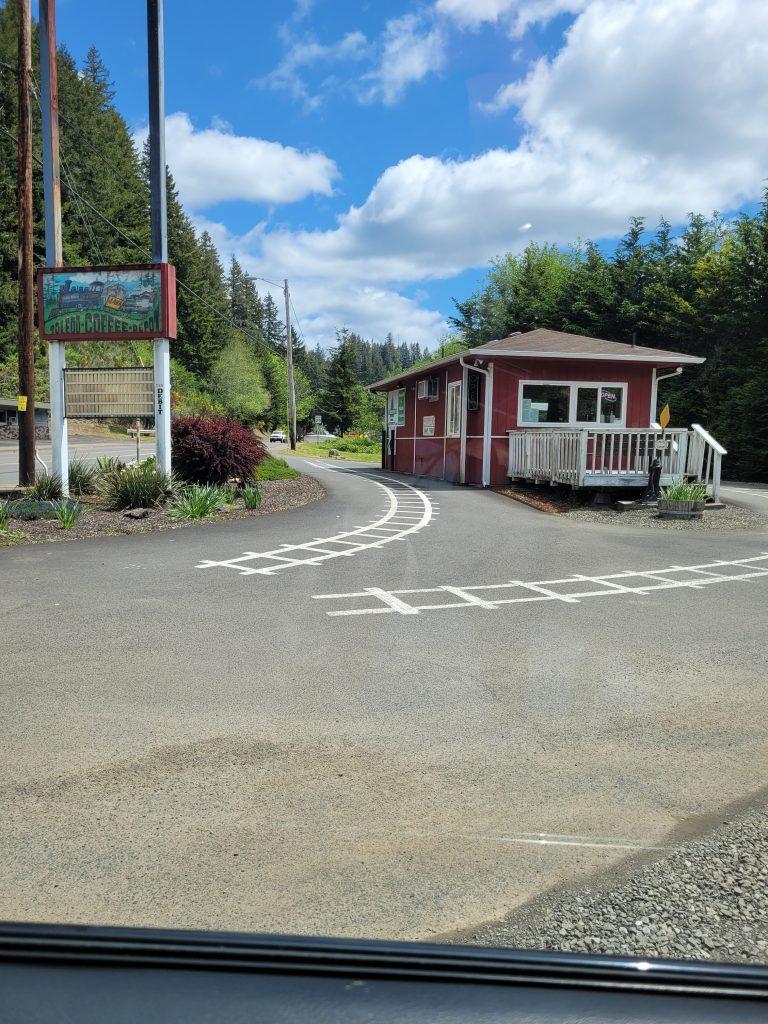
The Astoria Riverfront Trolley is a restored 1913 streetcar that runs about three miles along the south bank of the Columbia River. Known as “Old 300,” the car was originally built for the San Antonio Traction Company in Texas before making its way to Astoria in 1998.
The trolley is entirely volunteer-operated, and the fare is just $1 per boarding or $2 for an all-day hop-on, hop-off pass. The 2026 season runs from late March through early November.
For families, dog owners, and anyone who just wants to slow down and watch the river go by, this is one of the best $1 you'll spend on the Oregon Coast. The volunteers provide narration as you roll past fishing boats, waterfront breweries, and historic cannery buildings.
Astoria Fact #12. Flavel House Museum – A Preserved Mansion of a Prominent Leader
The Flavel House Museum is a beautifully preserved Queen Anne-style mansion built in 1885 for Captain George Flavel, one of Astoria's most influential figures. Flavel was a Columbia River bar pilot and one of the area's first millionaires.
The mansion takes up an entire city block and is considered one of the finest examples of Queen Anne architecture in the Pacific Northwest. Captain Flavel's descendants lived in the home until 1933, when the property was donated to the city of Astoria.
It's now operated by the Clatsop County Historical Society as a house museum. If you appreciate Victorian architecture or want to understand how the city's elite lived during its salmon-canning heyday, this is a worthwhile stop.
Astoria Fact #13. Peter Iredale Shipwreck – A Popular Tourist Attraction
The Peter Iredale was a British four-masted steel sailing ship that ran aground on Clatsop Beach on October 25, 1906, while trying to enter the Columbia River. The rusted remains of its bow and masts still jut out of the sand at Fort Stevens State Park, just south of Astoria near Warrenton.
More than a century later, the wreck is one of the most visited spots on the entire Oregon Coast. You can walk right up to it, touch it, and photograph it at any time. Sunset visits are particularly popular.
Fort Stevens State Park is about a 10-minute drive from downtown Astoria and is a great stop for campers already staying in the area. Bring the dog, bring the kids, and plan for some tide-influenced exploration around the wreck.
Astoria Fact #14. Astoria Riverwalk – A 6-Mile-Long Trail with Breathtaking Views
The Astoria Riverwalk runs 6.4 miles along the Columbia River waterfront, following the old Astoria and Columbia River Railroad corridor. It connects the port area on the west end to Lagoon Road on the east.
Along the way, you pass the Columbia River Maritime Museum, the Nordic Heritage Park, working fishing docks, waterfront restaurants, the Astoria-Megler Bridge underpass, and several historical markers. The surface is paved asphalt or wooden boardwalk throughout, making it accessible for strollers and bikes.
The Riverfront Trolley runs along a portion of the same corridor, so you can walk one direction and ride back. For road-tripping couples and families wanting a low-effort way to take in the waterfront, this trail is the starting point.
Astoria Fact #15. Astoria's Arts Scene – A Haven for Art and Music Lovers
Astoria has a genuine arts community that goes beyond what you'd expect from a coastal town of 10,000 people. Local galleries, working studios, and a city government that officially prioritizes arts support have all contributed to a creative culture here.
The annual Astoria Music Festival is a two-week event each summer showcasing classical and jazz performances. The Open Studios Tour, running for over 15 years, gives visitors a chance to see where local artists actually make their work.
If you're visiting in summer, check astoria.art for current events and exhibitions. The arts scene here feels organic rather than manufactured for tourism, which makes it more interesting to actually engage with.
Astoria Fact #16. Astoria Sunday Market – A Weekly Market with Over 200 Vendors
The Astoria Sunday Market runs every Sunday from Mother's Day in May through mid-October, from 10 a.m. to 3 p.m. in downtown Astoria. In 2026, the market celebrated 26 years of operation with over 220 vendors filling 12th Street and four surrounding city blocks.
Vendors sell fresh produce, locally made crafts, prepared food, art, and handmade goods. Live music plays throughout the morning. The market was started in 2000 with just a handful of sellers and has grown steadily into one of the Oregon Coast's most well-attended weekly events.
If your visit falls on a Sunday between May and October, start your day here before hitting the waterfront. It's a good place to pick up picnic supplies for a beach or park afternoon, and the food options cover everything from crab dishes to wood-fired bread.
Astoria Fact #17. Astoria Warrenton Crab, Seafood, and Wine Festival – A Celebration of Local Seafood and Wine
The Astoria Warrenton Crab, Seafood, and Wine Festival takes place on the last weekend of April each year at the Clatsop County Fair and Expo Center, just outside of Astoria. It has been running annually since 1982, making it one of the longest-running food festivals on the Oregon Coast.
The event features fresh Dungeness crab, Oregon wines, local craft beers, artisan vendors, and live music across multiple stages. Around 10,000 people attend each year, and roughly 150 vendors participate.
It's one of the best-timed events on the coast, sitting right at the start of Dungeness crab season when the catch is fresh and plentiful. If you're planning a late April road trip and love seafood, building your trip around this festival is an easy decision.
Astoria Fact #18. Columbia River Bar – One of the Most Dangerous Navigational Hazards in the World
The Columbia River Bar is the stretch of water at the mouth of the Columbia River where powerful river currents collide with Pacific Ocean swells. It's known as the “Graveyard of the Pacific” and has earned a reputation as one of the most hazardous bar crossings in the world.
Since 1792, the bar has been responsible for approximately 2,000 vessel losses and 700 deaths. The combination of shifting sandbars, unpredictable currents, and fierce wind creates conditions that have challenged mariners for centuries.
The U.S. Coast Guard maintains a station in Astoria specifically to monitor the bar and respond to emergencies. The Columbia River Bar Pilots have operated since 1846 to guide ships safely across. The Columbia River Maritime Museum covers this history in detail, including dramatic rescue operations.
Astoria Fact #19. Liberty Theater – A Restored 1920s-Era Movie Palace with Live Performances
The Liberty Theatre in downtown Astoria opened in April 1925, just over two years after a devastating fire destroyed much of the city's downtown. It was designed in an Italian Renaissance style and served as a vaudeville house and silent movie palace.
In 2025, the Liberty celebrated its 100th anniversary. The theater was restored in the mid-2000s by Liberty Restoration, Inc., a nonprofit organization. It's now considered one of the only 1920s-era movie palaces in Oregon outside of Portland and Salem to be restored to its original decorative architecture.
Today the Liberty operates as a performing arts center hosting live theater, concerts, dance performances, and community events. If you're in Astoria for a weekend, checking the Liberty's schedule is a good idea. The building is worth seeing even just for its architecture.
Astoria Fact #20. Cannery Pier Hotel – A Unique Hotel with Stunning Views
The Cannery Pier Hotel and Spa sits 600 feet out into the Columbia River on a former cannery pier, directly on the site of the old Union Fishermen's Cooperative Packing Company. Every room in the hotel faces the river and offers views of the Astoria-Megler Bridge.
It's one of the most distinctive hotel locations on the entire Oregon Coast. Guests can watch ships, fishing boats, sea lions, and bald eagles from their rooms or from the hotel's outdoor deck areas. The hotel includes spa services, a fitness center, and Bar 600 for dining on site.
If you're visiting Astoria for a special occasion or just want to splurge on one night of the trip, this is the spot. The combination of history, setting, and river views makes it genuinely unlike anything else in the Pacific Northwest.
Visit Astoria Today
Astoria delivers a lot for a small city. History, seafood, film locations, craft beer, live music, and some of the most dramatic scenery on the Pacific Coast all share the same few square miles.
For families, the combination of Fort Clatsop, the Peter Iredale shipwreck, the Riverfront Trolley, and the Sunday Market covers multiple days without any overlap. Couples will find the waterfront restaurants, the Liberty Theatre, and the Cannery Pier Hotel more than enough to fill a long weekend. Campers and road trippers get Fort Stevens State Park, the Riverwalk, and easy access to the rest of the Oregon Coast.
The best time to visit is late spring through early fall, when the Sunday Market is running, the trolley is operating, and the Crab Festival and Midsummer Festival both fall within the season. That said, Astoria in the off-season has its own appeal. Fewer crowds, cheaper accommodations, and the moody coastal atmosphere that makes the city feel genuinely lived-in.
Plan at least two nights to give yourself time to actually explore rather than rush. Check Travel Astoria for current events and trip planning resources before you go.
Frequently Asked Questions
Where is Astoria Located, and What State Is It In?
Astoria is located in the northwestern corner of Oregon, at the point where the Columbia River meets the Pacific Ocean. It sits in Clatsop County, about 90 miles northwest of Portland via Highway 30 or Highway 26.
What Is Astoria Most Famous For?
Astoria is most famous for being the filming location of the 1985 film The Goonies, as well as being the oldest American settlement west of the Rocky Mountains. It's also well known for its maritime history, fresh Dungeness crab, the Astoria-Megler Bridge, and the Astoria Column.
Why Is the City Named Astoria?
Astoria was named after John Jacob Astor, the wealthy New York financier who funded the Pacific Fur Company's expedition to establish a trading post at the mouth of the Columbia River in 1811. The original settlement was called Fort Astoria, and the name carried forward as the city developed.
What Is the Astoria Column, and Why Is It Significant?
The Astoria Column is a 125-foot concrete tower built in 1926 on top of Coxcomb Hill. It features a hand-painted spiral frieze depicting key moments in Pacific Northwest history, and its observation deck offers panoramic views of the Columbia River, Pacific Ocean, and surrounding landscape. It celebrated its 100th anniversary in 2026.
What County Is Astoria In?
Astoria is the county seat of Clatsop County, Oregon. Clatsop County is named after the Clatsop people, a Chinook-speaking tribe who lived in the region long before European and American settlement.
What Are the Top Historical Facts About Astoria's Founding and Early Settlement?
Astoria was founded in 1811 by John Jacob Astor's Pacific Fur Company, making it the first permanent American settlement west of the Rocky Mountains and the oldest city in Oregon. Lewis and Clark had already explored the area during their expedition, wintering nearby at Fort Clatsop in 1805 to 1806. The city grew slowly until the 1870s, when the salmon fishing and canning industry sparked rapid development along the Columbia River waterfront.