Storm Watching Near Manzanita: Safe Places and Smart Timing
This post may contain affiliate links. I may earn a small commission at no extra cost to you.
Why Manzanita Became a Storm-Watching Hub
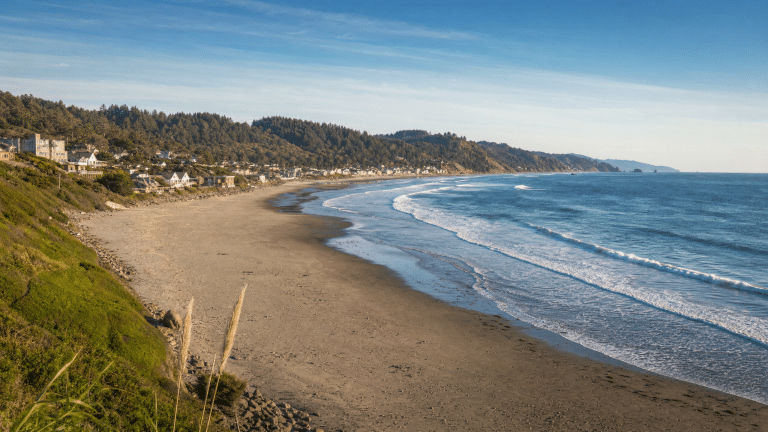
Manzanita, a quiet village of roughly 600 year-round residents on Tillamook County's north coast, sits in a geographic sweet spot for storm observation. The town faces northwest, directly into the Pacific's winter storm track. Unlike exposed southern Oregon beaches, Manzanita's crescent bay and surrounding headlands create natural wind tunnels and wave-amplification zones that turn ordinary winter swells into spectacular visual events. Local surfers have known this for decades, but storm watching as a recreational activity really took off in the 1990s when winter storm forecasting became more precise and accessible to the general public.
The appeal is straightforward: you get to witness raw oceanic power—waves 20 to 40 feet tall, wind gusts exceeding 50 mph, and dramatic cloud formations—from a relatively safe distance. But “relatively safe” requires planning. The Oregon Coast has a sobering history of storm-watching deaths, most caused by visitors ignoring warning signs, underestimating wave heights, or positioning themselves on exposed rocks or jetties during peak storm surge.
The Safe Viewpoint Strategy: Elevation and Legal Access
The golden rule of storm watching near Manzanita is simple: stay elevated, stay legal, and stay off the beach during active storm conditions. Here are the primary safe viewing zones:
Manzanita Headlands Park
Manzanita Headlands Park, located at the north end of town, is your primary storm-watching asset. This 33-acre park sits atop a 200-foot bluff and offers multiple elevated overlooks with clear sightlines to the open ocean and Neahkahnie Mountain. The park's paved paths and observation areas keep you well above the reach of rogue waves and storm surge. During winter storms, the headlands experience significant wind, but you're protected by the topography itself. Parking is available year-round, though spaces fill quickly during major storm events (typically December through February). Arrive by 7:00 a.m. on forecast storm days if you want a guaranteed spot.
The park is free and open to the public during daylight hours. No permit is required. The main loop trail is roughly 1.5 miles and takes 45 minutes at a leisurely pace; shorter spur paths to specific overlooks take 10–15 minutes.
Neahkahnie Mountain Viewpoint
Neahkahnie Mountain rises 1,661 feet directly south of Manzanita and offers panoramic views of the entire north coast. The summit hike is steep (4.2 miles round trip, 1,400 feet elevation gain) and not recommended during active storms, but the lower viewpoints accessible via the main trail provide excellent storm-watching vistas without the summit commitment. The trailhead is located off Highway 101, roughly 3 miles south of Manzanita. Parking is free but limited; arrive early or plan for overflow parking along the highway shoulder (legal in this section).
The advantage of Neahkahnie is elevation and distance from the coast itself. You're viewing storms from 600–800 feet up, with a clear panoramic perspective. The disadvantage is exposure to wind and weather; the mountain's upper sections are fully exposed, and visibility can deteriorate quickly during heavy precipitation.
Manzanita Wayfarer Park and Beach Access (Limited)
Manzanita's main beach access point, Wayfarer Park, sits at sea level and is technically accessible during storms, but it is not recommended for storm watching. The beach itself is wide and sandy, but during winter storm surge, wave run-up can extend well beyond normal tide lines. Storm surge combined with high tides can create dangerous conditions even on the beach proper. If you choose to visit the beach during a storm, do so only during low tide, stay well back from the water's edge, and never position yourself on the jetty or rocky outcrops at either end of the beach.
Timing: When to Go and When to Stay Home
Oregon Coast winter storms follow predictable seasonal patterns. The peak storm-watching season runs from November through February, with the most dramatic conditions typically occurring in December and January. However, individual storms can be forecast only 5–7 days in advance with high confidence.
How to Forecast Your Storm
NOAA's National Weather Service (weather.gov) provides the most reliable storm forecasts for the Oregon Coast. Check the marine forecast and coastal hazard statements 7–10 days out for preliminary indications. The marine forecast specifically mentions wave heights, wind speeds, and timing. A forecast of 20+ foot waves and 40+ mph winds indicates a significant storm-watching event.
For real-time conditions on your viewing day, check the NOAA marine forecast update at 4:00 a.m. and again at 10:00 a.m. Wave heights can change 5–10 feet between forecast updates as storms approach or weaken. Wind direction matters too: storms with strong northwest winds create the most dramatic visual effects near Manzanita because the wind and waves align with the bay's orientation.
If the forecast calls for wind gusts above 60 mph or wave heights exceeding 35 feet, consider watching from indoors or postponing your visit. At those intensities, even elevated viewpoints become uncomfortable and potentially hazardous due to wind-driven spray and debris.
Optimal Viewing Windows
Most winter storms on the Oregon Coast peak during daylight hours (8:00 a.m.–4:00 p.m.), making daytime viewing both safer and more visually rewarding. Arrive at your chosen viewpoint 1–2 hours before the forecast peak to secure parking and position yourself comfortably. Bring layers: even though you're elevated and protected, winter coastal wind chill can drop effective temperatures 15–20 degrees below the forecast high.
Practical Planning: Parking, Lodging, and Preparation
Parking During Storm Events
Manzanita Headlands Park has roughly 40 parking spaces. During major storm forecasts (typically announced 3–5 days in advance), spaces fill by 8:00 a.m. on the viewing day. Overflow parking is available along Carmel Avenue (the main access road) and at nearby Manzanita Community Park, about 0.3 miles south. Both overflow areas are free and legal. From overflow parking, it's a 10-minute walk to the main headlands viewpoints.
Neahkahnie Mountain trailhead parking is smaller (roughly 20 spaces) and fills even faster. Highway 101 shoulder parking is legal in this section but can be tight during peak storm days. Plan to arrive by 6:30 a.m. if you want a guaranteed spot.
Where to Stay
Manzanita has limited lodging (roughly 200 rooms across hotels, vacation rentals, and B&Bs). During winter storm events, rooms book weeks in advance. If you're planning a dedicated storm-watching trip, book accommodations 4–6 weeks ahead. Lodging with ocean views or elevated positions offers the added benefit of watching storms from your room during breaks in your outdoor viewing.
Nearby towns—Cannon Beach (12 miles north) and Tillamook (20 miles inland)—offer more lodging options but require a 20–30 minute drive to Manzanita's viewpoints. Early morning starts (5:30–6:00 a.m.) are essential if you're staying outside town.
Essential Gear and Clothing
Winter coastal storms bring wind, spray, and precipitation. Waterproof, windproof outerwear is non-negotiable. A quality weatherproof jacket rated for 40+ mph winds will keep you comfortable during extended viewpoint time. Layering underneath (merino wool or synthetic base layer, fleece mid-layer) is more effective than a single heavy coat because you can adjust as you move between exposed and sheltered areas.
Binoculars or a telephoto camera lens dramatically enhance storm watching. Waves, spray patterns, and atmospheric details become far more engaging when magnified. Compact binoculars (10×42 or 8×42) are ideal because they're lightweight and don't require a tripod in moderate wind.
Bring a thermos of hot coffee or tea, snacks, and a fully charged phone. Storm watching is a waiting game; comfort matters. Your phone's weather app and NOAA alerts are your safety net, so ensure your battery lasts your entire viewing session.
Safety Rules That Actually Matter
1. Never position yourself on jetties, rocky outcrops, or the beach during active storm conditions. Rogue waves and surge can appear without warning. Elevated viewpoints only.
2. Respect all warning signs and barriers. If a park closes a trail or viewpoint during a storm, that closure exists because someone was injured or nearly injured in that exact spot previously.
3. Do not turn your back to the ocean while on the beach. If you do visit the beach during a storm (low tide only), maintain constant visual awareness of wave patterns. Sneaker waves—unexpectedly large waves that surge far beyond normal wave run-up—are real and have killed people on the Oregon Coast.
4. Check tide tables before you go. Storm surge combined with high tide creates the most dangerous conditions. Storm watching during low tide is significantly safer.
<!– ocj-affiliate-inline:ocj_coast_gear_checklist –>
Oregon Coast weather can change quickly, and beach approaches can be wet, sandy, or uneven. The right layers, footwear, and day-pack basics make the visit more comfortable. This can be especially useful around the North Coast when weather, daylight, and driving time affect the plan.
Gear that makes this stop easier
Oregon Coast weather can change quickly, and beach approaches can be wet, sandy, or uneven. The right layers, footwear, and day-pack basics make the visit more comfortable.
This article may contain affiliate links. Oregon Coast Journey may earn a commission if you book or buy through these links, at no extra cost to you.
See coast-ready gear ideas through approved partners such as REI Co-op, Amazon Associates.
5. Leave if conditions worsen unexpectedly. Forecasts can be wrong. If wind or waves exceed your comfort level, leave the viewpoint immediately. There's no shame in safety.
FAQ: Storm Watching Near Manzanita
Q: Is storm watching legal near Manzanita? A: Yes, viewing storms from public parks and elevated viewpoints is entirely legal. Stay off private property, respect park hours and closures, and never trespass on private land to access a viewpoint.
Q: What's the difference between a winter storm and a regular winter swell? A: A winter storm is a weather system that produces waves, wind, and precipitation simultaneously. A regular swell is just wave energy without the associated wind and weather. Storm watching combines both; regular swell watching focuses on waves alone. The best storm-watching events feature both 25+ foot waves and 40+ mph winds.
Q: Can I storm watch with kids? A: Yes, but only from elevated, protected viewpoints like Manzanita Headlands Park. Keep children close, ensure they understand wave danger, and bring extra layers and snacks to keep them comfortable during extended viewing. Young children (under 8) may lose interest quickly, so plan for a 1–2 hour visit rather than an all-day event.
Q: What months have the best storm-watching conditions? A: December and January typically feature the most frequent and intense storms. However, individual major storms can occur any month from November through March. Check the forecast 7–10 days out rather than planning around a specific month.
Q: Do I need a permit or reservation to storm watch at Manzanita Headlands Park? A: No. The park is free, open to the public, and requires no permit or reservation. Arrive early during forecast storm days to secure parking.
The Bigger Picture: Why Storm Watching Matters
Storm watching is more than a thrill-seeking activity. It's a direct encounter with climate and oceanography in real time. Winter storms on the Oregon Coast are driven by the same atmospheric systems that influence weather across the Pacific Northwest and beyond. Watching a storm develop and peak teaches you something tangible about how weather systems move, intensify, and dissipate. For many visitors, storm watching becomes a gateway to deeper interest in meteorology, oceanography, and coastal geology.
Manzanita's particular value as a storm-watching destination lies in its combination of accessibility, safety infrastructure, and dramatic visual impact. The headlands park exists specifically to offer public access to coastal views without requiring risky beach exposure. Use it thoughtfully, respect the ocean's power, and you'll have a memorable experience that's both exhilarating and genuinely safe.