How to Add Cape Perpetua to an Oregon Coast Road Trip
This post may contain affiliate links. I may earn a small commission at no extra cost to you.
Cape Perpetua as Your Central Coast Road-Trip Anchor
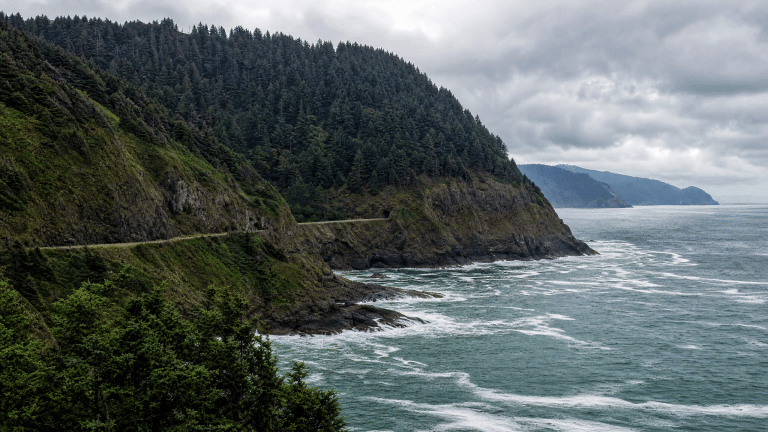
Cape Perpetua sits at mile marker 168 on U.S. Highway 101, roughly 40 miles south of Salem and 25 miles north of Florence. For road-trippers, it functions as a natural hub: a 0.8-mile scenic drive gains 800 feet of elevation and opens onto the highest viewpoint on the Oregon Coast. On clear days, you can see 40 miles in both directions. But the cape is far more than a quick pullout. Understanding drive timing, seasonal parking pressure, tide schedules, and nearby stops transforms a 30-minute visit into a strategic, multi-hour experience that fits naturally into a larger coastal loop.
Drive Times and Regional Context
From Salem, expect 75 to 90 minutes to reach the Cape Perpetua Scenic Area parking lot. From Portland, plan 2.5 to 3 hours. From Eugene, allow 2 hours. From Florence to the south, it's only 25 minutes. These times assume Highway 101 is clear; summer traffic and occasional closures can add 20 to 40 minutes. If you're building a multi-day road trip, Cape Perpetua works best as a mid-day or afternoon stop when traveling between the northern coast (Cannon Beach, Yaquina Head) and the southern coast (Sea Lion Caves, Heceta Head, Jessie M. Honeyman State Park).
The scenic drive itself—from Highway 101 up to the viewpoint—takes 5 to 10 minutes depending on traffic and photo stops. The road is paved but narrow, with limited pullouts. If you're towing an RV or driving a large vehicle, you'll want to use the lower parking area and hike the 0.4-mile paved trail to the viewpoint instead of driving the upper loop.
<!– ocj-affiliate-inline:ocj_rv_road_trip_finder –>
Some Oregon Coast routes work especially well when your lodging travels with you. Compare RV rentals by location and size, then confirm campground rules and parking limits before booking. This can be especially useful around the Central Coast when weather, daylight, and driving time affect the plan.
Turn this route into an RV coast trip
Some Oregon Coast routes work especially well when your lodging travels with you. Compare RV rentals by location and size, then confirm campground rules and parking limits before booking.
This article may contain affiliate links. Oregon Coast Journey may earn a commission if you book or buy through these links, at no extra cost to you.
Compare RV rentals for this route through approved partners such as RVshare.
Seasonal Parking Strategy and Summer Realities
Cape Perpetua's parking lot fills quickly during summer weekends and holidays. The main parking area holds roughly 100 vehicles; overflow parking is limited. Arrive by 9:00 a.m. or after 4:00 p.m. if you want a guaranteed spot. On peak days (July 4th week, mid-August), even early arrival doesn't guarantee parking. The Oregon Parks and Recreation Department does not operate a reservation system for day-use parking at Cape Perpetua, so first-come, first-served is the rule.
If the lot is full, you have three options: (1) park at nearby Spouting Horn trailhead, 1 mile south, and walk back along Highway 101's shoulder (not ideal with children); (2) return in the evening when families leave; or (3) build Cape Perpetua into an overnight camping plan (see below). Many experienced coast-trippers schedule Cape Perpetua as an early-morning stop before heading to busier attractions like Sea Lion Caves, which also experience midday congestion.
Tide-Dependent Viewpoints and Timing
Cape Perpetua's most dramatic features—Thor's Well, Spouting Horn, and Wave Viewpoint—are tide-dependent. Thor's Well, a sinkhole that appears to drain the ocean, is most visually striking during incoming tides and high-energy swell. Spouting Horn, where waves compress into a rock channel and spray 60 feet into the air, is most active during high tide and larger swell. The Wave Viewpoint shows dramatic wave action during mid to high tide.
Check tide tables before visiting. NOAA's tide predictions for Yaquina Head (nearest station) are available at tides.noaa.gov. Plan to arrive within 2 hours of high tide for the best photo opportunities. Summer high tides typically occur between 10:00 a.m. and 2:00 p.m., which aligns well with road-trip scheduling. If you're visiting during a neap tide (smallest tidal range), the features are less dramatic; plan around spring tides (largest range) for the most impressive displays.
Wave height also matters. Check NOAA's marine forecasts or local surf reports the night before. A 6- to 8-foot swell combined with high tide produces the most dramatic spray and action. Calm conditions make the features underwhelming, even at high tide.
RV and Large-Vehicle Logistics
The upper scenic drive loop is not recommended for RVs over 24 feet or vehicles towing trailers. The road narrows, has tight switchbacks, and limited turnaround space. Instead, park at the main lot (which accommodates RVs up to 32 feet in designated spaces) and hike the 0.4-mile paved trail to the viewpoint. The trail is steep but fully paved and takes 10 to 15 minutes each way.
If you're planning an overnight stay, Cape Perpetua does not offer RV hookups at its day-use area. However, three nearby options serve the area: (1) Sea Perch RV Park in Yachats, 8 miles north, offers full hookups and ocean views; (2) Carl G. Washburne Memorial State Park, 15 miles north near Mapleton, has a small RV loop; and (3) Jessie M. Honeyman State Park, 25 miles south near Florence, offers full-hookup RV sites. All three are within 30 minutes of Cape Perpetua and provide a strategic base for exploring the central coast.
Nearby Stops and Sequencing
Cape Perpetua is most valuable when paired with nearby attractions. North of the cape, plan stops at Yaquina Head Lighthouse (10 miles north, 20 minutes), where you can climb the tower and observe sea lions and puffins. The Heceta Head Trail (5 miles north, 15 minutes) offers a moderate 1.3-mile loop with sea-cave views. The Sea Lion Caves (12 miles north, 25 minutes) are the largest sea cave in North America; plan 1 to 2 hours including parking and cave time.
South of Cape Perpetua, the Thor's Well and Spouting Horn area (already at the cape) should take 1 to 2 hours. The Heceta Head Lighthouse Trail (8 miles south, 15 minutes) is a short, rewarding walk. Sea Lion Point (10 miles south, 20 minutes) offers tide-pool access and sea lion viewing. Jessie M. Honeyman State Park (25 miles south, 40 minutes) features sand dunes, a freshwater lake, and beach access.
A full-day road trip might look like this: depart Salem at 7:00 a.m., arrive Cape Perpetua by 9:00 a.m., spend 1.5 hours at the cape (timed with high tide), drive to Yaquina Head Lighthouse (20 minutes), spend 1.5 hours there, lunch in Yachats (30 minutes), return to Cape Perpetua for late-afternoon light and second-tide viewing (1 hour), then continue south to Florence for dinner and overnight. This sequence avoids peak midday parking pressure and captures the cape's features during optimal tide and light conditions.
Safety and Weather Considerations
Cape Perpetua's coastal cliffs are dramatic and unforgiving. The viewpoints have low railings or none; children and pets require constant supervision. Wave splash can reach 20 feet beyond the marked safety zone. Never turn your back to the ocean or venture beyond barriers. Slippery rocks claim lives every year on the Oregon Coast; assume wet surfaces are treacherous even when they look dry.
Summer weather at the cape is unpredictable. Expect morning fog that burns off by noon, afternoon wind, and sudden temperature drops of 15 to 20 degrees. Bring layers: a t-shirt, a fleece, and a windbreaker. The viewpoint is fully exposed; there's no shelter. Sunscreen and a hat are essential. Afternoon thunderstorms are rare in summer but possible; if you see dark clouds building, leave the viewpoint and move to your vehicle.
Parking-lot safety: leave valuables out of sight. The lot is generally well-patrolled by park rangers, but car break-ins do occur. Lock your vehicle and take cameras, wallets, and phones with you on hikes.
Restroom and Amenity Expectations
The Cape Perpetua Scenic Area has a small visitor center with restrooms, water fountains, and interpretive displays. Restrooms are typically clean and open year-round during daylight hours. There is no food service at the cape. The nearest restaurants and coffee shops are in Yachats (10 miles north) or Florence (25 miles south). Pack snacks and water if you plan to spend more than 2 hours at the cape.
Gas stations are located in Yachats and Florence. If you're driving an RV or large vehicle, refuel before arriving at Cape Perpetua; the nearest fuel south of Yachats is in Florence, 40 miles away.
Planning for RV and Road-Trip Essentials
If you're planning a multi-day central coast road trip with an RV or rental car, consider these logistics early. Rental cars are available in Salem, Eugene, and Portland; booking 2 to 3 weeks ahead during summer ensures better rates and vehicle availability. If you're towing an RV, confirm your vehicle's capacity and trailer brake requirements before booking. RV rentals in Oregon typically include basic camping gear; confirm what's included (bedding, kitchen supplies, propane) to avoid last-minute shopping.
Lodging near Cape Perpetua ranges from oceanfront hotels in Yachats ($120–$200/night in summer) to state-park campgrounds ($25–$45/night) to private RV parks ($40–$65/night with hookups). Book accommodations 4 to 6 weeks ahead for July and August. Many families find a 2-night stay (one night north of the cape, one night south) allows a relaxed pace and captures the cape's features during optimal tides and light.
Practical Road-Trip Sequencing Tips
Timing is everything at Cape Perpetua. Check tide tables and swell forecasts the night before your visit. Plan to arrive at the cape during the 2-hour window around high tide. If you're visiting with young children or less-mobile family members, the paved 0.4-mile trail to the main viewpoint is sufficient; you don't need to hike the longer backcountry trails. If you're visiting on a holiday weekend, arrive by 8:30 a.m. or plan to visit on a weekday if possible.
The cape works best as part of a larger loop: either a day trip from Salem/Eugene combining the cape with Yaquina Head and Florence, or a 2- to 3-day central coast itinerary that includes the cape, nearby lighthouses, tide pools, and state parks. Solitary visits to Cape Perpetua often feel rushed; the real value emerges when you build it into a strategic road-trip plan.
Frequently Asked Questions
What's the best time of day to visit Cape Perpetua?
Arrive between 9:00 a.m. and 11:00 a.m. to secure parking and time your visit with high tide (typically mid-morning in summer). Afternoon visits risk full parking lots and lower tide. Sunset visits (6:00–8:30 p.m. in summer) offer dramatic light but require planning for dark return drives.
Can I drive my RV up to the viewpoint?
RVs over 24 feet should not attempt the upper scenic loop. Park in the main lot and hike the 0.4-mile paved trail instead. The trail is steep but accessible and takes 10 to 15 minutes each way.
Is Cape Perpetua safe for young children?
Yes, with constant supervision. The main viewpoint has low or no railings. Keep children within arm's reach. The paved trail is safe and suitable for strollers (though steep). Avoid rocky tide-pool areas unless children are confident swimmers and you're watching from within 3 feet.
How long should I spend at Cape Perpetua?
Plan 1.5 to 2 hours to see the main viewpoints, visitor center, and nearby trails. If you're hiking the longer backcountry trails (Thor's Well, Spouting Horn loop), add 2 to 3 hours. As part of a road trip, 1 to 1.5 hours is typical.
What should I bring to Cape Perpetua?
Layers (fleece, windbreaker), sunscreen, hat, water, snacks, camera, and sturdy shoes. There's no food service. Restrooms are available at the visitor center. Bring a tide table or check NOAA's website before visiting to time your visit with high tide.
Editorial transparency
This article was drafted with AI assistance and reviewed through Oregon Coast Journey publishing safeguards. Always confirm current conditions before traveling.