Boardman Corridor Weekend Itinerary: 2-Day Guide
This post may contain affiliate links. I may earn a small commission at no extra cost to you.
Planning Your Samuel H. Boardman Weekend: The Setup
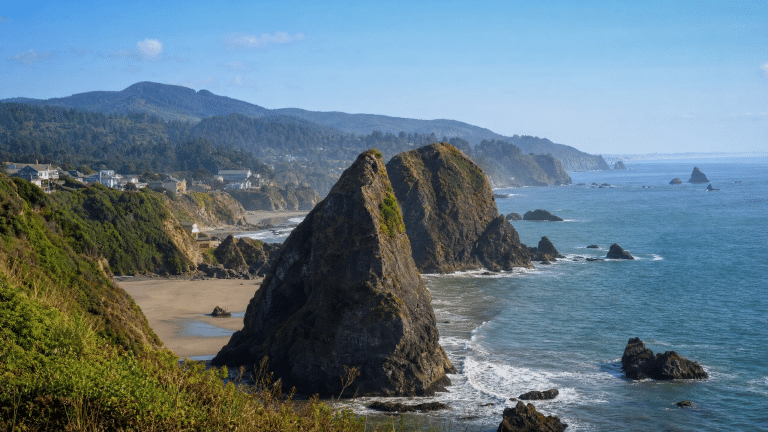
The Samuel H. Boardman Scenic Corridor is a 12-mile stretch of the Oregon Coast south of Coos Bay, between Cape Arago and the town of Bandon. It's one of the most photographed sections of the Pacific Northwest, but the real secret isn't the views—it's understanding when to see them, where to park without circling for 20 minutes, and what geological story each dramatic rock formation actually tells.
First-time visitors often treat the corridor as a scenic drive-through, stopping at the most obvious pullouts during midday when light is flat and parking is chaotic. This itinerary flips that approach: it prioritizes early-morning and late-afternoon light, reveals the least-crowded access points, builds in family-friendly pacing with food and rest stops, and includes weather contingencies because the Oregon Coast changes mood in minutes.
Day One: Arrival and the Northern Section
Morning arrival (8:00–10:30 a.m.): If you're driving from Portland or Salem, aim to arrive at the corridor's northern entrance near Coos Bay by mid-morning. Start at Cape Arago State Park, about 15 minutes west of Coos Bay. This is not technically part of Boardman, but it's the natural entry point and far less crowded than the main corridor pullouts. The three-loop coastal trail offers tide-pool access and a gentle warm-up for the day. Parking fills by 11 a.m. on weekends, so arrive early. Check tide tables beforehand—low tide between 8 a.m. and noon on your visit day unlocks the tide pools at Haystack Rock and the smaller pools along the loop trail.
Mid-morning (10:30 a.m.–12:30 p.m.): Drive south on U.S. 101 and enter the Boardman Corridor proper. Your first major stop is Sunset Bay State Park, a sheltered cove with a sandy beach, picnic tables, and restrooms. This is your family-friendly anchor. Unlike the dramatic cliff-edge pullouts, Sunset Bay is safe for young children, offers shade, and has a small store. Spend 45 minutes here: let kids play, grab coffee or snacks, and use the facilities. The beach faces southwest, so the afternoon light here is warm but not optimal for photography.
Continue south 2 miles to Shore Acres State Park, home to an ornamental garden perched 200 feet above the ocean. This is a hidden gem that many corridor visitors skip. The gardens were planted in 1907 by a timber baron and are maintained by Oregon Parks and Recreation. Entry is $5 per vehicle. Spend 30–45 minutes walking the loop. The vantage points offer dramatic views of the rocky coastline below, and the manicured setting provides a mental break from the raw wilderness. On clear days, you can see 40 miles south.
Lunch (12:30–1:30 p.m.): Exit the parks and drive 10 minutes south to the town of Coos Bay or North Bend. Grab lunch at a local spot—this breaks the day, lets kids recharge, and avoids the 2–4 p.m. tourist surge at the corridor pullouts. Coos Bay has several family-friendly restaurants and a grocery store if you want to stock snacks for the next day.
Afternoon (1:30–5:00 p.m.): Return to the corridor and focus on the central section, where the most dramatic formations cluster. Park at Spouting Horn Wayside (the northernmost pullout in the main corridor, just south of Shore Acres). This small parking area overlooks a rocky cove where waves compress into narrow channels and spray upward—hence the name. Arrive before 2 p.m. to secure a spot. Spend 20 minutes here. The view is best during high tide or rough seas, so check the forecast.
Continue south 1 mile to Cape Cove, a smaller, less-crowded pullout with a short 0.3-mile trail to a rocky overlook. This is where you start to see the geological pattern: the corridor's rocks are part of the Coos Formation, a 30-million-year-old sequence of sandstone and siltstone that was uplifted and fractured by tectonic activity. The columnar basalt and sea stacks you see are the result of differential erosion—softer rock wears away faster, leaving harder formations standing. Cape Cove's trail is quiet and offers a genuine sense of exploration.
Your final stop of the day is Sunset Rock Wayside, the most famous pullout. Arrive by 4:30 p.m. to catch golden-hour light. This pullout is small and fills quickly, but the view is worth the wait: a massive sea stack with a natural arch, framed by golden cliffs. The rock's name comes from its west-facing orientation. Spend 30 minutes here, and if you have a camera, this is your money shot. The light between 4:45 and 5:15 p.m. is ideal.
Evening (5:00–8:00 p.m.): Drive 15 minutes south to Bandon, a small coastal town with hotels, vacation rentals, restaurants, and a genuine small-town vibe. Bandon is your base for the night. Settle into your accommodation, grab dinner at a local restaurant (Edgewaters and Tony's Crab Shack are popular), and rest. If you're camping, Bandon Dunes Golf Resort has an RV park, or Bullards Beach State Park (5 miles north) offers campground sites with ocean views.
Day Two: The Southern Section and Hidden Gems
Early morning (7:00–9:00 a.m.): Wake early and drive back north into the corridor. Your target is Natural Bridges Cove, a pullout you may have missed yesterday. This small wayside offers a short 0.2-mile trail to a rocky cove with three natural sea arches—bridges carved by wave action. The morning light is soft and dramatic, and the parking area is nearly empty before 8:30 a.m. Spend 30 minutes here. This is one of the corridor's most geologically interesting spots but receives a fraction of the traffic of Sunset Rock.
Continue north to Arch Rock Wayside, a tiny pullout with a single viewpoint overlooking a massive sea arch. The arch is a 60-foot-tall formation created by wave erosion through a sandstone outcrop. Spend 15 minutes here—it's quick but stunning in morning light.
Mid-morning (9:00–11:30 a.m.): Return to Sunset Bay State Park if you didn't fully explore it yesterday. The morning light on the sandy beach is softer and more photogenic than afternoon light. If the tide is low (check tide tables), explore the tide pools along the rocky edges. You'll find sea stars, anemones, crabs, and occasionally small octopuses. Spend 45 minutes to an hour here, depending on tide and family interest.
If tide pools aren't your focus, drive to Simpson Reef Viewpoint, a small pullout north of Sunset Bay that overlooks a rocky reef where sea lions and harbor seals haul out. Bring binoculars. You may see dozens of seals lounging on the rocks, and if you're lucky, you'll witness a territorial dispute or a seal pup nursing. Spend 20–30 minutes here.
Late morning (11:30 a.m.–12:30 p.m.): This is your planning window for a vacation rental or hotel block recommendation. If you're staying another night or planning a return trip, now is the time to consider lodging options. Bandon has several oceanfront hotels with views of Face Rock (a sea stack with a legend), and vacation rentals offer kitchen facilities for families. The town is small but charming, and staying two nights allows you to explore at a relaxed pace without rushing back to the corridor.
Lunch and departure (12:30 p.m. onward): Grab lunch in Bandon before heading home, or pack a picnic from a local deli. If you're leaving, the drive back to Portland is 4.5–5 hours, so plan your departure time accordingly.
Weather Contingencies and Packing Tips
The Oregon Coast is notorious for rapid weather changes. Summer (June–August) is the most stable season, but fog, wind, and sudden rain are still common. Here's what to know:
Fog: Morning fog often blankets the corridor until 10 a.m. or later. If you wake to fog, wait an hour or two for it to burn off before heading to the corridor. Alternatively, fog creates moody, atmospheric photos if that appeals to you.
Wind: Afternoon winds increase as the day progresses. Early morning is calm; by 3 p.m., winds can make standing at exposed pullouts uncomfortable. Plan your most exposed viewpoints for morning.
Rain: Summer rain is rare but possible. If rain is forecast, prioritize covered or sheltered stops like Shore Acres' garden paths or Cape Arago's forested trail.
Parking strategy: The corridor has 15+ pullouts, but only a handful have large parking areas. Sunset Rock, Spouting Horn, and Shore Acres fill first. If you arrive at a pullout and parking is full, move on—another viewpoint 0.5 miles away will be nearly empty. The corridor is only 12 miles long; you can visit multiple stops in a few hours.
Packing essentials: Bring layers (fleece or light jacket), sunscreen, a hat, binoculars for wildlife viewing, a tide table or tide app (NOAA Tide Predictions is free), and a camera or phone with good battery life. Wear sturdy shoes for rocky terrain. Bring water and snacks to avoid relying on town stops.
The Geological Story Behind the Views
Understanding the geology makes the views richer. The Boardman Corridor's rocks are primarily Coos Formation sandstone and siltstone, deposited 30 million years ago on an ancient seafloor. When the Juan de Fuca Plate collided with the North American Plate, these rocks were thrust upward and fractured. Over millions of years, wave action exploited the fractures, carving out coves, arches, and sea stacks. Softer rock eroded faster, leaving harder formations standing. The columnar basalt formations (like those at Cape Cove) are even older—they're volcanic rock from the Eocene Epoch, 50+ million years ago.
<!– ocj-affiliate-inline:ocj_lodging_finder –>
If you are building a weekend around this part of the coast, compare nearby lodging before finalizing the route. This can be especially useful around the South Coast when weather, daylight, and driving time affect the plan.
Where to stay near this Oregon Coast stop
If you are building a weekend around this part of the coast, compare nearby lodging before finalizing the route.
This article may contain affiliate links. Oregon Coast Journey may earn a commission if you book or buy through these links, at no extra cost to you.
Compare nearby stays through approved partners such as Booking.com, Travelpayouts lodging partners.
This geological timeline is visible in the landscape: older, harder rocks form the tallest sea stacks; younger, softer rocks have been carved into smooth coves. Each pullout tells a different chapter of this story.
FAQ
Q: What's the best time of day to visit the corridor? A: Early morning (7–9 a.m.) for soft light and empty parking, or late afternoon (4–5:30 p.m.) for golden-hour photography. Midday (11 a.m.–3 p.m.) is crowded and has flat light.
Q: Can I visit the corridor in one day? A: Yes, but you'll feel rushed. A full day allows you to see most major pullouts, but a two-day itinerary lets you explore tide pools, hike, and enjoy the landscape without hurrying.
Q: Are the pullouts safe for children? A: Most pullouts have railings and safe viewing areas. Sunset Bay and Cape Arago are the most family-friendly. Always supervise children near cliffs and rocky areas, and never turn your back to the ocean—sneaker waves are real and unpredictable.
Q: Do I need a tide table? A: Yes, if you want to explore tide pools. Low tide exposes the most pools. Download the free NOAA Tide Predictions app or check tides.noaa.gov before you go.
Q: Where should I stay? A: Bandon (15 minutes south) is the best base. It has hotels, vacation rentals, restaurants, and a grocery store. Coos Bay (20 minutes north) is larger but less charming.
Internal Resources for Your Trip
To deepen your visit, explore our detailed guides on Oregon Coast tide pool guide for species identification and etiquette, Oregon Coast wildlife guide for seal and sea lion behavior, Oregon Coast weather planning for seasonal conditions, and Oregon Coast beaches for other sandy-shore alternatives in the region.
AI Assistance Disclosure
This article was researched and written with AI assistance. The itinerary, timing recommendations, and geological context are based on publicly available information from Oregon Parks and Recreation, NOAA tide and weather resources, and standard coastal geology. Specific details about parking fill times, light quality, and crowd patterns reflect typical summer conditions but may vary. Always verify current park hours, fees, and trail conditions on official park websites before visiting.
Editorial transparency
This article was drafted with AI assistance and reviewed through Oregon Coast Journey publishing safeguards. Always confirm current conditions before traveling.