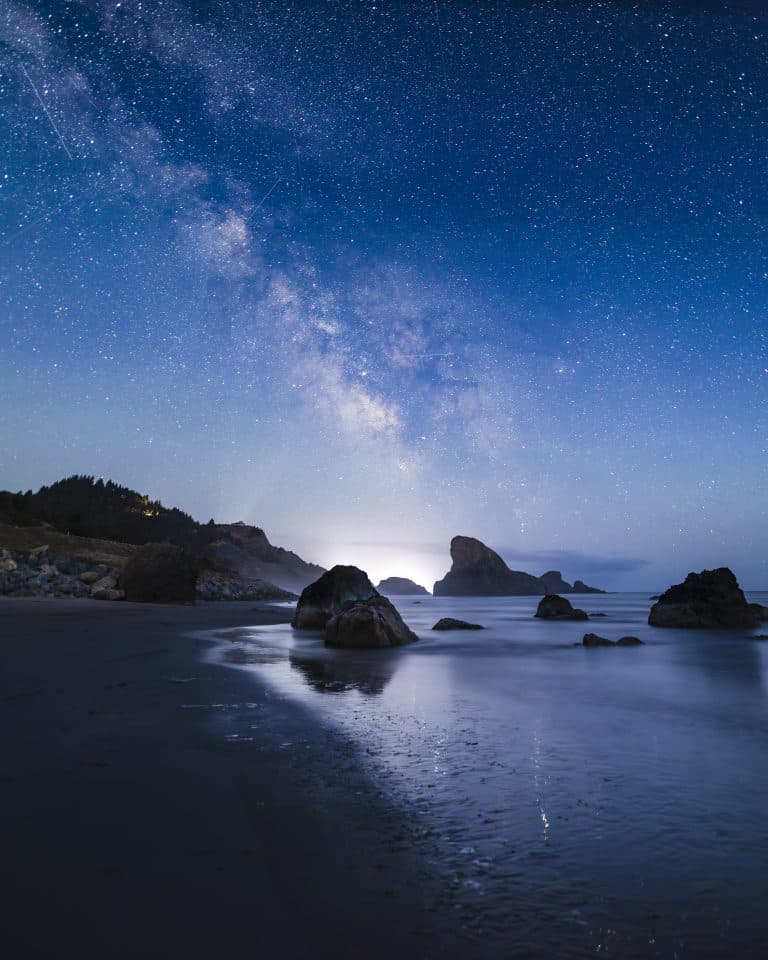
Oregon Coast Wildlife, The Safe Way: A Local’s Guide 🦭👀
This post may contain affiliate links. I may earn a small commission at no extra cost to you.
Oregon Coast Wildlife, The Safe Way: A Local’s Guide 🦭👀
Forget the usual rush of crowded spots and missed sightings along the Oregon Coast. You’ve seen the wildlife, but did you know many visitors unknowingly scare off seals, puffins, or elk by getting too close? This local’s guide shows you how to spot Oregon Coast wildlife safely—from gray whales breaching offshore to sea lions roaring at Simpson Reef—so you can enjoy those moments without worry. Ready to learn the best times, places, and respectful habits for your next coastal adventure? 🦭👀 Learn more here.
Wildlife Hotspots on the Oregon Coast
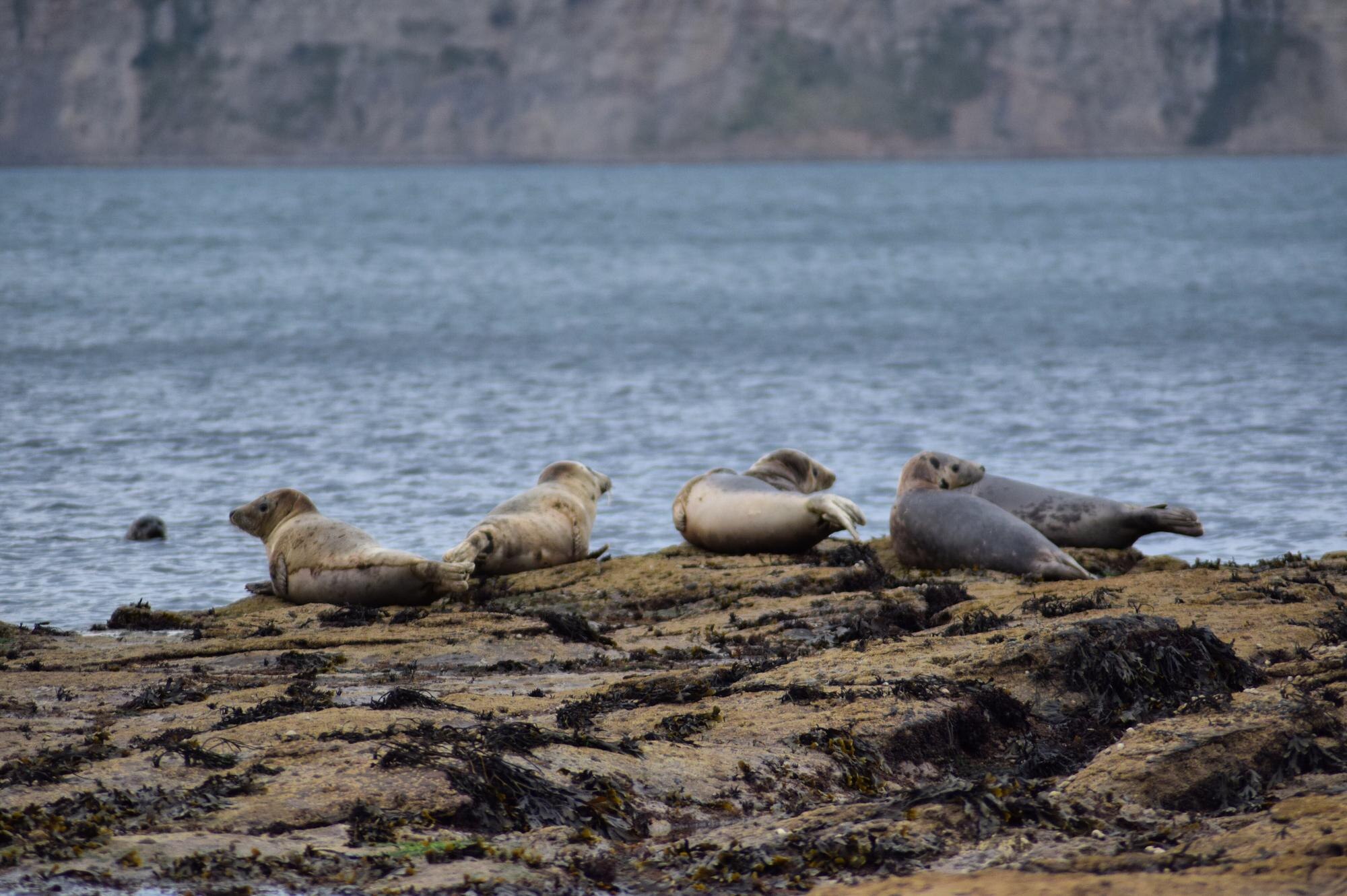
Discovering the best wildlife spots is like finding a hidden treasure chest. You won't want to miss these must-see locations on the Oregon Coast.
Best Whale Watching Spots
Whale watching is a breathtaking experience, especially on the Oregon Coast. Depoe Bay is known as the whale watching capital, where you can spot majestic gray whales almost year-round. Standing on the shore, you might see these giants spouting or breaching just offshore. For a closer look, consider a boat tour—it's like stepping into a marine wonderland. Find out more about whale watching.
Harbor Seals and Sea Lions
If you want to hear the roar of sea lions, Simpson Reef is the place to go. This rocky outcrop is home to hundreds of barking sea lions and lounging harbor seals. Viewing them from a distance ensures their safety and your enjoyment. You can also visit the Yaquina Head, where seals bask on the rocks, offering a perfect photo opportunity. Explore more about seals and sea lions.
Puffins at Haystack Rock
Puffins at Haystack Rock are a true delight. These colorful birds are best seen from April to July. With binoculars, you can watch them swoop and dive, adding a splash of color to the coastal scene. Remember, sticking to designated paths helps protect these precious habitats. Learn more about wildlife watching at Oregon Islands.
Tips for Safe and Responsible Viewing

To enjoy wildlife responsibly, there are a few important guidelines to follow. Here's what you need to know for a respectful and enjoyable experience.
Distance and Etiquette Guidelines
When watching wildlife, keeping a safe distance is key. Stay at least 50 yards away from marine mammals and birds. This space allows them to relax and behave naturally without feeling threatened. Avoid sudden movements and loud noises, which can startle animals and disrupt their environment.
Kid-Friendly Wildlife Tips
Bringing kids along? Teach them to be quiet observers. Encourage them to use binoculars to get a closer look without disturbing the animals. Create a fun game by spotting different species, turning observation into an exciting adventure. These habits help kids learn respect for nature.
Photography and Drone Rules
Capturing your wildlife adventure is exciting, but remember to follow the rules. Use a zoom lens to get those close-up shots instead of getting too near. Drones can disturb wildlife, so check local regulations to ensure you're flying legally and safely. Discover more about respectful wildlife viewing.
Seasonal Timing and Gear Essentials
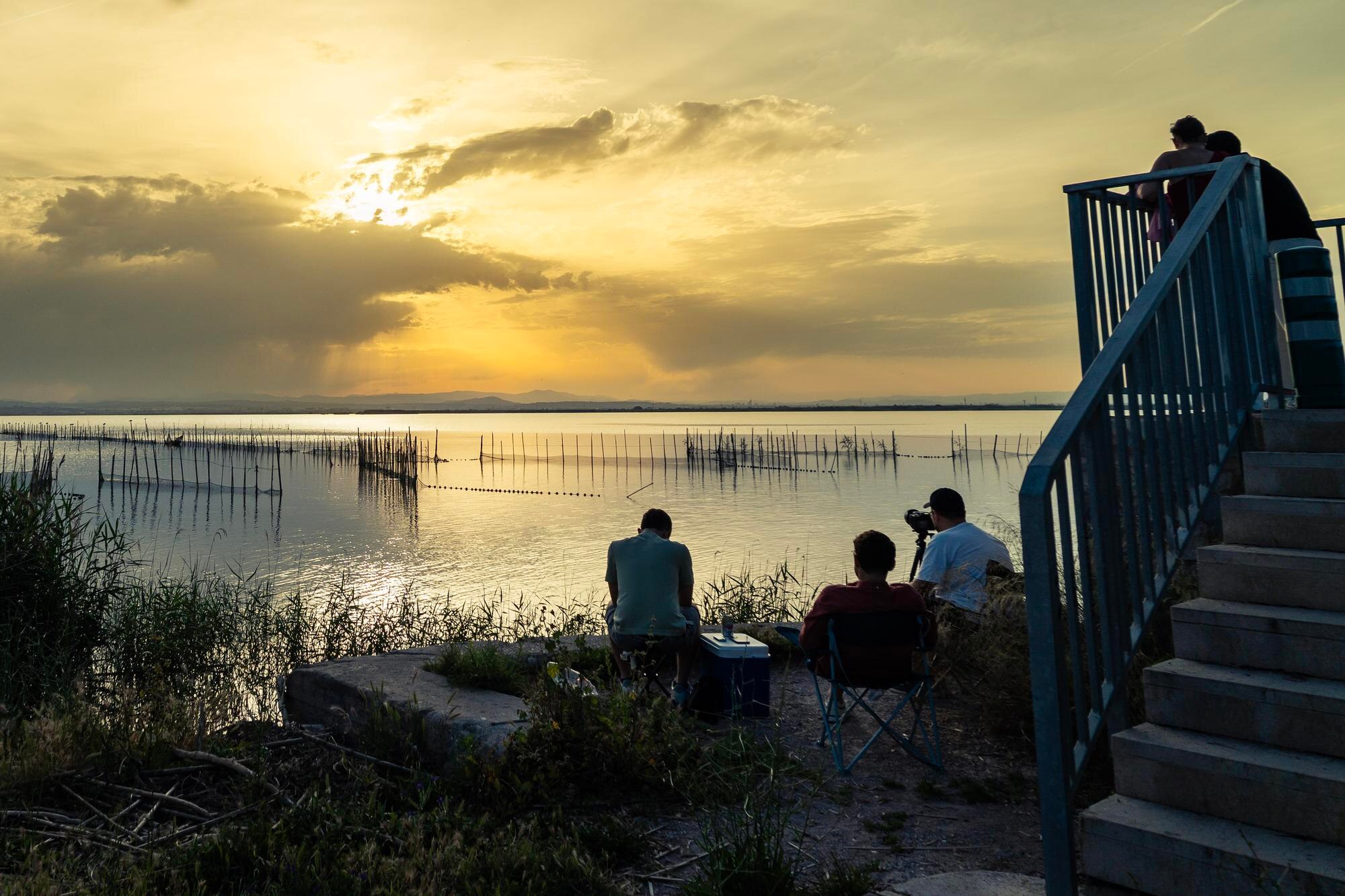
Timing and gear can make or break your wildlife watching experience. Here's how to plan perfectly.
Best Time for Gray Whales
Timing is everything when it comes to spotting gray whales. The best months are December through January and March to June. During these times, the whales migrate, making them easier to spot. Early morning or late afternoon are usually the best times for viewing.
Gear Checklist for Wildlife Watching
Before heading out, pack the essentials. Binoculars, a camera, and a field guide to local wildlife are must-haves. Dress in layers since coastal weather can change quickly. Don't forget snacks and water to keep you energized during your adventure.
Understanding Oregon Tide Charts
Tide charts are an essential tool for wildlife enthusiasts. High tides bring marine life closer to shore, making it easier to spot them. Checking tide times can also help you avoid getting stranded on isolated beaches. Consult local tide charts and plan your visit accordingly.
🌊📸
By following these tips, you'll not only have a memorable wildlife adventure, but you'll also help preserve these beautiful creatures and their habitats for future generations. Enjoy your Oregon Coast journey!