Winter Kayaking on the Oregon Coast: Safety Smarts & Gear You’ll Actually Use 🚣♂️❄️
This post may contain affiliate links. I may earn a small commission at no extra cost to you.
Winter Kayaking on the Oregon Coast: Safety Smarts & Gear You’ll Actually Use 🚣♂️❄️
Winter kayaking on the Oregon Coast isn’t for the faint of heart. The cold water demands more than just a paddle and a smile—you need smart safety moves and gear that actually works when the chill hits. Stick around to get the lowdown on staying warm, reading the tides like a pro, and choosing the best bays for your winter paddle. Your next chilly adventure starts right here. Learn more about winter kayaking prep. 🚣♂️❄️
Safety Tips for Winter Kayaking
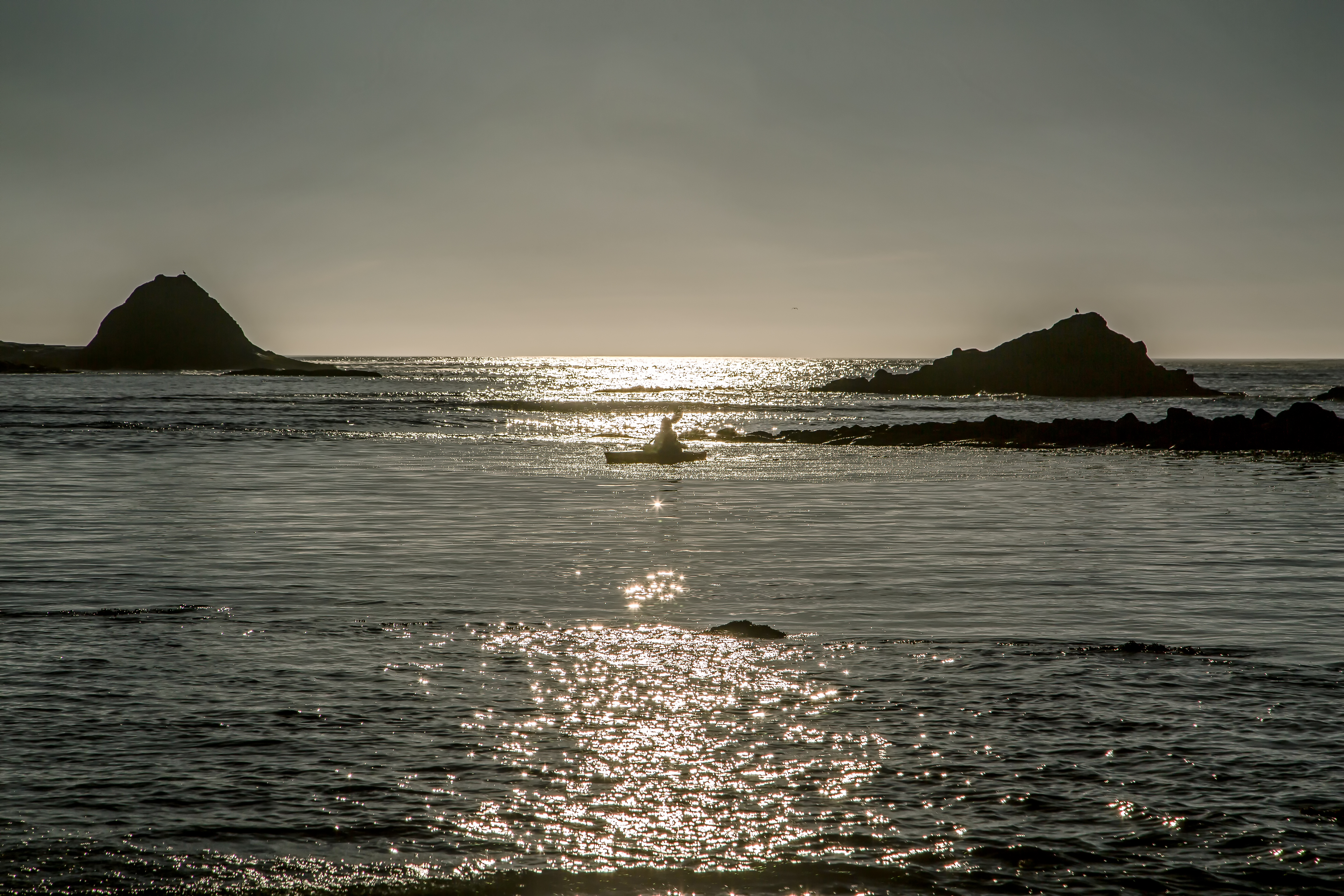
Staying safe on the water is crucial, especially in winter. Let's dive into the essentials you need to protect yourself against the cold and unpredictable conditions.
Understanding Cold Water Risks
Hypothermia is a real threat when kayaking in winter. Falling into cold water can be dangerous, so being prepared is key. Always wear a personal flotation device and dress for the water temperature, not just the air. Cold water can sap your body heat 25 times faster than air. That’s why gear like drysuits and wetsuits are critical. Hypothermia can sneak up on you, so it's important to know the symptoms: intense shivering, slurred speech, and loss of coordination. If you notice these signs, get out of the water immediately and warm up. Check out this helpful cold water safety guide for more tips.
Reading Marine Forecasts and Tides
Understanding the water is half the battle. Before heading out, look up the NOAA marine forecast for the Oregon Coast. It's your best friend in predicting ocean swells and wind conditions. Tides can make or break a trip: they dictate where and when you should paddle. Always plan your trip around favorable tides and currents. Knowing how to read tide tables can prevent unpleasant surprises. Learn more about marine forecasts here.
Choosing Safe Winter Paddling Zones
Picking the right spot is essential. Some bays and estuaries are more forgiving than the open ocean. For instance, Nehalem Bay offers calm waters, making it a great choice for beginners. Experienced paddlers might enjoy the challenge of Yaquina Bay, but always respect the water's power. Safety comes first: avoid areas with strong currents or heavy boat traffic. Most people think all bays are the same, but conditions can vary greatly. Always research your chosen spot thoroughly.
Essential Gear for Cold Water Kayaking
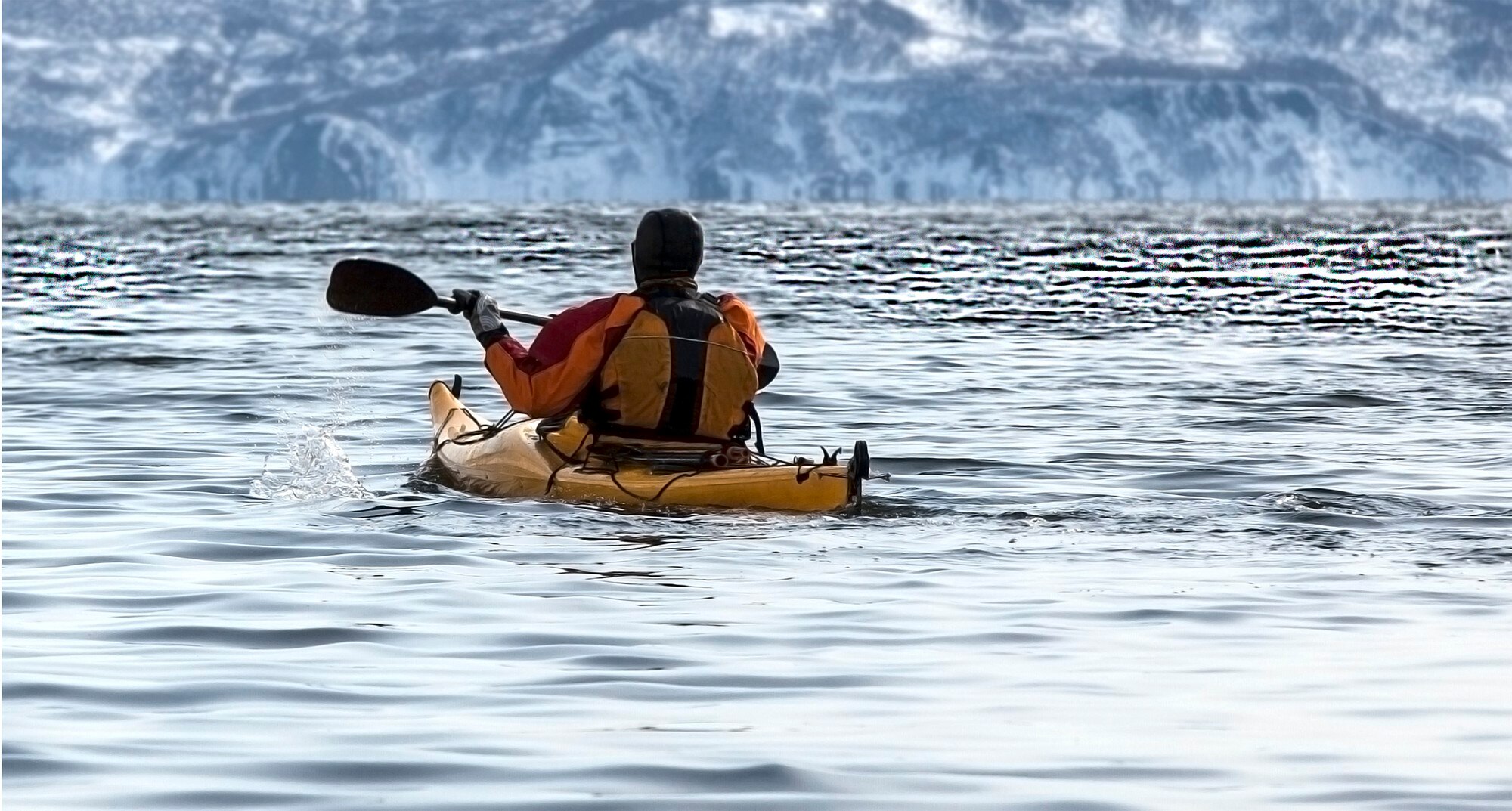
Choosing the right gear can make or break your winter kayaking experience. Let's explore some must-haves that keep you warm and safe.
Drysuits vs. Wetsuits
When it comes to staying warm, choosing between a drysuit and a wetsuit is crucial. Drysuits keep you completely dry, offering more insulation. They're perfect for really cold days. Wetsuits, on the other hand, are less expensive and allow some water in, which your body heats. This can be sufficient for milder conditions. The choice between them depends on your budget and the weather. Read more about the differences between wetsuits and drysuits.
Layering for Warmth and Comfort
Layering is your best strategy for staying warm. Start with a moisture-wicking base layer to keep sweat away. Add an insulating mid-layer, like fleece, to trap heat. Finally, top it off with a waterproof outer layer. Don't forget about your extremities: neoprene gloves and boots can make a world of difference. Here's the key insight: layering lets you adapt to changing conditions, keeping you comfortable throughout your paddle.
VHF Radios and Safety Equipment
Communication and safety gear are non-negotiable. A VHF radio is invaluable for calling for help if needed. Unlike cell phones, they work well in remote areas. Carry a safety whistle, signaling mirror, and flares as part of your gear checklist. Most people rely on cell phones, but they often fail in emergencies. Having the right equipment can give you peace of mind and potentially save your life.
Best Winter Kayaking Spots on the Oregon Coast
Now that you're equipped and informed, it's time to explore some of the best winter kayaking spots on the Oregon Coast.
Favorite Bays and Estuaries
Siletz Bay is a favorite for its calm waters and scenic views. It's perfect for spotting wildlife and enjoying a peaceful paddle. Tillamook Bay offers a diverse landscape with its estuaries and sheltered waters. These locations are beginner-friendly, yet engaging enough for seasoned paddlers. Don't miss out on exploring these gems for a memorable experience.
Launch Sites and Routes
Launching safely is vital. Choose spots with easy access and less exposure to strong waves. Coos Bay offers multiple access points, making it a convenient choice. Plan your routes to avoid strong currents and keep an eye on the weather. Remember, the longer you wait to learn the launch sites, the more you miss out on the adventure.
Wildlife and Leave No Trace Etiquette
Witnessing wildlife from a kayak is magical. You might spot seals, birds, or even whales. Always keep a safe distance to avoid disturbing them. Follow Leave No Trace principles: pack out what you pack in, and respect the natural habitat. Most people think it's fine to get close, but maintaining distance ensures wildlife safety and your own.
Winter kayaking on the Oregon Coast promises adventure and breathtaking scenery. With the right safety tips and gear, you're ready to explore. So gear up, paddle out, and discover the beauty of winter waters! 🌊🚣♀️❄️