Complete Guide to Oregon Coast Wildlife Watching: Best Spots and Seasons
This post may contain affiliate links. I may earn a small commission at no extra cost to you.
Complete Guide to Oregon Coast Wildlife Watching: Best Spots and Seasons
Forget the usual “where to spot whales” tips that crowd the internet. If you want the real scoop on Oregon Coast wildlife, you’re in the right place. From gray whale migration Oregon secrets to puffin hideouts at Haystack Rock, this guide spills local favorites and when to catch them best. Ready to plan your trip with insider gear tips, ethical viewing advice, and hidden gems? Let’s get you set up for a coast adventure that’s all about the wild side. 🐋📸 Check out more about Oregon Coast wildlife here.
Top Wildlife Viewing Spots
Ready to uncover the best places to meet Oregon Coast's wildlife stars? Let's dive into some amazing spots that promise unforgettable sights.
Depoe Bay Whale Watching
Depoe Bay is a whale-watching wonderland. Known as the “Whale Watching Capital of the Oregon Coast,” this small town offers the chance to see gray whales year-round. Here, they hug the coast, giving you a front-row seat. Peak times? Look between March and May or October through November for migration action.
Imagine standing on the world's smallest navigable harbor, where you can peer out and spot the majestic creatures breaching. Keep your camera ready to capture these giants of the ocean. And if you're itching for more insights, check out this page about whale watching near Portland, which is just a short trip away.
Haystack Rock Puffins
At Haystack Rock in Cannon Beach, the puffins steal the show. These colorful birds arrive in April and stick around until July. Early morning is the best time to catch them diving for fish or flaunting their bright beaks.
Besides puffins, the rock hosts other seabirds like cormorants and murres. So, bring your binoculars to get up-close views. While you're at it, enjoy a stroll on the beach, but remember to keep a respectful distance from the nesting areas to keep the birds safe.
Cape Perpetua Tide Pools
Tide pools at Cape Perpetua offer a glimpse into the vibrant underwater world. During low tide, explore the pools for sea stars, anemones, and crabs. The area is also home to the famous Thor's Well, a natural sinkhole that looks like it's draining the ocean.
The best time for tide pooling is during spring and summer mornings. Be prepared to get your feet wet and always watch for incoming tides. The longer you wait to visit, the more you might miss these fleeting moments of marine magic.
Best Seasons for Wildlife Watching
When should you pack your bags? Let's break down the best times to catch nature's finest shows on the Oregon Coast.
Gray Whale Migration Oregon
The gray whale migration is a spectacle you don't want to miss. From December to January, they head south to the warm lagoons of Baja, returning north from March to June. This journey takes them past the Oregon Coast, offering prime watching opportunities.
Grab a spot at Depoe Bay or Yaquina Head, where viewing platforms provide excellent vantage points. Bring a picnic and spend the day marveling at these ocean travelers. Need more info on the best times for whale watching? Head over to this blog for additional insights.
Yaquina Head Birds and Seals
Springtime at Yaquina Head is a birdwatcher's paradise. From March to May, seabirds like murres and gulls nest on the offshore rocks. Seals also frequent the area, often lounging on the beaches—making it perfect for wildlife enthusiasts.
Stroll along the paved paths or take a guided tour to learn more about the area's ecology. Remember, patience is key; sometimes the best sightings happen when you least expect them.
Dean Creek Elk Viewing
Just a short drive from Reedsport, Dean Creek offers a chance to see Roosevelt elk in their natural habitat. Fall and winter are prime times for spotting these majestic animals as they graze in the meadows.
The viewing area provides interpretive signs, helping you learn about the elk and their habitat. Make sure to bring binoculars for a closer look, and enjoy the tranquility of watching these gentle giants roam.
Tips for Ethical Wildlife Viewing
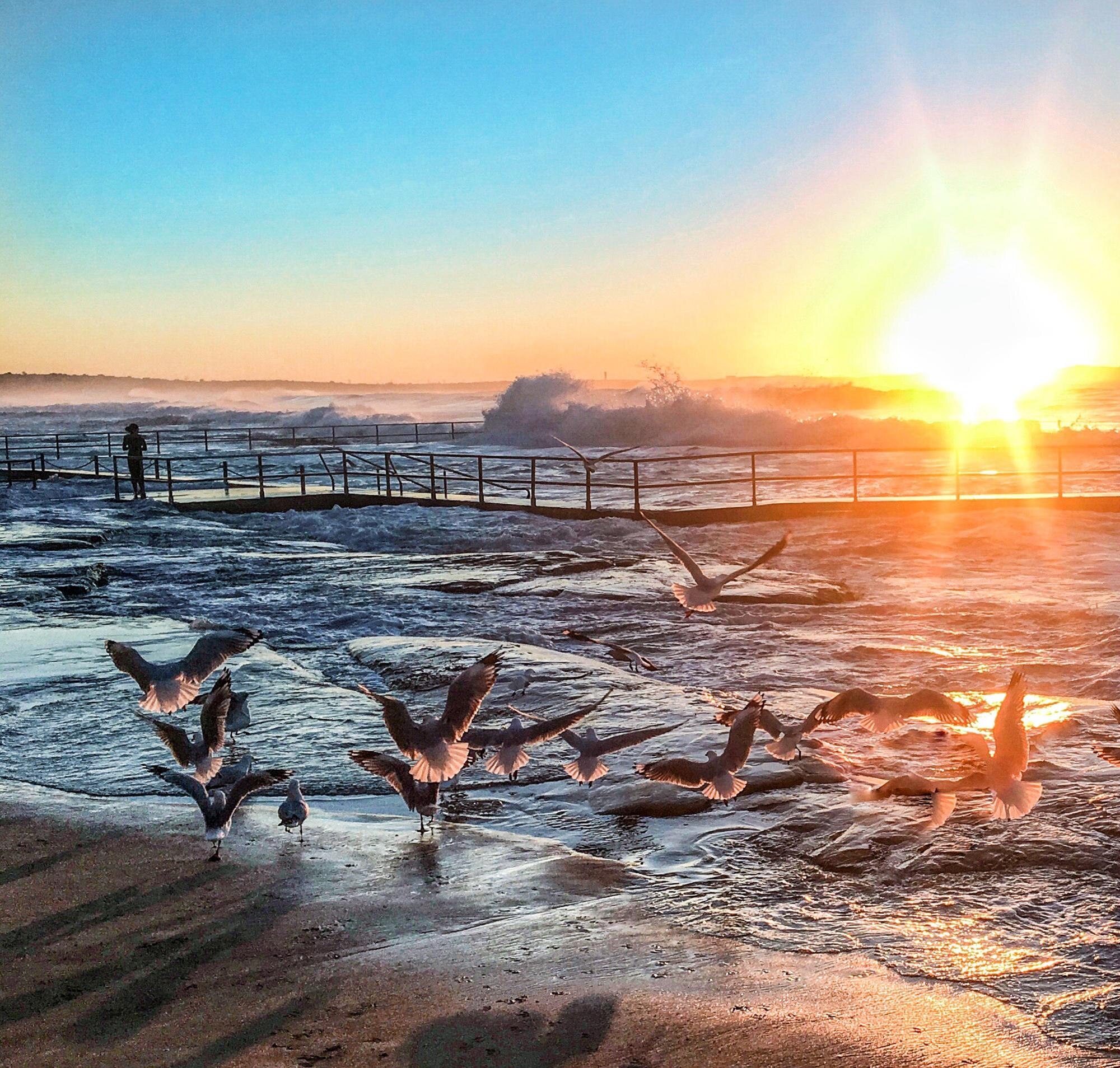
While soaking in the sights, it's crucial to respect nature and its inhabitants. Here are some guidelines to ensure a responsible wildlife experience.
Safe Distance Guidelines
Keeping your distance is essential for both your safety and the animals'. Use binoculars or a zoom lens to get a closer look without disturbing their natural behavior. If an animal changes its activity due to your presence, you're too close.
Leave No Trace on Beaches
When visiting beaches, remember to pack out what you pack in. Leaving nature as you found it helps keep habitats safe for wildlife. Avoid picking plants or disturbing rocks, as these are homes and food sources for many creatures.
Spotting Distressed Animals 🐾
If you come across an animal in distress, it's best to contact local wildlife authorities. They are trained to handle such situations. Refrain from touching or feeding the animal, as this can cause more harm than good.
With this guide, you're all set for an unforgettable journey along the Oregon Coast. Share your sightings and stories with us, and let's keep the spirit of adventure alive in our community! 🌲