Chasing First Light: Oregon Coast Sunrise & Wildlife Photo Tips 🌅🦦
This post may contain affiliate links. I may earn a small commission at no extra cost to you.
Chasing First Light: Oregon Coast Sunrise & Wildlife Photo Tips 🌅🦦
Forget blurry sunrise shots and missed wildlife moments on the Oregon Coast. You know those golden skies and playful otters deserve better. This guide hands you local-tested tips for Oregon Coast sunrise photography that’ll have your camera clicking at the perfect spots—think Haystack Rock sunrise and Ecola State Park magic. Ready to catch the light just right and snap wildlife like a pro? Let’s get you set for your next coastal adventure 🌅🦦. For more tips, check out this article.
Best Sunrise Spots on the Oregon Coast
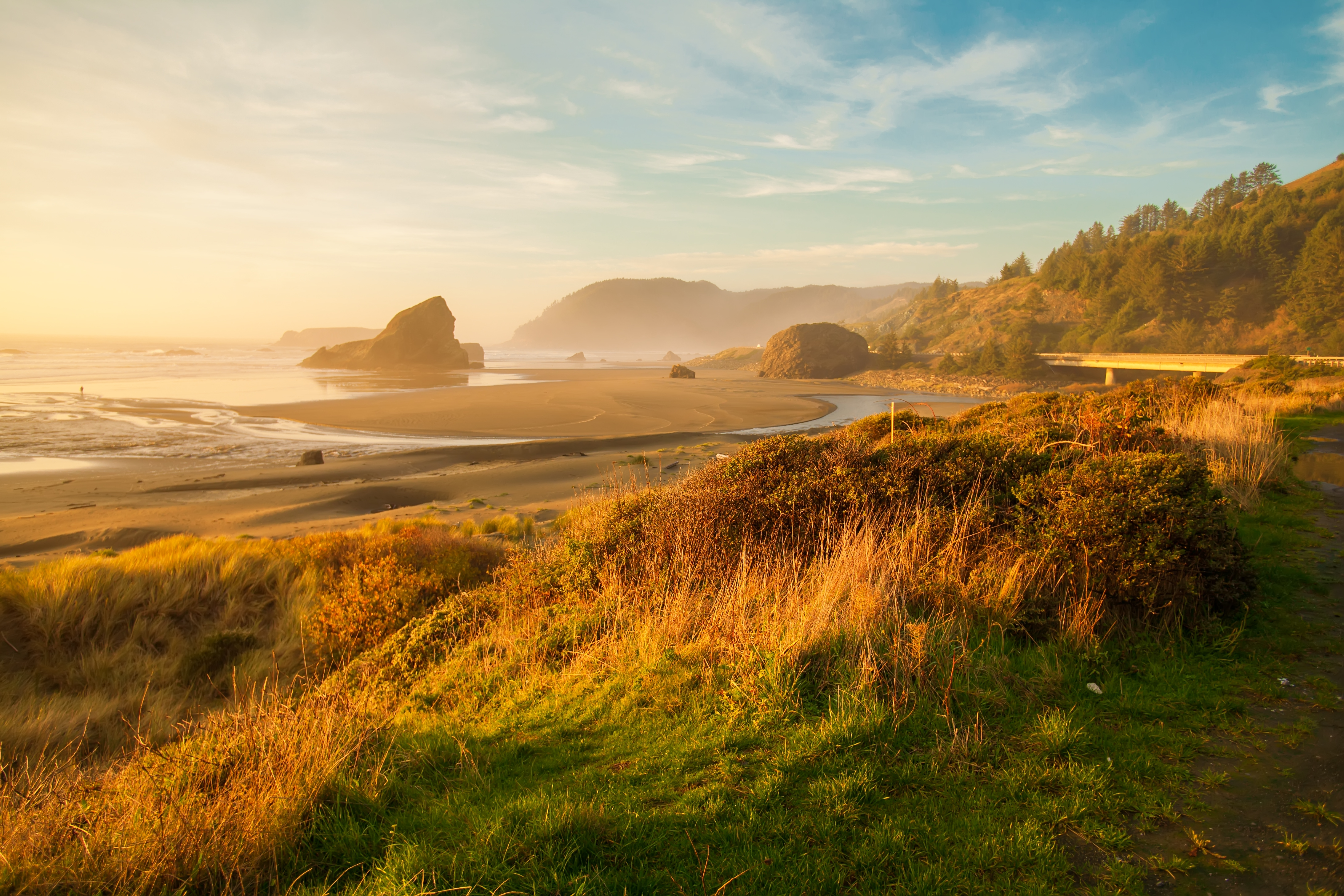
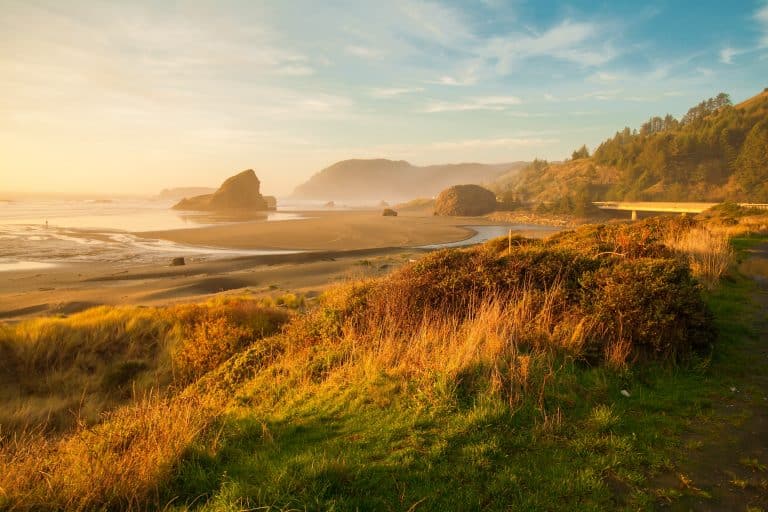
Start your day with nature’s art show along the coast. These spots promise magical vistas as the sun peeks over the horizon.
Haystack Rock Sunrise Magic
Haystack Rock isn’t just a landmark; it’s a canvas for the rising sun. Position yourself on the beach early to capture its silhouette against the morning light. Keep your lens ready, as you might catch the vibrant colors reflecting off the rock pools. Not only does this spot offer a stunning sunrise, but it’s also home to a variety of seabirds. You can find puffins nesting here from April to August. The contrast of the rock with the sky and sea is a photographer’s dream.
For those wanting to perfect their shots, consider visiting during low tide. This gives you access to tide pools that mirror the sky, adding depth to your photos. Remember, patience is key as the lighting changes rapidly. A wide-angle lens can help capture the rock and the expansive sky in one frame.
Ecola State Park Morning Glow
Ecola State Park is a gem for morning light seekers. The panoramic views here are ideal for capturing the coastline under the soft glow of dawn. As the sun rises, watch how it illuminates the waves and cliffs, creating a serene atmosphere. Bring a thermos of hot coffee and enjoy the peace as you wait for the perfect light.
This spot is also great for capturing the interplay of light and shadow across the forested areas. A telephoto lens can help isolate interesting patterns made by the trees and mist. The park is also a wonderful spot to catch glimpses of wildlife starting their day, adding an exciting element to your photography.
Cape Kiwanda’s Golden Hour
Cape Kiwanda offers a unique blend of rugged cliffs and sandy dunes, making it a top choice for capturing the golden hour. As the sun rises, the sandstone formations glow, providing a striking contrast against the blue ocean. Head to the top of the dunes for a panoramic view that showcases both the land and sea.
For those looking for a challenge, try shooting the waves crashing against the cliffs. This movement adds drama to your photos, especially when combined with the warm hues of sunrise. A neutral density filter can help control the exposure, allowing for longer shutter speeds to capture the motion of the water.
Capturing Wildlife Moments
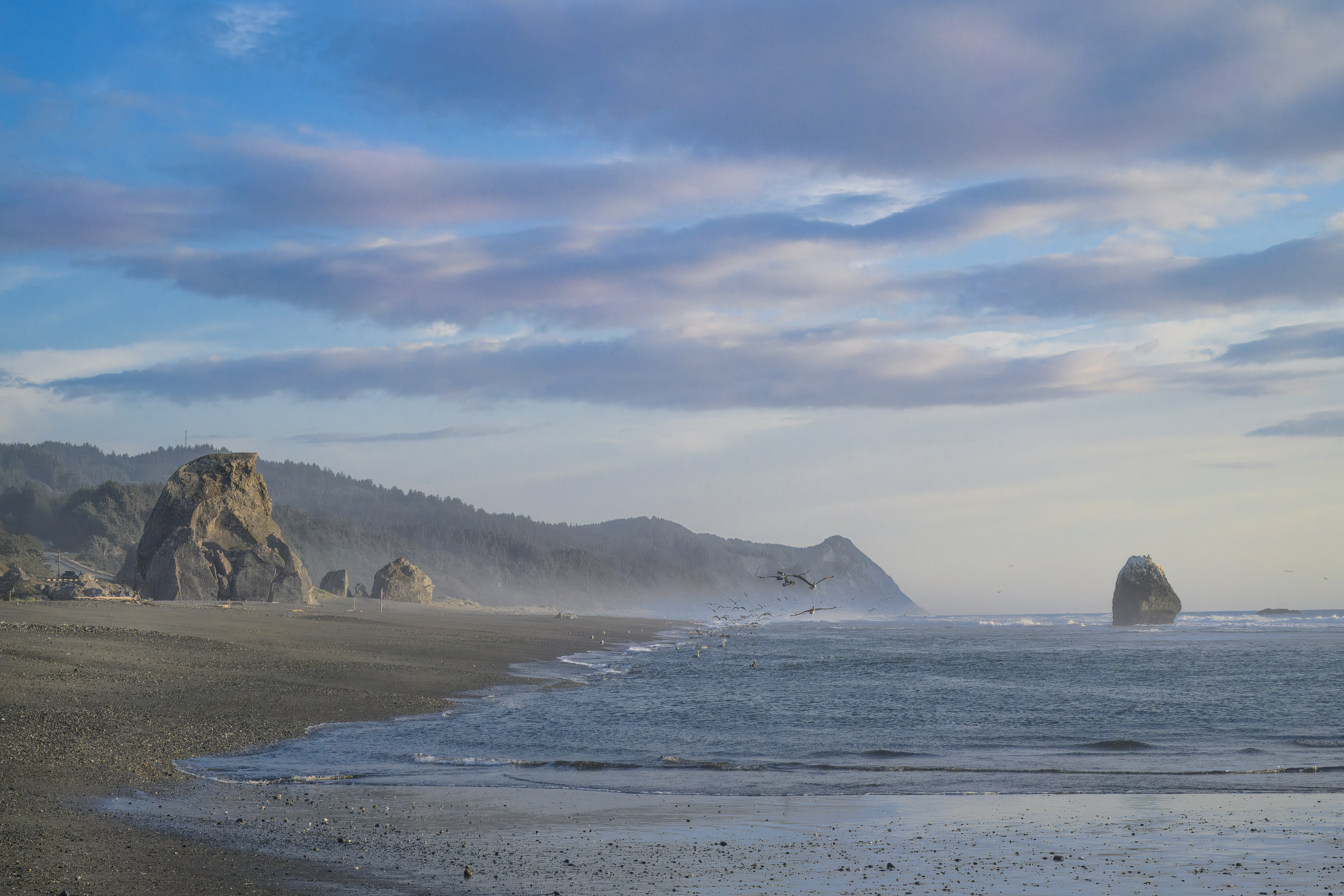
As the sun rises, so does the activity of the coast's vibrant wildlife. Here’s how to capture those moments.
Puffins at Cannon Beach
Cannon Beach is a prime location to spot puffins. These charming birds are best photographed during the early hours when they’re most active. Look for them on Haystack Rock, where they nest and socialize. A zoom lens will let you capture their antics without disturbing them.
The best time to photograph puffins is during their breeding season, as they’re more visible and active. Approach quietly and use a long lens to maintain a respectful distance. The morning light adds a soft touch to their colorful beaks and feathers, making your photos pop with life.
Whale Watching Tips
Whale watching along the Oregon Coast is an exhilarating experience. Early mornings offer calm seas and beautiful light for photography. Position yourself at high vantage points like Yaquina Head or Cape Perpetua to get sweeping views of whales breaching or spouting.
Bring binoculars to spot whales from afar and a telephoto lens to capture close-up shots. Patience is key; whales may take a while to surface. Once you see one, be ready to snap as they often appear suddenly. Keep an eye on the horizon for that tell-tale spout of mist.
Elk in Gearhart
In Gearhart, the misty mornings are perfect for photographing elk. These majestic creatures often graze in open fields at dawn. Use a long lens to capture them from a distance, ensuring you don’t disturb their morning routines.
The early light casts a gentle glow on the elk, highlighting their form against the lush backdrop. Try shooting from a low angle to emphasize their size and grace. As the elk move through the fields, capture their silhouettes against the rising sun for dramatic, memorable images.
Essential Sunrise Photography Tips
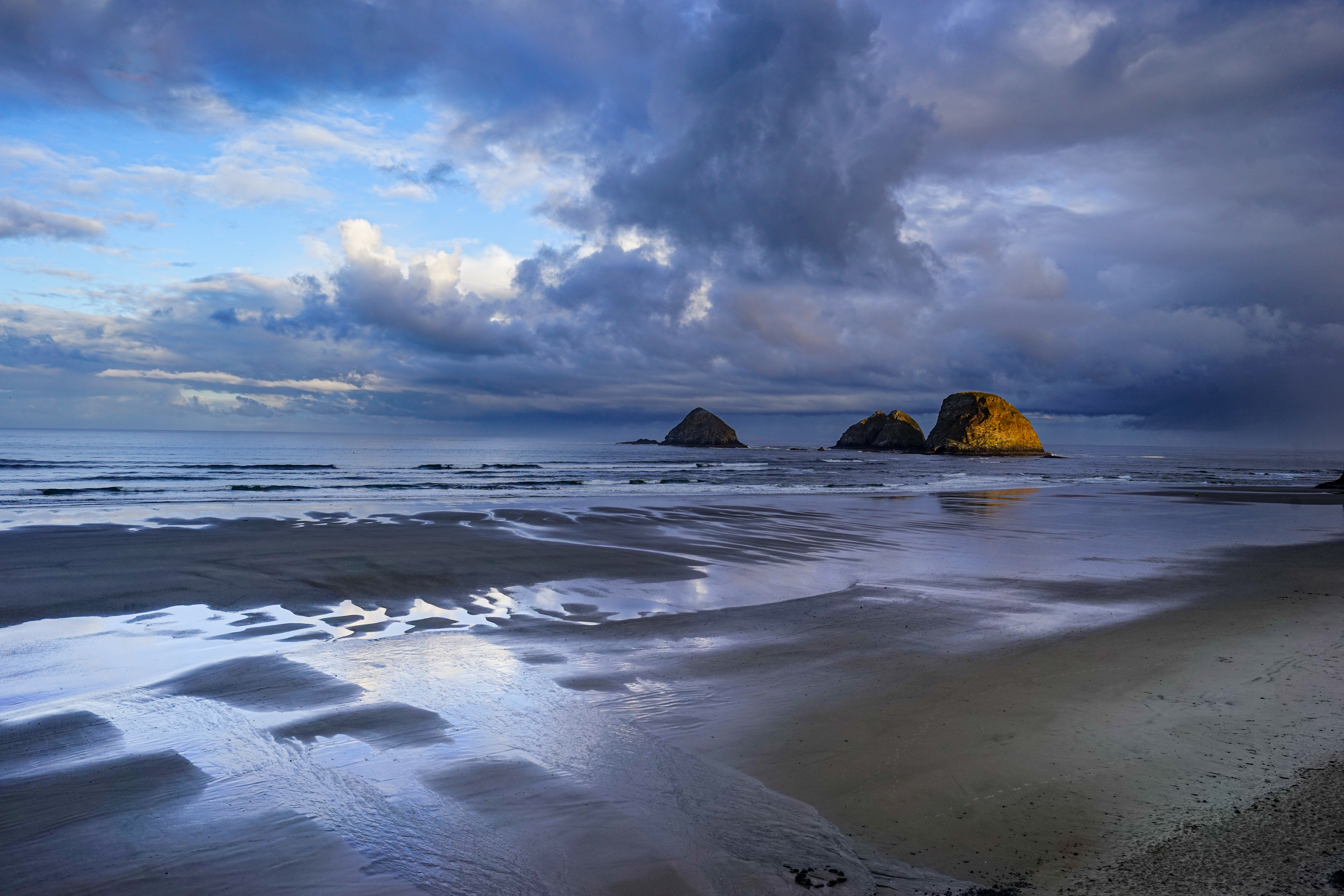
To truly capture the magic of the Oregon Coast at sunrise, it’s all about technique and timing.
Marine Layer and ND Filter Tricks
The Oregon Coast often has a marine layer that adds a dreamy effect to photos. Use this to your advantage by capturing the soft, diffused light it creates. An ND filter can help manage exposure in bright conditions, especially when shooting long exposures.
Experiment with different filter strengths to see how they affect your images. The goal is to find the right balance that enhances the mood without overexposing highlights. This technique is particularly useful when photographing the bright sun reflecting off the water.
Tripod and Long Exposure Waves
A sturdy tripod is essential for capturing long exposure shots of waves. This technique smooths the water, creating an ethereal look that contrasts beautifully with the sharpness of the surrounding rocks and sand. Set your camera on a slow shutter speed and watch the magic unfold.
Be mindful of the tide to ensure your safety and to protect your equipment. Long exposure photography requires patience and practice, but the results are worth it. You’ll capture the ocean’s movement in a way that’s both dynamic and serene.
Ethical Wildlife Photography Practices
Respect for wildlife is paramount when photographing animals. Always maintain a safe distance and avoid disturbing their natural behaviors. Use a zoom lens to capture details without encroaching on their space.
Remember the importance of Leave No Trace principles. Stay on designated paths, and be mindful of your impact on the environment. Ethical photography not only protects wildlife but also enhances the authenticity and integrity of your images.
By following these tips, you can capture the breathtaking beauty of the Oregon Coast while respecting its natural inhabitants. Whether you’re chasing the first light or encountering wildlife, let your lens tell a story of adventure and respect.