Complete Whale Watching Guide: Best Locations and Timing on the Oregon Coast
This post may contain affiliate links. I may earn a small commission at no extra cost to you.
Whale watching on the Oregon Coast isn’t just about spotting spouts—it’s about catching those unforgettable moments where ocean and sky meet. If you’ve been wondering where to see whales Oregon Coast style, you’re about to get the full scoop on the best spots like Depoe Bay, Newport, and Cape Perpetua. We’ll also share the best time to see whales in Oregon, plus tips to read tides and winds so you don’t miss a single tail slap. Ready to plan your perfect whale watch? Let’s roll! 🐋🌊
Our Take: Skip the Boat, Watch From Land
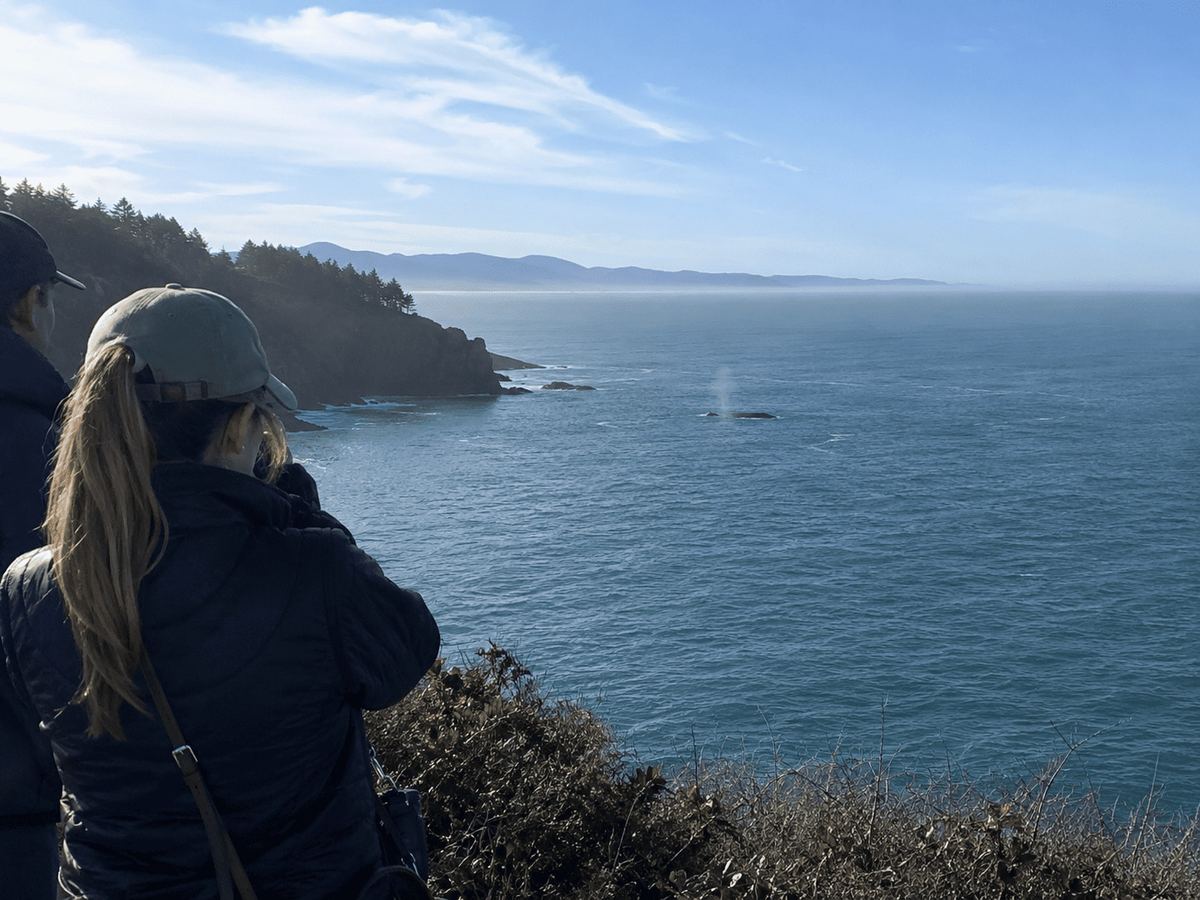
The good news for whale watching here is that you don't need a special spot — we have resident gray whales who hang around and genuinely seem happy to be seen, so as long as you keep an eye on the water from just about any stretch of shoreline, you've got a real shot. Now for my most memorable “sighting”: I was out on a whale-watching boat, thoroughly seasick and leaning over the rail, when someone shouted “look, a whale!” A gray had surfaced right below me — and let's just say I, uh, made contact. So my honest tip: those resident grays mean you can skip the boat entirely and watch happily (and queasiness-free) from land — and if you do take a boat and get seasick like me, take something before you leave the dock.
Top Whale Watching Spots
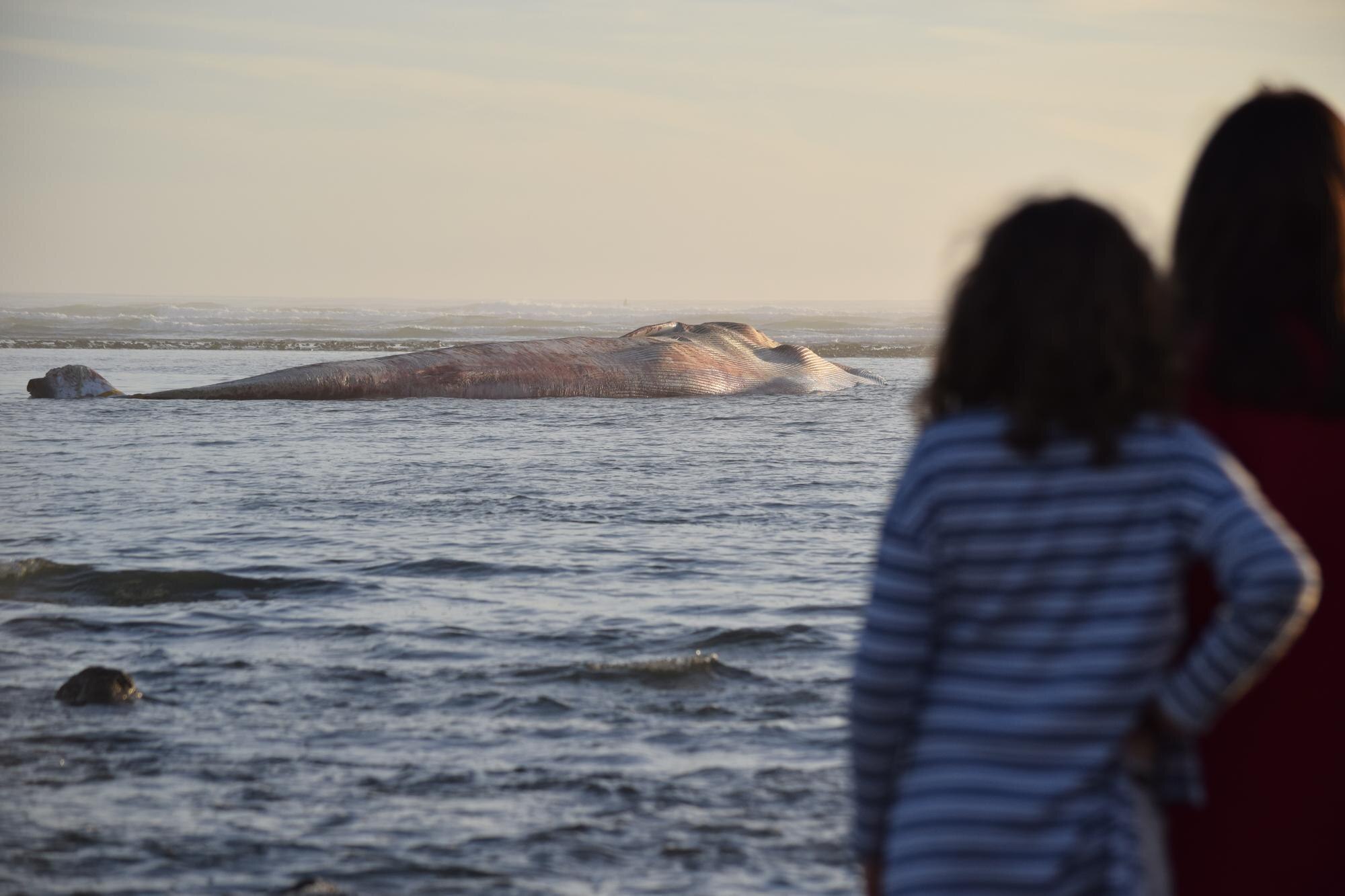
Oregon's coast offers some of the best whale watching views. Let's explore the top spots that will guarantee you a spectacular sighting.
Depoe Bay: Whale Watching Center
Depoe Bay is a must-visit for any whale watcher. Known as the “Whale Watching Capital of the Oregon Coast,” this quaint town boasts a dedicated Whale Watching Center. Here, you can find expert guides eager to share insights on the majestic gray whales. With binoculars in hand, you might even spot a resident gray whale, which call Depoe Bay home year-round. These whales are an incredible sight, often seen feeding near the shoreline.
When visiting, make sure to explore the charming local shops and cafes. They add to the experience, making your trip memorable. If you're lucky, you might witness a whale breaching right from the bay's edge. Curious to learn more about why Depoe Bay is a top choice? Check out Oregon Essential’s guide.
Cape Perpetua and Its Whales
Cape Perpetua offers more than just stunning views; it’s a prime spot for whale watching too. Standing atop the rugged cliffs, you can see breathtaking ocean vistas and, of course, whales. The best part? It’s perfect for spotting both migrating and resident gray whales. With the Pacific waves crashing below, the sight of these giants is truly awe-inspiring.
As you explore, keep your eyes peeled for the famous Spouting Horn—a natural wonder where ocean water shoots into the air. And don’t forget to walk the trails; each path offers a new perspective on this beautiful coastal area. Want more details on Cape Perpetua’s offerings? Visit this informative page.
Boiler Bay Viewpoint and Otter Crest
Boiler Bay Viewpoint offers a panoramic view of the ocean, making it another superb location for whale watching. This spot is named after a boiler from a sunken ship, which adds a touch of history to your visit. As you stand there, gazing out at the vast ocean, you might spot a pod of Pacific gray whales. They're often seen feeding in these rich waters.
Nearby Otter Crest offers additional viewing opportunities. With its high cliffs, you get an expansive view of the ocean, perfect for catching a glimpse of a whale's tail or a spout of water. For those eager to explore more, Oregon’s North Coast offers additional resources.
Best Times for Whale Watching
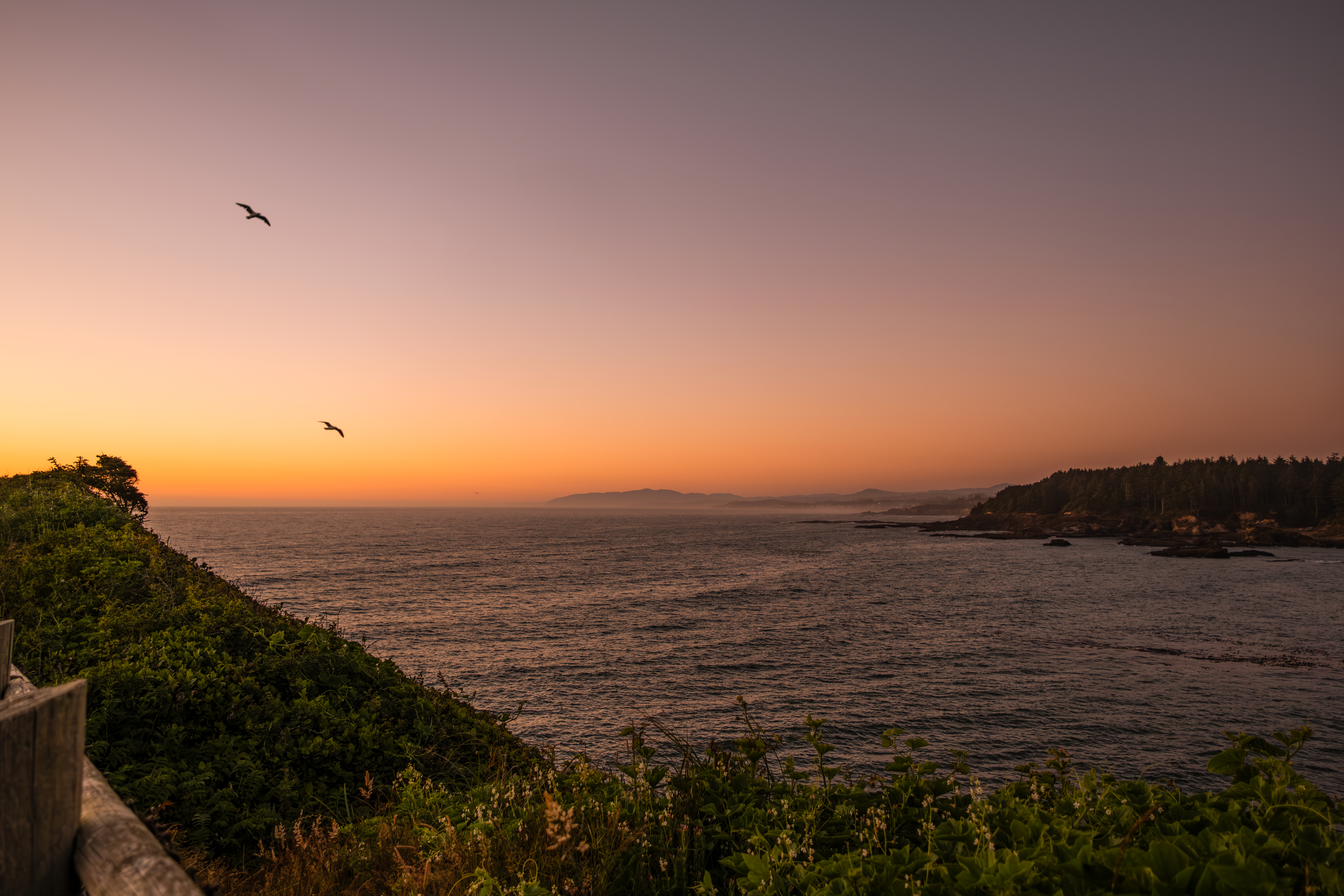
Timing is everything when it comes to whale watching. Knowing when to visit can significantly enhance your chances of a successful sighting.
Spring and Winter Migrations
Spring and winter are prime times for whale watching on the Oregon Coast. During these seasons, the gray whales migrate, providing a spectacular show. In winter, from December through January, and in spring, from March to June, thousands of gray whales pass by the coast on their long journey. This is the perfect opportunity to see these giants in action.
For the best experience, plan to visit during the peak migration periods. Not only will you catch the most whale activity, but you'll also experience the Oregon Coast's dramatic weather changes, which add to the adventure. Interested in more about the migration? This Facebook post has some fantastic insights.
Resident Gray Whales in Oregon
The Oregon Coast is also home to resident gray whales. These whales don't migrate far and can be seen almost year-round. Depoe Bay and Newport are hot spots for these residents.
Seeing these local whales can be just as thrilling as witnessing a migration. They often feed close to shore, giving onlookers a fantastic view. If you're planning a trip and want to maximize your chances, visiting during the quieter months might be ideal. This way, you avoid the crowds and have a more intimate experience.
Essential Whale Watching Tips
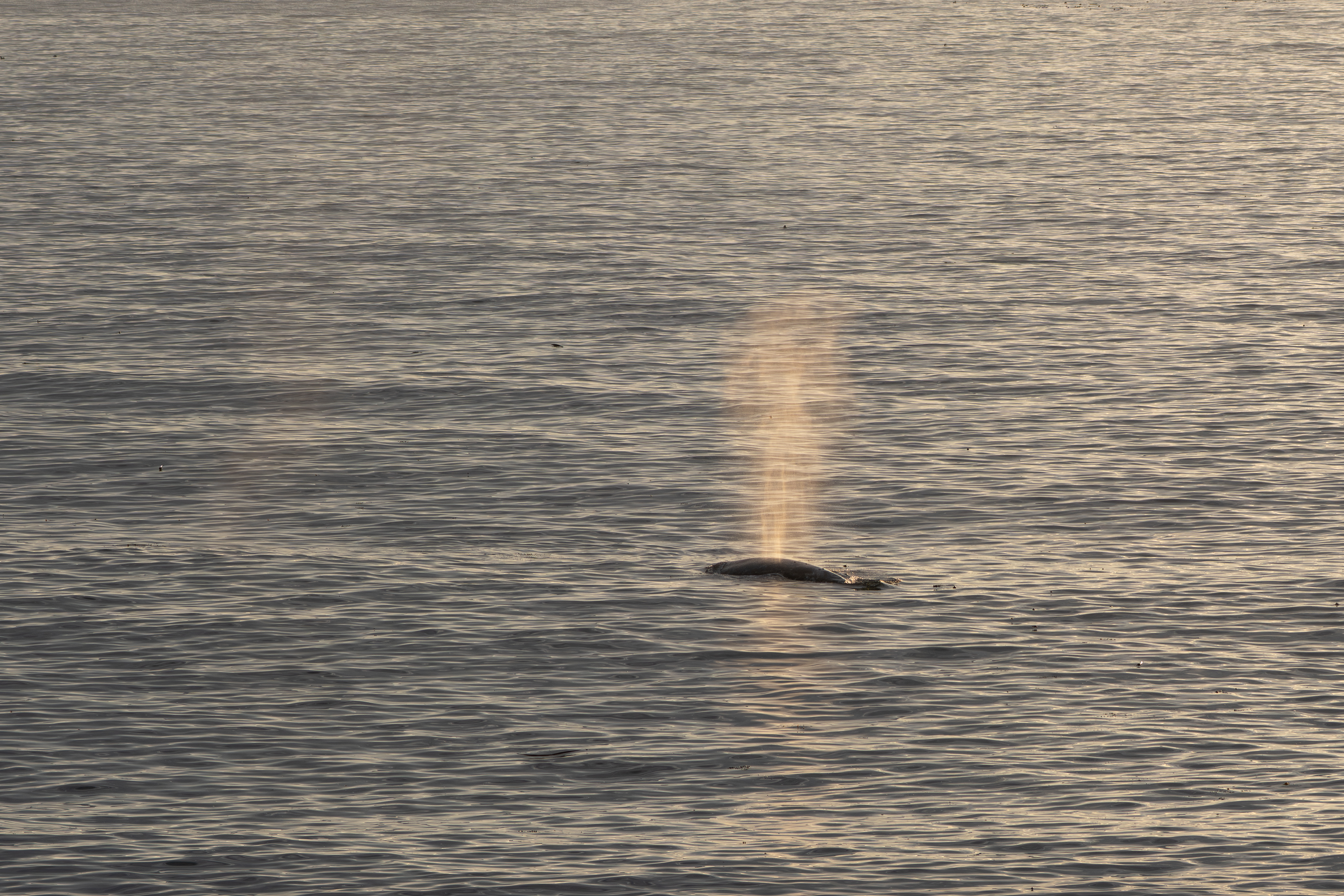
Ready to get out there and spot some whales? Here are some essential tips to ensure your whale watching adventure is a success.
Gear and Conditions for Success
To make the most of your whale watching trip, having the right gear is crucial. Binoculars are a must-have to spot those distant spouts. Dress in layers, as the coastal weather can change quickly. A windbreaker is always a good idea. Also, don't forget your camera—those moments are worth capturing!
Check the weather conditions before heading out. Overcast days can sometimes offer better visibility on the water. Plus, the calm seas make it easier to spot whales. Here's the key insight: patience is your best tool. Whales are unpredictable, so give yourself plenty of time to enjoy the coast and wait for the magic to happen.
Eco-Friendly Viewing Practices 🐋
While enjoying the thrill of whale watching, it's important to practice eco-friendly habits. Always maintain a respectful distance from the whales to ensure their safety and yours. Avoid making loud noises that could disturb the marine life.
Remember, our oceans are their home. By keeping our viewing practices respectful, we ensure these magnificent creatures can thrive in their natural habitat. Most people think it's just about seeing the whales, but it's also about preserving their environment for future generations.
By following these tips and choosing the right time and place, you're set for an unforgettable whale watching experience on the Oregon Coast. So grab your gear, prepare your itinerary, and get ready to make some amazing memories. Happy whale watching! 🐋🌊
Planning an Oregon Coast trip or a cruise? I'm Melinda, a local Cruise Brothers travel consultant — let me help plan it for you.
Free: Pacific Coast Cruise Planning Checklist
Grab my free step-by-step checklist for planning an Alaska, Mexican Riviera, Hawaii, or Pacific Coastal cruise — sent straight to your inbox.

Things To Do on the Oregon Coast
Planning your shore days?
Book highly-rated shore excursions and port tours before the best ones sell out.
Find shore excursions on Viator →As a Viator affiliate, I earn a small commission from qualifying bookings — at no extra cost to you.
Cruise Packing Essentials
The little things that make cruising smoother — the gear I recommend to every traveler before they sail.
As an Amazon Associate, I earn from qualifying purchases — at no extra cost to you.